Connect with us

Cannabis News

Youth Marijuana Use Has Declined Since Canada Enacted Legalization, Federally Funded Study Shows

Published

on

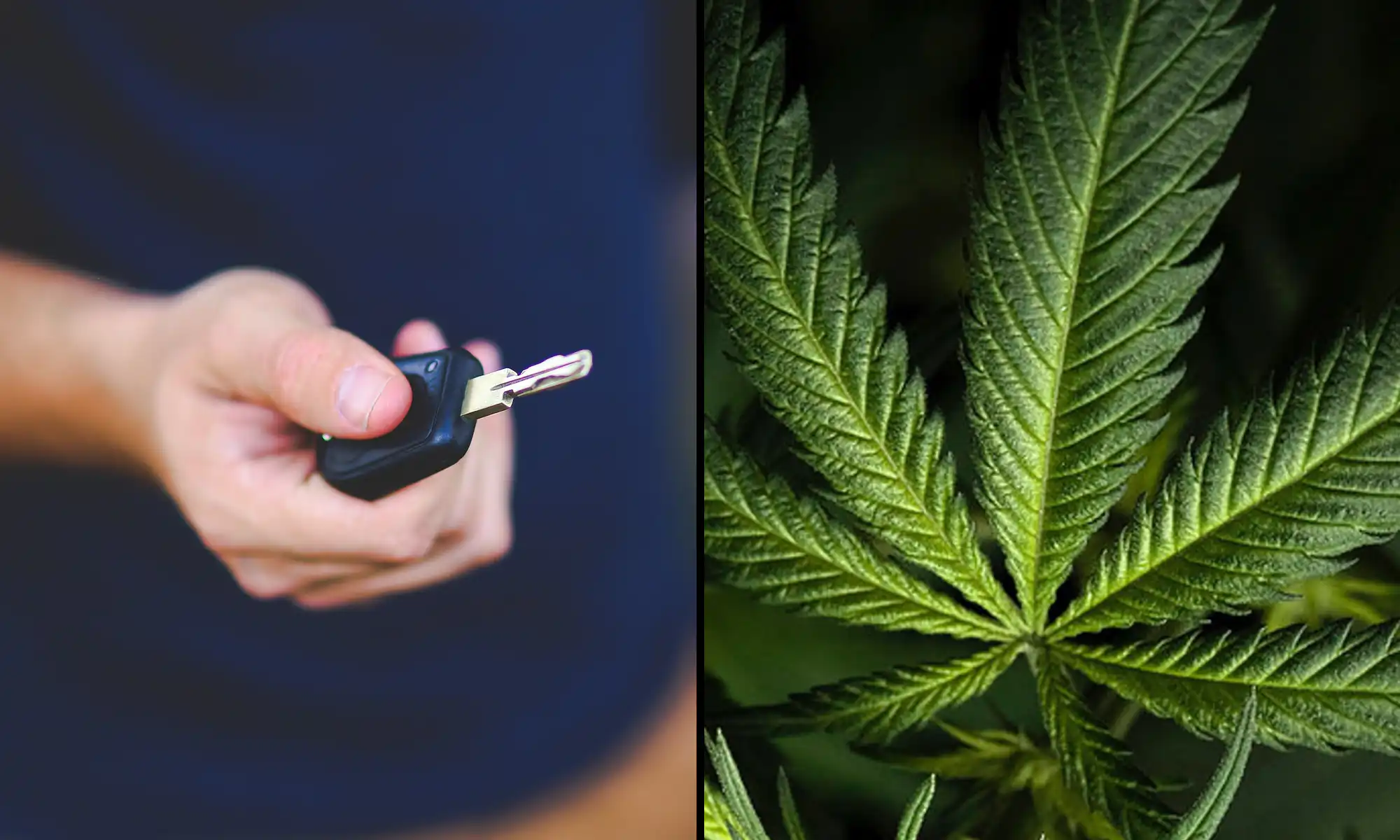
A federal study funded by Canada shows that youth marijuana use rates have dropped since the country legalized cannabis, countering concerns raised by prohibition.

Using data from Canada’s annual COMPASS Study, researchers from the University of Waterloo and Brock University compared trends in marijuana use among teenagers in 2017-2018 (pre-legalization) and 2021-2022 (post-legalization).

The study, published in the journal Addictive Behaviors Reports, found that 15 percent of students in the pre-legalization cohort reported past-month cannabis use, compared to 12.3 percent of the post-legalization cohort. Additionally, accounts of students who said they never used marijuana “increased” in this latter demographic.

In addition to examining rates of cannabis use, the researchers also sought to identify “risk factors” that may predict whether a student will use marijuana. And these factors changed between the two groups before and after legalization, which “suggests that prevention efforts need to be adjusted over time to target important risk factors associated with cannabis use.”

Specifically, it has to analyze Among more than 65,000 students across the two periods, although many risk factors were “common across the years,” “the relative ranking of risk factors changed significantly.”

“The main predictors of current (pre-legalization) cannabis use were time spent texting/messaging, daily breakfast consumption, and time spent doing housework, all of which also remained significant predictors in 2021-22,” the study authors said. “The main predictors of current (post-legalization) cannabis use were depression, a happy home life…and students’ perception that getting good grades was important.”

“Our results highlight an increase in reports of ever using cannabis and a slight decrease in current cannabis use in our sample,” the study says. “While this is in contrast to the evidence of higher levels of cannabis use among young people during the early stages of the COVID-19 pandemic, it is possible to argue that the declines observed here (years after pandemic-related restrictions) may not be due to the pandemic itself, but likely due to regulations related to legalization and/or changes in social norms.”

“Given that cannabis use remains common among young people, there is a great need to identify the characteristics of young people who are at greatest risk for cannabis misuse and, at the same time, to develop and expand prevention and early intervention programs tailored to the needs of these high-risk youth. This study demonstrates that, over a short period of 4 years, the pre-cannabis legalization period, the pre-cannabis legalization period, the post-cannabis legalization era. the profile of risk factors has changed significantly, increasingly involving mental health conditions.

The COMPASS Study is funded by the Canadian Institutes of Health Research and the Quebec Ministry of Health and Social Services.

German officials released the study after three months released a report on their country’s experience with national marijuana legalization.

That report found that opponents’ fears about youth use — as well as traffic safety and other concerns — are so far unfounded.

A separate recent study by German federal health officials also found this Marijuana use rates fell among young people after the country legalized adult use of cannabiscontradicting one of the most common prohibitionist arguments against reform.

In July, federal health data also indicated that marijuana use in the U.S. has increased in recent years. increase “driven by increases … among adults 26 and older.” For young Americans, rates of past-year use and cannabis use disorder, on the other hand, “remained stable among adolescents and young adults between 2021 and 2024.”

In the US, research suggests that youth marijuana use has declined in states that have legalized the drug for adults.

A report by the advocacy group Marihuana Policy Project (MPP), for example, found that Youth marijuana use has declined in 19 of the 21 states that legalized adult use—Adolescent cannabis use has dropped an average of 35 percent in the first states to legalize it.

The report cited data from a number of national and state youth surveys, including the annual Monitoring the Future (MTF) Survey, which is supported by the National Institute on Drug Abuse (NIDA).

The latest version of the MTF, released late last year, found that cannabis use among eighth, 10th and 12th graders is now on the rise. lower than before states began enacting laws to legalize adult use in 2012 Young people’s perception that cannabis is easy to obtain also declined significantly in 2024 despite an expanding market for adult use.

Another survey conducted last year by the US Centers for Disease Control and Prevention (CDC) also showed that a The proportion of high school students reporting marijuana use in the past month has decreased in the past decade, when dozens of states moved to legalize cannabis.

At the state level, MPP’s assessment looked at studies such as the Washington State Healthy Youth Survey released in April 2024.

That survey found a decline in lifetime and past 30-day marijuana use in recent years. They remained stable until 2023 with significant decreases. The results also indicated that the ease of access to cannabis among underage students has generally decreased since the state enacted adult legalization in 2012, contrary to fears repeatedly expressed by opponents of the policy change.

And in June of last year, the two-year Healthy Kids Colorado Survey found just that Statewide youth marijuana use rates fell slightly in 2023—Remains significantly lower than before the state became one of the first in the U.S. to legalize adult cannabis in 2012.

The findings follow other past surveys that have investigated the relationship between marijuana and jurisdictions that have legalized youth cannabis use.

For example, a Canadian government report recently found daily or near-daily usage rates among adults and youth. remained stable in the last six years after the country passed legalization.

Another US study found that a “Significant reduction” in youth marijuana use from 2011 to 2021.— a period when more than a dozen states legalized marijuana for adults — that determined lower rates of lifetime and past-month use among high school students nationwide.

Another federal report released last summer concluded Between 2022 and 2023, cannabis consumption among minors — defined as people between 12 and 20 years old — has fallen slightly..

Additionally, a research letter published in April 2024 by the Journal of the American Medical Association (JAMA) said there is no evidence. States passing laws to legalize and regulate marijuana for adults has increased youth use. of cannabis

Another study published by JAMA earlier this month also found that neither legalization nor the opening of retail shops led to an increase in youth cannabis use.

In 2023, however, a US health official said that adolescent marijuana use has not increased “even as state legalization proliferates across the country.”

Another study by the US Centers for Disease Control and Prevention found that Rates of current and lifetime cannabis use among high school students they have continued to decline amid the legalization movement.

A separate NIDA-funded study published in the American Journal of Preventive Medicine in 2022 also found that at the state level The legalization of cannabis was not accompanied by an increase in youth use. The study found: “Young people who spent their adolescence under legalization were no more or less likely to have used cannabis by age 15 than adolescents who spent little or no time under legalization.”

Another 2022 study by Michigan State University researchers, Published in the journal PLOS Onefound that “retail sales of cannabis may increase exposure to cannabis for older adults” in legal states, “but not for minors who cannot purchase cannabis products at a retail outlet.”

Although trends were observed adult use of marijuana and certain psychedelics reaching “historic highs.” in 2022, according to separate data for 2023.

Photo by Chris Wallis // Side Pocket Images.

Marijuana Moment is made possible with the help of readers. If you rely on our pro-cannabis journalism to stay informed, consider a monthly Patreon pledge.

Cannabis News

Vivent Biosignals & Green Laniel join forces to bring plant-driven agriculture to the US

Published

on

By


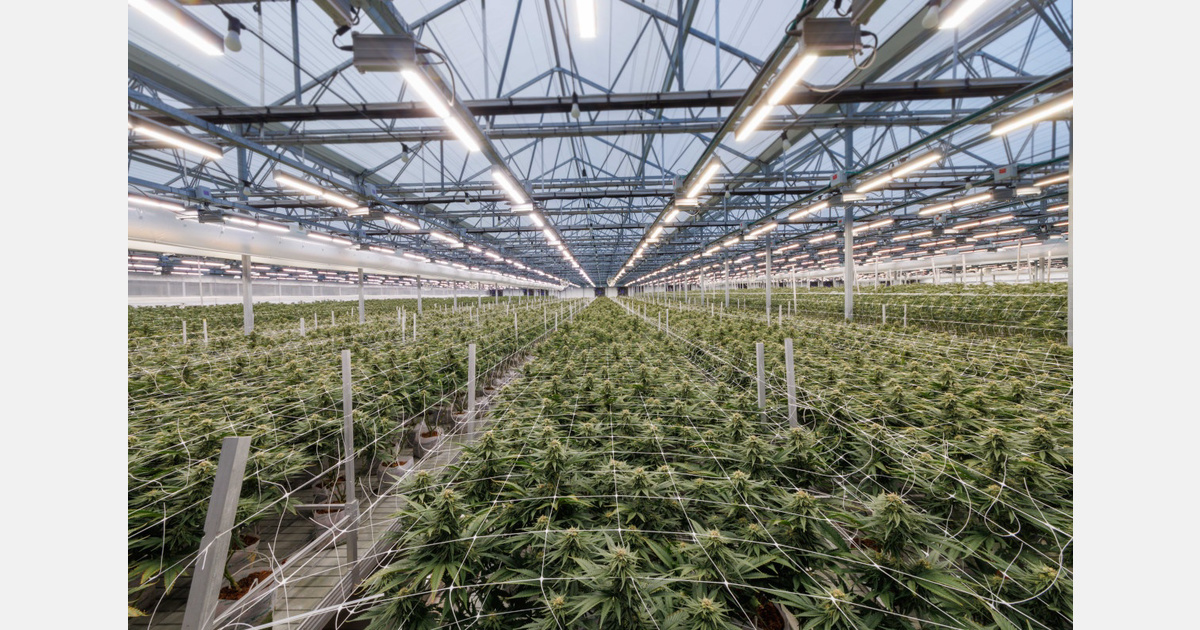
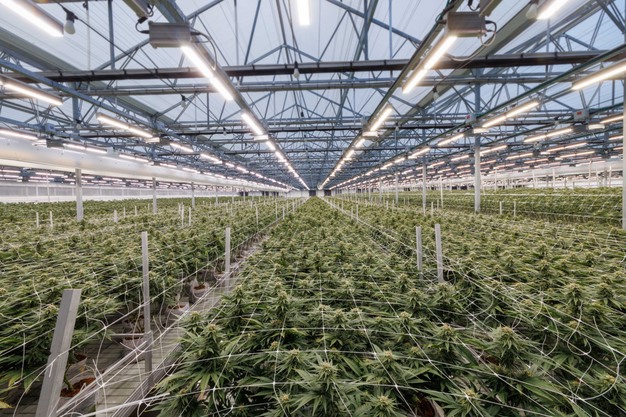
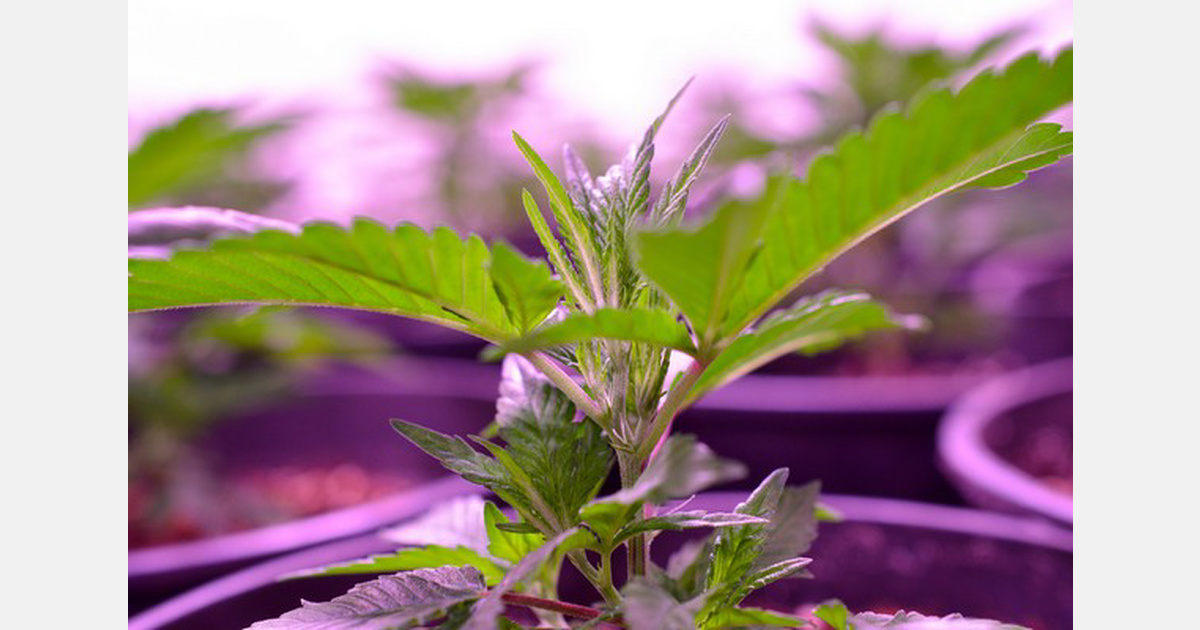
Vivent Biosignals and Green Laniel Consulting have announced a partnership to accelerate plant-driven irrigation and irrigation in key U.S. agricultural markets. Green Laniel Consulting is a US-focused provider of agronomic solutions led by Mauricio Manotas.

By combining Vivent’s ability to decode plant biosignals in real-time using plant biosensors, machine learning and AI with Green Laniel’s deep experience in agronomy, grower operations and US market access, the partnership allows growers to make decisions based on what really matters: how the plant itself is responding.

© Vivent Biosignals

The partnership will cover a variety of crops and production systems, initially plant-driven irrigation and greenhouses for perennial crops, including potatoes, directly guided by plant feedback.

“By combining Vivint’s plant-level intelligence with Green Laniel’s strong presence and agronomic leadership in the US, we are enabling a new generation of plant-driven farming systems. This partnership helps growers improve yields and quality while significantly increasing resource efficiency and sustainability.” says Mauricio Manotas, Green Laniel Consulting.

For more information:
Vivent Biosignals
Tel.: +41 79 5114627
Email: (email protected)
https://vivent-biosignals.com/


Publication date:


Continue Reading

Cannabis News

Indiana Lawmakers Approve Bill To Restrict And Regulate Hemp THC Products

Published

on

By

“In India, we would like some certainty about these products so that those who manufacture and sell them know what our laws are.”

By Leslie Bonilla Muñiz, Indiana Capital Chronicle

Indiana lawmakers want state legislation to join the recently enacted federal ban on intoxicating and synthetic hemp products to counter the growing delta-8 industry.

Lengthy and complex legislation would also regulate less potent products that pass statutory muster.

But, “there will be no demand” for products below the proposed threshold, said Justin Swanson, representing the Midwest Hemp Council and 3Chi, a THC products retailer.

THC is the active ingredient in marijuana.

Sen. Aaron Freeman, R-Indianapolis, admitted to the committee that he would prefer to “wipe all these things off the planet, period,” but that his proposal is “whatever is possible.”

His Senate Bill 250 would mimic Congress’s shutdown of what Freeman described as the “Farm Bill loophole,” referring to 2018 legislation that defined legal hemp as any part of the plant that contains less than 0.3 percent delta-9 THC by dry weight. That definition allowed products containing delta-8, THCA and other intoxicating cannabinoids to proliferate, including in Indiana.

A federal funding law passed in November specifies that all types of THC count. It also limits THC products to just 0.4 milligrams per container, and completely bans those made in labs.

“I think (that’s) what the federal government wanted when they passed the Farm Bill in 2018; I think that’s what everybody had in mind when they copied that language here in Indiana,” said Chris Daniels, chief traffic safety resource attorney for the Indiana Prosecuting Attorneys Council. “The target was very low potency THC.”

An industry group supported the changes.

“It is imperative that Indiana act to align with federal policy in the 2026 legislative session,” said Cory Harris, representative of the American Cannabis and Hemp Trade Association. “Failure to do so means that Indiana’s policy will be stricter than federal law, making Indiana a legal cannabis market.”

The federal provisions will go into effect in November. Freeman’s bill repeats those provisions, but puts them into effect four months earlier, in July.

“It’s sweet that Indiana codified a federal law that will decimate an entire industry in the state,” Swanson said. “The landscape is still unsettled.”

U.S. Rep. Jim Baird — a Republican representing Indiana — introduced a proposal to push the effective date of the federal ban to 2028. President Donald Trump also signed an executive order to expedite the reclassification of marijuana as a less dangerous and less restricted drug.

Swanson said his clients support a “responsible regulatory framework,” and told lawmakers that “the status quo is not acceptable to anyone.”

Freeman’s invoice spends dozens of pages specifically regulating low-THC “hemp-derived cannabinoid products” that would be legalized, primarily with a long-standing 21-and-over requirement.

It also puts the Indiana Alcohol and Tobacco Commission in charge of regulating the rest of the industry, establishing four types of licenses for manufacturers, distributors, retailers and carriers. They would be prohibited from advertising within 1,000 feet of schools, playgrounds and others, with retailers prohibited from operating within the same radius.

Retailers would not be able to deliver products or allow customers to consume them on the spot. Selling the products online would also be illegal, another sticking point for advocates.

Dave Colt, CEO and co-founder of Sun King Brewery, said his homegrown company spent months and more than $100,000 on equipment, research and development for its THC seltzer. Amid declining alcohol sales nationwide, seltzers have allowed Sun King to retain its employees and even grow.

“We also make products for at least a dozen Hoosier small businesses. Without that additional revenue, we would be forced to lay off people and reduce our business significantly,” Colt stated. “We believe the industry wants clear regulations to meet consumer demand.”

Other provisions relate to packaging, labeling and testing.

A fiscal impact study by the nonpartisan Service Agency estimated a financial impact of half a billion dollars annually for ATC to administer and enforce the proposal. The agency will have to hire at least one excise officer in each of the six districts plus Marion County to investigate complaints related to the new regulatory framework.

There will be additional costs for law enforcement training, procurement and online databases, the analysis noted.

The costs could be offset by the permit and other fees collected. The measure would allocate 70 percent of the proceeds to ATC administrative efforts, 20 percent to enforcement, 5 percent to the state’s 988 suicide and crisis hotline and 5 percent to the general fund.

If all tobacco sales certificate holders applied for a retail permit, for example, their application fees would generate $2.1 million. If all are approved, the state would earn an additional $4.6 million, according to LSA’s analysis.

The state seed commissioner would handle licensing for hemp growers and handlers.

Freeman also included a sentence that prevents the Indiana code from immediately reflecting the federal reclassification of marijuana, if that goes forward.

“This bill simply says that we’re not going to automatically follow what the federal government does, that we, the 150 of us, would make that decision, not the federal government for us,” Freeman told his colleagues.

The Senate Commerce and Technology committee also approved an amendment to eliminate an excise tax, as all revenue-raising provisions must be initiated in the House.

The revised legislation passed on a 7-2 party line vote, but the next bill must pass through the Senate Appropriations Committee before going to the House floor.

Previous efforts to ban and regulate intoxicating hemp products have failed.

Asked about his chances this year, Senate Republican Leader Rodric Bray told reporters, “I don’t have that crystal ball,” but added, “I think the bill is in pretty good shape right now.”

“I think in Indiana, we would like some certainty about these products, so that those who manufacture and sell them know what our laws are,” he continued, “and, most importantly, to build in some really meaningful protections for our young people across the state.”

This story was first published by the Indiana Capital Chronicle.

Brendan Cleak’s photo.

Marijuana Moment is made possible with the help of readers. If you rely on our pro-cannabis journalism to stay informed, consider a monthly Patreon pledge.

Continue Reading

Cannabis News

Creating a thoughtful cannabis environment for Colorado Springs

Published

on

By

In Colorado Springs, where the landscape of legal cannabis is centered around medical use, BioMeds Weed Dispensary Colorado Springs has become a destination for patients seeking high-quality cannabis products and a fair and respectful retail experience. Located at 2301 Rand Avenue, BioMeds has developed a reputation for prioritizing product integrity, patient education and consistent service in response to the brightest trends found in recreationally oriented markets.

Unlike recreational dispensaries, where the volume and variety can sometimes overwhelm, BioMeds takes a deliberate approach. The dispensary offers a good selection of medical cannabis products, including a variety of delivery formats to suit your health needs. These typically include flower strains, tinctures, capsules, topicals, and ingestibles, allowing patients to explore therapeutic cannabis without relying on inhaled methods.

BioMeds understands that patients arrive with different experiences, preferences and conditions. To meet these needs, the dispensary emphasizes informed, non-judgmental customer service based on product knowledge. The staff is trained to explain how different formats work, as well as interpret cannabinoid ratios, identify common terpenes, and select products that match specific wellness goals.

© BioMeds Weed Dispensary Colorado Springs

BioMeds’ product selection is part of the reason patients turn to cannabis. For many, whole flower remains a must-have choice, especially strains that emphasize CBD content, balanced proportions or effect-specific terpene profiles. BioMeds often sells indica, sativa, and hybrids with specific labeling, allowing patients to make informed decisions about onset time, duration, and expected outcome. Beyond flower, tinctures and capsules offer discreet, dose-controlled ways to incorporate cannabis into your daily wellness routine, especially for those managing pain, inflammation, or neurological conditions.

Topicals are also a key part of BioMeds’ offering. These include cannabinoid-infused creams, salves, and lotions intended for topical use. Patients dealing with joint discomfort, muscle tension, or skin conditions often turn to topical products for their non-toxic effects and targeted relief. These products also serve as an entry point for patients exploring cannabis for the first time, especially when faced with systemic or psychoactive effects.

Another category that sees sustained interest in BioMeds is ingestion. These may include low-dose edibles, oils, or beverages tailored to patients seeking long-lasting, absorbed beverages. While recreational edibles in Colorado may gravitate toward high-THC formats, medically focused dispensaries like BioMeds ensure that low-dose, balanced-ratio, CBD-rich formats are available and clearly labeled. Many patients prefer longer-lasting edible formats, especially for managing symptoms at night or for relief throughout the day.

Compliance is a pillar of BioMeds’ operating philosophy. As a medical-only dispensary, the group complies with all Colorado Department of Public Health and Environment (CDPHE) guidelines. Patients must present a valid marijuana card, and all transactions are recorded and monitored according to state protocols. BioMeds does not allow recreational sales and maintains internal training programs to keep employees up-to-date on evolving regulations, labeling requirements and patient protection.

While the dispensary may not offer flashy promotions or themed events often seen in the recreational market, it has placed a special emphasis on medical integrity and personalized service in the Colorado Springs cannabis landscape. For patients who prioritize results over hype, BioMeds offers a consistent experience with proven products and a team that truly understands the nuances of using medical cannabis.

Behind the scenes, BioMeds maintains strong supplier relationships to ensure product availability and freshness. Inventory is regularly reviewed and rotated, and the team communicates directly with manufacturers to maintain transparency around sourcing, testing and packaging. The dispensary favors small and medium-sized Colorado growers who focus on consistency and compliance, with many products undergoing third-party lab testing for cannabinoid content, residual solvents and microbial contamination.

For more information:
BioMeds Weed Dispensary Colorado Springs
biomedsofcolorado.com/

Continue Reading
Advertisement

Trending

Copyright © 2021 The Art of MaryJane Media