
Cannabis News
Alabama Regulators Approve Hemp Product Rule Despite Opposition From Key Lawmaker



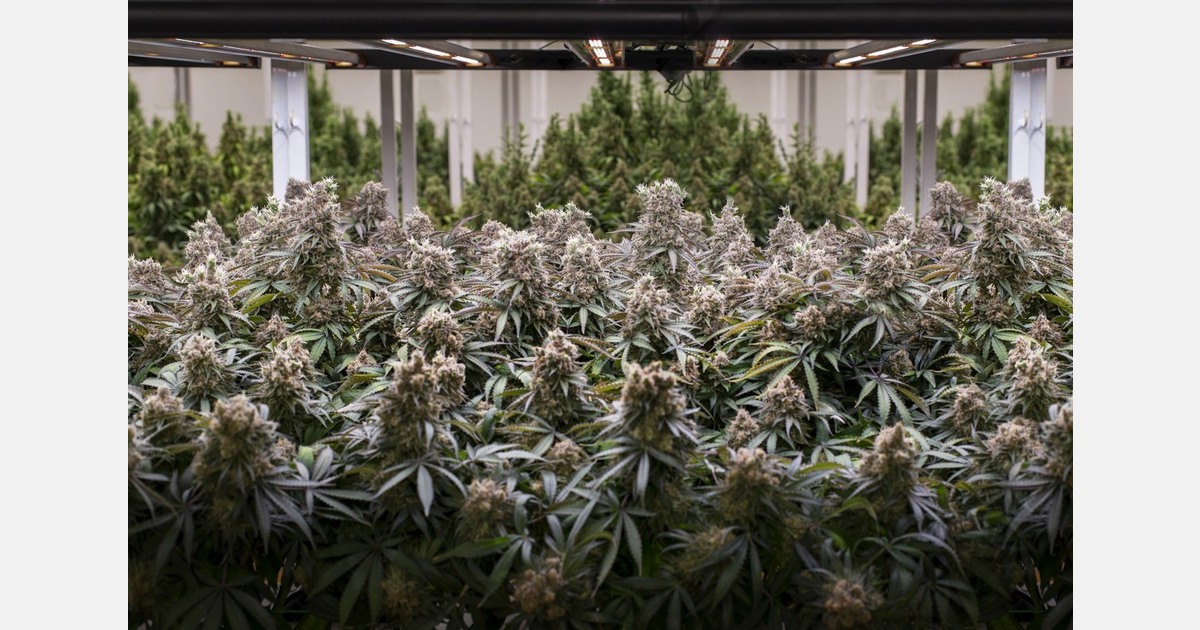
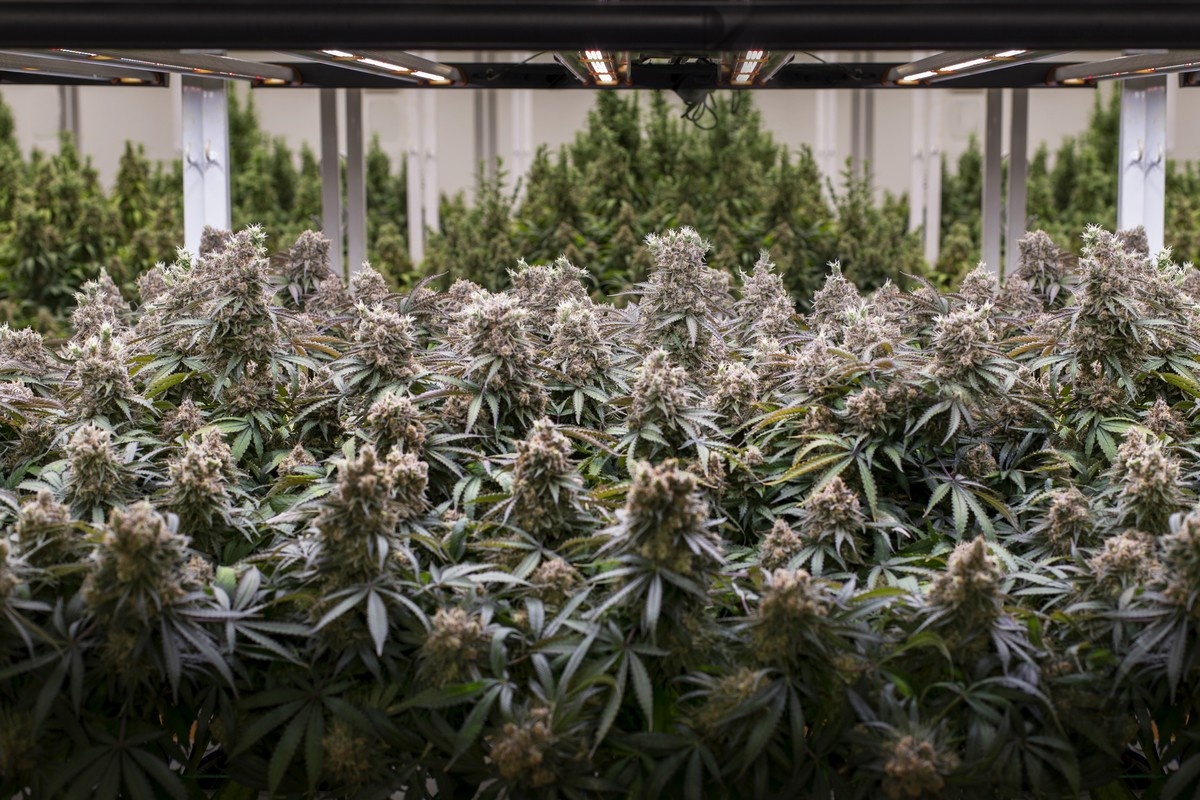
The Somerset County Board of Zoning Appeals approved another special exception for a cannabis-growing facility after negotiations to purchase a previous location failed to reach an agreement.
Trilogy Group LLC was granted a license to grow by the Maryland Cannabis Association, with the condition that the business be operational by July 2026. Trilogy Group wants to operate on the county-owned, undeveloped industrial site on Revell’s Neck Road in Westover. However, this project time frame does not coincide with the license term.
In September 2025, the producer was approved for a special exception for a facility at 4630 Crisfield Highway. The existing building houses Jed’s Auto Refinishing, which would be renovated to accommodate the growing operations. When the sale of that property ultimately failed, Trilogy Group purchased the land at 4381 Crisfield Highway and obtained another special exemption.
Jesse Drewer, Somerset’s Director of Technical and Community Services, said: “They looked for a site they already owned before coming to us and working through the process. “They are landlords and developers all in one.”
Read more at WBOC
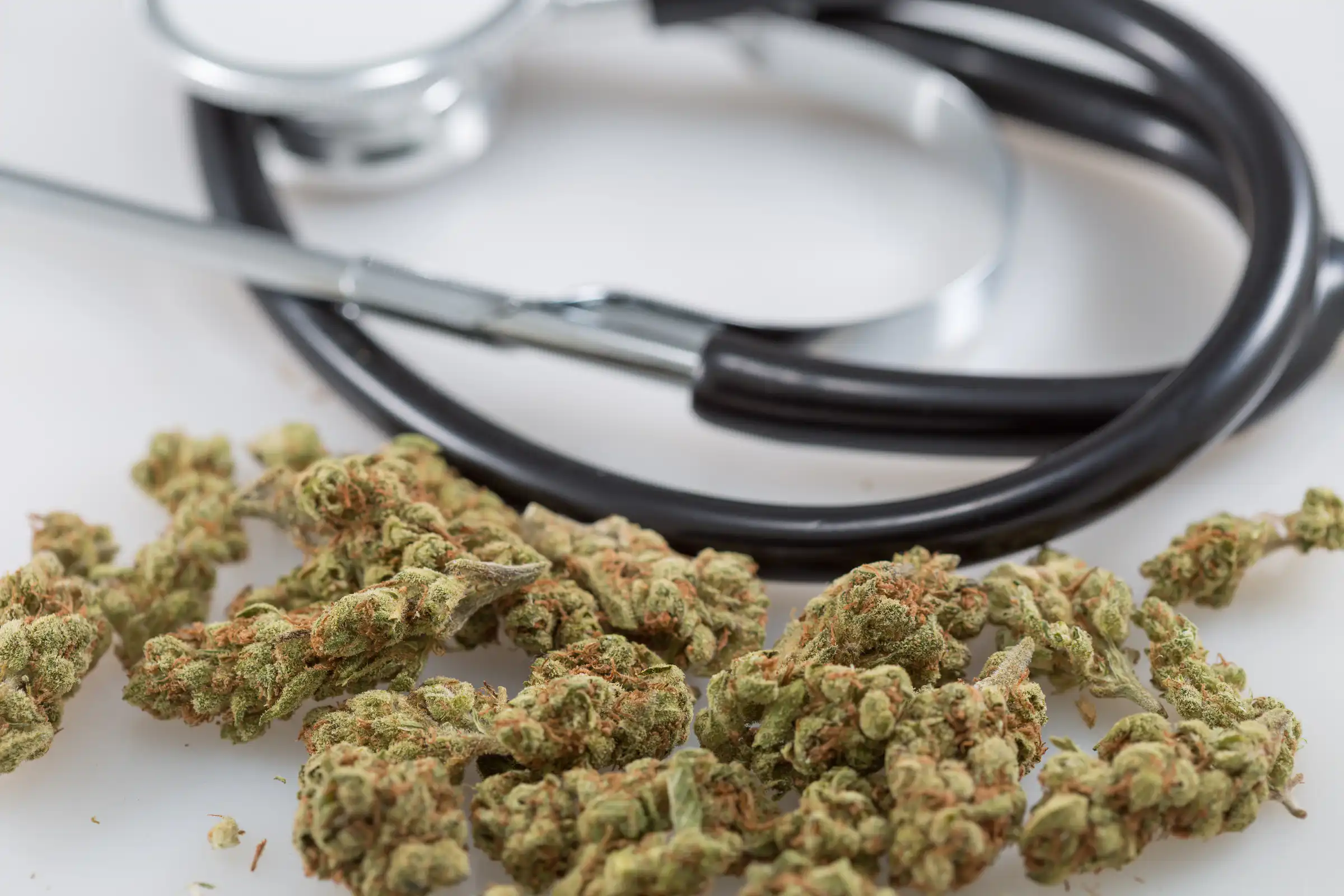
CPC of Missouri-Smithville, LLC and GF Saint Mary LLC, licensed cannabis growers and manufacturers in Missouri, filed a lawsuit in the Circuit Court of Jackson County on behalf of independent wholesalers, alleging that Good Day Farm (GDF) and its network of conspiring companies and investors were harmed by an intentional, coordinated and unconstitutional scheme. The complaint alleges that the “GDF Cartel” illegally controls or manages the state’s share of dispensary licenses and uses that market power to manipulate Missouri’s $1.52 billion cannabis market for its own profit.
GDF and its co-conspirators allegedly built the cartel by arranging for third parties to invest in limited liability companies (LLCs) that then acquire additional dispensaries, cultivation and processing facilities, all of which are owned, operated or controlled by GDF. The result: The alleged cartel exercises effective control over at least 61 dispensaries, nearly triple the 22 allowed by the Missouri Constitution, with more than 10% of dispensary licenses “under substantially common control, ownership or management.” With 224 dispensaries currently licensed statewide, the alleged GDF Cartel controls more than one in four dispensary licenses in Missouri. But its influence is even greater, with alleged Cartel dispensaries accounting for more than 40% of wholesale cannabis in the state, giving it significant — and illegal — influence over all independent growers and manufacturers forced to sell through its network.
To avoid the Missouri Constitution’s 10% licensing limit and avoid regulatory oversight, the alleged cartel operates under five different brand names:
- Good Day Farm (21 dispensaries),
- CODES (20 dispensaries),
- Green light (10 dispensaries),
- Fresh Karma (6 dispensaries), and
- 3 Fifteen Primo (4 medications).
But they’re all part of a single, coordinated operation, the complaint says.
- Purchase cannabis products from non-Cartel wholesalers at artificially depressed prices;
- They supply their 61 dispensaries with the same products—mainly those produced by Cartel growers—significantly excluding products from independent wholesalers;
- Force independent drug wholesalers to purchase the Cartel’s finished products as a condition for their wholesale products to be placed on the Cartel’s drug store shelves; and
- Boycott non-cartel wholesalers who refuse to agree to anti-cartel demands.
Bob Hoffman, one of the attorneys leading the case, said: “The GDF Cartel is removing competition from the wholesale cannabis market and enriching itself with illegal profits through a counterproductive, clandestine business conspiracy. Missouri growers and manufacturers have been suffering under this scheme for a long time; many of them know something is wrong, but we don’t realize how the cartel has manipulated the market through this manipulation framework. Missourians to approve recreational cannabis in 2022 They voted for a fair and competitive market. Missouri licensed cannabis businesses that have suffered these practices should join us because they may be entitled to substantial damages.”
The complaint alleges the financial toll the Cartel has taken: Since the Cartel began illegal price-fixing, it has used its collective market power to lower wholesale prices by more than 20%, and continues to squeeze wholesalers and threaten the viability of their operations.
The unconstitutional complaint alleges that GDF knew its plan to build cartels could create legal risks for the company under the Constitution’s 10% licensing limit. The complaint quotes from a document provided by GDF to potential investors: “There can be no assurance that the Missouri Department of Cannabis Regulation will not dispute the number of marijuana dispensaries operated or supervised by the operator or its affiliates…”.
This action is brought on behalf of a putative class that includes all licensed independent wholesalers in Missouri that are not members of the alleged GDF Cartel for purposes of injunctive relief. Wholesalers who believe they have been financially harmed by the alleged Cartel’s practices should join the case because they may be entitled to substantial damages. The putative class is represented by the law firms of Feuerstein Kulick LLP and Bryan Cave Leighton Paisner LLP.
Source: Feuerstein Kulick LLP and Bryan Cave Leighton Paisner LLP

Strain Hunters Club Spannabis 2022

2nd Half Live from the TEE HC Open in Uxbridge, MA – PCMTV Special on Jimmy Young’s Birthday

🥦7 Essential Grow Tent Setup Tips

CORNBREAD MAFIA | JIM HIGDON [cannabis prohibition history]

Marijuana Retail Report

Cannabis growth facility eyes new spot for growth facility near Crisfield

Trump’s New Surgeon General Pick Said Using Marijuana Can Give You ‘Man Boobs’

Class Action Lawsuit Claims ‘Cartel’ Manipulates Missouri Cannabis Industry

Centurion Pro Solutions Spannabis 2022

Federal Court Calls DEA’s Definition of Hemp, Ambiguous! Cannabis Coast to Coast with Alaina Pinto

“Our system can manage equipment across 10,000+ m² using just a few wires”

Florida Workshop to Discuss What Constitutes a ‘Cartoon’ in Hemp Packaging

Mazar-i-Sharif Hash Wednesday

Re-release of the full show of Cannabis Coast to Coast news. Republican Texas DA Fires Up vs. laws;

From Finance to Wellness: Brad Zerman’s Impactful Pivot

Weak Michigan Cannabis Sales Again in July – New Cannabis Ventures

DEA’s Cole Reverses His “priorities” ; Prohibitionists Dig In; Dead & Co Celebrates 60 years in SF

Afghan Black Hash Wednesday

Your Cannabis Business: Consistent Filings Are Critical

Curaleaf Q2 Revenue Falls 8% – New Cannabis Ventures
-
 Cannabis News8 months ago
“Our system can manage equipment across 10,000+ m² using just a few wires”
-
 Florida9 months ago
Florida Workshop to Discuss What Constitutes a ‘Cartoon’ in Hemp Packaging
-
 Video7 months ago
Mazar-i-Sharif Hash Wednesday
-
 Video9 months ago
Re-release of the full show of Cannabis Coast to Coast news. Republican Texas DA Fires Up vs. laws;
-
 Video9 months ago
From Finance to Wellness: Brad Zerman’s Impactful Pivot
-
 aawh9 months ago
Weak Michigan Cannabis Sales Again in July – New Cannabis Ventures
-
 Video8 months ago
DEA’s Cole Reverses His “priorities” ; Prohibitionists Dig In; Dead & Co Celebrates 60 years in SF
-
 Video7 months ago
Afghan Black Hash Wednesday