
Cannabis News
New CFO announced for TerrAscend

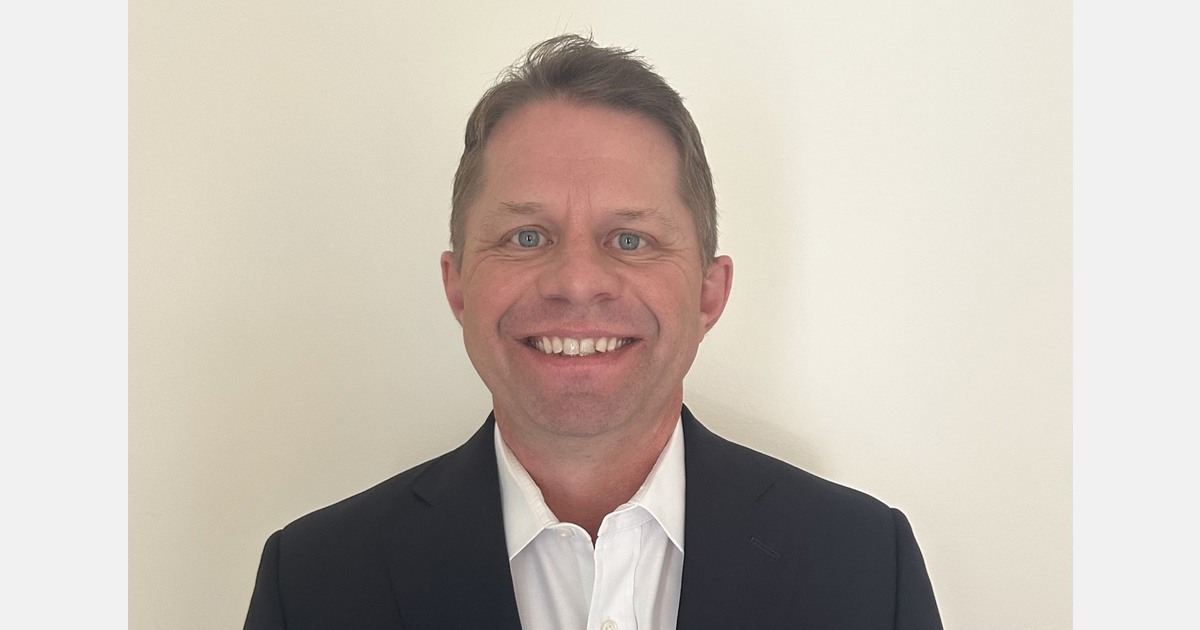
TerrAscend Corp. has announced the appointment of Eric Jackson as Chief Financial Officer, effective April 27, 2026.
“On behalf of the entire TerrAscend team, we are pleased to welcome Eric as our Chief Financial Officer,” said Ziad Ghanem, President and CEO of TerrAscend. “Eric brings a proven track record of financial and operational leadership in complex and competitive retail and consumer businesses. His experience in driving efficiencies, expanding margins and navigating dynamic operating environments will be invaluable as we continue to scale and execute our strategy.”
 © TerrAscend
Mr. Jackson brings more than two decades of financial and operational leadership experience in the retail, consumer and manufacturing sectors. Most recently, he served for more than eight years as Executive Vice President and Chief Financial Officer of American Signature, Inc., a multi-location, omnichannel retailer, where Mr. Jackson oversaw finance, accounting, treasury, analytics, IT, real estate and supply chain functions.
Prior to American Signature, Mr. Jackson spent more than 14 years at L Brands, a publicly traded specialty retailer whose portfolio included Victoria’s Secret, PINK, Bath & Body Works, La Senza and Henri Bendel. He held senior management roles in finance and operations, supporting its large-scale retail and merchandising businesses. Throughout his career, Mr. Jackson has driven operational transformation, optimized cost structures, strengthened liquidity management, improved capital efficiency, and streamlined financial and operational processes to create long-term value.
“I’m excited for TerrAscend to enter an important phase of its growth,” said Eric Jackson. “The company has built a strong foundation in attractive markets, and I look forward to working with the team to improve financial performance, increase operating leverage and drive sustainable long-term value for our shareholders.”
Mr. Jackson holds a Bachelor of Science in Business Administration from the University of Miami and a Master of Business Administration from The Ohio State University.
For more information:
Terrigoera
terrascend.com












Well, it’s not 2026 photos, but with around 600 photos, we definitely did our best. For the past two days, the Netherlands has been the place to be for the global greenhouse industry. From Flower Trials for the horticulture sector, company visits to growers and technical suppliers, as well as dinners, get-togethers, drinks, knowledge sessions and much more. And of course with GreenTech Amsterdam.
The event brought together professionals from around the world to connect, network, share knowledge and do business.
Next week, we’ll be sharing more information on market developments, trends, what’s on display, news, business news, innovations and whatever else you can think of, but for now we’ll stick to photo reporting.
Click here for the photo report.
 © Arlette Sijmonsma | MMJDaily.com
Cannabis News
Illinois Governor Signs Bill To Double Marijuana Possession Limit, Restrict Hemp THC Products And Reform Rules For Businesses


On May 29, 2026, global cannabis technology company CannBro was invited to the Cannabis Expo in Johannesburg to share insights on emerging cannabis-related medical applications and supply chain strategies in the cannabis markets.
At the event, CannBro highlighted its partnership with the CHEEBA Cannabis Academy to promote industry education, compliance awareness and the development of regulatory standards in emerging cannabis markets. The company highlighted the importance of establishing strong regulatory and compliance frameworks for the sustainable growth of the industry.
 © CannBro
As a company certified with ISO 13485 and GMP, CannBro actively explores medical cannabis applications and collaborates with health organizations to discuss potential clinical research and CBD product applications.
 © CannBro
CannBro also introduced the “Factory Pricing + Local Stock” strategy, combining manufacturing capabilities in China with warehouses located overseas, enabling efficient delivery of local inventory. The company currently operates warehouses in the United States, Canada, Germany and South Africa and has helped more than 150 customers with local stock delivery solutions that reduce costs and improve inventory turnover.
In addition, CannBro visited local cannabis cultivation facilities to learn about the evolution of the South African market and explore potential partnerships for cultivation, medical applications and product development.
 © CannBro
Andy Zhao, CEO of CannBro, said: “As the global cannabis market matures, fulfillment and medical applications will become key drivers of sustainable growth. CannBro remains committed to advancing the industry through education, medical research and supply chain innovation.”
For more information:
CannBro Technology
Email: (email protected)
www.cannbro.com

Legalization in NH is on hold again…Weed Talk News with Alaina Pinto, full ABC Blocks

CAN DOGS ENJOY THE BENEFITS OF CANNABIS? | TIM SHU D.V.M.

Marijuana Retail Report

GreenTech Amsterdam 2026 in 2026 photos

Why Pharma Is Taking Cannabis Seriously

Illinois Governor Signs Bill To Double Marijuana Possession Limit, Restrict Hemp THC Products And Reform Rules For Businesses

Pennsylvania Senate Rejects Bill to Create Cannabis Control Board

ANOTHER STEP TO LEGALIZATION? NORMALIZATION? MD GOVERNOR MOORE HISTORIC PARDONS OF THOUSANDS;

REDMAN GETS BLUNT WITH MONTEL

Anti-Rescheduling Parties Ask Court To Stay Schedule III Cannabis Order

“Our system can manage equipment across 10,000+ m² using just a few wires”

Florida Workshop to Discuss What Constitutes a ‘Cartoon’ in Hemp Packaging

Mazar-i-Sharif Hash Wednesday

Afghan Black Hash Wednesday

Weak Michigan Cannabis Sales Again in July – New Cannabis Ventures

From Finance to Wellness: Brad Zerman’s Impactful Pivot

DEA’s Cole Reverses His “priorities” ; Prohibitionists Dig In; Dead & Co Celebrates 60 years in SF

Re-release of the full show of Cannabis Coast to Coast news. Republican Texas DA Fires Up vs. laws;

Your Cannabis Business: Consistent Filings Are Critical

Curaleaf Q2 Revenue Falls 8% – New Cannabis Ventures
-
 Cannabis News10 months ago
“Our system can manage equipment across 10,000+ m² using just a few wires”
-
 Florida10 months ago
Florida Workshop to Discuss What Constitutes a ‘Cartoon’ in Hemp Packaging
-
 Video8 months ago
Mazar-i-Sharif Hash Wednesday
-
 Video8 months ago
Afghan Black Hash Wednesday
-
 aawh10 months ago
Weak Michigan Cannabis Sales Again in July – New Cannabis Ventures
-
 Video10 months ago
From Finance to Wellness: Brad Zerman’s Impactful Pivot
-
 Video10 months ago
DEA’s Cole Reverses His “priorities” ; Prohibitionists Dig In; Dead & Co Celebrates 60 years in SF
-
 Video10 months ago
Re-release of the full show of Cannabis Coast to Coast news. Republican Texas DA Fires Up vs. laws;