
Cannabis News
Kentucky Governor Announces Medical Marijuana Gummies Are Now Available, While Pushing Lawmakers To Approve New Qualifying Conditions


Kentucky’s governor is urging lawmakers to give more patients legal access to medical marijuana, announcing that cannabis gummies can now be purchased at state-licensed dispensaries.
Gov. Andy Beshear (D) said Thursday that his administration has sent a letter urging legislative leadership to pass a bill that lists ALS, Parkinson’s disease, Crohn’s disease, sickle cell anemia, fibromyalgia, glaucoma, terminal illnesses and other conditions as conditions for medical cannabis.
“In most other states that have a medical marijuana program, these are conditions that are covered, and conditions that are deemed appropriate by our board of physicians and counselors,” he said. “Expanding the list could help the approximately 430,000 Kentuckians who currently lack access but face these challenges.”
The governor said state officials are “making great strides” in expanding the medical marijuana program to “increase access for those who are already eligible.”
“We currently have 510 registered professionals and over 18,500 approved cards, and those numbers continue to grow,” Beshear said, adding that regulators are making “steady progress” in accepting businesses at every step of the cannabis supply chain.
“As the supply chain expands, patients are starting to see more options online,” he said. “We can announce that gummies are on the market in Kentucky and showing progress in communities across Kentucky.”
The governor’s latest update comes about a month after he took the podium and said “not happy” with the time it’s taken to roll out the state’s medical marijuana program—but predicts that the pace of patient access will “significantly increase” in 2026.
Also last month, Beshear said two more dispensaries will open their doors “once additional product becomes available.” The The state’s first medical cannabis plant was launched in December.
The governor, who has long championed cannabis reform, he anticipated a market launch that monthwhile claiming that medical marijuana will help thousands of patients find an alternative to opioids for pain management.
He at the end of October it passed the milestone of registering 15,000 patientsbut that has grown significantly in recent weeks.
Beshear previously acknowledged that “it’s taken longer than we would have liked” to sustain the industry since he signed off on legalizing medical marijuana in 2023.
Considering this delayed implementation, he signed an executive order this year to waive renewal fees for patients who get the cards so that they are not charged again before the stores open. And another order he signed to provide protections for qualified patients who obtain medical marijuana outside of Kentucky “will remain in place.”
Beshear announced separately that in May the state launched a new online directory that allows people to see where medicinal cannabis will open next to them
He noted that the state is working to provide access to patients “as soon as possible,” which includes speeding up the licensing process. Last January, so did the governor ceremoniously issued the first medical marijuana cards in the commonwealth.
—
It’s Marijuana Time tracking hundreds of cannabis, psychedelic and drug policy bills in state legislatures and Congress this year. Patreon supporters by pledging at least $25/month, you’ll get access to our interactive maps, charts, and audio calendars so you never miss a development.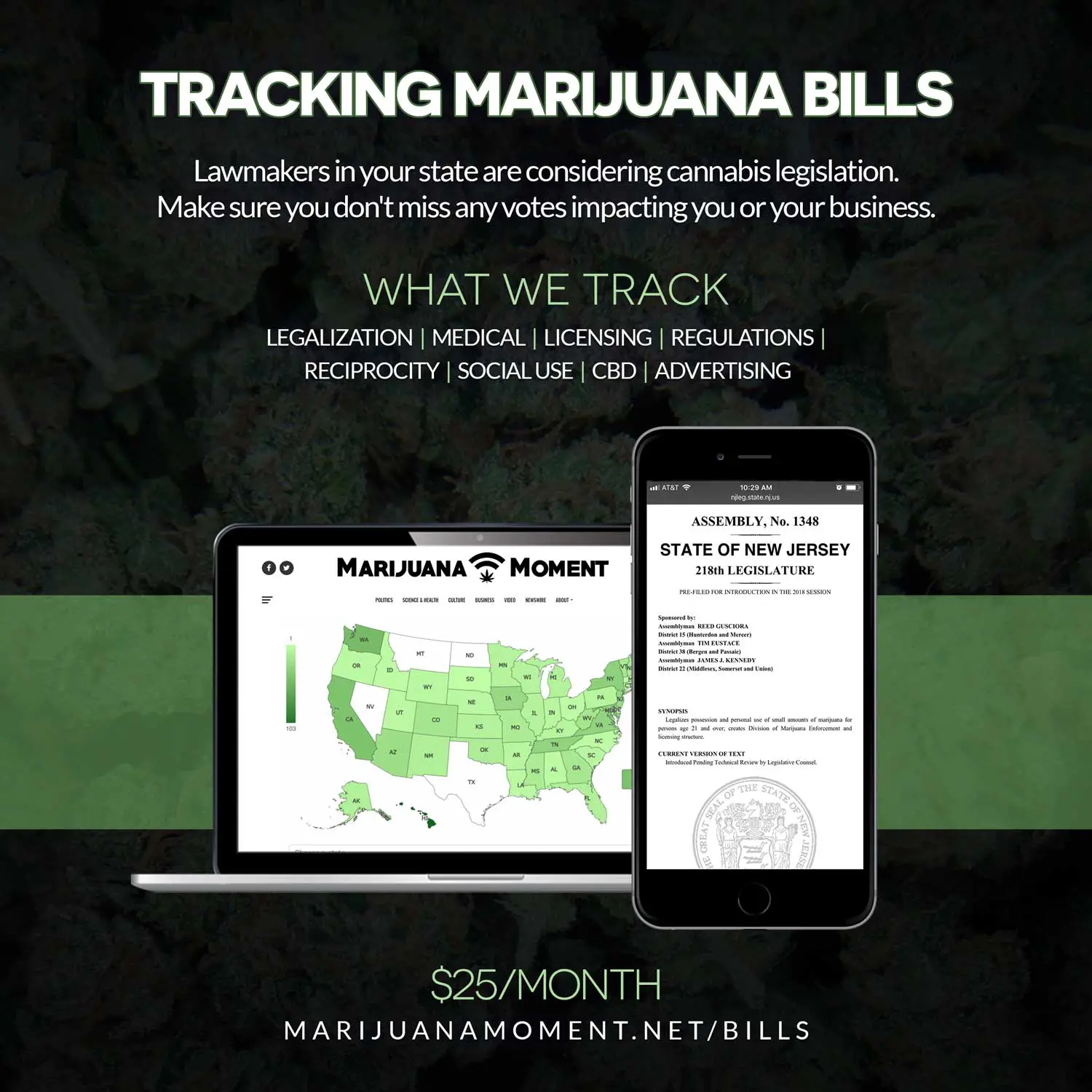
Learn more about our marijuana bill tracking and become a Patreon supporter to gain access
—
Meanwhile, the governors sent a letter to Kentucky’s congressional delegation last yearurging them to “take decisive action to protect the constitutional rights of our law-abiding medical cannabis patients” by repealing the federal ban on possession of firearms by marijuana users.
Bipartisan Kentucky senators introduced similar legislation asked the federal representatives of the state to take corrective measuresBeshear said he agrees but would I would like to see even more significant changes at the federal level.
The federal Bureau of Alcohol, Tobacco, Firearms and Explosives (ATF) warned Kentucky residents that in 2024, if they choose to participate in the state’s medical marijuana program, they will be prohibited from buying or possessing firearms under federal law.
Health professionals have been able to Patients began to evaluate the recommendations from the beginning of last December.
While there are currently no operational dispensaries for patients, Beshear also confirmed that an executive order he signed in 2023 will be in place in the interim, protecting patients. Those with medical cannabis purchased from licensed out-of-state retailers.
In the November 2024 election, Kentucky also saw more than 100 cities and counties pass local ordinances to allow medical cannabis businesses in their jurisdictions. The governor said the election results show that “the jury is no longer out” on the issue this is clearly supported by voters across party and geographic lines.
Marihuana Moment is made possible with the help of readers. If you rely on our pro-cannabis journalism to stay informed, consider a monthly Patreon pledge.







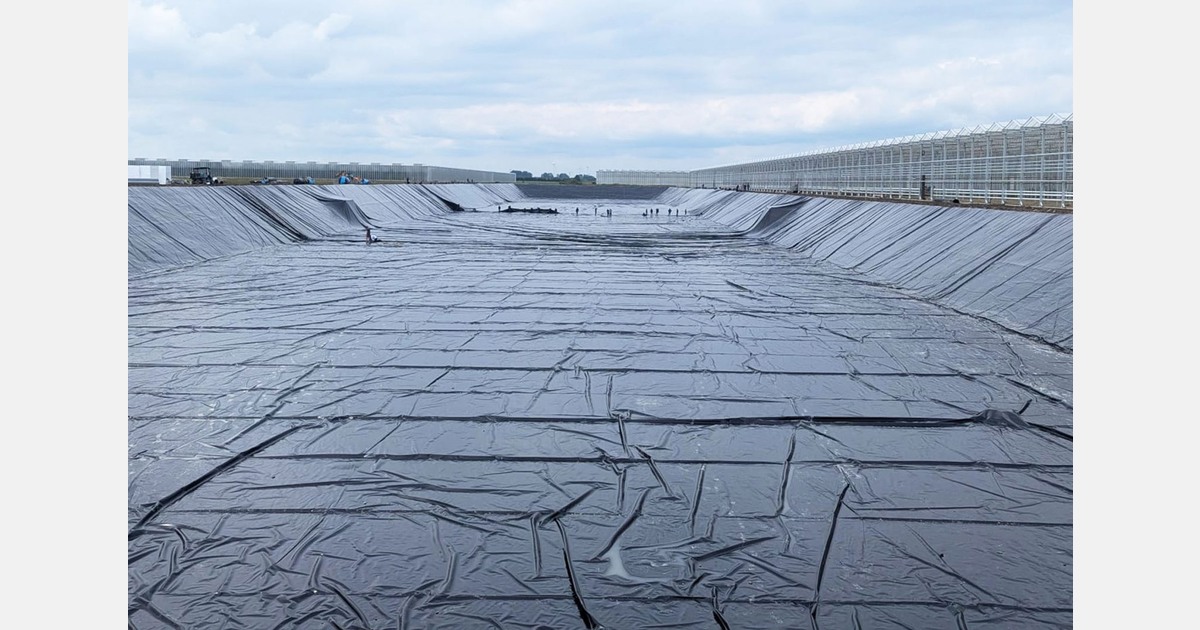
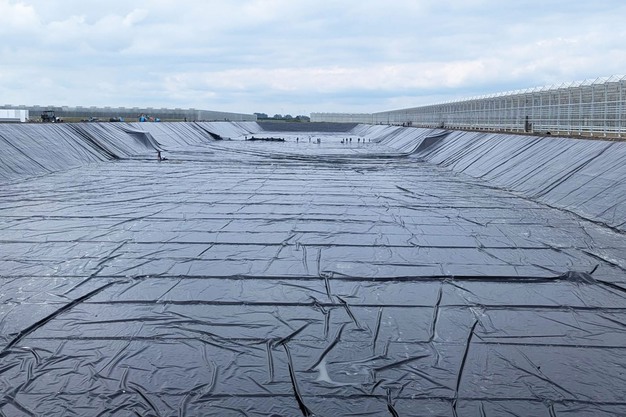
On its 125th anniversary, the Dutch company Albers Alligator has joined AVAG, the Dutch association of greenhouse technology suppliers. The decision reflects the intention of owners Michael van der Windt and Lennard Blijdorp to raise the company’s reputation in the market. The two friends took up residence in Wageningen two years ago. The company specializes in manure storage and covering for the agricultural sector, and is known in the horticulture industry for its water storage and water covering products.
Like many Dutch horticultural suppliers, Albers Alligator operates internationally. Van der Windt and Blijdorp saw a strong future in the business and acquired the shares of the previous owner Ronald Edel in 2024. “Global food production is increasing. Fresh water is a challenge in every country. It is an increasingly serious international problem. Producers around the world are increasingly recognizing the importance of good water management,” says Michael van der Windt.
The history of Albers Alligator dates back to 1901. The former family business began as a leather and tannery business. “The best leather at the time came from alligators,” explains Van der Windt, referring to the company’s distinctive name. “We have updated the brand over the years, but the name and the crocodile in the logo had to remain.” Innovation has been constant throughout the company’s history. “We experiment a lot and we’re not afraid of a challenge, how can you make something even better? That’s in the DNA of this company.”
 © AVAG
Prefab at home
Recent product developments include SiloDome, a dome structure that completely covers water silos, if available, and Multi-F Solar, a floating photovoltaic installation that simultaneously covers water basins. Albers Alligator also handles basin installation. All components are prefabricated in house, and one or two supervisors travel with international projects.
International growth
Historically, the Albers Alligator was the strongest in the Netherlands and neighboring countries. Under the new management, the number of international projects will grow rapidly. “We are very ambitious. We have completed many projects in the United States, and we are active in Scandinavia, Japan and Canada, where we completed our largest project to date: a basin measuring 500 meters long and 150 meters wide. Projects in the Netherlands continue to be challenging and equally rewarding.”
‘Time to show more of ourselves’
As part of the partnership, Lennard Blijdorp focuses on internal operations, while Michael van der Windt takes on an externally-facing role. Increased visibility is a key reason for introducing AVAG. “In the Netherlands, many projects are entered through dealers and ground contractors; internationally, we work with large greenhouse builders and installers. Many of our dealers are already members of AVAG. That’s where your industry members are. We have a well-known name, they know Albers Alligator in the Netherlands and abroad. But we think it’s time to make ours even more visible.”
For more information:
ONE
(email protected)
www.avag.nl
Albers Alligator
(email protected)
https://albersalligator.com/
Cannabis News
Pennsylvania Governor Says Legalizing Marijuana Will Raise Revenue To Support Kids And Public Safety Programs
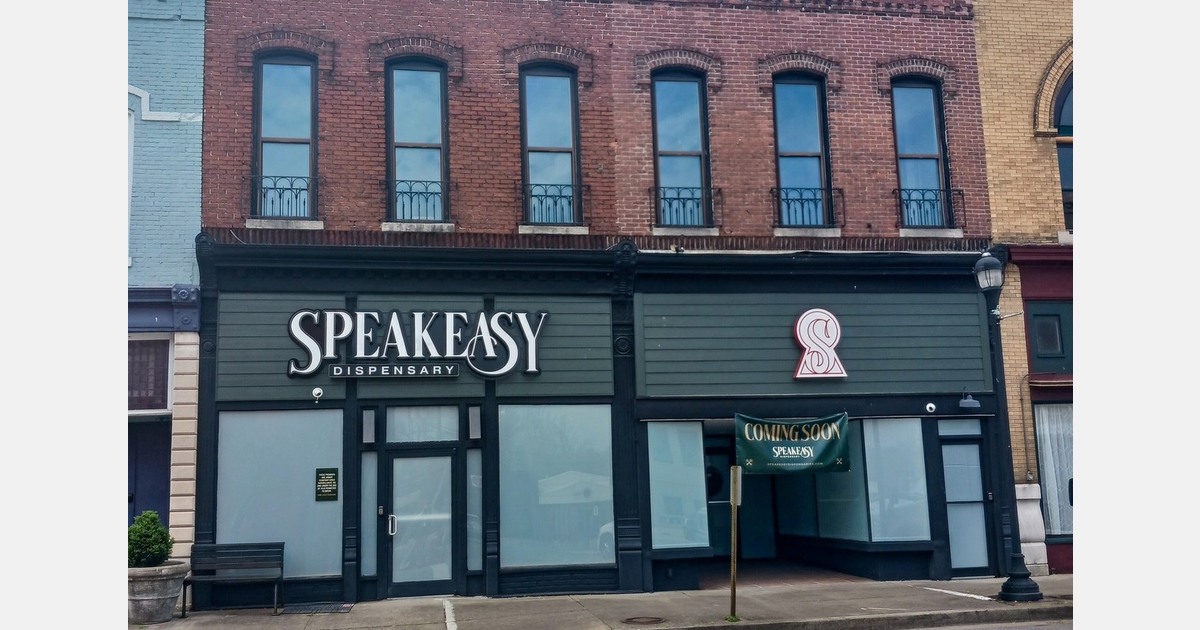
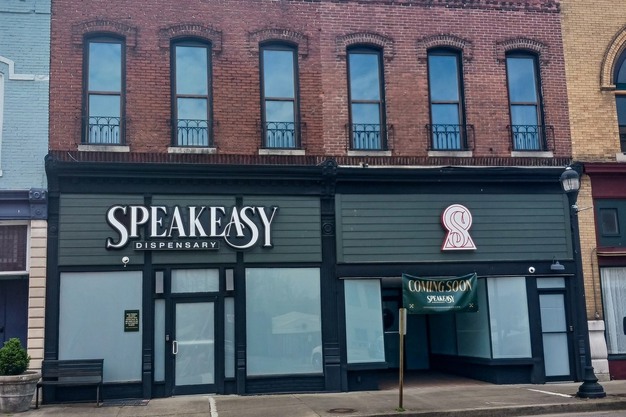
Speakeasy Dispensary will officially open its newest medical cannabis location in Kentucky at 108 E. Main St., Princeton, KY 42445, further expanding access to patients in Caldwell County and surrounding communities.
The dispensary will open at 11:00 a.m. on Friday, April 10 for registered medical cannabis patients.
Located in the heart of downtown Princeton, the space reflects Speakeasy’s vision to blend local character and a comfortable, patient-first experience. The carefully designed environment provides a welcoming entrance before patients enter the main sales floor, where trained team members provide personalized guidance and education tailored to the individual’s needs.
“Each new location is an opportunity to meet patients where they are,” said Casey Flippo, CEO of Gold Leaf Management. “Communities like Princeton are an important part of Kentucky’s medical cannabis program, and expanding access here means more patients can explore safe and regulated options closer to home. As the program continues to take shape, our focus remains on building something reliable, accessible and rooted in long-term care.”
Opening weekend will feature a low-cost patient drive, offering new and existing patients an affordable and streamlined way to obtain or renew their Kentucky cannabis license.
 © Speakeasy Dispensary
In partnership with the Kentucky Cannabis Industry Association and LexMed & Wellness, patient tours will be held Friday, April 10th from 11:00am to 7:00pm and Saturday, April 11th from 11:00am to 5:00pm. Appointments will be made with a licensed provider in a mobile unit on site, so patients can complete the entire process, including assessment, notary and state filing, in one visit.
Patients can register for an appointment by clicking here. The appointment fee is $25, and an additional $25 state fee must be paid when submitting documents to the state portal. The $25 state fee is waived for anyone who received a valid medical card in 2025.
As Kentucky’s medical cannabis market continues to develop, product availability and selection will continue to grow along with additional growers and processors entering the space. In addition to flowers and gummies, Speakeasy Princeton plans to have an extensive menu soon after opening, which will include vapes and concentrates, along with a new variety of gummies. Speakeasy continues to focus on providing a consistent education-first experience supported by strong statewide partnerships.
For more information:
Speakeasy Dispensary
speakeasydispensaries.com/

TobaGrown Pre-Rolled Joint

Cannabis Coast to Coast News with Alaina Pinto The B Block – Reports from AZ, NV,TX, and Michigan

Is This The END Of Delta-8 & THC-A? 2023 Farm Bill

WHEN WILL CANNABIS BE LEGAL? | KAREN O’KEEFE

Marijuana Retail Report

Time to show us more

Pennsylvania Governor Says Legalizing Marijuana Will Raise Revenue To Support Kids And Public Safety Programs

Washington, D.C. Mayor Proposes Partnerships Between Medical Cannabis Companies and Breweries

Grape Cake Marijuana Monday

The C Block of Cannabis Coast to Coast News-

“Our system can manage equipment across 10,000+ m² using just a few wires”

Florida Workshop to Discuss What Constitutes a ‘Cartoon’ in Hemp Packaging

Mazar-i-Sharif Hash Wednesday

From Finance to Wellness: Brad Zerman’s Impactful Pivot

Re-release of the full show of Cannabis Coast to Coast news. Republican Texas DA Fires Up vs. laws;

Weak Michigan Cannabis Sales Again in July – New Cannabis Ventures

DEA’s Cole Reverses His “priorities” ; Prohibitionists Dig In; Dead & Co Celebrates 60 years in SF

New Hampshire Governor Says Federal Marijuana Rescheduling Won’t Change Her Opposition To Legalization

Your Cannabis Business: Consistent Filings Are Critical

Texas DA Partakes on Tik Tok to prove a point; Boston Sheriff arrested for Extortion of $ w/ Ascend
-
 Cannabis News8 months ago
“Our system can manage equipment across 10,000+ m² using just a few wires”
-
 Florida8 months ago
Florida Workshop to Discuss What Constitutes a ‘Cartoon’ in Hemp Packaging
-
 Video6 months ago
Mazar-i-Sharif Hash Wednesday
-
 Video8 months ago
Re-release of the full show of Cannabis Coast to Coast news. Republican Texas DA Fires Up vs. laws;
-
 Video8 months ago
From Finance to Wellness: Brad Zerman’s Impactful Pivot
-
 aawh8 months ago
Weak Michigan Cannabis Sales Again in July – New Cannabis Ventures
-
 Video7 months ago
DEA’s Cole Reverses His “priorities” ; Prohibitionists Dig In; Dead & Co Celebrates 60 years in SF
-
 Cannabis News8 months ago
New Hampshire Governor Says Federal Marijuana Rescheduling Won’t Change Her Opposition To Legalization