
Cannabis News
Hemp sector at risk as last minute shutdown bill adds language targeting intoxicating products


The bill passed by the United States Senate to reopen the federal government includes language that could effectively shut down the country’s current hemp sector. Buried in the 141-page funding package is a provision that would ban the sale of unregulated intoxicating hemp-derived products, including delta-8 THC, and would change the definition of hemp in a way that would make most existing products illegal.
The word came a day before the vote, after pressure from states and parts of the marijuana industry. Hemp operators have long argued that resistance to hemp has a lot to do with safety and market protection, noting that calls for restrictions are most organized where marijuana is legal.
According to the US Hemp Bureau, “If passed, this legislation would wipe out 95% of the industry, shut down small businesses, and shut down America’s farms at a cost of $1.5 billion in lost tax revenue to states.”
Under language now attached to the funding bill, any hemp-derived product would have to meet strict limits for human or animal consumption. It could not contain more than 0.3 percent total THC and no more than 0.4 milligrams total THC in the entire package. Cannabinoids should be naturally occurring in the plant. Compounds produced by chemical conversion or other manufacturing methods would be prohibited. In practice, this would remove most intoxicating hemp products from gas stations, online stores, and corner stores across the country.
Supporters say the measure would close a loophole that has allowed intoxicating hemp products to spread without oversight. Opponents say it would stifle the hemp economy by leaving CBD and industrial hemp uses alone.
The conflict came to a head in Kentucky, where the two state senators found themselves on opposite sides. Senator Rand Paul warned that the language would kill an entire industry and hurt farmers and small businesses. He summarized the bill, Sharing in X that the provision has nothing to do with reopening the government and would hurt Kentucky agriculture.
The voices of the industry line up behind this vision. Tilray Brands stated: “As a leader in the hemp industry, Tilray Brands strongly supports forward-thinking smart regulation, not bans that stifle innovation, threaten small businesses and reduce consumer choices. The hemp language buried in the government’s funding bill is misguided, misguided in consumer interests, and misplaced in law.
The company added that responsible operators already comply with state regulations and called on Congress to work with the industry instead of passing restrictions that would eliminate an entire product category.
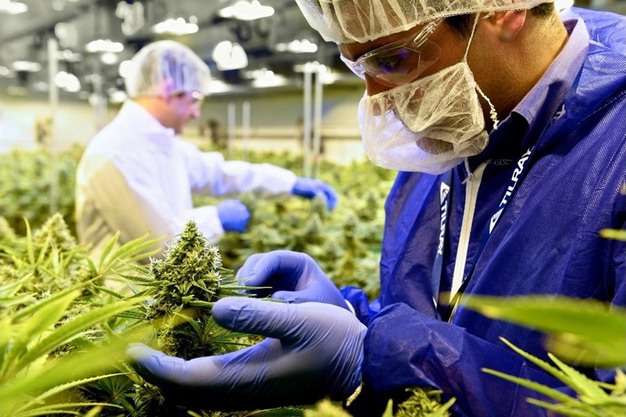 © Tilray Marks
Others are putting data on the table. “The data shows that adults are using hemp beverages responsibly to relax, reduce alcohol consumption and feel better without high levels of intoxication,” said Kevin Provost, CEO of MoreBetter. Chief Operating Officer Tyler Dautrich added, “This is not a legalization debate, this is a data-driven public health issue.
“Our industry is being used as a pawn by leaders as they work to reopen the government. Recriminalizing hemp will force American farms and businesses to close and disrupt the well-being of countless Americans who depend on hemp,” said Jonathan Miller, General Counsel of the U.S. Hemp Roundtable.
The hemp-derived beverage segment alone represents $1 billion in annual sales, largely driven by small businesses and supporting farmers, processors and retailers. A recent national poll shows that more than 70 percent of Americans want hemp products to be legal and available.
The Senate passed the bill 60 to 40. The House has yet to vote. The stakes are clear. If the language doesn’t change, the government could reopen the market for hemp-cannabinoids while they disappear.















Over the past week, many news organizations have been running exaggerated headlines about a supposed change by the federal government to allow marijuana to be brought into airports and airplanes. But it’s not true, the Transportation Security Administration (TSA) tells Marijuana Moment.
“TSA’s policy on medical marijuana has not changed,” a TSA spokeswoman said in an email Wednesday.
“According to the TSA website: If any illegal substance or evidence of criminal activity is found during the security screening, TSA will refer the matter to law enforcement,” they said. While it’s true that the agency’s list of medical marijuana “What can I bring?” section of its website was updated on April 27, there were no major changes in policy.
Currently, the website says “Yes,” passengers can carry medical marijuana in carry-on and checked bags with special instructions. But the TSA cannabis policy has said “Yes” to medical marijuana, with the same caveats, since 2019.
Read more at Marijuana Moment
Cannabis News
Alabama Officials Move To Delay Automatic Rescheduling Of Marijuana Under State Law Following Trump’s Federal Move
California officials are making additional reforms to help the state’s marijuana businesses take advantage of federal tax and other benefits under the Trump administration’s redistricting move.
Specifically, the Department of Cannabis Control (DCC) proposed emergency regulations on Monday to allow companies with current licenses that use both medical and adult marijuana to secure a secondary license through a simplified process to separate the segments of their operations, as federal planning changes currently only cover medical cannabis.
Under the DCC’s proposal, marijuana companies could “create a second entity and hold two separate licenses (one for adult use and one for medicinal use) on the same premises” under the expedited regulations.
“DCC is working to make this pathway available due to the timing and uncertainty of the federal process,” the department said. “Additional operational components (such as tracking and tracing requirements, local permitting, tax collection, and other implementation issues) are still being evaluated and will be addressed through future guidance or rulemaking as needed.”
Read more at Marijuana Moment

Weed Talk News Special Report:1v1 Legalization Update with Morgan Fox Political Director NORML

DISCOVERING CANNABIS AND COMEDY | MIKE GLAZER

Marijuana Retail Report

TSA clarifies that cannabis policy has not changed

MariMed Believes Strong Brands Win Long Term Growth

Alabama Officials Move To Delay Automatic Rescheduling Of Marijuana Under State Law Following Trump’s Federal Move

FundCanna Secures $60M Credit Line to Expand Cannabis Lending

Coast to Coast Cannabis News in the B Block of Weed Talk News the week of 8/5-24

2020 CANNABIS JOB REPORT | SPECIAL EDITION

Marijuana Retail Report

“Our system can manage equipment across 10,000+ m² using just a few wires”

Florida Workshop to Discuss What Constitutes a ‘Cartoon’ in Hemp Packaging

Mazar-i-Sharif Hash Wednesday

Afghan Black Hash Wednesday

Weak Michigan Cannabis Sales Again in July – New Cannabis Ventures

Re-release of the full show of Cannabis Coast to Coast news. Republican Texas DA Fires Up vs. laws;

From Finance to Wellness: Brad Zerman’s Impactful Pivot

DEA’s Cole Reverses His “priorities” ; Prohibitionists Dig In; Dead & Co Celebrates 60 years in SF

Texas DA Fires Up for Change! Mass. Sheriff arrested on Extortion charges; GOP vs Industry in state

Your Cannabis Business: Consistent Filings Are Critical
-
 Cannabis News9 months ago
“Our system can manage equipment across 10,000+ m² using just a few wires”
-
 Florida9 months ago
Florida Workshop to Discuss What Constitutes a ‘Cartoon’ in Hemp Packaging
-
 Video8 months ago
Mazar-i-Sharif Hash Wednesday
-
 Video8 months ago
Afghan Black Hash Wednesday
-
 aawh9 months ago
Weak Michigan Cannabis Sales Again in July – New Cannabis Ventures
-
 Video9 months ago
From Finance to Wellness: Brad Zerman’s Impactful Pivot
-
 Video9 months ago
Re-release of the full show of Cannabis Coast to Coast news. Republican Texas DA Fires Up vs. laws;
-
 Video9 months ago
DEA’s Cole Reverses His “priorities” ; Prohibitionists Dig In; Dead & Co Celebrates 60 years in SF