
Cannabis News
More CO2 in the atmosphere is making food crops more calorific, less nutritious and potentially more toxic


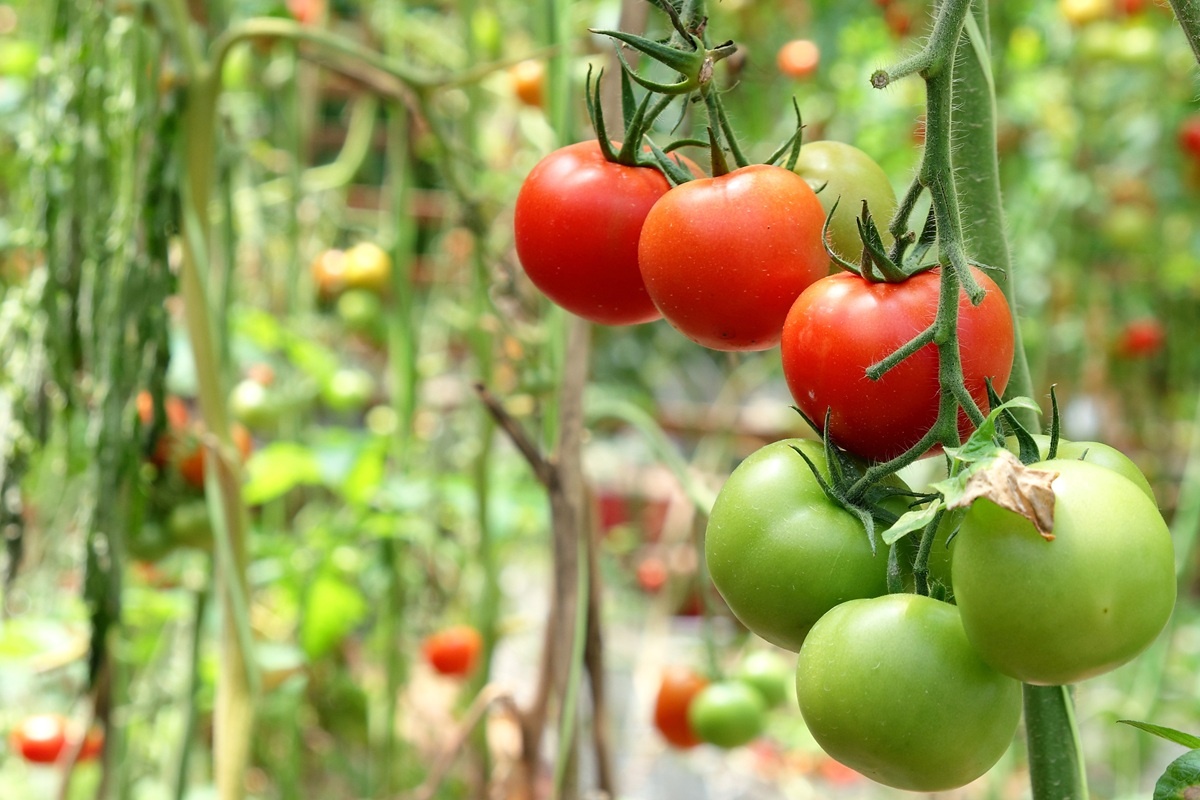
More CO2 in the atmosphere is making food more calorific, less nutritious and potentially more toxic. If we do not intervene, this can lead to malnutrition, even in population groups that currently have enough to eat. These are the findings of the Leiden study published in the journal Global Change Biology.
Someone who eats a healthy diet of rice and tomatoes today may not be getting enough essential nutrients in the future. The increase in CO2 in the air is reducing the nutritional quality of crops: they contain less zinc, iron and protein, for example. These nutrients are decreasing by an average of 4.4%, but some are decreasing by 38%. At the same time, the number of calories is increasing, which can lead to obesity. The concentration of harmful substances such as lead may also be increasing, although more data are needed to investigate this.
Wake up call
All over the world, many people depend on rice or wheat for food. Both crops experience a significant decline in essential nutrients as CO2 levels rise. The decline in nutritional value can have a significant impact on people’s health – even if there is enough food – and can lead to malnutrition. Environmental scientist Sterre ter Haar sees her study as a calling. “With food security, we often think about whether people can fill their bellies or not. Our research highlights that food security also means food security. We have to pay more attention to that.”
Comparing data from different studies
The researchers analyzed and compared crop data from different studies. In these studies, researchers grew crops at various CO2 levels. Although a large amount of data was available, the different concentrations of CO2 used made it difficult to compare the studies. However, the Leiden researchers studied found that the effect of CO2 levels on plant growth was linear: if the CO2 level doubles, the nutrients are also affected. This allowed the researchers to make a baseline measurement, allowing them to compare the data. A total of 43 crops were studied, including rice, potatoes, tomatoes and wheat.
How realistic is this scenario?
Crops for different studies were grown under experimental conditions both indoors and outdoors. How realistic is it that our food will be more caloric, more nutritious and more toxic? “The CO2 level for the baseline measurement was 350 parts per million (ppm) and we looked at what would happen at 550 ppm, the level we can reach in our lifetime,” said researcher Sterre ter Haar. “Today we live at 425 ppm, so we are already halfway through this model.” According to the researchers, the results show that our diet is already less nutritious than it was a few decades ago. In the future we will have to adjust our diet.
More research is needed
The Leiden researchers hope that this study will stimulate further research into the impact of CO2 not only on other crops, but also on whether climate change affects our food differently and how we can adapt crops to climate change. Can we grow them differently in greenhouses, for example? “Fortunately, there is a lot of innovation in the Dutch food sector and we have strong research institutions that can study it,” says Ter Haar. “We can really move forward together.”
You can read the full study at the link here.
Source: University of Leiden







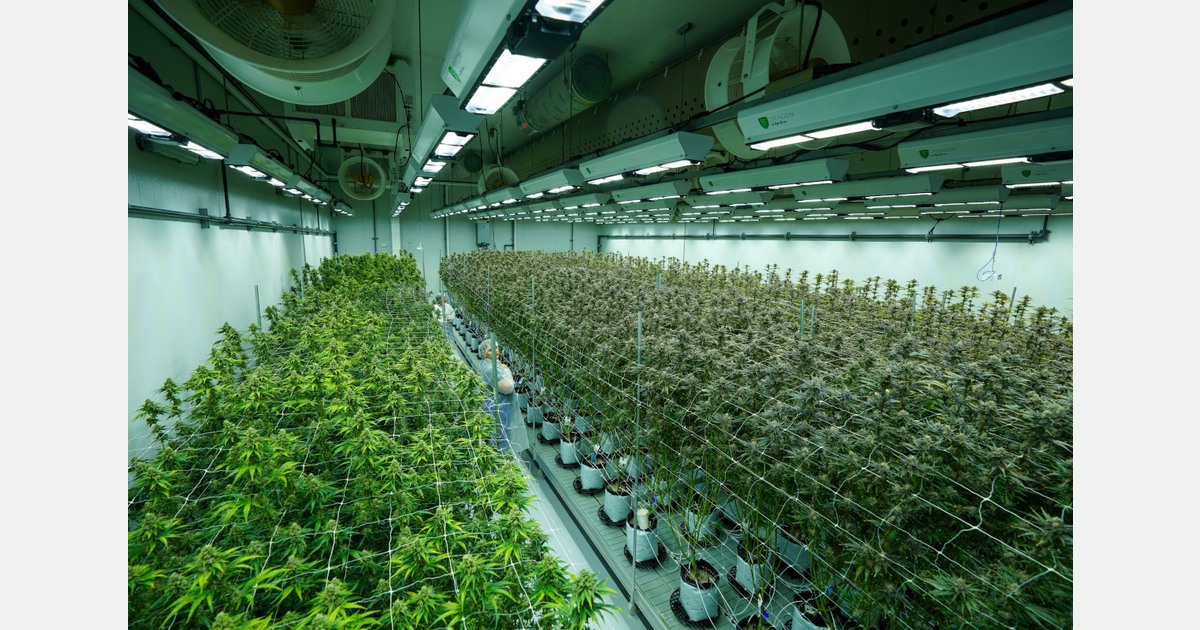
Planet 13 Holdings has appointed the Honorable Nancy Saitta and Leilani Bradford as independent directors, filling two newly created seats on the Board, effective April 24, 2026. Justice Saitta brings two decades of judicial experience, including service as Chief Justice of the Nevada Supreme Court. Ms. Bradford brings over 20 years of real estate financing and transaction structuring experience. Both appointments broaden the Board’s independent representation and deepen governance, law enforcement and real estate. Both directors have been appointed to the Audit Committee, the Compensation Committee and the Corporate Governance and Nomination Committee.
“Justice Saitta brings a depth of judicial and governance experience that few public company boards have direct access to,” said Bob Groesbeck, co-chairman and co-CEO of Planet 13. “His 20 years on the Nevada bench, including leadership on the state’s highest court, will strengthen our oversight as we operate in an industry where regulatory rigor and disciplined decision making are essential.”
“As a Las Vegas company, we are proud to welcome two outstanding members of our local community to the Board,” said Larry Scheffler, co-chairman, CEO and co-founder of Planet 13. “Ms. Bradford has spent more than two decades building a reputation for Las Vegas real estate, structuring complex transactions and developing innovative financial disciplines that will continue to directly improve our financial growth and transaction models. opportunities.”
 © Planet 13
Judge Saitta served as a member of the Nevada Judiciary for 20 years, including from 2007 to 2016 and from 2007 to 2016 and from 2011 to 2012. from 1996 to 1998. Earlier in his career, he served as the Nevada State Attorney General and Children’s Advocate and practiced law in private practice. Since 2017, Saitta has served with Advanced Justice Resolution Management as a mediator, arbitrator, special master, consultant and private judge, and continues as a senior district judge for the Nevada Supreme Court. Justice Saitta received her JD from Wayne State University School of Law and her BA from Wayne State University.
Since 2005, Ms. Bradford has served as a principal and director of SHEQ Properties, a Las Vegas-based real estate company. While at SHEQ, he has played a key role in the sourcing, underwriting and structuring of transactions, particularly in the medical and professional property sectors, and developing the company’s Shared Equity Model, which provides ownership options to physicians and service providers in connection with long-term lease agreements. Prior to joining SHEQ, Ms. Bradford had a career in accounting and finance. He is a Certified Public Accountant and earned a Bachelor of Science in Accounting from the University of Nevada, Reno.
For more information:
Planet 13
(email protected)
planet13lasvegas.com
Cannabis News
Marijuana Opponents File Lawsuit To Block Trump Administration’s Federal Rescheduling Move



Plans for a major cannabis development along Interstate 10 in Desert Hot Springs have been shelved, and the project could now become a 1.16 million-square-foot distribution warehouse. This change comes at a time when the cannabis industry is struggling with the problems of a saturated and high market.

Early Lemon Berry X Critical Mass CBD Hash Wednesday

PCMTV Founder – Jimmy’s Young’s Birthday Live Stream Coming September 3rd 2024

🌱Home Grown Buds: The Surprising Truth

JOINTS FOR JABS | ADAM EIDINGER [cannabis activism]

Marijuana Retail Report

Planet 13 announces new appointments to Board of Directors

Marijuana Opponents File Lawsuit To Block Trump Administration’s Federal Rescheduling Move

Study: Most Americans Support Federal Reclassification of Cannabis

Remo’s Week 4 Garden Update

DEA Delays Rescheduling Broke After Monday’s Release of the Full Show Weed Talk News w/ Alaina Pinto

“Our system can manage equipment across 10,000+ m² using just a few wires”

Florida Workshop to Discuss What Constitutes a ‘Cartoon’ in Hemp Packaging

Mazar-i-Sharif Hash Wednesday

Afghan Black Hash Wednesday

Re-release of the full show of Cannabis Coast to Coast news. Republican Texas DA Fires Up vs. laws;

Weak Michigan Cannabis Sales Again in July – New Cannabis Ventures

From Finance to Wellness: Brad Zerman’s Impactful Pivot

DEA’s Cole Reverses His “priorities” ; Prohibitionists Dig In; Dead & Co Celebrates 60 years in SF

Your Cannabis Business: Consistent Filings Are Critical

Curaleaf Q2 Revenue Falls 8% – New Cannabis Ventures
-
 Cannabis News9 months ago
“Our system can manage equipment across 10,000+ m² using just a few wires”
-
 Florida9 months ago
Florida Workshop to Discuss What Constitutes a ‘Cartoon’ in Hemp Packaging
-
 Video7 months ago
Mazar-i-Sharif Hash Wednesday
-
 Video7 months ago
Afghan Black Hash Wednesday
-
 Video9 months ago
Re-release of the full show of Cannabis Coast to Coast news. Republican Texas DA Fires Up vs. laws;
-
 aawh9 months ago
Weak Michigan Cannabis Sales Again in July – New Cannabis Ventures
-
 Video9 months ago
From Finance to Wellness: Brad Zerman’s Impactful Pivot
-
 Video8 months ago
DEA’s Cole Reverses His “priorities” ; Prohibitionists Dig In; Dead & Co Celebrates 60 years in SF