
Connect with us

adult use

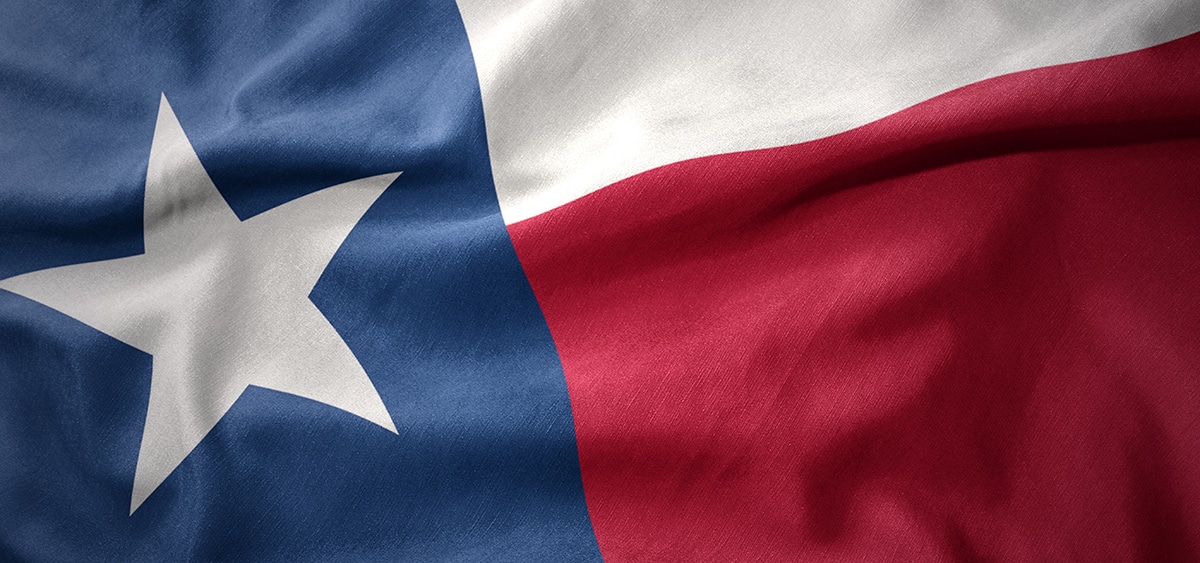
Texas Ban on Intoxicating Hemp Flower and Vapes Takes Effect

Published

on

Texas Ban on Intoxicating Hemp Flower and Vapes Takes Effect

The sale of intoxicating hemp flower products and vaporizers is now banned in Texas under new rules that went into effect on March 31. yardstick reports.

Department of State Health Services (DSHS) approved rule changes in early March, when officials approved the agency’s final hemp product regulations.

The state now limits THCA content in hemp products, which previously did not count toward the federal limit of 0.3% delta-9 THC. While THCA itself is not intoxicating, it is converted to delta-9 THC during the decarboxylation process, which occurs when the cannabinoid is heated, smoked, or vaporized. The change only affects sales of hemp products, not possession, but it targets nearly all hemp-derived flower, pre-roll and vapor products previously available in the state.

Other changes under the new regime include significantly higher licensing fees for sellers and manufacturers of hemp products. Licensing costs for hemp producers have increased from about $250 to $10,000 for both initial and annual renewal fees, while licensing and renewal fees for retailers of hemp products have increased from $155 to $5,000.

The rules also tighten packaging and testing requirements for THC hemp products that remain available, including infused foods and beverages.

Based in Portland, Oregon, Graham is the editor-in-chief of Ganjapreneur. He has been writing about the legalization landscape since 2012 and has contributed to Ganjapreneur since our official launch in…

Continue Reading
Click to comment

Leave a Reply

Your email address will not be published. Required fields are marked *

adult use

New York Total Cannabis Sales Reach $3.3B After Five Years

Published

on

By

New York Total Cannabis Sales Reach $3.3B After Five Years

New York Gov. Kathy Hochul (D) said last week that after five years of adult sales, the state’s licensed cannabis sellers have generated more than $3.3 billion in sales.

The governor’s office also noted that there are currently 2,161 cannabis licensees in the state, including 610 active dispensaries. Additionally, 56% of the state’s adult cannabis licenses were granted to Social and Economic Equity (SEE) applicants, including 57% of licenses for women-owned businesses and 51% for minority-owned businesses.

“Five years ago, New York committed to building a cannabis market rooted in equality, safety and opportunity, and today, that commitment is delivering real results. We’re forging new pathways for small businesses while aggressively closing down illegal shops that threaten public safety and undermine our legal marketplace. Our focus is clear: protect consumers, support legal businesses and ensure the industry’s proper growth.” – Hochul, in one STATEMENT

State officials noted that they have moved beyond a focus on equity licensing purposes defined in state law.

The program has also generated $10 million for the Community Grants Reinvestment Fund, including $5 million in grants given last year to support youth development, workforce training and other community reinvestment programs. The fund will award another $5 million in grants later this year.

New York Assembly Majority Leader Crystal Peoples-Stokes (D) said the state’s adult-use cannabis program was “focused on equity, economic opportunity and restorative justice” and that the market is “setting the standard for the rest of the country to follow.”

Based in Portland, Oregon, Graham is the editor-in-chief of Ganjapreneur. He has been writing about the legalization landscape since 2012 and has contributed to Ganjapreneur since our official launch in…

Continue Reading

adult use

Marijuana Retail Report

Published

on

By

Marijuana Retail Report

Continue Reading

adult use

Missouri AG Sends 33 Cease and Desist Letters to Unlicensed Dispensaries

Published

on

By

Missouri AG Sends 33 Cease and Desist Letters to Unlicensed Dispensaries

The Missouri Attorney General’s Office announced Thursday that officials have sent cease and desist letters to 33 retailers in the state who are suspected of selling cannabis products, or products marketed as cannabis, without a license.

Attorney General Catherine L. Hanaway asked the businesses to stop selling the products, labeling them “counterfeit” and “in violation of the Missouri Trade Practices Act.” The cease and desist letters also require businesses to stop using packaging that is “deceptive” or appealing to children and to stop retail strategies designed to confuse consumers.

The Attorney General’s Office noted that laboratory testing on some of the products revealed lead, arsenic, mercury, ethanol (and other solvents) and pesticides.

“These unlicensed distributors are peddling dangerous, fraudulent and intoxicating cannabis and marijuana products. A storefront and a sales counter do not magically transform an illegal drug operation into a legitimate business. My office is prepared to use the full extent of our authority to hold bad actors accountable.” – AG Hanaway, in a press release

Hanaway’s order included 18 stores in the St. Louis area. Louis, as well as 13 in Kansas City and 2 in Springfield.

Based in Portland, Oregon, Graham is the editor-in-chief of Ganjapreneur. He has been writing about the legalization landscape since 2012 and has contributed to Ganjapreneur since our official launch in…

Continue Reading
Advertisement

Trending

Copyright © 2021 The Art of MaryJane Media
