


Connect with us

Hemp Industry News

Texas Hemp Flower and Pre-Roll Ban Delayed Yet Again

Published

on

Texas Hemp Flower and Pre-Roll Ban Delayed Yet Again

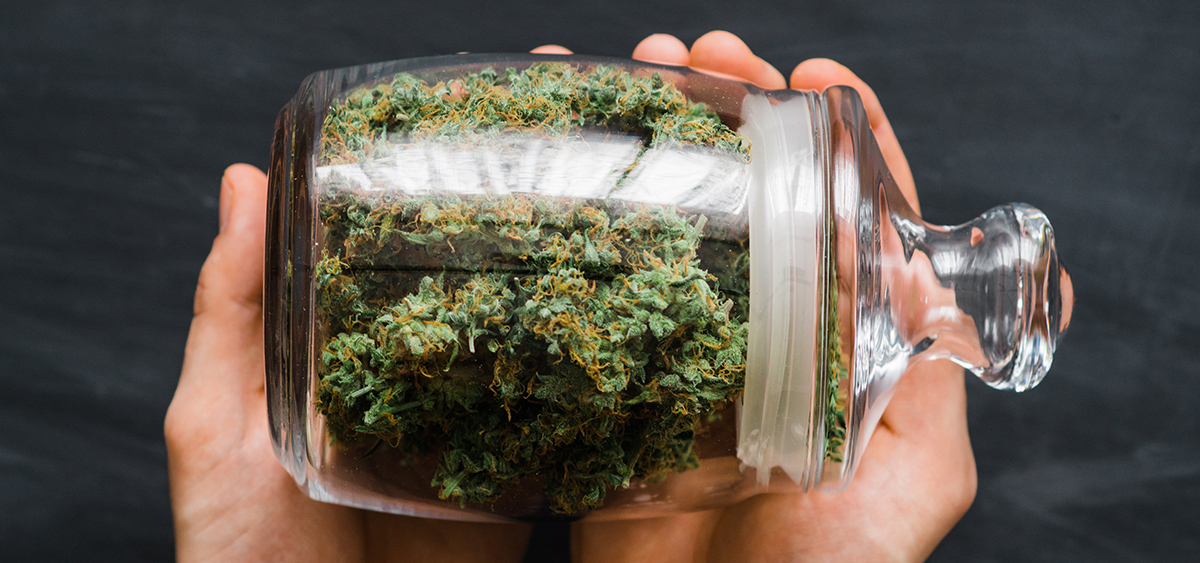
Texas hemp retailers can continue to sell smoked hemp products until July 27, the next trial date in an ongoing lawsuit challenging the state’s new regulations. KUT news reports.

Filed by the Texas Business Council, the Hemp Industry and Farmers of America and numerous hemp industry retailers, manufacturers and farmers, the lawsuit argues that the Department of State Health Services (DSHS) is not authorized to change the definition of hemp products under state law. Instead, the lawsuit argues that the change would have to be implemented through the legislature.

Hemp flowers and pre-rolls containing less delta-9 THC than the federal limit of 0.3% have become popular in Texas, where adult cannabis remains strictly prohibited.

But the new DSHS language targets the state’s smoked hemp products by including the cannabinoid THCA in a product’s total THC content. While THCA itself is not intoxicating, the cannabinoid is converted to delta-9 THC when decarboxylated, which occurs when the flower is heated or burned.

The ban was scheduled to take effect on March 31, but on a judge’s order temporarily delayed as the case went to trial, and it was done late again several weeks later as the trial continued.

Last week, Judge DeSeta Lyttle again delayed enforcement of the ban, this time giving the industry about two months, with the next trial date scheduled for July 27.

Attorney Jason Snell, who represents the plaintiffs, said in the report that the businesses are “thrilled” about the judge’s ruling because it “stops what we believe are illegal regulations from going into effect that would cripple the hemp industry nationwide and deprive consumers and everyday Texans of access to legal products.”

The order applies to the state’s entire hemp industry. In addition to the THCA-related changes, the order also blocks the state from charging the new regulatory regime’s significantly increased licensing fees.

Continue Reading

adult use

Federal Judge Approves Continued Hemp Beverage Sales In Ohio

Published

on

By

Federal Judge Approves Continued Hemp Beverage Sales In Ohio

A federal judge ruled Monday in favor of 10 hemp beverage makers, allowing them to sell their intoxicating hemp products for 14 days. WCMH reports. The order by U.S. District Court Judge Jeffrey Helmick, who sided with the businesses’ argument that the state’s hemp ban likely violates federal law, could be extended.

According to the decision, 420 Beverage, Your Highness, Opportunity, Saucy Seltzer, Appalachian Girls, Modern Distribution, Niche Beverage, The Hemp Collect, Slightly Elevated, Mellow Fellow and Muffins will be allowed to continue selling their products in the state for two weeks.

This is the third judge to rule against the state’s ban on hemp-derived THC. In April, Judge Jeremiah S. Ray called prohibition “inherently discriminatory” in its ruling in favor of Seattle, Washington-based THC drink maker North Fork, maker of Cycling Frog. That same month, Franklin County Court of Common Pleas Judge Jeffrey Brown overlooked with Happy Harvest and Get Wright Lounge, which argued that the ban violates federal law by classifying hemp-derived THC products as cannabis, not hemp, and by regulating them under the state’s adult cannabis program.

While Helmick’s ruling may be delayed, on Nov. 12, new federal rules go into effect ban THC products derived from hemp. The law recriminalizes hemp-derived THC and redefines hemp as “grown for the use of the whole grain, oil, cake, nut, husk, or any other non-cannabinoid ingredient, derivative, mixture, preparation, or seed production” and “grown for the purpose of producing a hemp intended for plant consumption or other products intended for human consumption therefrom.” grown from seeds that do not exceed” 0.3% THC.

Continue Reading

adult use

North Carolina Bill Would Set Age Requirement for Hemp Products

Published

on

By

North Carolina Bill Would Set Age Requirement for Hemp Products

A new North Carolina Senate proposal would create a 21-year-old age requirement for purchasing or possessing hemp products, including foods and beverages infused with delta-8 or delta-9. WRAL News reports.

Bipartisan Senate Bill 59 passed the House Rules Committee on Wednesday. The proposal would also set the age requirement for purchasing kratom at 21.

The issue is popular with both Republicans and Democrats, and Gov. Josh Stein (D) has also called for better regulation of the products, but previous efforts have failed.

“We have the good sense to put an age limit on these types of products, which is the lowest hanging fruit there is.” — Rep. state Rep. Jimmy Dixon (R), in a statement to the House Agriculture and Environment Committee

A spokesman for the governor’s office said the administration is reviewing the bill.

“Earlier this year, the NC Cannabis Advisory Council issued an interim report with informed guidance to the General Assembly to address the unregulated sale of cannabis in North Carolina, including recommending a minimum age requirement,” the spokesperson said in the report. “The governor is eager to work with the Legislature to protect our children and bring order to this Wild West marketplace.”

If passed into law, the age limit would go into effect on December 1, 2026.

Based in Portland, Oregon, Graham is the editor-in-chief of Ganjapreneur. He has been writing about the legalization landscape since 2012 and has contributed to Ganjapreneur since our official launch in…

Continue Reading

adult use

O’ahu Business Sues Hawaii Over State Hemp Laws

Published

on

By

O’ahu Business Sues Hawaii Over State Hemp Laws

An O’ahu, Hawaii business is suing the state over hemp laws that went into effect earlier this year, Aloha State Daily reports. The federal lawsuit claims the new rules have made it illegal for Lance Alyas, founder of O’ahu Dispensary and Provisions, LLC, to sell about 80% of the products that were previously allowed.

The suit claims the regulations place an undue burden on overseas commerce and that the state’s efforts to seize or destroy the property violate due process.

In 2020, state lawmakers passed a bill to align its hemp laws with those codified in the 2018 federal Farm Bill, which allowed hemp products with 0.3% delta-9 THC; however, in 2021, the state Department of Health (DOH) passed regulations defining hemp based on total THC concentration, rather than the 0.3% delta-9 threshold. In the lawsuit, Alyas claims the deviations from federal law criminalize products that would be legal under federal standards.

Last year, Hawaii lawmakers passed a bill that would require all hemp distributors to register with the DOH’s Office of Medical Cannabis Control and Regulation starting in 2026. Under the law, businesses are required to register with the agency to sell any hemp products, and registered sellers who sell products that don’t meet their state testing standards can be fined up to $00 per 1 are suspended and their products destroyed by law enforcement.

Alyas claims that since the company was founded in 2023, it has been the target of “sting operations” by law enforcement, even though all of the products it sells meet the federal definition of hemp.

State Attorney General Anne Lopez and DOH Director Kenneth Fink have asked to dismiss the case, arguing that Alyas has no credible claim that he has been harmed by laws or regulations.

Last year, federal lawmakers passed a bill that will effectively ban most hemp products now available due to the 2018 farm bill. The new federal rules exclude products that include THC “synthesized or produced outside” of the cannabis plant with more than 0.3% THC and “any hemp-derived intermediate cannabinoid product that is marketed or sold as an end product or directly to an end consumer for personal or household use.” from the federal definition of hemp. These rules take effect on November 12.

Continue Reading
Advertisement

Trending

Copyright © 2021 The Art of MaryJane Media
