Connect with us

Cannabis News

Alabama Officials Move To Delay Automatic Rescheduling Of Marijuana Under State Law Following Trump’s Federal Move

Published

on

“We’re not saying Alabama won’t do this. We’re definitely going to do this, but if you get it without objection, it’s scheduled right away.”

By Anna Barrett, Alabama Reflector

The governing body of the Alabama Department of Public Health voted Thursday against the federal rescheduling of marijuana, saying state health officials needed more time to determine how to implement it.

Dr. Scott Harris, Alabama’s top health official, told members of the state’s Public Health Commission that the state has “full intent” to implement the change.

“We’re not saying Alabama won’t do this,” Harris told the committee. “We’ll certainly do this, but if you get it without objection, it’s scheduled immediately. If you do nothing, it’s scheduled within 30 days. I’m going to ask you to take the third option, which is to oppose it. Then we just have a little time to figure this out with all our other stakeholders.”

The committee’s vote was unanimous. Brian Hale, ADPH’s legal director, said the objection would be open to public comment during the meeting. This period would last 30 to 60 days.

“The objection is simply to allow more time for input on the implications of this rescheduling,” Hale said. “There will be a public hearing, we’ll see the comments that way, and then we’ll talk to other stakeholders, licensing boards and others who might be affected to see what their input might be.”

In April, the US Department of Justice (DOJ) moved marijuana from Schedule I — the Drug Enforcement Administration’s (DEA) list of drugs with the least amount of abuse and legal use — to Schedule III, which, according to the DEA, drugs have a moderate to low potential for physical and psychological dependence. The order followed an executive order President Donald Trump signed in December to keep the DOJ on track to reschedule.

Former President Joe Biden ordered the DOJ to reschedule the drug in 2024, but hearings on the move were canceled in early 2025.

The federal mandate applies to medical marijuana products in states that allow the use of the drug. The move means those businesses can deduct business expenses from federal taxes and investigators have access to legal products in the state. As a Schedule I drug, only cannabis grown in a federal facility could be researched, greatly limiting the supply available to researchers.

Alabama has a medical cannabis program approved by the Legislature in 2021. A Montgomery The dispensary said last week it hopes to make medical marijuana available to patients soon. A message seeking comment from Vince Schillec, the dispensary’s owner, was left Thursday afternoon.

Harris said the reconsideration would not violate state law, but after speaking with the Alabama Medical Cannabis Commission (AMCC), he was unsure how the reconsideration would affect the program.

“We’ve worked very hard to try to figure out what the ramifications of this are. There are a number of things that don’t completely conflict with state laws or other regulations, but they require some thought as to how to implement them,” Harris said.

Justin Aday, AMCC’s general counsel, said in a telephone interview that the commission does not foresee any immediate impact from the federal reorganization or a delay in the reorganization at the state level.

“We certainly understand the commission and the desire to gather additional information about the implications of the federal reorganization and what the implications would be, depending on how medical cannabis is scheduled at the state level,” Aday said. “We will certainly participate in that process as necessary, and we will provide all the information we can.”

This story was first published by the Alabama Reflector.

Marijuana Moment is made possible with the help of readers. If you rely on our pro-cannabis journalism to stay informed, consider a monthly Patreon pledge.

Continue Reading

Cannabis News

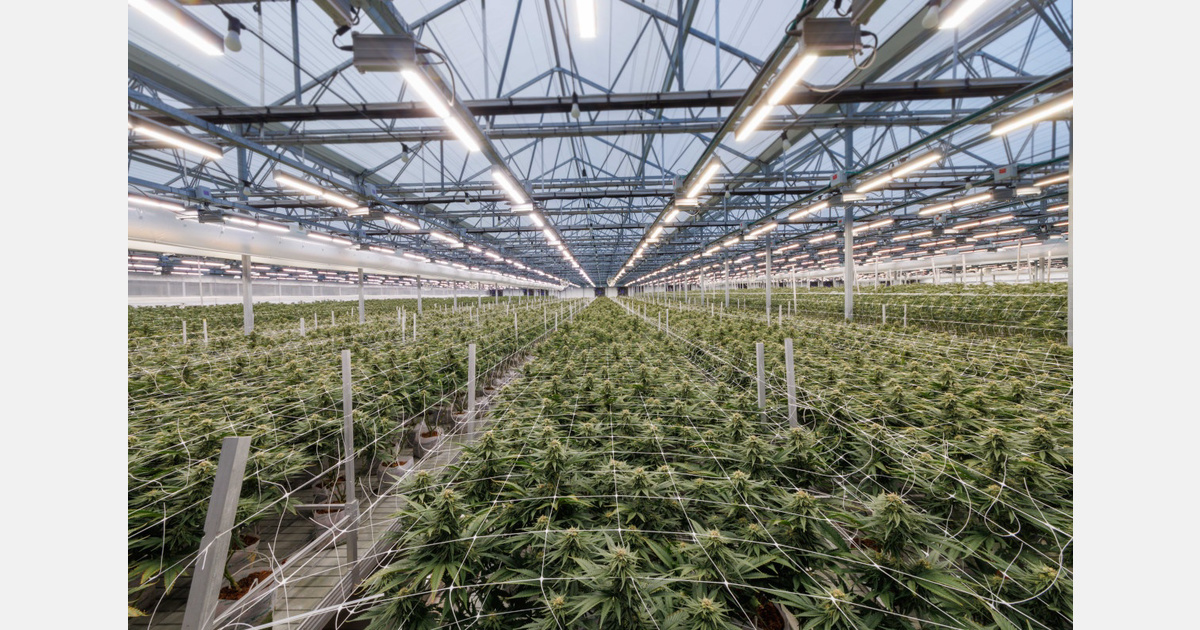
Maximizing cannabis yields with intercanopy and subcanopy lighting

Published

on

By


Continue Reading

Cannabis News

Transportation Groups Warn Feds Of Marijuana Rescheduling’s ‘Consequences’ For Drug Testing Of Truck Drivers And Pilots

Published

on

By

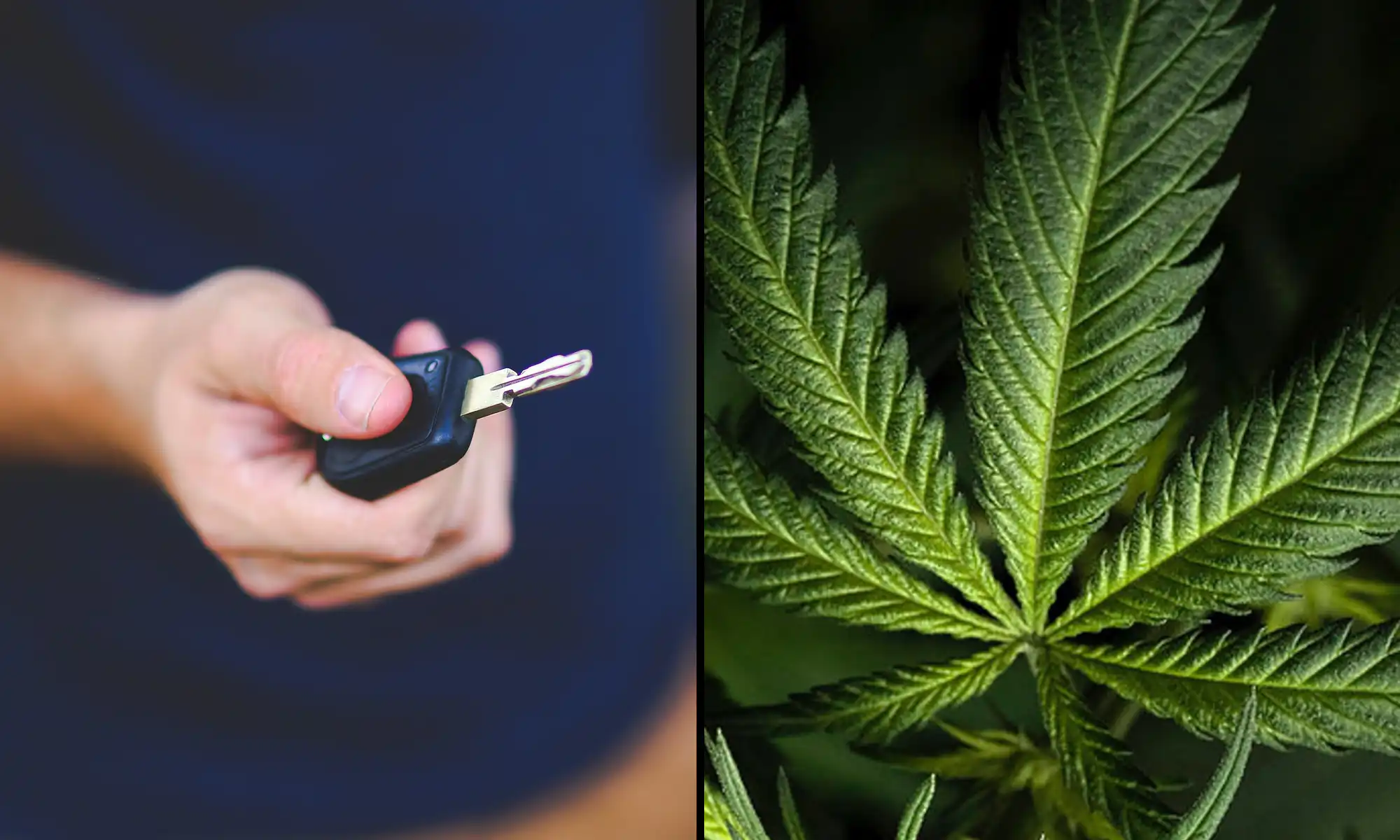
A coalition of transportation and safety organizations said they have “serious safety concerns” about the Trump administration’s move to federally regulate marijuana.

Led by the American Trucking Association, the groups sent a letter to federal officials Monday asking them to take steps to ensure truck drivers, pilots, transit operators and other safety-sensitive workers continue to be tested for cannabis.

“If employers do not take the necessary steps to preserve the ability of security-sensitive transportation workers to test for marijuana, this change could have significant consequences for the safety of passengers and the entire transportation industry,” wrote Acting Attorney General Todd Blanche, Drug Enforcement Administration (DEA) Administrator Terrance Cole, Health and Human Services Secretary Robert F. Kennedy, and Transportation Secretary J.

The organizations said they understand that federal officials are being “urgently” reorganized under an executive order from President Donald Trump, that they are “deeply concerned that the current process does not adequately take into account agencies responsible for transportation safety or protecting the traveling public” and that they want the agencies to “work together.” ongoing cannabis redistricting hearings and rulemaking process to address these concerns.

In May, the Department of Transportation (DOT) issued new guidelines saying just that Truck drivers, airline pilots and other safety-sensitive workers still cannot use medical marijuana without penalty despite the Trump administration’s move to reschedule.

“Marijuana use is incompatible with safety-sensitive functions,” the department said.

Medical review officers (MROs) who receive drug test results indicating cannabis use cannot rule them out as negative for illegal substance use, even if an employee claims it was a result of state-licensed medical marijuana.

“Currently, there is no way for an MRO to verify that a laboratory-confirmed marijuana drug test result is positive when an employee claims the positive was caused by a state-licensed marijuana product,” the DOT said, explaining that after the reprogramming, medical marijuana dispensed under state law “does not” constitute a drug approved by the Food and Drug Administration (FDA).

The transportation groups said in the new letter that the DOT’s drug-testing program “is in accordance with the Department of Health and Human Services’ (HHS) Mandatory Guidelines for Federal Workplace Drug Testing Programs and HHS-certified laboratories.”

“While DOT has expressed its intention to continue testing marijuana, a commitment we greatly appreciate, it is unclear whether DOT will retain its ability to rely on HHS procedures and certifications after the rescheduling,” they wrote. “Without this alignment, DOT may retain the authority to conduct testing, but lack the scientific and procedural infrastructure to do so.”

“Practically, this would mean that truck and bus drivers, pilots, flight attendants, air traffic controllers, air mechanics, railroad workers, dispatchers and signal workers, transit operators and pipeline workers could continue to perform high-risk safety roles without a reliable means of verifying that they are not actively using marijuana. It relies on controlled substance testing to identify end use and prevent potentially impaired individuals from fulfilling their safety-related obligations. While the planning could create legal or regulatory loopholes, the regulated employer-based drug testing agency warned that the final rules should not jeopardize marijuana testing for safety-sensitive transportation workers.”

“Regardless of the broader policy goals of the review, the federal government should not move forward to preserve transportation drug testing programs and mitigate the risks of increased and unchecked deterioration of our roads, railroads, public transportation systems, pipelines, airspace, and maritime corridors,” the letter says.

The organizations specifically ask federal officials to:

  • Support long-term marijuana testing for all safety-sensitive transportation workers;
  • Confirm the authority of DOT-regulated employers to perform such tests;
  • Ensure HHS laboratory certification and testing guidelines remain available and aligned with DOT’s safety mission; and
  • Establish a coordinated federal strategy to address the transportation security implications of rescheduling.

“The public and the workers who keep our transportation system running safely deserve a process that ensures these safeguards are firmly in place before any final action is taken,” he said. the letter he says

Earlier this month, the House Appropriations Committee approved a provision to allow federal officials to continue requiring government employees and security-sensitive employees, such as truck drivers and airline pilots must be drug tested for marijuana, “regardless of any future change in legal status or schedule.”

This was followed by a press conference organized by prohibitionist groups and a drug-testing industry association, where both Republican lawmakers joined the proclamation. “Cut” to marijuana rescheduling by asserting that safety-sensitive transportation workers can still be punished for testing positive for THC.

Legislators and abolitionist activists argued that moving marijuana to Schedule III would lead to a 1986 executive order signed by President Ronald Reagan defining illegal drugs under the Controlled Substances Act (CSA) in relation to the use of cannabis by truck drivers and other airline employees.

Last October, Transportation Secretary Sean Duffy suggested that President Donald Trump was “putting pressure” on rescheduling cannabis.arguing that marijuana is “truly addictive” and that policy reform on the issue sends a “dangerous” message.

“At a time when the culture is encouraging and celebrating the use of marijuana, we’re not talking about risk,” Duffy said.

Marijuana Moment is made possible with the help of readers. If you rely on our pro-cannabis journalism to stay informed, consider a monthly Patreon pledge.

Continue Reading

Cannabis News

Experts say THC percentage is the wrong way to shop for cannabis

Published

on

By


Continue Reading
Advertisement

Trending

Copyright © 2021 The Art of MaryJane Media