
Cannabis News
For technology to deliver real impact, it must go hand in hand with training and upskilling the workforce

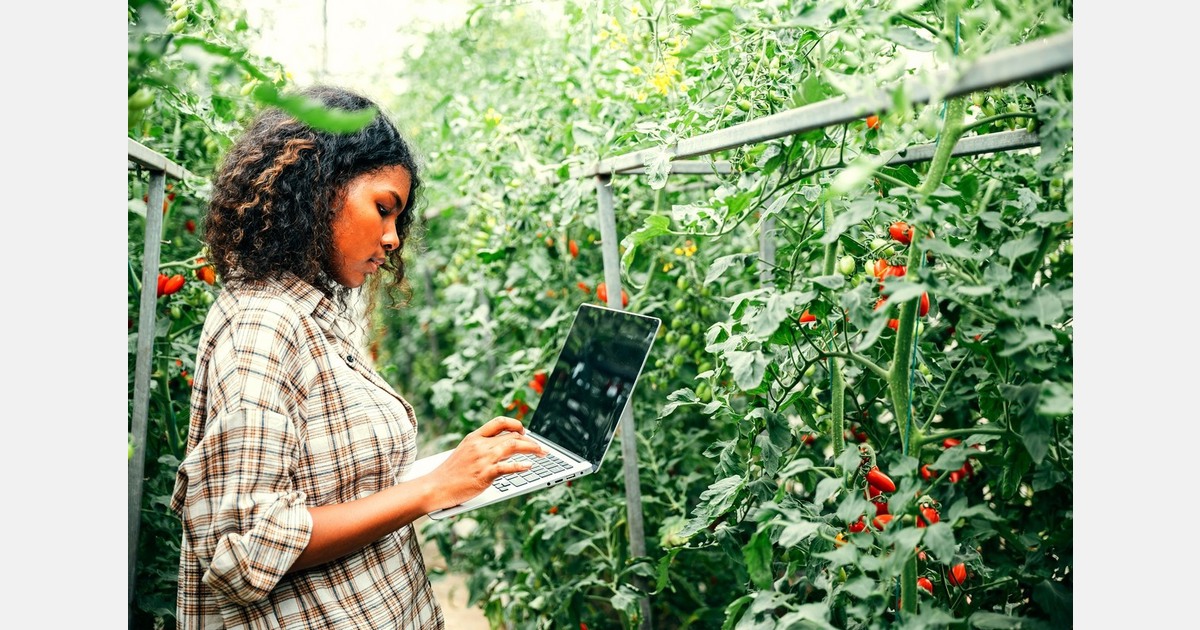
A new smart agriculture project in the Delta is helping to strengthen food security for British Columbians, while two new training programs will ensure more people have the skills needed to succeed in the growing agritech sector.
“With a changing and uncertain climate in the United States, it is imperative that two of British Columbia’s greatest strengths, technology and agriculture, come together so that British Columbians can rely on healthy, home-grown food,” said Ravi Kahlon, Minister of Jobs and Economic Growth. “Through our Look West plan, we’re connecting innovators with industry partners to turn ideas made in BC into real-world solutions, creating jobs and moving our economy forward into a sustainable future.”
With support from the BC Center for Agritech Innovation (BCCAI), Delta-based Windset Farms is developing a new smart farming system that automates decision-making with sensors that monitor plant stress and efficient greenhouse crop management.
Using advanced data analytics and machine learning, the project aims to improve Windset’s production systems by optimizing climate control, nutrient uptake and early disease detection in hydroponic tomatoes.
“This partnership helps us develop advanced smart farming systems that improve real-time greenhouse monitoring, optimize climate and nutrient management, and detect potential plant diseases earlier,” said Tony Kalf, Chief Technology Officer of Windset Farms. “These innovations allow us to make a significant impact through job creation, new business opportunities, and ensuring the security and stability of BC’s food supply. By optimizing the growing environment, we can create efficiencies by reducing resource use, thereby consistently growing high-quality produce year-round.”
The project is progressing in collaboration with Simon Fraser University (SFU) in the Netherlands, Koidra, Vivent and Wageningen University & Research (WUR). It grew out of a 2023 letter of intent from SFU and WUR to collaborate on future research programs and address the challenges of agricultural sustainability, such as food production and climate change.
Training to grow more resistant crops
Through Kwantlen Polytechnic University (KPU), a new training program is being developed to support the need to adopt more drought-resistant crop production systems. The program will train participants in dry farming, a method that uses specific agroecological measures to cultivate crops with zero or very little additional water. The program is a collaboration between the Regional Extension Program of the Ministry of Agriculture and Food, KPU’s Institute for Sustainable Food Systems, local growers and industry groups.
“With BCCAI’s support, along with the BC Ministry of Agriculture and Food, we are able to implement dryland collaborative agriculture expansion, applied research and demonstration projects on the three farms,” said Kent Mullinix, director of KPU’s Institute for Sustainable Food Systems. “We are engaging dozens of farmers, professionals and students in soil health, agroecology, soil and weather data collection, and advancing drought-resistant agriculture.”
Training to remove weeds, improve fruit and vegetable production
In addition, a new training opportunity developed by the University of the Fraser Valley (UFV) is showcasing new robotic removal technology. Weeds are a significant challenge for fruit and vegetable growers in BC and elsewhere, affecting productivity by competing for valuable resources such as moisture, nutrients and sunlight. This project demonstrates and trains farmers and students in robotic weeding technologies to reduce labor reliance, minimize herbicide use, and improve sustainability through effective resource management.
“Partnering with BCCAI provides new opportunities for students to explore current agricultural issues and the skills and job opportunities available in agricultural robotics, such as the robotic weeder demonstration,” said Renee Prasad, department head, associate professor, agricultural technology, UFV. “BCCAI plays an important role in supporting open dialogue by bringing technology and producers, current and future, together.”
Fostering a strong future in agricultural technology
The three new projects and training programs represent an investment of approximately $658,000, $280,000 from BCCAI, $204,000 from industry and $174,000 worth of industry contributions.
These projects are examples of how BC is supporting the agritech sector, enabling companies to commercialize their technologies and create cleaner, more resilient and productive agriculture, food and seafood industries.
The new project and training opportunities are expected to provide advanced training to more than 350 people in areas such as horticulture, regenerative agriculture, data management and agribusiness management, creating three new jobs and increasing business opportunities through commercialization.
“Technology developed by BC is helping our farmers increase production and making our food supply more resilient to climate change,” said Agriculture and Food Minister Lana Popham. “Using the latest technology to monitor plant growth and health, as well as maximize water and nutrient efficiency, results in more sustainable growing, local food production for BC families and a better bottom line for farmers.”
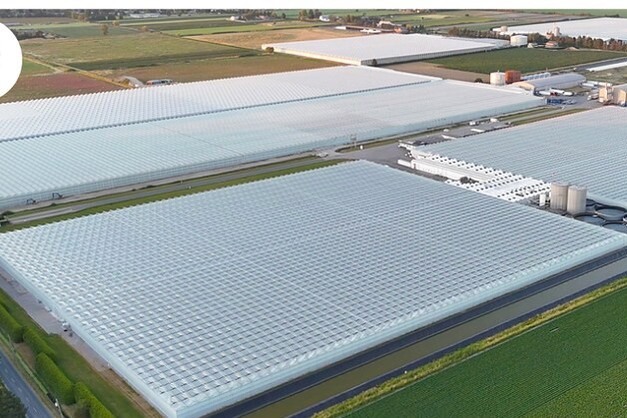 © British Columbia Government News
This work is part of the Province’s Look West plan for jobs and industry, which outlines BC’s vision for providing jobs and opportunities by strengthening the workforce to develop a more independent economy. Pacific Economic Development Canada’s (PacifiCan) investment in BCCAI is boosting domestic innovation and driving BC business growth, key steps in building a strong Canadian economy.
Look West focuses on delivering large projects faster, diversifying markets and targeting growth sectors such as technology, aerospace, marine, AI and quantum, life sciences, agriculture and construction innovation.
Gregor Robertson, Federal Minister of Housing and Infrastructure and Minister responsible for Pacific Economic Development Canada said, “PacifiCan’s investments are driving local innovation and helping BC businesses grow. The BC Center for Agritech Innovation is advancing innovative technologies and hands-on training in the agriculture sector, improving food security and building a stronger and more resilient Canadian economy.”
“For technology to have a real impact, it must go hand in hand with workforce training and education. BCCAI is proud to support three new projects that focus on technological innovation and hands-on learning. These initiatives demonstrate the power of collaboration to advance sustainable agriculture and food security,” said Rahul Singh, director of the BC Center for Agritech Innovation (hosted at SFU).
Source: British Columbia Government News











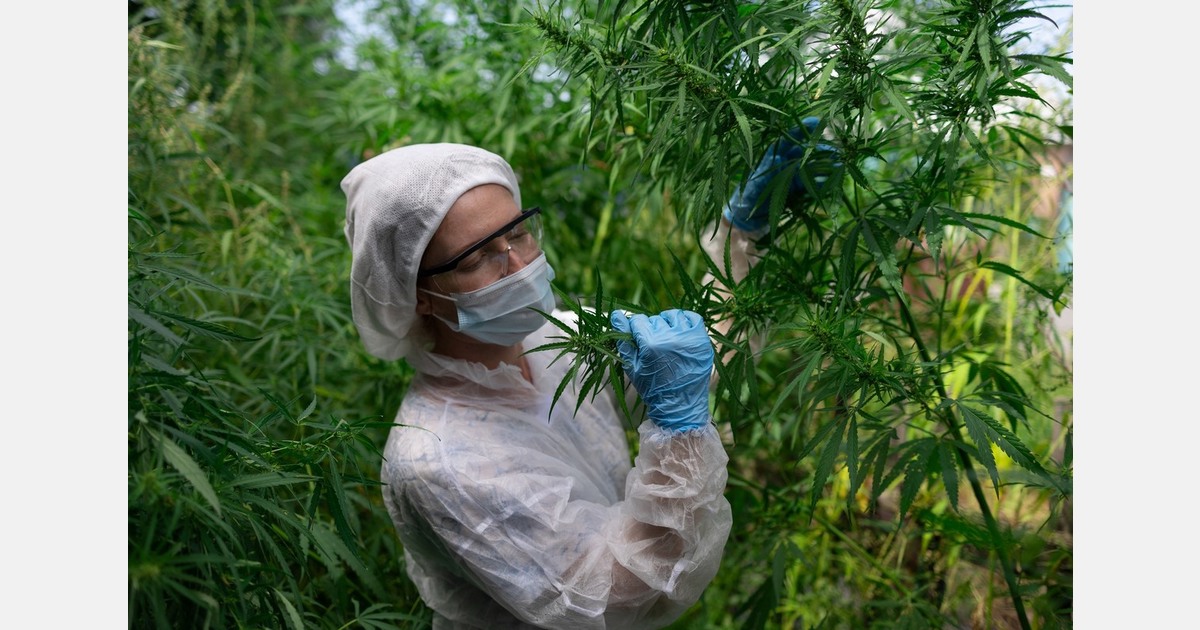
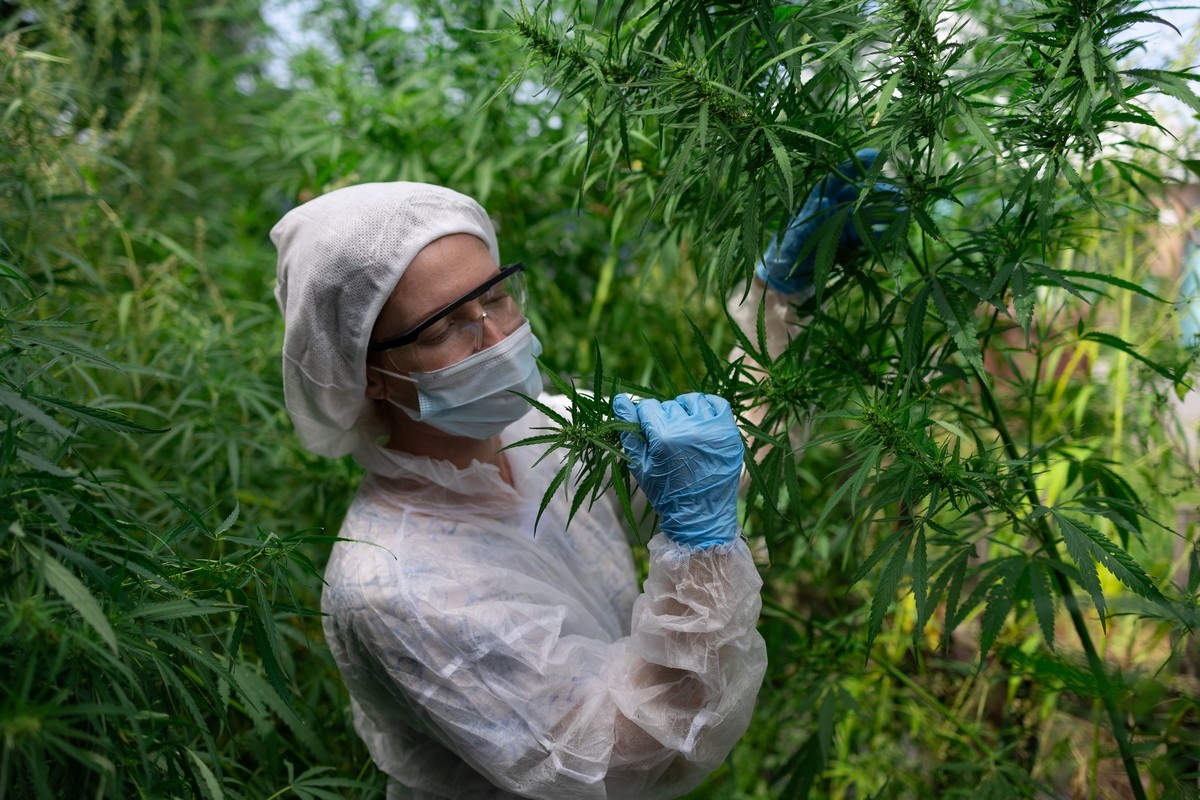
Cresco Labs has obtained a Texas Compassionate Use Program License. It is a vertically integrated license that allows Cresco Labs to cultivate, process and distribute medical cannabis.
“Texas patients deserve access to consistent, quality medicine, and we’re excited. Our track record in medical markets reflects our ability to build strong programs that put patients and communities first,” said Charlie Bachtell, CEO of Cresco Labs. “Winning a license in Texas through a merit-based application demonstrates Cresco Labs’ deep regulatory expertise and thoughtful approach to meaningful local engagement. Organic licenses enable capital-efficient market entry, and our cash flow and balance sheet give us the financial flexibility to invest in and grow our scaled platform for the long term.”
This license advances Cresco Labs’ state-by-state growth strategy and ensures access to one of the largest patient populations in the United States. Texas is the nation’s second most populous state, approaching 30 million people, and continues to see ongoing legislative efforts to improve patient access and expand eligibility.
Cannabis News
Missouri Lawmakers Pass Bill To Ban Intoxicating Hemp THC Products, Sending It To Governor


Germany imported 2025 tons of medical cannabis. Part of that volume came from a Portuguese processor whose license had been revoked, which was unloaded below cost as it was reinstated. The episode sparked attention, and consequences followed. PTMC’s Joao Duarte believes that most of these conclusions are wrong. “Eight tons is not even 5% of what Germany consumes per year,” he says. “For that to result in price dumping, the math just doesn’t work.”
Structural price pressure
According to him, the price pressure in Portugal is mainly structural. “The more countries that get into production and start exporting, the lower the prices will be. Today, Colombia is exporting, Costa Rica is exporting, and Brazil, with the scale it can bring to outside cultivation, is not far behind. Canada has been the main volume supplier to markets in Germany, Australia, Israel and the UK due to the strength of low-priced flowers from European producers. Again, and fast.” It draws a direct line with what happened in the CBD market in previous years, when prices were compressed as supply expanded and operators without cost or quality advantages found themselves without a market. Medical flower THC, he says, is following the same logic over a longer timeline.
To lift the burden of this price pressure, the answer obviously lies in the right regulations and policies. These should be based on the principles of providing high quality medicines to patients. To achieve this, the flowers must reach the consumers shortly after they are picked. As simple as it sounds, proximity is Portugal’s real advantage. “The fresher the flower is when it reaches the patient, the better the quality,” he says. “Only proximity gives that.”
 © Henner Damke | Dreamstime
A turning point
As for the regulatory issue, Joao points to Portugal’s eight-year history of medical cannabis as a distinguishing feature, following last year’s police raids. Organizations that have long been involved in the licensing and enforcement framework have developed standards and experience in applying them. “Our GMP standards are real,” he says. “They are not a number on a certificate.”
The damage to the reputation of these raids, in his opinion, is exaggerated. “There is always a scandal in the industry,” he said. “That doesn’t necessarily mean it’s over, that a country’s economic sector has been kicked out. Canada, the largest exporter of cannabis, is the clearest example of that. Everyone remembers the CannTrust scandal in 2019, which made international headlines. That didn’t kill the Canadian industry until it became them, the regulatory system moved in their work. It looks like.”
EU-GMP clearance
One important area is EU GMP clearance, the practice of converting imported flowers through a European facility to obtain certification that the original material would not otherwise carry. “We would have more value growing the flowers than doing the conversion,” he says. For Portuguese producers, the practice reduces the premium that EU GMP certification must entail and makes it more difficult to distinguish domestically grown product from processed imports at the point of sale.
To each his own
Joao does not believe that other European countries can take Portugal’s place in the old continent’s cannabis industry. “This is simply because it’s not one thing for a country to be active in one sector and then push out another. It’s an open market, everyone participates at different levels.” As a neighbor, Joao cites Spain as an example. The country currently has less than ten licensed producers and has yet to build the export infrastructure or regulatory track required by the markets. “I don’t see Spain coming and taking over,” he says. “Both Spain and Portugal will take market share. Operators with established contracts will continue to move product. After that, it’s about quality and price.”
Denmark, he says, is an immediate competitive variable, producing significant quantities and moving into European markets with momentum. Portugal is currently among the top three to five exporters to Germany and has established positions in Australia, Israel and the United Kingdom. “This reflects accumulated capacity rather than regulatory time, and it’s not something that goes away because a processor loses its license,” he says.
A common European pricing policy, along the lines of the state-controlled model in France, is a mechanism that the industry should collectively push for. Without this, individual producers are left to absorb the cost pressures of suppliers operating on a scale that European policy has no current framework for. “We should aim to have good flowers,” he says. “We must not aim to demolish Portugal.”
For more information:
PTMC
ptmc.pt

Bloom House Garden Tour

Legalization vs. Decriminalization; Harris v. Trump; Newsom makes good on Hemp ban by opening cafes!

How To Use A Trellis Net To Get Bigger Buds

HOW TO BE AN ENVIRONMENTALLY FRIENDLY CANNNABIS BUSINESS | JESCE HORTON

Missouri Cannabis Regulators Seek Alternatives To Track-And-Trace Leader Metrc

Cresco Labs gets Texas license

Missouri Lawmakers Pass Bill To Ban Intoxicating Hemp THC Products, Sending It To Governor

Massachusetts Cannabis Operators Sue to Block Adult-Use Repeal Effort

VS Runtz #7 Marijuana Monday

ELON MUSK and X “green” light his platform for the cannabis industry! CCC in Bay State fine 2 MSO’s

“Our system can manage equipment across 10,000+ m² using just a few wires”

Florida Workshop to Discuss What Constitutes a ‘Cartoon’ in Hemp Packaging

Mazar-i-Sharif Hash Wednesday

Re-release of the full show of Cannabis Coast to Coast news. Republican Texas DA Fires Up vs. laws;

From Finance to Wellness: Brad Zerman’s Impactful Pivot

Weak Michigan Cannabis Sales Again in July – New Cannabis Ventures

DEA’s Cole Reverses His “priorities” ; Prohibitionists Dig In; Dead & Co Celebrates 60 years in SF

New Hampshire Governor Says Federal Marijuana Rescheduling Won’t Change Her Opposition To Legalization

Your Cannabis Business: Consistent Filings Are Critical

Texas DA Partakes on Tik Tok to prove a point; Boston Sheriff arrested for Extortion of $ w/ Ascend
-
 Cannabis News7 months ago
“Our system can manage equipment across 10,000+ m² using just a few wires”
-
 Florida8 months ago
Florida Workshop to Discuss What Constitutes a ‘Cartoon’ in Hemp Packaging
-
 Video6 months ago
Mazar-i-Sharif Hash Wednesday
-
 Video8 months ago
Re-release of the full show of Cannabis Coast to Coast news. Republican Texas DA Fires Up vs. laws;
-
 Video8 months ago
From Finance to Wellness: Brad Zerman’s Impactful Pivot
-
 aawh8 months ago
Weak Michigan Cannabis Sales Again in July – New Cannabis Ventures
-
 Video7 months ago
DEA’s Cole Reverses His “priorities” ; Prohibitionists Dig In; Dead & Co Celebrates 60 years in SF
-
 Best Practices8 months ago
Your Cannabis Business: Consistent Filings Are Critical