
Cannabis News
“UK medical cannabis is maturing”

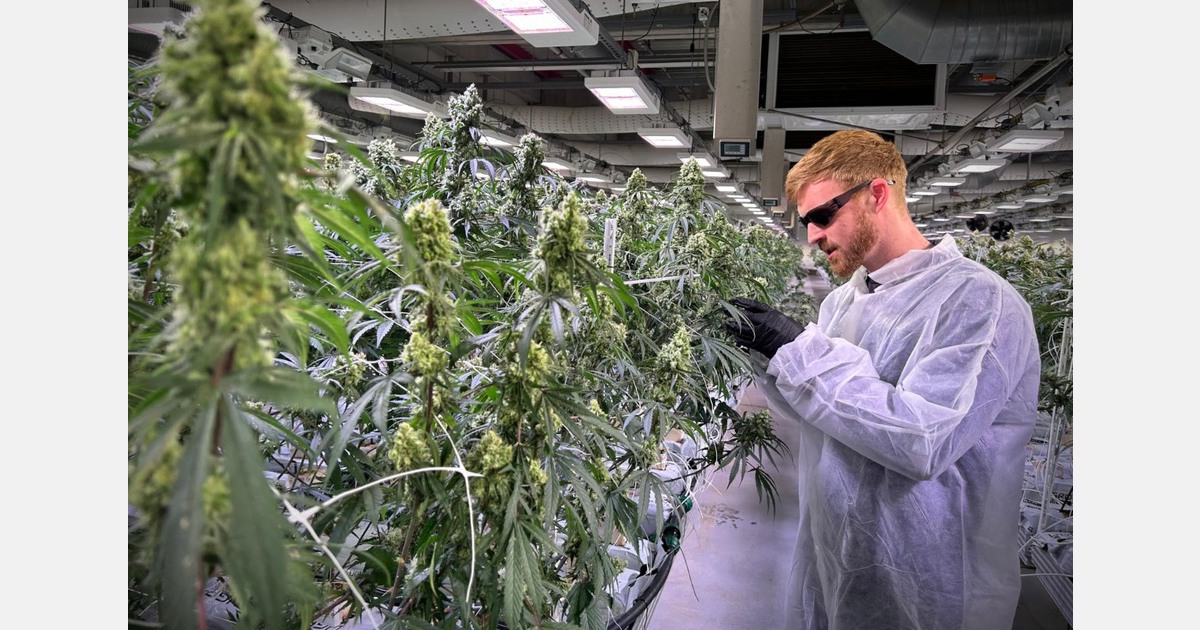
The UK cannabis market has grown steadily over the past five years, although not always in the way operators had hoped. New brands and imported products have driven much of the expansion, while domestic cultivation has slowed. Alexander Mountain has seen this from the inside long before most people in the industry knew it existed. “I’ve been waiting for this since 2009,” says the founder of growing consultancy Trichome Solutions.
Regulations, compliance, EU-GMP requirements, all of which have made getting a facility off the ground a multi-year exercise. “I’ve worked with organizations and seen firsthand that it takes three, four, even five years to get going,” says Alexander. “It’s a tough market to break into in the UK, which in itself slows down the overall maturation.” The last six months, however, have brought about a change. “There are now clear goals and programs for business. An almost militant approach to protocols. It’s starting to feel like the rest of the EU and Canada.”
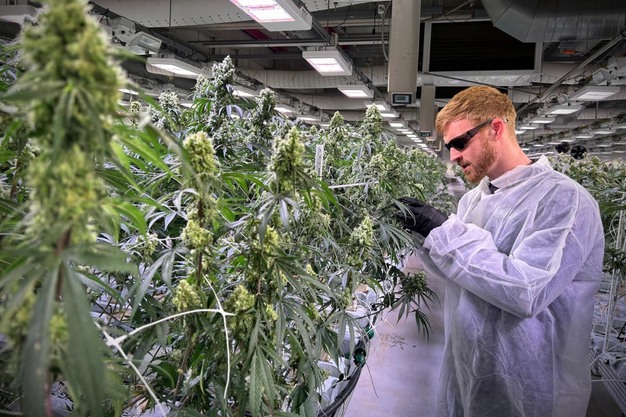 © Trichome Solutions
Capitalization and cultivation
Early investment in cannabis in the UK came largely from private capital, and the gap between capitalization and cultivation know-how cost many operators dearly. Consultants were brought in to design and build the facilities, but rarely stayed to operate them. The result was a facility that had to be rebuilt almost as soon as it opened. “A lot of adjustments, changes in workflows, logistical expansion,” says Alexander. “This, of course, requires more capital. This delays profitability and, in some cases, leads to employee burnout.” The model he believes in is the owner-operator structure that has worked in markets such as the US, Canada and Thailand.
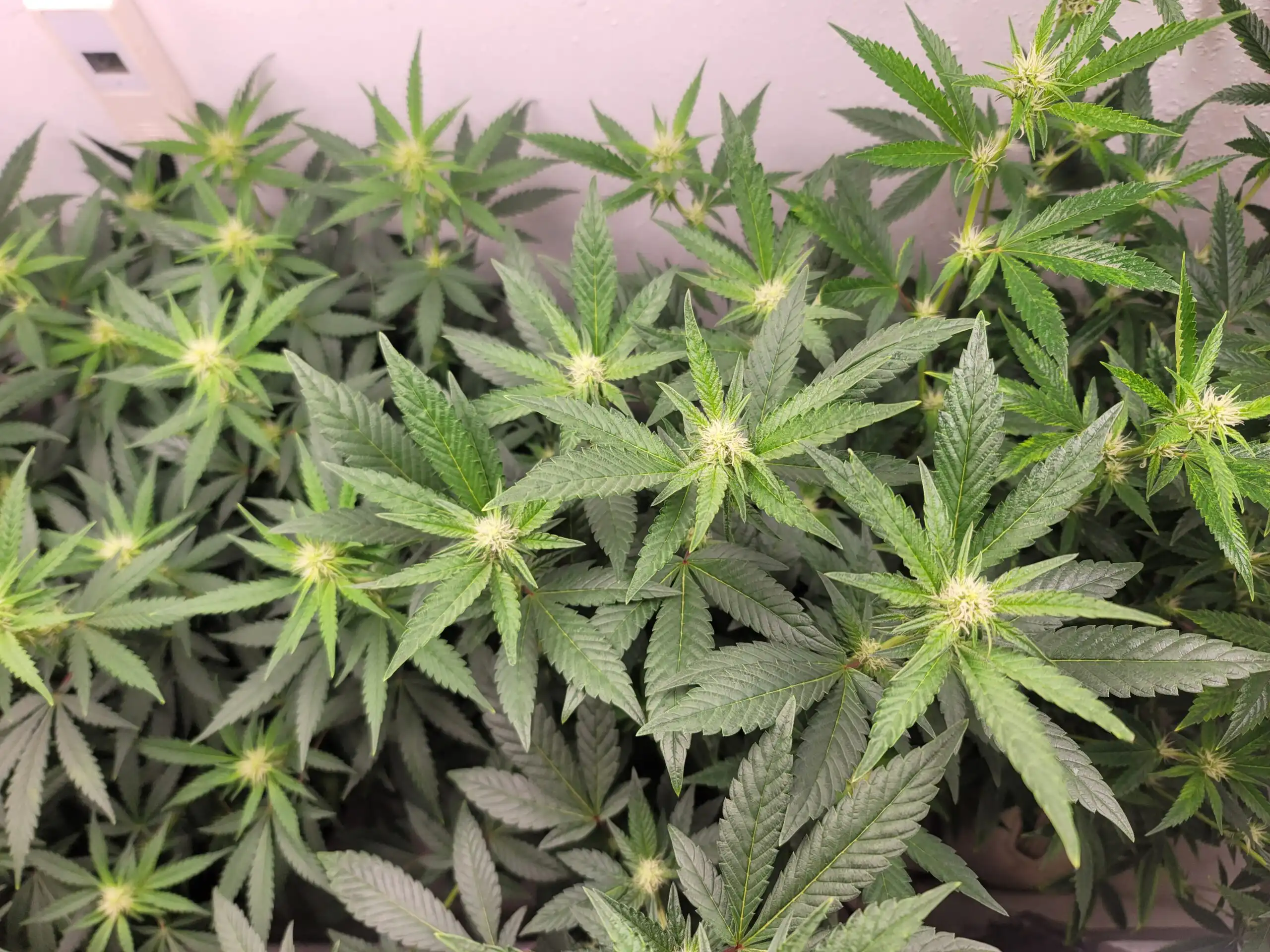
In terms of cultivation, genetic selection and post-harvest are where Alexander gives most of his attention. Seasonal changes in the UK favor indoor parameters where possible, although low-light greenhouses have worked for some operators with adequate supplementary lighting. Getting the right genetics for the specific market drives early success and patient retention. Post-harvest, however, he believes the sector is constantly underestimating. “I focus a lot on preserving the plant material and maintaining its chemical profile, particularly cannabinoids, terpenes and volatile sulfur,” he says. “Even simple things, like having enough space to dry properly, seem like common sense. But unless you’ve actually done it, you don’t always realize how important those details are to the quality of the final product.”
UK cannabis demand
Patient demand in the UK has been shaped by the equity market, and licensed operators are working to close this gap. The dynamics here are different from other markets. In Germany and Canada, THC content drives purchasing decisions. In the UK, Alexander is seeing more focus on taste, aromas and the overall experience. “With the amount of choices coming in through imports, people are finding their own strains and becoming more selective,” he says. Closing this gap, in his opinion, involves the farmers as much as the prescribers. “Patient education and support should come from doctors. Producers should teach them about their products. I think growers should invite prescribers more often.”
Over the next three to five years, Alexander expects reliance on imports to ease as domestic supply chains develop and the market stabilizes. He says that there will be operators who come out from the other side, specialized ones. R&D, heritage genetics, premium indoor and post-harvest optimization. “We are now working in the international cannabis industry,” he says. “With comparisons, going on a flight, there is no room for complacency. The operators who find their niche and really excel in it will be the ones who build a strong identity and remain competitive in the cannabis space.”
For more information:
Trichoma solutions
(email protected)
trichomesolutions.com
Linkedin
Instagram










Dalgety Ltd has entered into a partnership with Curaleaf Laboratories to supply pharmaceutical grade cannabis medicines to the UK cannabis market. The arrangement combines Dalgety’s cultivation operations, which are certified to EU-GMP standards, with Curaleaf Laboratories’ pharmaceutical manufacturing and distribution capabilities. According to the companies, this creates a UK-based supply route that does not rely on imported cannabis flowers, as Dalgety cultivates its product in-house. Dalgety claims it was the first company in the UK to grow, manufacture and supply EU-GMP medical cannabis from a single site.
 © Curaleaf Laboratories
The growing facility, which is more than 30,000 square feet, is located indoors and uses hydroponic growing methods along with automated lighting, irrigation, humidity and temperature control systems. The company reports that it uses AI-assisted environmental monitoring, which extends the traceability of batches to the final product and compares them to operating standards for air filtration systems. Post-harvest processing is said to follow EU-GMP protocols, including microbial and cannabinoid testing.
The stated goal of this approach is to reduce between-harvest variation in terms of THC and CBD content, terpene profiles, and microbial safety. Dalgety says his cultivation is overseen by staff with experience in horticulture and biochemistry, some of whom have worked on cannabis cultivation projects internationally.
Through a partnership with Curaleaf Laboratories, Dalgety’s UK-grown cannabis is processed and distributed through a UK-based supply chain, rather than imported from overseas. Companies suggest that this arrangement can shorten the time it takes to get products to market compared to importing, and reduce the likelihood of supply disruptions. Because Dalgety and Curaleaf Laboratories are involved in cultivation, manufacturing and distribution, the companies say this oversees the product at every stage, making it clearer for prescribers to see where and how the product was made.
 © Curaleaf Laboratories
Dalgety operates to EU-GMP standards and has been subject to regulatory review by the MHRA and the Home Office. Its operations include environmental monitoring, microbial testing, stability testing, controlled drying and curing procedures and quality assurance processes, along with controlled and secure facilities.
The company describes its work as controlled environment farming, hydroponic systems, environmental control technology, and efforts to stabilize cannabis genetics and phenotypes for batch-to-batch consistency.
 © Curaleaf Laboratories
Dalgety has also opened its cultivation facilities for visits to healthcare professionals, clinicians, pharmacists, researchers and other industry stakeholders. The company says this is in response to the fact that much of the cannabis historically supplied to UK patients has been grown overseas, which has limited opportunities for UK clinicians to see first-hand the cultivation and quality control processes. These tours aim to provide visitors with information on cultivation standards, EU-GMP compliance procedures, environmental control systems, testing processes and the regulatory framework governing cannabis manufacturing in the UK.
Dalgety and Curaleaf Laboratories describe their partnership as expanding access to UK-grown medical cannabis, improving supply chain reliability and helping to meet sector regulations, placing it in the wider context of growing demand for cannabis-based treatments from UK patients.
For more information:
Curaleaf Laboratories
Email: (email protected)
https://curaleaflaboratories.co.uk/
Cannabis News
Arkansas GOP Governor And Democratic Challenger Agree On Opposing Marijuana Legalization
Cannabis News
Will the top World Cup expert in the fruit, vegetable, and horticulture sector come from Canada, the U.S. or Belgium?

FreshPublishers 2026 World Cup Group Stage
The World Cup is coming to an end, with the third-place play-off between France and England on Saturday, and the final between Spain and Argentina the following day. It won’t be long until the grand winner of FreshPublishers’ first World Cup pool is revealed.
 © Fresh Publishers
As previously reported, Slim Kooli from Courchesne Laros is the favorite to win the €1,000 prize. He has secured a comfortable lead over Nol Batist of North American Interstate Greenhouse Company, while buyer Bjorn Van Ryckeghem of Deprez Construct is currently in third place.
| 1 | Sim School | Spain | 1–0 | 2–1 | 737 | 9716 | |
| 2 | Nol Batist | France | 2–1 | 1–1 | 674 | 9433 | |
| 3 | Bjorn Van Ryckeghem | France | 2–2 | 3–1 | 674 | 9264 | |
| 4 | Christian Anton Smedshaug | England | 1–2 | 1–2 | 659 | 9134 | |
| 5 | Perry Springintveld | Spain | 1–1 | 2–1 | 647 | 9105 | |
| 6 | Willem Tijssen | Spain | 2–0 | 2–1 | 710 | 9098 | |
| 7 | Hans Borsboom | Spain | 2–1 | 2–1 | 528 | 9058 | |
| 8 | Bart Triemstra | Spain | 2–1 | 2–1 | 737 | 9052 | |
| 9 | Youness Bensaid | Spain | 2–1 | 1–1 | 722 | 8954 | |
| 10 | Vijay Dijkstra | Portugal | 2–0 | 2–1 | 382 | 8953 |
However, there have been some surprises during the tournament, and bonus points must be added, so we will keep the suspense a little longer. On Monday we will find out who is the main World Cup announcer in the international fruit, vegetable and horticulture sector…

Maine Governor Collins Seals Records – Weed Talk News with Alaina Pinto The B Block

Montel talks about taking a knee

BREAKING NEWS DEA RESCHEDULES CANNABIS TO SCHEDULE 3!

ASK ME ANYTHING | MONTEL

Marijuana Retail Report

Redefining the standards of UK cannabis

Arkansas GOP Governor And Democratic Challenger Agree On Opposing Marijuana Legalization

Michigan Cannabis Brand Forced to Close After Investigation Finds Inventory Discrepancies, Out-of-State Transport

The C Block…more 420 recaps on Weed Talk News …recorded 4_29_24

PART 1 TAKING A KNEE | NATE BOYER

“Our system can manage equipment across 10,000+ m² using just a few wires”

Mazar-i-Sharif Hash Wednesday

Florida Workshop to Discuss What Constitutes a ‘Cartoon’ in Hemp Packaging

Afghan Black Hash Wednesday

Weak Michigan Cannabis Sales Again in July – New Cannabis Ventures

From Finance to Wellness: Brad Zerman’s Impactful Pivot

Re-release of the full show of Cannabis Coast to Coast news. Republican Texas DA Fires Up vs. laws;

DEA’s Cole Reverses His “priorities” ; Prohibitionists Dig In; Dead & Co Celebrates 60 years in SF

Texas DA Fires Up for Change! Mass. Sheriff arrested on Extortion charges; GOP vs Industry in state

Your Cannabis Business: Consistent Filings Are Critical
-
 Cannabis News11 months ago
“Our system can manage equipment across 10,000+ m² using just a few wires”
-
 Video10 months ago
Mazar-i-Sharif Hash Wednesday
-
 Florida11 months ago
Florida Workshop to Discuss What Constitutes a ‘Cartoon’ in Hemp Packaging
-
 Video10 months ago
Afghan Black Hash Wednesday
-
 Video11 months ago
From Finance to Wellness: Brad Zerman’s Impactful Pivot
-
 aawh11 months ago
Weak Michigan Cannabis Sales Again in July – New Cannabis Ventures
-
 Video11 months ago
Re-release of the full show of Cannabis Coast to Coast news. Republican Texas DA Fires Up vs. laws;
-
 Video11 months ago
DEA’s Cole Reverses His “priorities” ; Prohibitionists Dig In; Dead & Co Celebrates 60 years in SF