
Cannabis News
Grow Up Vancouver sets the tone for 2026 cannabis

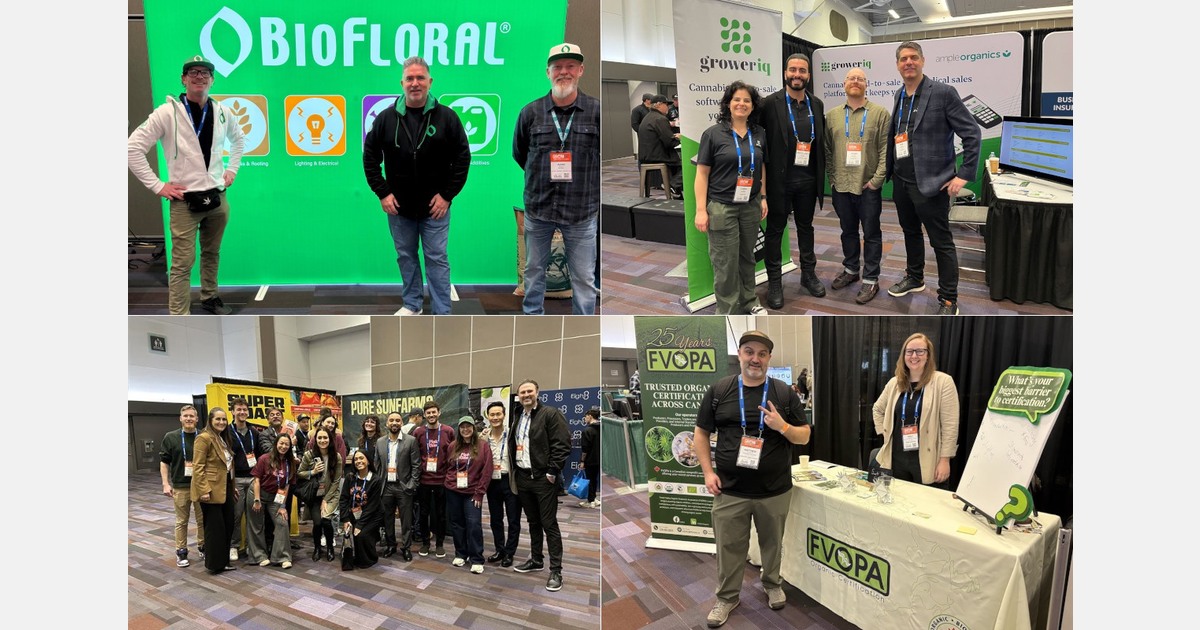
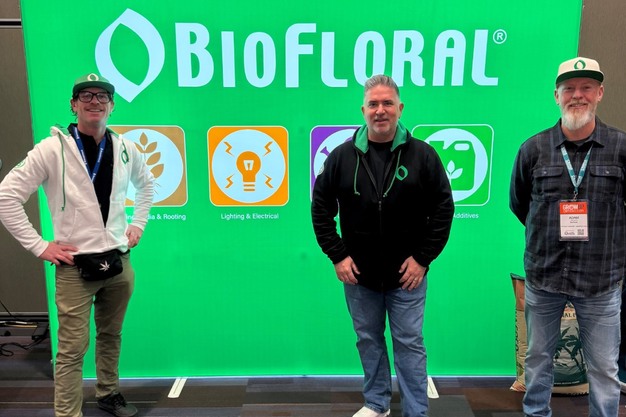
The start of this cannabis year was marked by the latest edition of the Grow Up conference in Vancouver, which seems to be setting the tone for what to expect from the industry in 2026. Exhibitors and attendees reported that the industry is becoming more measured, operationally focused, and increasingly aware that long-term viability depends on execution rather than wishful thinking. “Grow Up was a very positive experience, with direct and practical conversations with growers and partners. The event created a space for meaningful discussions, focused on current market realities and field-level challenges,” said the BioFloral team.
For Cannatrol, the show highlighted how it has become a post-harvest strategy. “In Grow Up 2026, Cannatrol brings technology that works where few solutions exist, setting new standards for the industry,” said David Sandelman, chief technology officer and company founder. Appearing at the event, along with new Canadian distribution partner Quality Horticulture, Cannatrol used the conference to highlight a once-left-behind process as an increasingly crucial part of every cannabis operation. “We’re here to show conference attendees why your post-harvest system matters even more than the growing process.”
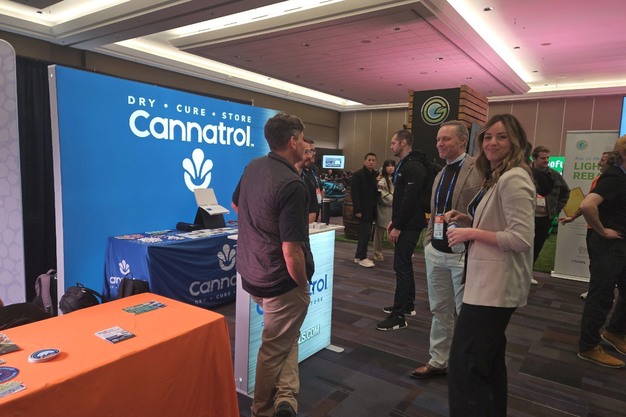
Since cannabis was regulated, many growers have focused more on maximizing fat space, relegating drying, curing and all that to a small part of their operation. So it seems that the industry is indicating that the sector is maturing, and the year 2026 is crucial to show this. “Cannatrol sees 2026 as a new phase of maturity for the cannabis industry driven by potential rescheduling and more disciplined business practices focused on operational efficiency.” In such an environment, he added, “quality and consistency are no longer differentiators, but critical drivers for producing top-notch craftsmanship and achieving successful business growth.”
The very tone of the event was in favor of this assessment. David described Grow Up as “a very positive experience, with direct and practical conversations with growers and partners”, noting that “the event created a space for meaningful discussions based on market realities and field-level challenges”. He also saw a clear change in behavior among producers. The same sentiment is echoed by the BioFloral team, who noticed that attendees were more interested in practical solutions than the latest shiny toy. “We’ve noticed an increasing focus on efficiency, consistency and long-term profitability. Growers seem less driven by novelty and more interested in stable, proven solutions.” 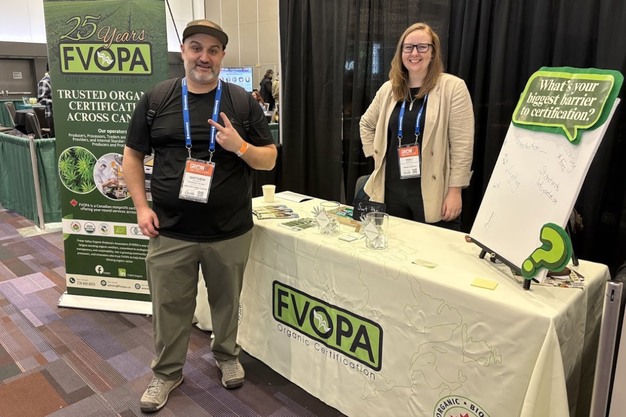
Exhibitors for the first time, such as the Fraser Valley Organic Producers Association, are joining the world of cannabis with a new benchmark in organic cannabis cultivation. “We really enjoyed being part of the Grow Up show this year. We received a great response from the attendees, with many expressing an interest in learning more about the organic certification of cannabis. As this was our first time attending the conference, we were very pleased with the diversity of industry players in attendance. It was particularly interesting to learn more about the research that some growers are doing into the medical use of cannabis.
Similar pragmatism emerged from brand-focused exhibitors. The Pure Sunfarms and Super Toast teams reported that Grow Up Vancouver provided a valuable opportunity to strengthen retail relationships and strengthen their presence in British Columbia. “Grow Up Vancouver was a strong opportunity to share more about our evolving portfolio, strengthen connections with retail partners and their teams, and highlight our deep connection to British Columbia as our home market,” the company said, adding that “the quality of the conversations was high and it was gratifying to see such thoughtful engagement across the industry.”
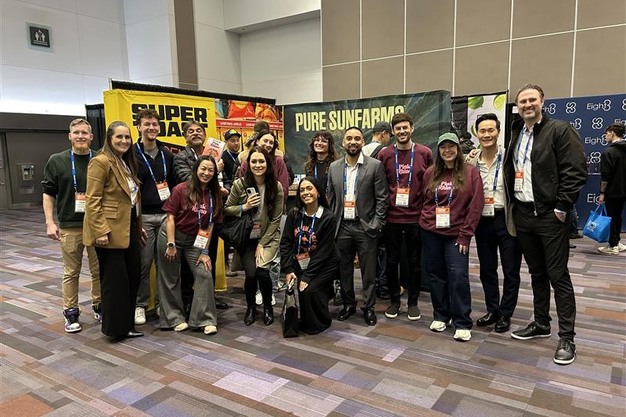
From the point of view of the market, retailers appear to be more and more selective. “One of the most noticeable changes is the continued push behind convenience-driven categories,” the team noted. “There is a strong demand for products that are easy to understand, easy to use and fit seamlessly into consumer routines, especially formats that prioritize consistency, quality and accessibility.”
For other attendees, Grow Up Vancouver also reinforced a sense of confidence in an industry that continues to grow despite many obstacles. “Grow Up Vancouver was the perfect start to 2026,” says Atiyyah Ferouz, founder of AgCann Consultancy. “There was a renewed energy and positivity that was palpable throughout the event.” This optimism was linked to a growing strategic awareness, especially regarding market diversification. “A big trend, which has been increasing year by year, is the focus on the export market,” continued Atiyyah. “We’ve spoken to a number of producers who have included export readiness as a key part of their 2026 strategy. In many of the conversations we had, producers were still keen to supply the Canadian market, but wanted to make sure their sales weren’t completely dependent on a single market.”
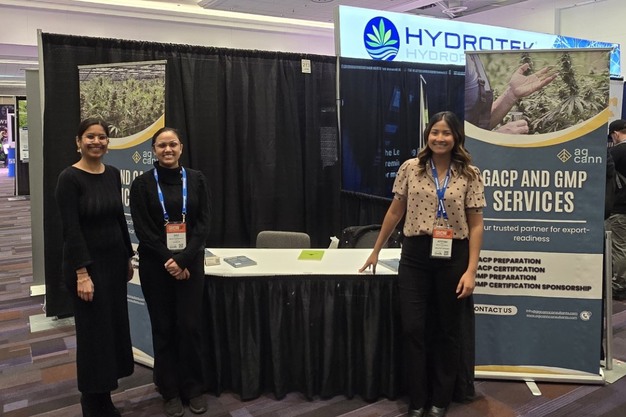
This vision is shaped by an industry that, despite pressure, is not standing still.” The Canadian cannabis industry is in a strong position today,” stated the GrowerIQ team. “Producers continue to benefit from expanded international legalization, global underproduction and the gradual reduction of the gray market. The continued maturation of Canadian and international supply chains has opened up access to markets that were previously difficult for medium and smaller producers to tap into.”
At the same time, challenges remain. “Regulatory complexity, taxation and access to capital continue to impact the industry,” they continued. “Competition from low-cost jurisdictions and domestic producers unloading excess product at discounted prices is keeping prices under pressure. Individual producers continue to face business-specific challenges, while the rapid pace of change in the sector increases these pressures. Those who cannot adapt quickly risk being left behind in this fast-moving market.”
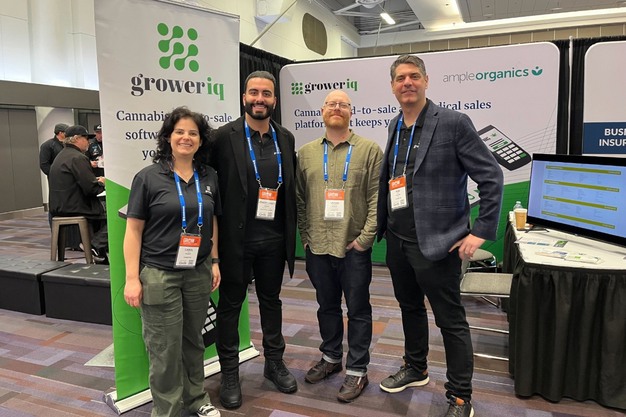
Despite the headwinds, there is cautious confidence. “2026 has the potential to be another challenging but successful year for the Canadian cannabis industry,” they concluded. The seed itself seems to be evolving along with the sector. “Grow Up continues to raise the bar every year,” said the GrowerIQ team. “Grow Up has truly established itself as Canada’s premier cannabis event.”
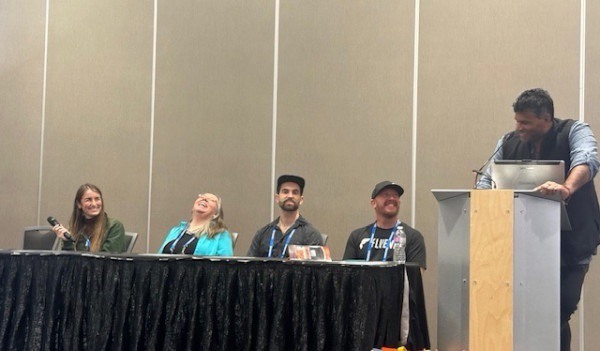
Overall, the Grow Up conference in Vancouver showed an industry that is recalibrating itself around consistency, efficiency and strategic resilience. Long (?) gone are the days of big announcements and earth-shattering innovations. The sector is preparing for its next tougher phase.
For more information:
grow up
growupconference.com









Entourage Health Corp. has entered creditor protection. The company and six related entities filed on June 17 under the Companies’ Creditors’ Arrangement Act owed approximately $240.1 million to the sole affiliate of the LiUNA Pension Fund, its owner, its secured creditor and the lender that is now funding the money (First Report pp. 3-6-9
That affiliate, 2437653 Ontario Inc. No. 1 company, Entourage, secured a 2024 deal that took the former WeedMD private and off the TSX Venture Exchange (December 2024 PR). Shareholders were paid half a Canadian cent per share, or C$0.005, and the board recommended a sale in December 2024 (December 2024 PR).
Jason Alexander, head of the special committee of independent directors, recommended to shareholders. “The transaction ensures that shareholders will receive immediate tangible value while positioning the Company for future growth and flexibility,” Alexander said (December 2024 PR). The company took on $167.6 million in debt in that sale, having already breached the covenant with the same guarantee (December 2024 PR). Eighteen months later that debt was $240.1 million when it was filed, and the growth promised by the sale is a settlement (First Report 6-18 p.

Adult use is off, medical is still running
The leisure business is closing, not saving. Entourage laid off about 53 workers in early June before the order, and 22 remain (First Report p. 6 Adult use inventory is being cleared, finished products are shipped to provincial distributors, and flowers are sold in bulk to the market to other licensed growers (First Report p. 12 Color Cannabis, Dime Bag and Saturday Cannabis are the brands going down with it (First Report p. 5
What remains open is the doctor’s arm as the exclusive supplier of cannabis under the Starseed brand to local residents of the Workers International Union of North America (First Report p. 5 The pension fund that funds the procedure is tied to the same union that the medical brand serves, and the part of Entourage that serves union members is the part that is kept alive while the rest is sold for parts.
At the end of July the money runs out with no new money (First Report p. 11 The money comes again from the pension fund affiliate, a $1.1 million debtor-in-possession facility at 5% per annum, no commitment fee, no exit fee (First Report pp. 10-11). The monitor, Ernst & Young, checked terms against other DIP loans in the cannabis sector from January 2024 and concluded that a third-party lender would not lend on better terms given the state of the business (First Report p. 11 The lender, which already owed $240 million, is the only one willing to advance another million to keep the lights on through the sale.
Health Canada is the largest unsecured creditor, owed $494,505, ahead of all suppliers and competitors on the company’s books (List of Creditors p. 1 Supreme Cannabis is owed $262,133, medical platform HelloMD is owed $169,564, the Town of Aylmer is owed $144,815, the Independent Retail Cannabis Board is owed $137,098 and High Tide is owed $124,583 (List of Creditors p. 1 Unsecured claims total $3,288,333 in more than 100 names, many of which have yet-to-be-determined amounts by medical clinics (List of Creditors 1-5 p. Against $240 million guaranteed, none of them will see much.
In the June 29 return, the lender asks the judge to extend the stay until August 28, approve the DIP facility, and double the Administrative and Directors fees to $500,000 each (First Report 4-8-12. p. The directorship is rising as directors face payroll, holiday pay and excise duties over a longer period of time, and the company’s directors and officers insurance expires at the start of July (First Report p. 12
The sales process starts on the same day, based on a marketing effort that started around May and was presented before the deal that sparked interest but no one could make a deal (First Report p. 13 Insiders and affiliates have until July 6th to say they intend to bid, the bid deadline is July 30th, the successful bid must be received by August 7th, and the outside deadline is August 28th (First Report p. 15 The affiliate of the pension fund has written to the Monitor that it will not make an offer (First Report p. 16), and any other affiliate that does so must be removed from the process (First Report p. 16 The settlement request for non-cannabis equipment and the sale of the Aylmer facility, a 26,000-square-foot extraction and processing facility that has been the company’s production base at 250 Elm St.
For more information:
Neighborhood Health
1.844.933.3636
(email protected)
entouragehealthcorp.com
Cannabis News
DEA And FDA Highlight How Marijuana Is Safer Than Alcohol And Opioids During Rescheduling Hearing’s Opening Day
cbdMD welcomes the Administration’s call for Congress to ensure fair treatment of hemp-derived products under federal law and calls for immediate action to revise hemp regulations to ensure fair treatment of hemp products under federal law.
In a letter to congressional leadership this week, the White House Office of Management and Budget identified hemp reform as a priority strongly supported by the Administration. The petition calls on Congress to ensure fair treatment of hemp-derived products by maintaining access to appropriate full-spectrum CBD products, and by maintaining Congress’ intent to reduce products that pose health risks. The administration also urged Congress to pass a responsible federal framework or at least extend the current implementation period to give lawmakers time to get policy right. The request builds on the president’s previous public statements urging lawmakers to protect access to full-spectrum CBD products that millions of Americans rely on.
“We are encouraged to see the administration so clearly championing the responsible, scientific hemp products that consumers depend on every day,” said Ronan Kennedy, CEO of cbdMD. “cbdMD has always believed that the future of this category is built on quality, transparency, and clear rules that separate them from bad actors. A federal framework that protects consumer access, promotes safety, and provides certainty to companies that provide certainty is what this industry and the people it serves deserve. We applaud the policymakers who are working to achieve this outcome.”
“We believe CbdMD is purpose-built for this next phase of the market,” added Kennedy. “Our focus remains on serving our customers with reliable and effective products, supporting responsible regulation and building long-term value for our shareholders as the category continues to evolve. Along the way, we will continue to evaluate the opportunities this evolving environment holds.”
For more information:
cbdMD 
cbdmd.com/

Weed Talk News with Alaina Pinto The B Block -5-29-24

CANNABIS CAREERS | KARSON HUMISTON

Marijuana Retail Report

Entourage Health, formerly WeedMD, enters creditor protection

DEA And FDA Highlight How Marijuana Is Safer Than Alcohol And Opioids During Rescheduling Hearing’s Opening Day

Cannabis Cultivation Workers at Ascend Wellness Strike In Illinois Over Unfair Labor Practices

Weed Talk News Special Report & Interview Redefining Hemp Throws Industry into Turmoil

INVESTING IN CANNABIS | EMILY PAXHIA

cbdMD welcomes White House call for fair treatment of hemp-derived products

Industry Sentiment vs Reality – Could The Hemp Ban Be Extended?

“Our system can manage equipment across 10,000+ m² using just a few wires”

Florida Workshop to Discuss What Constitutes a ‘Cartoon’ in Hemp Packaging

Mazar-i-Sharif Hash Wednesday

Afghan Black Hash Wednesday

Weak Michigan Cannabis Sales Again in July – New Cannabis Ventures

From Finance to Wellness: Brad Zerman’s Impactful Pivot

DEA’s Cole Reverses His “priorities” ; Prohibitionists Dig In; Dead & Co Celebrates 60 years in SF

Re-release of the full show of Cannabis Coast to Coast news. Republican Texas DA Fires Up vs. laws;

Curaleaf Q2 Revenue Falls 8% – New Cannabis Ventures

Your Cannabis Business: Consistent Filings Are Critical
-
 Cannabis News10 months ago
“Our system can manage equipment across 10,000+ m² using just a few wires”
-
 Florida11 months ago
Florida Workshop to Discuss What Constitutes a ‘Cartoon’ in Hemp Packaging
-
 Video9 months ago
Mazar-i-Sharif Hash Wednesday
-
 Video9 months ago
Afghan Black Hash Wednesday
-
 aawh11 months ago
Weak Michigan Cannabis Sales Again in July – New Cannabis Ventures
-
 Video11 months ago
From Finance to Wellness: Brad Zerman’s Impactful Pivot
-
 Video10 months ago
DEA’s Cole Reverses His “priorities” ; Prohibitionists Dig In; Dead & Co Celebrates 60 years in SF
-
 Video11 months ago
Re-release of the full show of Cannabis Coast to Coast news. Republican Texas DA Fires Up vs. laws;