
Cannabis News
Hawaii Lawmakers Approve Bill To Create Psychedelics Task Force Charged With Studying Psilocybin And MDMA

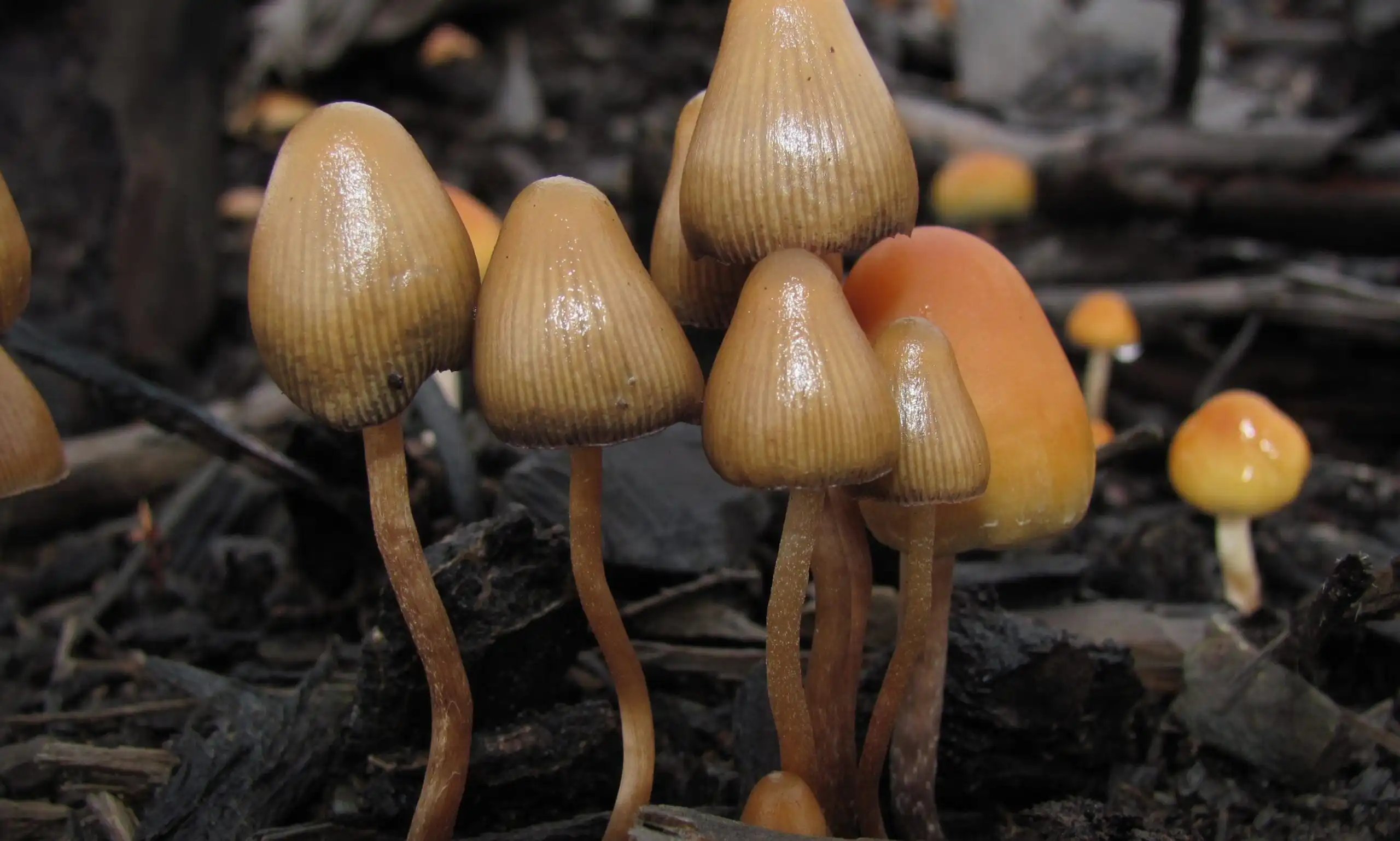
Another Hawaii House committee has passed the Senate-passed bill creating a psychedelic task force responsible for analyzing and making policy recommendations about providing access to breakthrough therapies like psilocybin and MDMA.
The House Finance Committee advanced the legislation to Sen. Chris Lee (D) on a 15-0 vote Tuesday. The measure, which passed the Senate last month by a 24-0 vote, will next go to the House floor before returning to the Senate for that chamber to consider final amendments.
The bill would create Creative Mental Health Therapy, a two-year review of the current scientific literature, supporting additional clinical research and developing policy recommendations for the “safe, ethical, and culturally informed implementation” of a psychedelic therapy program.
“The Legislature believes in addressing the mental health crisis affecting the State’s residents, particularly among veterans, first responders and trauma survivors,” SB 3199 reads. “Suicide remains the leading cause of preventable death, and the State must explore all safe and effective treatment options supported by scientific evidence.”
Given that the Federal Food and Drug Administration (FDA) has designated psilocybin and MDMA as breakthrough therapies in the treatment of serious mental health conditions, which may be subject to future control under the Controlled Substances Act (CSA), Hawaii’s legislation states that the state must “proactively prepare public health, clinical and research systems for safe and equitable implementation.”
The state Department of Health said in House committee testimony that it supports the bill, noting that in light of the FDA’s action on psychedelics, it is “prudent for Hawaii to assess research readiness, regulatory implications, workforce development and culturally informed implementation pathways” before any federal rescheduling of the substances.
The Governor’s Office of Wellness and Resiliency said the bill “has an important opportunity to begin paving a planned pathway for people who need access to life-saving treatments for trauma and other mental health issues.”
“A growing body of research demonstrates that breakthrough therapies (such as MDMA and psilocybin-assisted therapies) demonstrate high efficacy and positive clinical outcomes in the treatment of post-traumatic stress disorder, substance use disorders, end-of-life anxiety, eating disorders, depression, treatment-resistant, and additional conditions in terminally ill patients.”
Team members should include representatives from the State Department of Health (DOH), the Office of the Attorney General, the Office of Wellness and Resiliency (OWR), the University of Hawaii School of Medicine, and more.
Like the draft, the DOH would oversee the task force, an amendment approved by the House Health Committee last month makes the University of Hawaii John A. Burns School of Medicine (JABSOM) the responsible institution, and JABSOM’s nominee as the panel’s chairman.
The commission also adopted amendments suggested by the Department of Law Enforcement to say that its Division of Narcotics Enforcement — and not the Board of Pharmacy — would be responsible for changing the state’s scheduling of psychedelics after any federal reclassification, and to change the deadline for doing so from 90 days to 30 days.
Members note in their bill report that the state Agency for Health Planning and Development has expressed concern that psychedelics are illegal under federal law and that the task force should proceed with caution.
Finally, the panel made technical corrections for clarity, consistency, and style.
If ordered, it appears invoice would be It was first assembled in 2023 based on prior work by a separate psychedelic task force.With a similar goal of exploring avenues for therapeutic access in breakthrough drugs approved by the FDA such as psilocybin.
—
It’s Marijuana Time tracking hundreds of cannabis, psychedelic and drug policy bills in state legislatures and Congress this year. Patreon supporters by pledging at least $25/month, you’ll get access to our interactive maps, charts, and audio calendars so you never miss a development.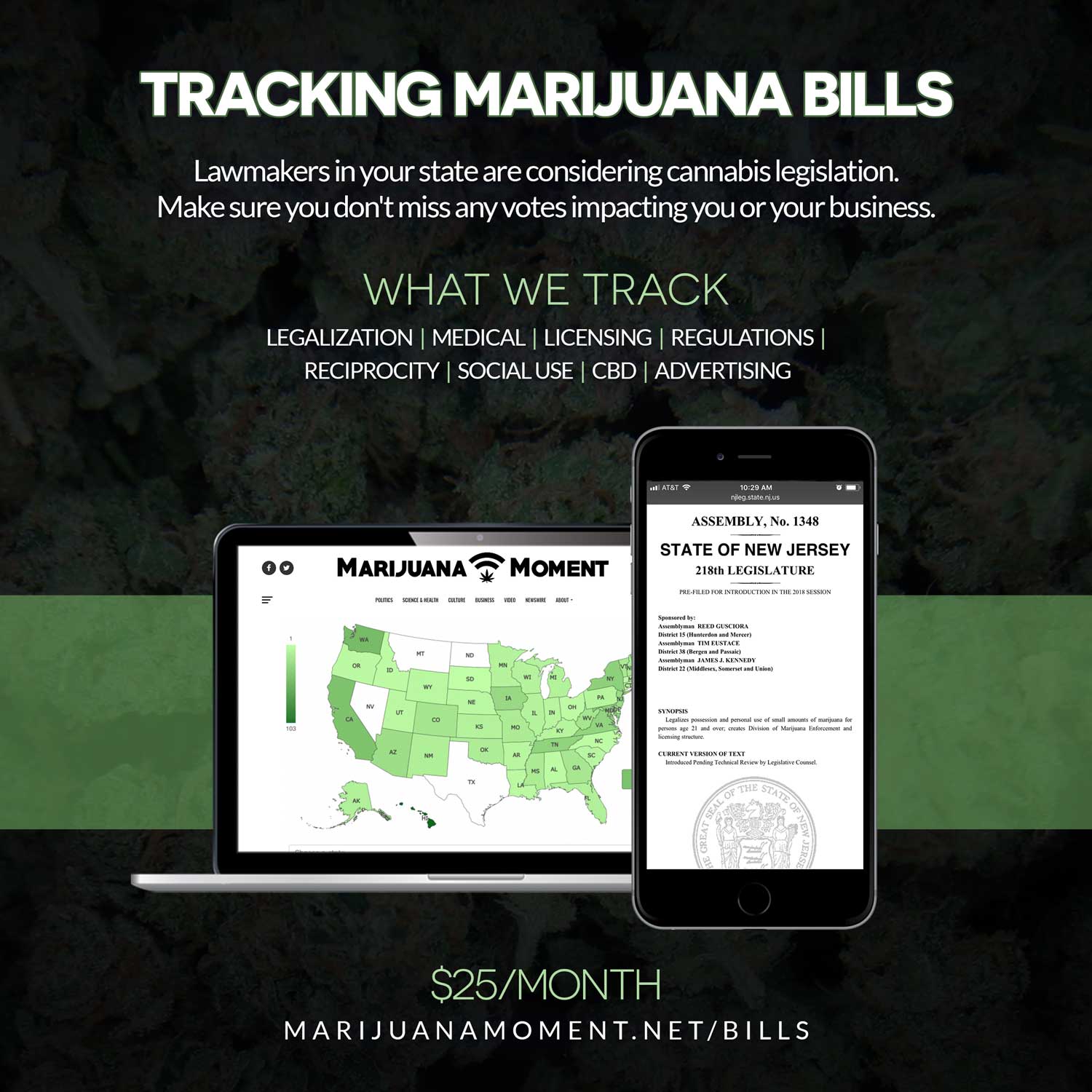
Learn more about our marijuana bill tracking and become a Patreon supporter to gain access
—
Meanwhile, Hawaii senators recently passed a bill to legalize low-dose, low-potency marijuanathe legislation did not advance the necessary steps before a crucial deadline, so it is dead for the year.
A separate marijuana legalization bill, SB 2421, that contained provisions under federal reform law or amendments to the state Constitution, was delayed for action. The Senate and House panels also delayed action on a measure to sell certain hemp-derived cannabinoid products.
These actions follow Senior lawmakers in the House indicated that proposals to legalize cannabis would not move forward In the 2026 session, citing the lack of sufficient support in their chamber.
Earlier this month, a Hawaii Senate committee unanimously approved legislation to allow patients immediately enter medical cannabis after submitting their recordsinstead of waiting for the cards to be delivered, as is the case under current legislation.
A Senate committee also adopted the resolutions Asking Congress to federally legalize marijuanasupport the state’s efforts to clean up people’s criminal records and take steps to make it easier for cannabis companies to access banking services.
Another Senate panel advanced separate resolutions urging the state attorney general and the health department to seek a waiver from the Drug Enforcement Administration (DEA). Hawaii is allowed to run its cannabis program without federal interference.
user photo Wikimedia/Mushroom Observer.
Marijuana Moment is made possible with the help of readers. If you rely on our pro-cannabis journalism to stay informed, consider a monthly Patreon pledge.


cbdMD welcomes the Administration’s call for Congress to ensure fair treatment of hemp-derived products under federal law and calls for immediate action to revise hemp regulations to ensure fair treatment of hemp products under federal law.
In a letter to congressional leadership this week, the White House Office of Management and Budget identified hemp reform as a priority strongly supported by the Administration. The petition calls on Congress to ensure fair treatment of hemp-derived products by maintaining access to appropriate full-spectrum CBD products, and by maintaining Congress’ intent to reduce products that pose health risks. The administration also urged Congress to pass a responsible federal framework or at least extend the current implementation period to give lawmakers time to get policy right. The request builds on the president’s previous public statements urging lawmakers to protect access to full-spectrum CBD products that millions of Americans rely on.
“We are encouraged to see the administration so clearly championing the responsible, scientific hemp products that consumers depend on every day,” said Ronan Kennedy, CEO of cbdMD. “cbdMD has always believed that the future of this category is built on quality, transparency, and clear rules that separate them from bad actors. A federal framework that protects consumer access, promotes safety, and provides certainty to companies that provide certainty is what this industry and the people it serves deserve. We applaud the policymakers who are working to achieve this outcome.”
“We believe CbdMD is purpose-built for this next phase of the market,” added Kennedy. “Our focus remains on serving our customers with reliable and effective products, supporting responsible regulation and building long-term value for our shareholders as the category continues to evolve. Along the way, we will continue to evaluate the opportunities this evolving environment holds.”
For more information:
cbdMD 
cbdmd.com/
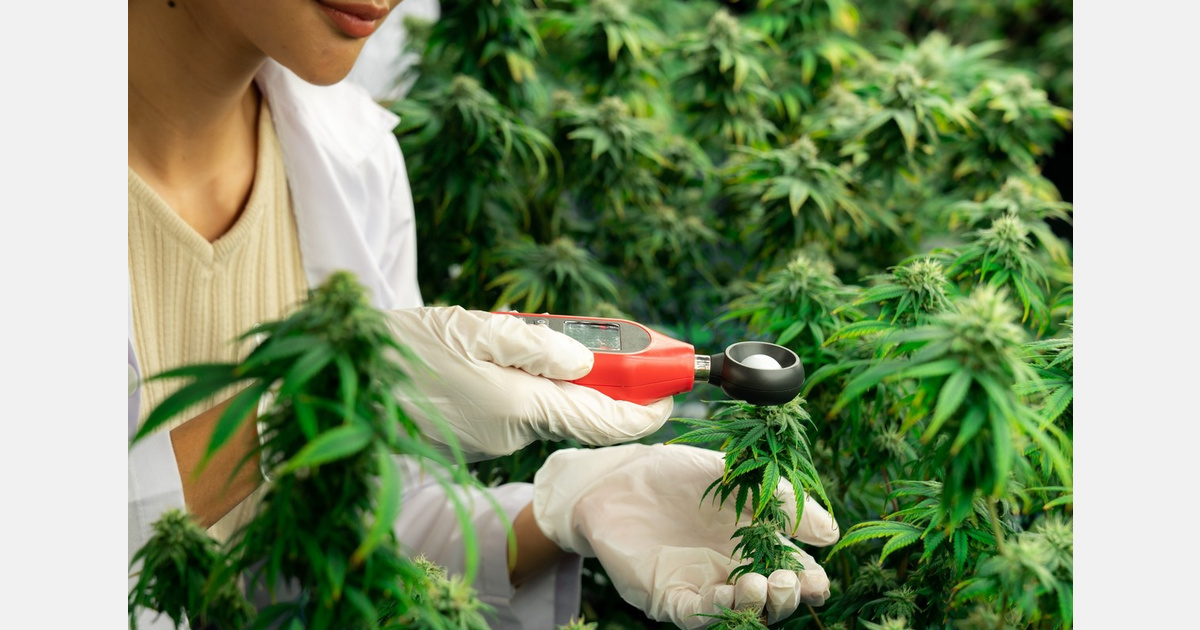
Two new RAND reports commissioned by the Richard M. Fairbanks Foundation outline the policy options and financial commitments facing Indiana as the state debates whether to change its cannabis laws amid restrictions across the country.
Reports show that 44% of Indiana residents live within 50 miles of a licensed dispensary in a neighboring state, and 96% live within 100 miles, as three of Indiana’s four states have legalized adult-use cannabis. At the same time, intoxicating hemp products containing the same psychoactive compound as marijuana are available at gas stations, convenience stores and grocery stores throughout Indiana with limited oversight.
Cannabis use in Indiana has doubled in the past decade, with a significant increase among adults 26 and older. RAND estimates that 1.3 million Hoosiers used cannabis in 2024 and spent $1.8 billion on marijuana products that year. Indiana recorded more than 13,000 cannabis-related arrests in 2024, with more than 90% for possession and more than 75% for non-cannabis related charges. The state spends $10 million to $20 million annually on cannabis law enforcement.
Rather than recommending a specific policy, the RAND reports outline four broad options: maintaining prohibition, reducing criminal penalties for possession, legalizing medical cannabis, or legalizing the adult recreational use market. Legalizing adult-use cannabis would generate about $180 million in annual state revenue, roughly 1 percent of the state’s general fund, well below some previous projections and less than half of the $385 million in combined cigarette and alcohol tax revenue Indiana will collect in 2025, according to the Indiana Department of Revenue.
Legalization would also entail significant upfront costs, and ongoing regulatory costs could reach the low tens of millions of dollars annually, outweighing the savings from reduced criminal justice spending. RAND identifies 14 policy considerations important to establishing legal markets, each with its own public health and state economic implications.

Weed Talk News Special Report & Interview Redefining Hemp Throws Industry into Turmoil

INVESTING IN CANNABIS | EMILY PAXHIA

cbdMD welcomes White House call for fair treatment of hemp-derived products

Industry Sentiment vs Reality – Could The Hemp Ban Be Extended?

Applications For Missouri Marijuana Microbusiness Licenses Will Open Next Month

Half of Gen Z Diagnosed with Depression Report Using Cannabis

Will the Farm Bill of 2024 Close Down Hemp Derived Highs? The Full A and B Blocks of Weed Talk News

Let’s Be Blunt with Montel – Algorithmic Boost Request – 2000000 #YTBoostRequest

RAND estimates Indiana adult-use cannabis could yield $180M in annual revenue

Institutions Evaluate Cannabis While Trulieve CEO Sells Shares

“Our system can manage equipment across 10,000+ m² using just a few wires”

Florida Workshop to Discuss What Constitutes a ‘Cartoon’ in Hemp Packaging

Mazar-i-Sharif Hash Wednesday

Afghan Black Hash Wednesday

Weak Michigan Cannabis Sales Again in July – New Cannabis Ventures

From Finance to Wellness: Brad Zerman’s Impactful Pivot

DEA’s Cole Reverses His “priorities” ; Prohibitionists Dig In; Dead & Co Celebrates 60 years in SF

Re-release of the full show of Cannabis Coast to Coast news. Republican Texas DA Fires Up vs. laws;

Curaleaf Q2 Revenue Falls 8% – New Cannabis Ventures

Your Cannabis Business: Consistent Filings Are Critical
-
 Cannabis News10 months ago
“Our system can manage equipment across 10,000+ m² using just a few wires”
-
 Florida11 months ago
Florida Workshop to Discuss What Constitutes a ‘Cartoon’ in Hemp Packaging
-
 Video9 months ago
Mazar-i-Sharif Hash Wednesday
-
 Video9 months ago
Afghan Black Hash Wednesday
-
 aawh11 months ago
Weak Michigan Cannabis Sales Again in July – New Cannabis Ventures
-
 Video11 months ago
From Finance to Wellness: Brad Zerman’s Impactful Pivot
-
 Video10 months ago
DEA’s Cole Reverses His “priorities” ; Prohibitionists Dig In; Dead & Co Celebrates 60 years in SF
-
 Video11 months ago
Re-release of the full show of Cannabis Coast to Coast news. Republican Texas DA Fires Up vs. laws;