
Cannabis News
How cannabis became a science-backed crop

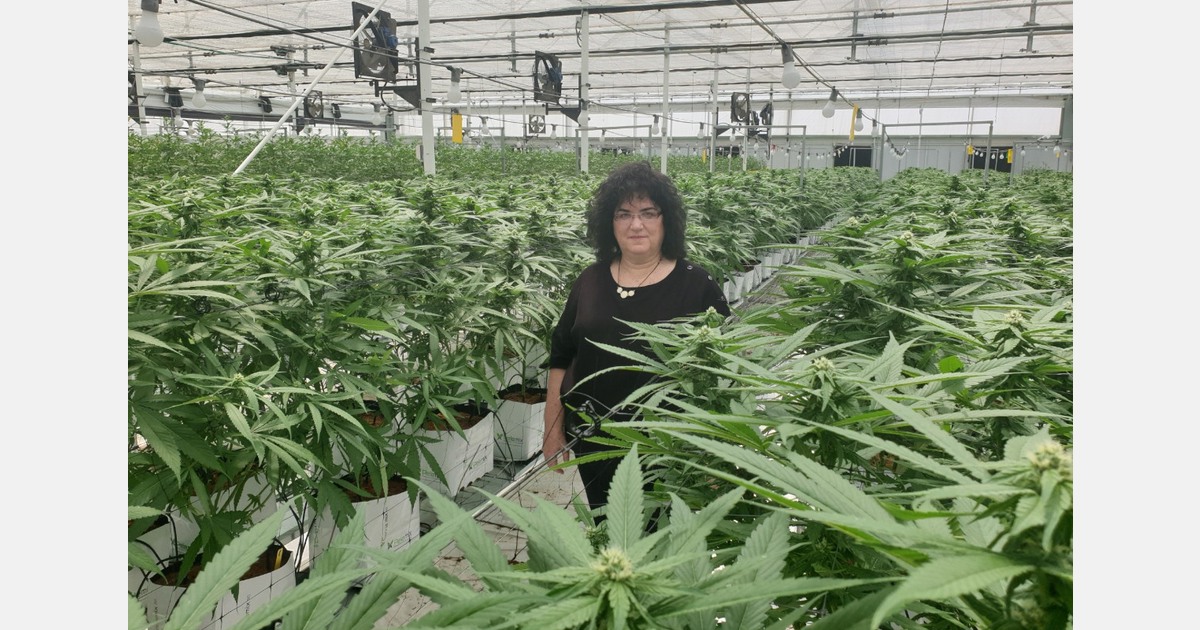
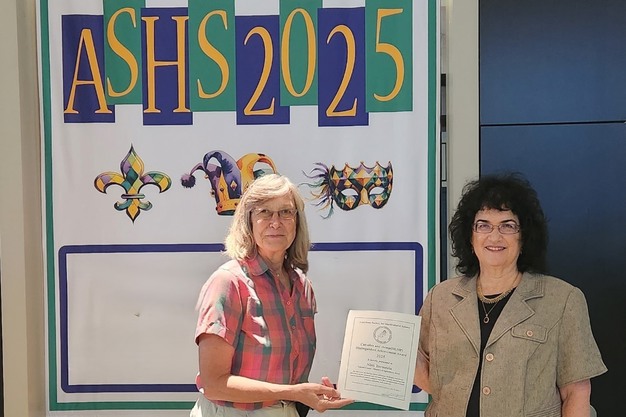
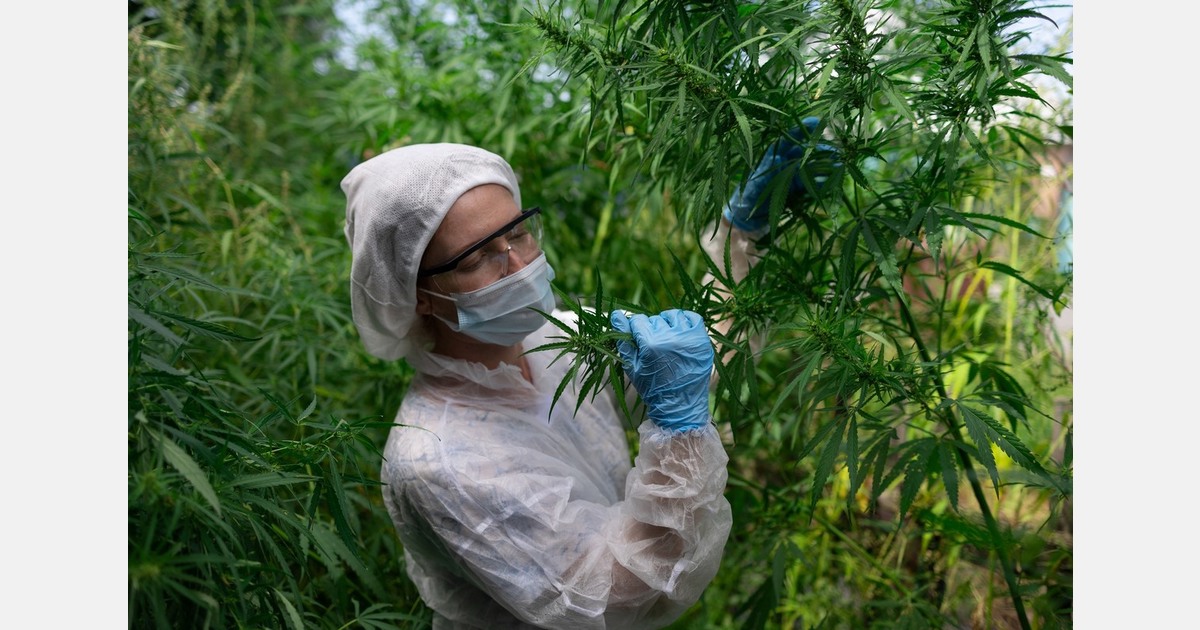
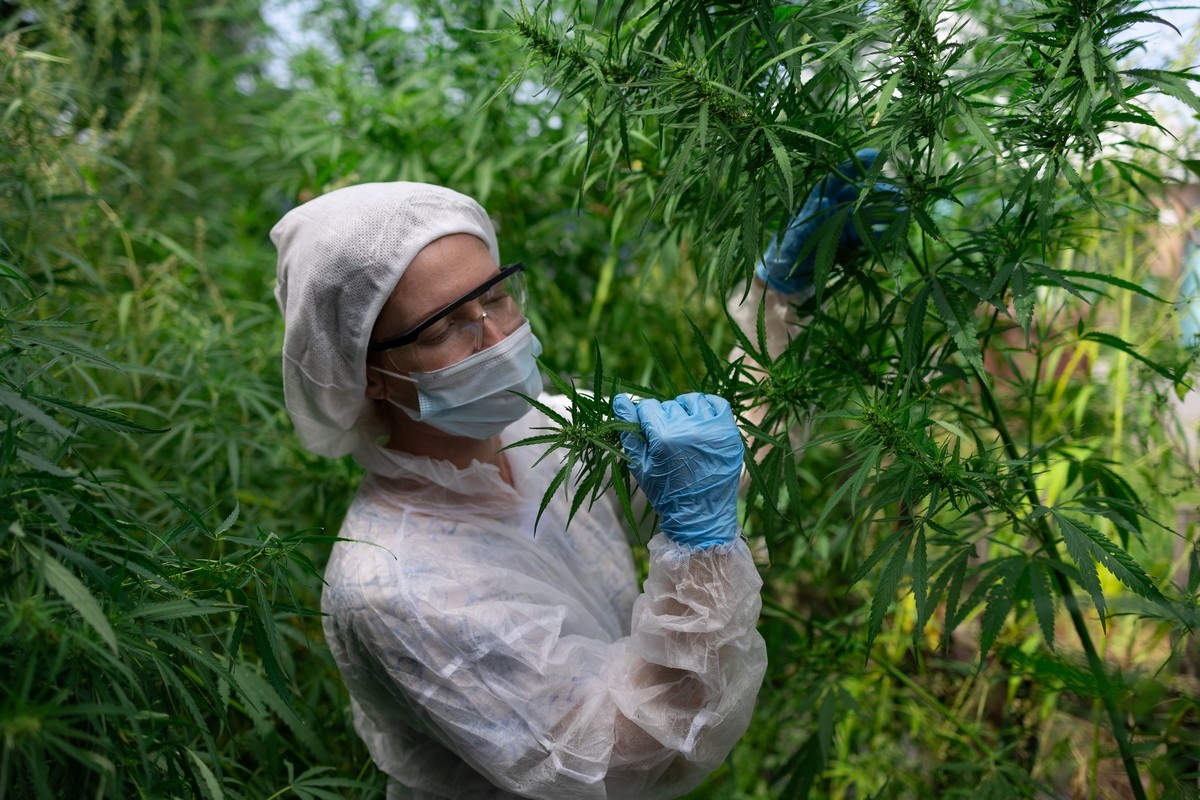
Recognition of one’s work can take many forms, from peer recognition to institutional awards, and in some cases comes repeatedly throughout a career. This is the course of the cannabis research work of Prof. Nirit Bernstein of the Volcani Institute, which recently ended with the “Cannabis and Hemp Distinguished Achievement Award” given to the Israeli researcher by the American Society of Horticultural Science.
 © Nirit Bernstein
The beginning of the modern science of cannabis
Nirit started working with cannabis about 14 years ago, long before the crop gained its current institutional legitimacy. At that time, he approached the Israeli Ministry of Health, through its Medical Cannabis Unit, with a formidable request: to help define cultivation protocols for a crop that is poorly understood from a plant science perspective, to ensure that the plant product is safe for consumers, and to provide growers with the necessary agronomic support. “Back then there was almost no information about the plant science and agronomy of cannabis,” he says. “It was very difficult to establish a cannabis research program at the time because there was no funding, but I felt a great responsibility to do it.”
He did what any academic would do, turned to the scientific literature. For any other well-studied crop, the answers would have been numerous. For cannabis, there was basically nothing. “Cannabis is not a new crop, people have been using it basically forever, so I was hoping to find some useful information,” recalls Nirit. “But when I looked at it, there was basically zero. At that point I understood that if we wanted answers, I would have to start from the very beginning.”
This absence prompted him to redirect his research activity almost entirely to cannabis. Early work focused on the basics, not reinventing the wheel to get into the cannabis side of things, but because every discipline needs a framework to build upon if complex issues are to be addressed. “How the plant responds to mineral nutrition throughout its life cycle. How the vegetative and reproductive stages change in their requirements. What happens when inputs are boosted, limited or misaligned. All of this is decades of knowledge in all crops, but for cannabis it was all new territory.” Nitrogen became one of the first focuses, followed by potassium, phosphorus and magnesium, each of which was systematically analyzed. “Each time we found the optimal level, it became the basis for the next analysis,” he explained. “It was a very cumulative process.”
Academy for cannabis growers © Nirit Bernstein
As soon as Nirit started presenting the first data at conferences, it became clear how hungry the industry was for validated information. Growers, consultants and companies began arriving in volume with very specific questions about nutrient ratios and cropping decisions, often driven by hereditary practices. “For years, I received hundreds of emails and requests every week,” he says. “People would ask about nitrogen, potassium, light, irrigation, crop management and what not…very practical things. You really feel the responsibility, you know the industry is listening.”
The science of cannabis plants is advancing
This sense of responsibility dictated the direction of his laboratory. His research expanded into environmental drivers, light spectra, HPS versus LED, pruning strategies, plant density, and plant architecture, including some early peer-reviewed work on hood uniformity in cannabis chemistry. “We had very little information about the plant, but at the end of the day cannabis is just a plant,” said Nirit. “Interesting, yes, but it still follows physiological rules that need to be understood.”
As the field arrived, so did the questions. Attention was focused on inflorescence development, trichome ripening and harvest time, with industry conventions still struggling to fully distance themselves from heritage practices. “There’s been a lot of change in the last 9 years,” he says. “In the past, people harvested trichomes when they were about 50% amber. Today, many harvest them as soon as they start to turn amber, but we don’t have enough information about how growing conditions affect that process.”
This gap is now central to his research. With international collaborators, including projects funded by the Cannabis Research Institute in Colorado, Nirit is studying not only pesticide residues, but also how pest management strategies affect secondary metabolism. “It’s not just about waste anymore,” he explained. “If you spray the plant, even with terpene-containing botanicals, that can have a dramatic effect on the production of secondary metabolites.”
The physiology of stress has become another key focus. Time and time again, his work has shown that peak concentrations of cannabinoids and terpenes often coincide with how the plant reacts to stressors, an observation long known to growers. “Stress often affects secondary metabolism,” he says. “What we’re trying to do now is to develop extraction methods that trick the plant into thinking it’s under stress while it’s growing under optimal conditions.”
 © Nirit Bernstein
This willingness to investigate grounded practices has continually encouraged her to question her research heritage methods. Physical injury, long dismissed as superstition, was shown to have some stimulatory effects on secondary metabolites. “They told us it worked, and they were right,” he says. Flushing, another divisive subject, showed no consistent increase in cannabinoid levels, but no harm either. “My recommendation is to clean it,” he added. “It helps to save money, it does not damage the plant and it improves the conditions of the soil, especially when growers have used too much fertilizer.”
Further experimental work continues in parallel, including carefully measured salinity stress in the last days before harvest, prolonged preharvest light or darkness, and studies on heavy metal uptake. “Hemp is a hyper accumulator, and ‘drug-type’ cannabis was never really tested for that in a medical context,” he explains. “Some of the nutrients we give to plants, such as iron, zinc, manganese, copper, are heavy metals. The question is how much we can give in the inflorescences and in the extracts produced without reaching critical thresholds.”
In all these lines of research, the methodology remains consistent. “We’ve put a lot of effort into understanding the physiology and biology of the plant,” says Nirite. “Not only agronomy, but also chemistry and the physiological function of plants. Then we translate this knowledge into practical applications. This is how we work in my laboratory.”
Thanks to this approach, Nirite has achieved a series of international recognitions in recent years, from the ‘American Chemical Society’, the ‘American Society of Agronomy’, the ‘American Society of Horticultural Sciences’, to agronomic and horticultural organizations throughout Europe and Israel. The “Cannabis and Hemp Distinguished Achievement Award” now joins that list to confirm that cannabis plant science has reached a level of maturity where fundamental work can finally be recognized as such.
“Cannabis is a fascinating plant,” reflects Nirite. “Not just because of the chemistry, but because the physiology can be so different between cultivars. The more we learn, the clearer it becomes how much we don’t know.”
For more information:
Institute Volcanoes
+9723-968-3226
(email protected)
agri.gov.il










Cresco Labs has obtained a Texas Compassionate Use Program License. It is a vertically integrated license that allows Cresco Labs to cultivate, process and distribute medical cannabis.
“Texas patients deserve access to consistent, quality medicine, and we’re excited. Our track record in medical markets reflects our ability to build strong programs that put patients and communities first,” said Charlie Bachtell, CEO of Cresco Labs. “Winning a license in Texas through a merit-based application demonstrates Cresco Labs’ deep regulatory expertise and thoughtful approach to meaningful local engagement. Organic licenses enable capital-efficient market entry, and our cash flow and balance sheet give us the financial flexibility to invest in and grow our scaled platform for the long term.”
This license advances Cresco Labs’ state-by-state growth strategy and ensures access to one of the largest patient populations in the United States. Texas is the nation’s second most populous state, approaching 30 million people, and continues to see ongoing legislative efforts to improve patient access and expand eligibility.
Cannabis News
Missouri Lawmakers Pass Bill To Ban Intoxicating Hemp THC Products, Sending It To Governor


Germany imported 2025 tons of medical cannabis. Part of that volume came from a Portuguese processor whose license had been revoked, which was unloaded below cost as it was reinstated. The episode sparked attention, and consequences followed. PTMC’s Joao Duarte believes that most of these conclusions are wrong. “Eight tons is not even 5% of what Germany consumes per year,” he says. “For that to result in price dumping, the math just doesn’t work.”
Structural price pressure
According to him, the price pressure in Portugal is mainly structural. “The more countries that get into production and start exporting, the lower the prices will be. Today, Colombia is exporting, Costa Rica is exporting, and Brazil, with the scale it can bring to outside cultivation, is not far behind. Canada has been the main volume supplier to markets in Germany, Australia, Israel and the UK due to the strength of low-priced flowers from European producers. Again, and fast.” It draws a direct line with what happened in the CBD market in previous years, when prices were compressed as supply expanded and operators without cost or quality advantages found themselves without a market. Medical flower THC, he says, is following the same logic over a longer timeline.
To lift the burden of this price pressure, the answer obviously lies in the right regulations and policies. These should be based on the principles of providing high quality medicines to patients. To achieve this, the flowers must reach the consumers shortly after they are picked. As simple as it sounds, proximity is Portugal’s real advantage. “The fresher the flower is when it reaches the patient, the better the quality,” he says. “Only proximity gives that.”
 © Henner Damke | Dreamstime
A turning point
As for the regulatory issue, Joao points to Portugal’s eight-year history of medical cannabis as a distinguishing feature, following last year’s police raids. Organizations that have long been involved in the licensing and enforcement framework have developed standards and experience in applying them. “Our GMP standards are real,” he says. “They are not a number on a certificate.”
The damage to the reputation of these raids, in his opinion, is exaggerated. “There is always a scandal in the industry,” he said. “That doesn’t necessarily mean it’s over, that a country’s economic sector has been kicked out. Canada, the largest exporter of cannabis, is the clearest example of that. Everyone remembers the CannTrust scandal in 2019, which made international headlines. That didn’t kill the Canadian industry until it became them, the regulatory system moved in their work. It looks like.”
EU-GMP clearance
One important area is EU GMP clearance, the practice of converting imported flowers through a European facility to obtain certification that the original material would not otherwise carry. “We would have more value growing the flowers than doing the conversion,” he says. For Portuguese producers, the practice reduces the premium that EU GMP certification must entail and makes it more difficult to distinguish domestically grown product from processed imports at the point of sale.
To each his own
Joao does not believe that other European countries can take Portugal’s place in the old continent’s cannabis industry. “This is simply because it’s not one thing for a country to be active in one sector and then push out another. It’s an open market, everyone participates at different levels.” As a neighbor, Joao cites Spain as an example. The country currently has less than ten licensed producers and has yet to build the export infrastructure or regulatory track required by the markets. “I don’t see Spain coming and taking over,” he says. “Both Spain and Portugal will take market share. Operators with established contracts will continue to move product. After that, it’s about quality and price.”
Denmark, he says, is an immediate competitive variable, producing significant quantities and moving into European markets with momentum. Portugal is currently among the top three to five exporters to Germany and has established positions in Australia, Israel and the United Kingdom. “This reflects accumulated capacity rather than regulatory time, and it’s not something that goes away because a processor loses its license,” he says.
A common European pricing policy, along the lines of the state-controlled model in France, is a mechanism that the industry should collectively push for. Without this, individual producers are left to absorb the cost pressures of suppliers operating on a scale that European policy has no current framework for. “We should aim to have good flowers,” he says. “We must not aim to demolish Portugal.”
For more information:
PTMC
ptmc.pt

Bloom House Garden Tour

Legalization vs. Decriminalization; Harris v. Trump; Newsom makes good on Hemp ban by opening cafes!

How To Use A Trellis Net To Get Bigger Buds

HOW TO BE AN ENVIRONMENTALLY FRIENDLY CANNNABIS BUSINESS | JESCE HORTON

Missouri Cannabis Regulators Seek Alternatives To Track-And-Trace Leader Metrc

Cresco Labs gets Texas license

Missouri Lawmakers Pass Bill To Ban Intoxicating Hemp THC Products, Sending It To Governor

Massachusetts Cannabis Operators Sue to Block Adult-Use Repeal Effort

VS Runtz #7 Marijuana Monday

ELON MUSK and X “green” light his platform for the cannabis industry! CCC in Bay State fine 2 MSO’s

“Our system can manage equipment across 10,000+ m² using just a few wires”

Florida Workshop to Discuss What Constitutes a ‘Cartoon’ in Hemp Packaging

Mazar-i-Sharif Hash Wednesday

Re-release of the full show of Cannabis Coast to Coast news. Republican Texas DA Fires Up vs. laws;

From Finance to Wellness: Brad Zerman’s Impactful Pivot

Weak Michigan Cannabis Sales Again in July – New Cannabis Ventures

DEA’s Cole Reverses His “priorities” ; Prohibitionists Dig In; Dead & Co Celebrates 60 years in SF

Your Cannabis Business: Consistent Filings Are Critical

New Hampshire Governor Says Federal Marijuana Rescheduling Won’t Change Her Opposition To Legalization

Texas DA Partakes on Tik Tok to prove a point; Boston Sheriff arrested for Extortion of $ w/ Ascend
-
 Cannabis News7 months ago
“Our system can manage equipment across 10,000+ m² using just a few wires”
-
 Florida8 months ago
Florida Workshop to Discuss What Constitutes a ‘Cartoon’ in Hemp Packaging
-
 Video6 months ago
Mazar-i-Sharif Hash Wednesday
-
 Video8 months ago
Re-release of the full show of Cannabis Coast to Coast news. Republican Texas DA Fires Up vs. laws;
-
 Video8 months ago
From Finance to Wellness: Brad Zerman’s Impactful Pivot
-
 aawh8 months ago
Weak Michigan Cannabis Sales Again in July – New Cannabis Ventures
-
 Video7 months ago
DEA’s Cole Reverses His “priorities” ; Prohibitionists Dig In; Dead & Co Celebrates 60 years in SF
-
 Cannabis News8 months ago
New Hampshire Governor Says Federal Marijuana Rescheduling Won’t Change Her Opposition To Legalization