
Cannabis News
Nighttime humidity is not a problem that needs to be vented away

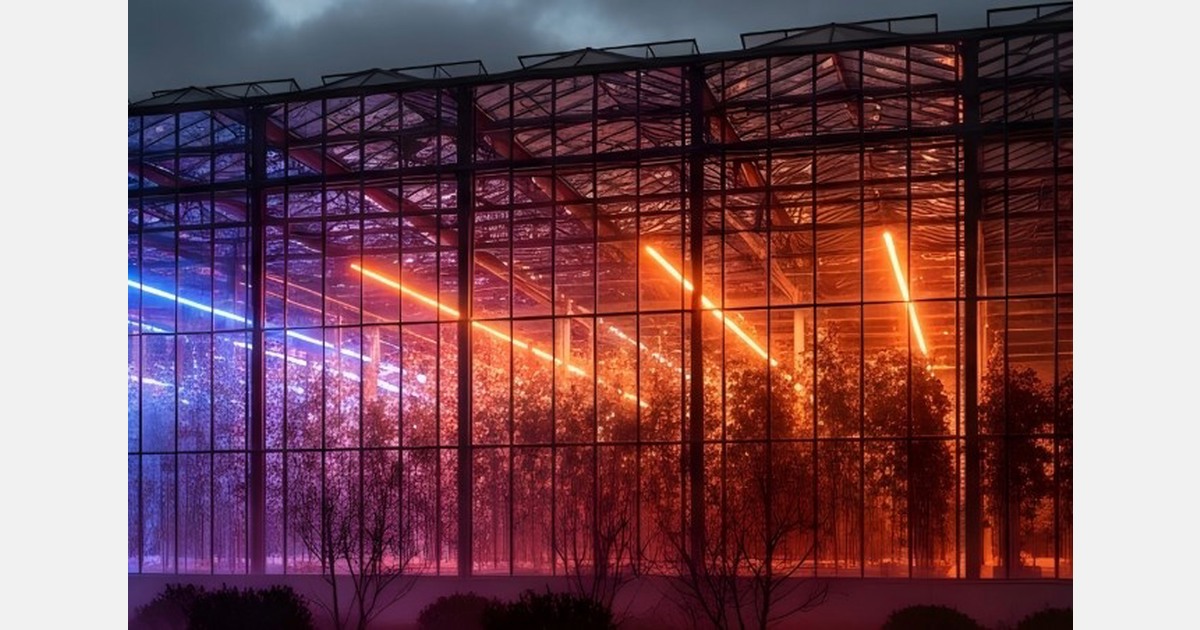
Night hours present a persistent and costly challenge for commercial greenhouse operators. When the thermal screens are closed and the ventilations are closed, the greenhouse is closed, trapping the moisture produced by the crop. This creates a high-stakes battle against condensation, disease and unnecessary energy loss. Amir Kandlik, B.Sc. Plant Science and Genetics in Agriculture and agronomist with Drygair explores the critical problem of nighttime humidity and explains the strategic shift from traditional ventilation-based control to a system built around active indoor dehumidification. “This ‘closed greenhouse’ approach improves energy efficiency and supports stronger crop health.”
 © Drygair
Night challenge: Thermodynamic and pathological risk
“At night, plants continue to transpire even though photosynthesis has stopped. Without the drying effect of daytime conditions, the air mass in the greenhouse quickly approaches saturation,” says Amir. “Traditional methods rely on ventilation, but ventilation replaces warm, CO₂-rich air with cold outside air. This increases heating demand, destabilizes temperatures and can introduce more moisture, especially in humid weather.”
A variation of this, heating the air before it is vented, wastes energy because the air conditioner is blown out immediately. “In cold, rainy, or snowy conditions, ventilation becomes impossible and humidity increases unchecked. As relative humidity rises above 85 percent and temperatures drop, surface temperatures can drop below the dew point. Condensation then forms on leaves, fruit, and structural elements, creating conditions that promote Botrytis, powdery mildew, and powdery mildew.”
Solution: “Closed” paradigm with active dehumidification.
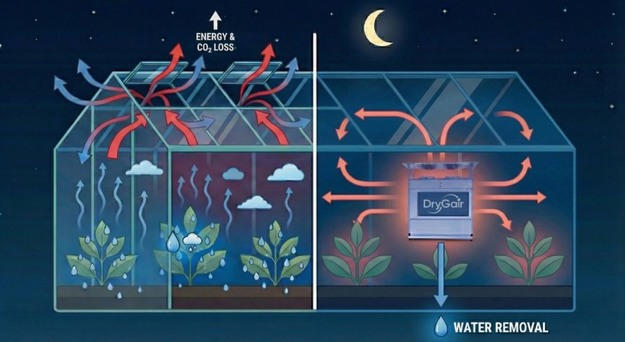
A more advanced strategy replaces night ventilation with active internal dehumidification, keeping the greenhouse closed. Amir explains that it starts when the unit pulls in moist air, cools it below its dew point and condenses the water vapor into liquid form. “The latent heat released by condensation is captured and recycled, heating the dry air before redistributing it throughout the cottage. Instead of losing heat to dryness, this method converts moisture into heat and creates a net positive energy cycle.”
 © Drygair
Basic advantages of the closed night strategy
This approach improves disease prevention by maintaining a stable vapor pressure deficit and preventing dew formation. Keeping surfaces above the dew point significantly reduces disease pressure. Flower tests recorded a 98% reduction in Botrytis when relative humidity remained below 85%. Energy efficiency is also increased because the airfields remain closed and latent heat is recovered during dehumidification. Vegetable producers have reported energy savings of 50%.
“Climate uniformity is improved as constant air circulation removes microclimates, and sealed conditions store CO₂ for uptake at dawn,” says Amir. Crop quality and yield benefit from consistent transpiration and improved movement of nutrients and calcium. Basil had a 15 percent yield increase without downy mildew, and unheated tomato houses had a 25 percent higher yield per stem.
Practical settings for leaders
Adopting this strategy requires changing the operational logic, which is usually handled by a climate computer. “During the day, the vents are open and the natural ventilation manages the humidity, so the dehumidifiers are turned off. At night, when the outside temperature drops below the indoor set point, the vents and screens close, and the dehumidifier operates at an RH of about 75 to 80 percent. The priority is to maintain a dew point range of at least 2 degrees. While heating is used only for temperature stability, nighttime temperatures stay below 10 degrees Celsius. in regions with , an additional defrost coil is required for continuous operation.
Looking at the field results
Field studies show that flowers grown according to this strategy maintained lower relative humidity, achieved significant energy savings and did not require night ventilation. Basil trials showed a 15 percent increase in yield and zero downy mildew. Tomatoes and peppers have seen a 5 to 25 percent increase in yield and a 98 percent reduction in disease. Cannabis growers recorded 30 to 40 percent higher yields with about 50 percent energy savings.
Specific questions about geography and climate
In very cold climates, this view is especially good. Ventilating at minus 10 degrees Celsius creates an extreme heating load, and sealing the greenhouse and dehumidifying the interior retains heat, recovers latent heat and reduces boiler use. In hot and humid climates, night ventilation is unreliable during warm or rainy weather. Active dehumidification removes moisture in a controlled manner, and with additional Air-Water Heat Exchange, the system can heat or cool the air through an external water loop.
Supporting scientific and technical references
Research includes Elad and Shtienberg’s work on Botrytis cinerea, University of Massachusetts Extension greenhouse moisture reduction guidance, Stanghellini’s transpiration studies, and Ho and Adams’ work on water and nutrient uptake in tomatoes.
Without ventilation
“Nighttime humidity is not a problem to be banished, but an imbalance to be managed,” says Amir. “The closed greenhouse strategy treats moisture as an energy resource instead of a waste product. By keeping greenhouses closed at night and using active internal dehumidification, growers can reduce disease, improve energy efficiency, retain CO₂, stabilize the nighttime climate, and increase yield and crop quality. This is one of the most impactful changes in modern greenhouse climate management.”





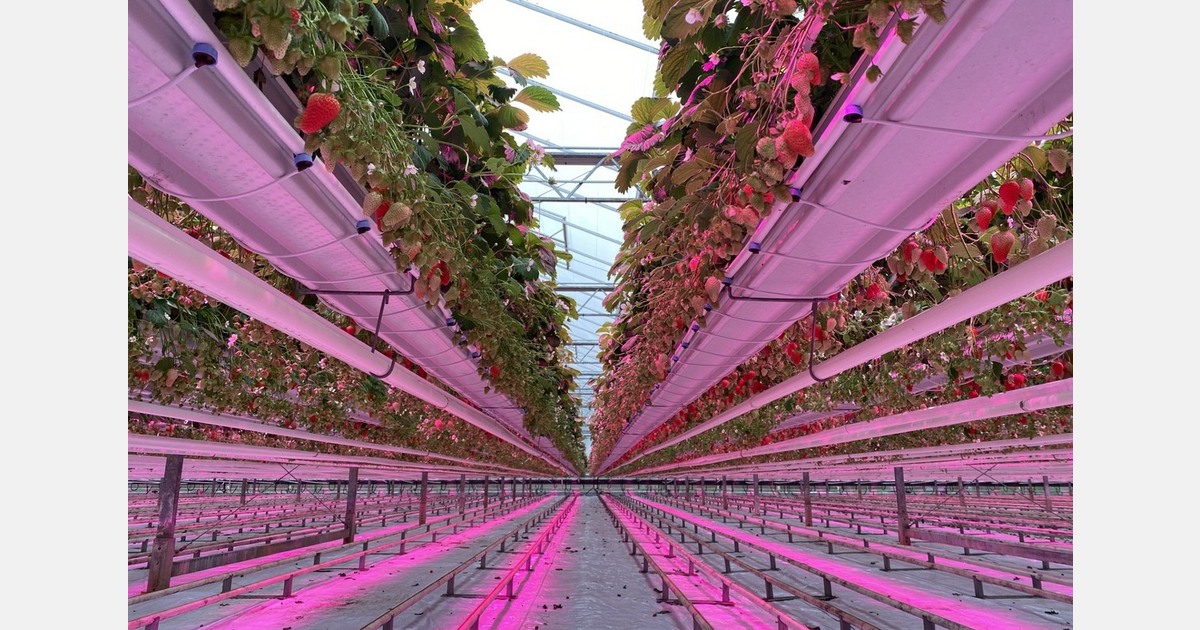
Greenhouse growers are working in conditions where crop yield and energy use must be managed simultaneously. According to Timo Spruijt, Chief Customer Officer at RED Horticulture, this requires a shift from fixed lighting schedules to approaches based on plant light responses.
“Lighting is moving from static control to measured and predictable strategies,” says Timo. “That starts with understanding how plants react to light and translating that into everyday decisions.”
 © RED Horticulture
This approach is based on photobiology, which links plant development to light conditions. Two parameters are central: intensity and spectrum. Light intensity affects photosynthesis, biomass accumulation and yield, while spectrum affects morphology, flowering, rooting and nutritional composition. Paul Vailhen, photobiologist at RED, points out that these factors must be managed together. “Focusing on one parameter without the other limits how plants use light. The interaction between intensity and spectrum determines photon efficiency.”
He explained that growers can use this knowledge to target harvests more precisely. “When photobiology is applied in practice, lighting becomes a management tool rather than a fixed input.”
Three areas
To support this, RED Horticulture organizes its offer around three areas: luminaires, control platform and agronomic orientation. These components are intended to respond to changes during the day and during the cultivation phases. “The needs of the plants are not constant,” says Timo. “Lighting strategies must follow these variations.”
The MyRED platform is used to translate greenhouse data into lighting decisions. Growers can monitor performance and adjust lighting strategies through a dashboard. “The platform allows producers to define and modify their light recipes and evaluate the results,” explains Timo. “It links crop data with energy use.”
He added that implementation goes beyond software. “Support continues after installation. We work with growers to set goals, apply strategies and adjust over time.”
Energy use
Energy use is a major factor in greenhouse operations. Timo connects lighting strategies directly with consumption. “Understanding how intensity and spectrum affect power use helps growers manage their energy input,” he says. “This could lead to changes in the way lighting is applied during the day.”
Automation is also part of today’s greenhouse practices. The system can adjust the lighting throughout the day according to predefined strategies. “Automation reduces manual adjustments and keeps light levels consistent,” says Timo. “It also allows control over the entire light output.”
He noted that automated control can contribute to additional energy savings beyond the performance of the luminaires. “When strategies are applied dynamically, further reductions in energy use are possible.”
Research
This is another part of the research approach. Through the Photobiology and Agronomy Research Center (PARC), RED Horticulture conducts trials under controlled conditions. Timo explains how this relates to commercial production. “Trials allow strategies to be tested before implementation. Producers can then apply these results with a clearer view of expected outcomes.”
The goal is to make photobiology applicable to different crops and growing environments. “The same principles can be adapted to different varieties and production systems,” says Timo. It concludes by returning to the role of knowledge in greenhouse management. “Understanding photobiology is the starting point. From there, growers can build lighting strategies that match crop requirements and energy constraints.”
For more information:
RED Horticulture
World Horti Center
Europe 1
2672 ZX Naaldwijk
+31 174 705 617
horticulture.red/
Cannabis News
Hawaii Lawmakers Approve Bill To Create Psychedelics Task Force Charged With Studying Psilocybin And MDMA
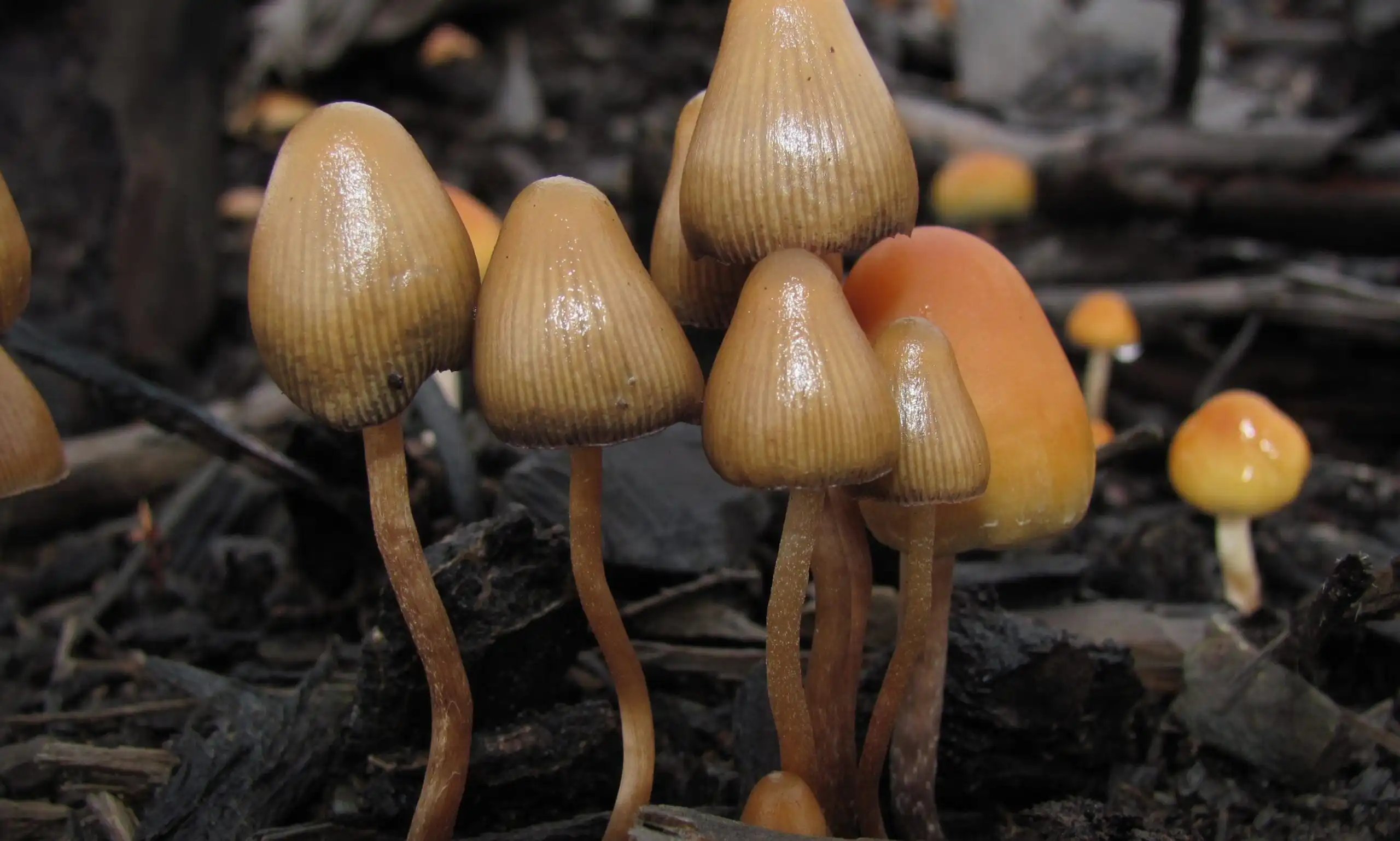
Another Hawaii House committee has passed the Senate-passed bill creating a psychedelic task force responsible for analyzing and making policy recommendations about providing access to breakthrough therapies like psilocybin and MDMA.
The House Finance Committee advanced the legislation to Sen. Chris Lee (D) on a 15-0 vote Tuesday. The measure, which passed the Senate last month by a 24-0 vote, will next go to the House floor before returning to the Senate for that chamber to consider final amendments.
The bill would create Creative Mental Health Therapy, a two-year review of the current scientific literature, supporting additional clinical research and developing policy recommendations for the “safe, ethical, and culturally informed implementation” of a psychedelic therapy program.
“The Legislature believes in addressing the mental health crisis affecting the State’s residents, particularly among veterans, first responders and trauma survivors,” SB 3199 reads. “Suicide remains the leading cause of preventable death, and the State must explore all safe and effective treatment options supported by scientific evidence.”
Given that the Federal Food and Drug Administration (FDA) has designated psilocybin and MDMA as breakthrough therapies in the treatment of serious mental health conditions, which may be subject to future control under the Controlled Substances Act (CSA), Hawaii’s legislation states that the state must “proactively prepare public health, clinical and research systems for safe and equitable implementation.”
The state Department of Health said in House committee testimony that it supports the bill, noting that in light of the FDA’s action on psychedelics, it is “prudent for Hawaii to assess research readiness, regulatory implications, workforce development and culturally informed implementation pathways” before any federal rescheduling of the substances.
The Governor’s Office of Wellness and Resiliency said the bill “has an important opportunity to begin paving a planned pathway for people who need access to life-saving treatments for trauma and other mental health issues.”
“A growing body of research demonstrates that breakthrough therapies (such as MDMA and psilocybin-assisted therapies) demonstrate high efficacy and positive clinical outcomes in the treatment of post-traumatic stress disorder, substance use disorders, end-of-life anxiety, eating disorders, depression, treatment-resistant, and additional conditions in terminally ill patients.”
Team members should include representatives from the State Department of Health (DOH), the Office of the Attorney General, the Office of Wellness and Resiliency (OWR), the University of Hawaii School of Medicine, and more.
Like the draft, the DOH would oversee the task force, an amendment approved by the House Health Committee last month makes the University of Hawaii John A. Burns School of Medicine (JABSOM) the responsible institution, and JABSOM’s nominee as the panel’s chairman.
The commission also adopted amendments suggested by the Department of Law Enforcement to say that its Division of Narcotics Enforcement — and not the Board of Pharmacy — would be responsible for changing the state’s scheduling of psychedelics after any federal reclassification, and to change the deadline for doing so from 90 days to 30 days.
Members note in their bill report that the state Agency for Health Planning and Development has expressed concern that psychedelics are illegal under federal law and that the task force should proceed with caution.
Finally, the panel made technical corrections for clarity, consistency, and style.
If ordered, it appears invoice would be It was first assembled in 2023 based on prior work by a separate psychedelic task force.With a similar goal of exploring avenues for therapeutic access in breakthrough drugs approved by the FDA such as psilocybin.
—
It’s Marijuana Time tracking hundreds of cannabis, psychedelic and drug policy bills in state legislatures and Congress this year. Patreon supporters by pledging at least $25/month, you’ll get access to our interactive maps, charts, and audio calendars so you never miss a development.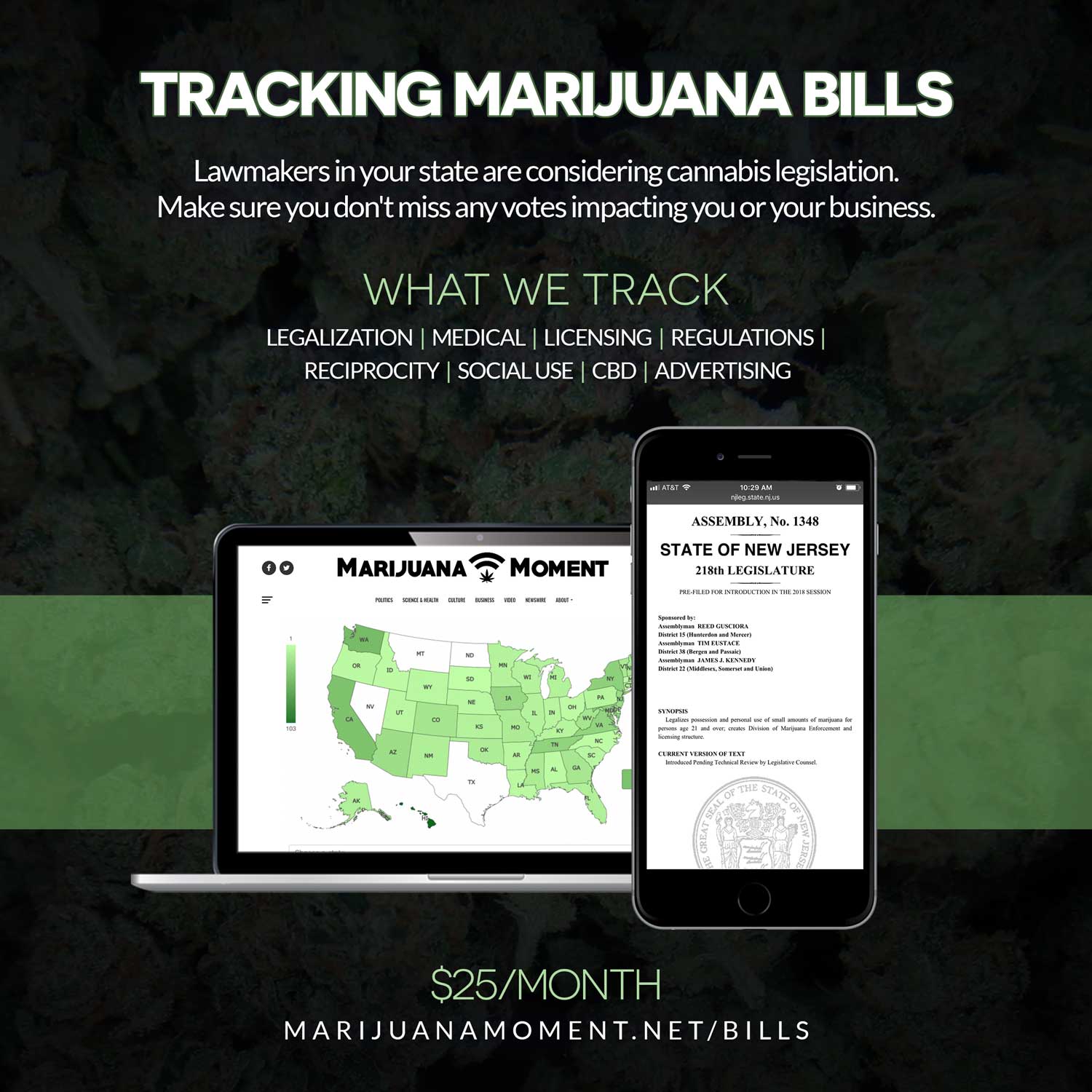
Learn more about our marijuana bill tracking and become a Patreon supporter to gain access
—
Meanwhile, Hawaii senators recently passed a bill to legalize low-dose, low-potency marijuanathe legislation did not advance the necessary steps before a crucial deadline, so it is dead for the year.
A separate marijuana legalization bill, SB 2421, that contained provisions under federal reform law or amendments to the state Constitution, was delayed for action. The Senate and House panels also delayed action on a measure to sell certain hemp-derived cannabinoid products.
These actions follow Senior lawmakers in the House indicated that proposals to legalize cannabis would not move forward In the 2026 session, citing the lack of sufficient support in their chamber.
Earlier this month, a Hawaii Senate committee unanimously approved legislation to allow patients immediately enter medical cannabis after submitting their recordsinstead of waiting for the cards to be delivered, as is the case under current legislation.
A Senate committee also adopted the resolutions Asking Congress to federally legalize marijuanasupport the state’s efforts to clean up people’s criminal records and take steps to make it easier for cannabis companies to access banking services.
Another Senate panel advanced separate resolutions urging the state attorney general and the health department to seek a waiver from the Drug Enforcement Administration (DEA). Hawaii is allowed to run its cannabis program without federal interference.
user photo Wikimedia/Mushroom Observer.
Marijuana Moment is made possible with the help of readers. If you rely on our pro-cannabis journalism to stay informed, consider a monthly Patreon pledge.


The Drug Enforcement Administration (DEA) says the marijuana redistricting appeals process “remains pending” despite President Donald Trump issuing an executive order more than three months ago ordering the attorney general to pursue reform “as expeditiously as possible.”
The DEA and reform advocates filed a joint status report Monday on the agency’s interlocutory appeal of bias and improper communications with parties opposed to the redistricting.
“To date, the Movants’ interlocutory appeal to the Administrator on the Motion for Reconsideration remains pending with the Administrator,” said attorneys representing the DEA and cannabis reform advocates who are challenging the process. “No information schedule has been established.”
The agency is responsible for establishing the information schedule. But nearly a year after a former administrative law judge granted the appeal, the DEA is once again delaying the process. This is the fifth consolidated status report, with largely identical language, that the parties have submitted under the administrative litigation order.
Read more Marijuana Moment

Gushers Marijuana Monday

Cannabis Coast to Coast News with Alaina Pinto and PCM News Team. Oct.6, 2024 Introductory Promo Vid

Grow More BIG Buds On Your First Try with Topping

HOW TO MAKE A BILLION DOLLARS FROM HEMP | MATTHEW HARMON [US hemp trade deficit]

Marijuana Retail Report

Vireo Growth Acquires The Hawthorne Gardening Company – New Cannabis Ventures

From photobiology to dynamic lighting strategies in greenhouse production

Hawaii Lawmakers Approve Bill To Create Psychedelics Task Force Charged With Studying Psilocybin And MDMA

Medicare Coverage for Some Hemp-Derived Products Now Available

Afghani Bullrider Hash Wednesday

“Our system can manage equipment across 10,000+ m² using just a few wires”

Florida Workshop to Discuss What Constitutes a ‘Cartoon’ in Hemp Packaging

Mazar-i-Sharif Hash Wednesday

Re-release of the full show of Cannabis Coast to Coast news. Republican Texas DA Fires Up vs. laws;

From Finance to Wellness: Brad Zerman’s Impactful Pivot

Weak Michigan Cannabis Sales Again in July – New Cannabis Ventures

DEA’s Cole Reverses His “priorities” ; Prohibitionists Dig In; Dead & Co Celebrates 60 years in SF

Your Cannabis Business: Consistent Filings Are Critical

New Hampshire Governor Says Federal Marijuana Rescheduling Won’t Change Her Opposition To Legalization

Texas DA Partakes on Tik Tok to prove a point; Boston Sheriff arrested for Extortion of $ w/ Ascend
-
 Cannabis News8 months ago
“Our system can manage equipment across 10,000+ m² using just a few wires”
-
 Florida8 months ago
Florida Workshop to Discuss What Constitutes a ‘Cartoon’ in Hemp Packaging
-
 Video6 months ago
Mazar-i-Sharif Hash Wednesday
-
 Video8 months ago
Re-release of the full show of Cannabis Coast to Coast news. Republican Texas DA Fires Up vs. laws;
-
 Video8 months ago
From Finance to Wellness: Brad Zerman’s Impactful Pivot
-
 aawh8 months ago
Weak Michigan Cannabis Sales Again in July – New Cannabis Ventures
-
 Video8 months ago
DEA’s Cole Reverses His “priorities” ; Prohibitionists Dig In; Dead & Co Celebrates 60 years in SF
-
 Best Practices8 months ago
Your Cannabis Business: Consistent Filings Are Critical