
Cannabis News
Technical advances in cannabis curing focus on water activity and terpene stability


Curing is one of those phases of cannabis production that almost everyone agrees is important, but that importance hardly translates into cannabis facilities. It’s understandable that growers want to maximize their canopy space first and foremost. After all, more flowers, more income. However, the irony is that by the time a plant reaches the curing room, most of the money has already been spent. The genetics are locked in, the lights have done their job, the rooms have been marked, the harvest has been carefully handled. And yet, quality is often validated or left behind.
Simon Knobel of Calyx Containers has spent an amazing amount of time thinking about this disintegration. The company started about 9 years ago, when Simon and his co-founder Alex were still in school and adult cannabis was becoming legal in Massachusetts. “Back then, cannabis packaging meant pill bottles, borrowed wholesale from the pharmaceutical world and reused without much thought,” explains Simon. “Our initial instinct wasn’t to do something revolutionary. It was just to build something that made sense for cannabis.”
As the company developed a range of packaging formats, the focus was on quality at the point of sale. “Scent retention, ease of use, shelf life, that was the pace of our design process. What took longer to fully register was that the degradation didn’t just happen after packaging. In many cases, it was already baked in during curing.”
Simon and Calyx did extensive market research to understand what was happening with quality degradation. “It’s good to talk not only with operators, but with consumers.” A story stuck. Simon recalls interviewing a client who was on a ski trip with his family and trying to hide the fact that he had cannabis with him. This awkwardness of smell, discretion and manipulation became a design problem. The sliding cover, integrated gasket, meant the elimination of the twisting motion that gave some users a literal pain in the wrist. But it also opened up a deeper line of research.
As Calyx began to talk more seriously with growers, a recurring question came up. Where exactly does quality start to slip? To answer this, the company partnered with the Cannabis Research Coalition and worked with Dr. Allison Justice on research based on the cure. “What we found was that it wasn’t particularly comfortable for anyone relying on legacy methods,” says Simon. “One of the biggest drivers of terpene preservation was the stability of water activity. When water activity drops below 0.55 aW, the stomata begin to collapse, then shrink, then break. At that point, the mono-terpenes escape.”
These mono-terpenes are responsible for most of the aromas associated with quality cannabis. “They are also volatile in nature. Once they’re gone, they’re gone,” highlighted Simon.
 © Calyx Vessels
Basic methods and alternatives
Traditional healing methods are based on burping. Opening containers, exchanging air, manually regulating humidity. “This methodology works, but it also introduces oxygen. In addition, the plant material is also subject to mechanical stress. Both oxygen and mechanical stress accelerate degradation, thus hampering quality.”
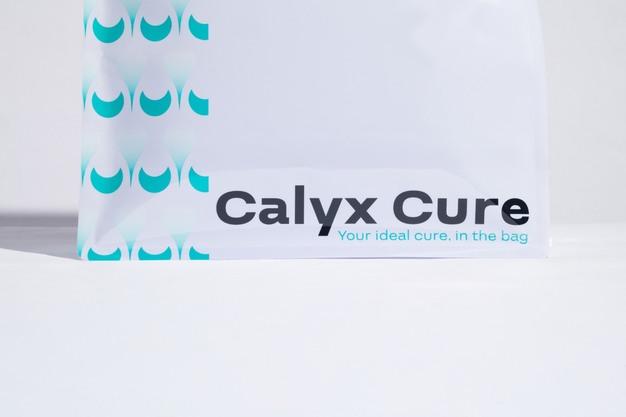
Calyx Cure was designed as an alternative to that ritual. “Instead of active intervention, Calyx Cure uses a passive atmospheric film with selective permeation properties. The layers are designed to allow specific gases to move through the material while others are restricted. Biological curing processes continue, but without opening the container, without introducing excess oxygen and without handling the flower.”
In controlled studies, Calyx saw a 33% improvement in monoterpene profile preservation compared to traditional approaches such as turkey pouches. “Practically speaking, that first hit of aroma you get when you open a jar, driven largely by monoterpenes, is intact.”
Complicating the picture is that curing is not reversible. There is a persistent belief that if cannabis dries out too much, there are no moisture packs or other interventions that can bring it back. “Excessive drying slows down the enzymatic reactions, alters the aging process and permanently changes the composition of the terpenes. Once the quality is lost at that stage, the bottle cannot revive it,” he said.
 © Calyx Vessels
Curing and speed to market
Therefore, post-harvest processes cannot be the last element of cannabis facility design. “Sometimes speed or short-term cost savings drive the decision. Cure less, move product faster and assume the container will handle the rest.” Market dynamics don’t help either. When a new market opens and the shelves are empty, speed is rewarded and cutting corners can be the difference between hitting dispensaries later.
Calyx approaches it as a manufacturing and engineering problem rather than a branding exercise. Unlike much of the packaging industry, which operates largely as a middleman, Calyx operates its own factory in Utah. “That vertical integration allows us to iterate quickly. New designs can be prototyped in 1 or 2 weeks.”
This can be a huge plus, as quality control is a hot topic in the wider world of agriculture, not just cannabis. The industry often talks about wanting nutraceutical or food standards. These industries have already solved the complexity of the supply chain. They know how to produce in one region and deliver consistently to another. Cannabis, especially if it wants to move globally, will need similar discipline.”
And as with food packaging, sustainability is part of that equation in cannabis. Calyx has extensively studied compostable and hemp-based structures. “Compostable materials struggle with terpene conservation and water activity control. If the package breathes too much, the plant pays the price.”
Instead, Calyx’s approach to sustainability is based on reducing the use of materials at the manufacturing level. “The cover molded joint is a good example,” explains Simon. “Traditional seals require cutting circular inserts from large sheets, creating huge waste. We’ve designed molds where a small amount of polymer forms the cover and joint in one plane, creating almost zero waste and a fully recyclable component.”
Healing, it seems, is not passive waiting. “It’s an active and fragile process,” says Simon. “And like most fragile things in cannabis, it benefits from being engineered rather than inherited.”
For more information:
Calyx vessels
1991 W Parkway Blvd. West Valley City, UT, 84119-2026
724-303-7481
(email protected)
calyxcontainers.com







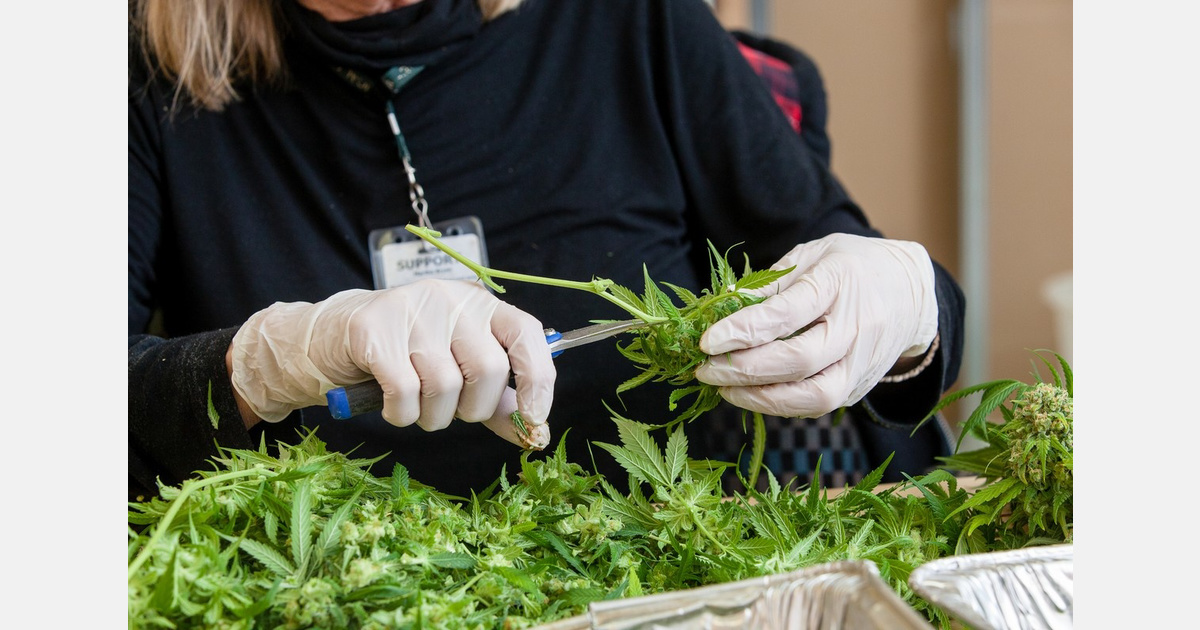
cbdMD welcomes the Administration’s call for Congress to ensure fair treatment of hemp-derived products under federal law and calls for immediate action to revise hemp regulations to ensure fair treatment of hemp products under federal law.
In a letter to congressional leadership this week, the White House Office of Management and Budget identified hemp reform as a priority strongly supported by the Administration. The petition calls on Congress to ensure fair treatment of hemp-derived products by maintaining access to appropriate full-spectrum CBD products, and by maintaining Congress’ intent to reduce products that pose health risks. The administration also urged Congress to pass a responsible federal framework or at least extend the current implementation period to give lawmakers time to get policy right. The request builds on the president’s previous public statements urging lawmakers to protect access to full-spectrum CBD products that millions of Americans rely on.
“We are encouraged to see the administration so clearly championing the responsible, scientific hemp products that consumers depend on every day,” said Ronan Kennedy, CEO of cbdMD. “cbdMD has always believed that the future of this category is built on quality, transparency, and clear rules that separate them from bad actors. A federal framework that protects consumer access, promotes safety, and provides certainty to companies that provide certainty is what this industry and the people it serves deserve. We applaud the policymakers who are working to achieve this outcome.”
“We believe CbdMD is purpose-built for this next phase of the market,” added Kennedy. “Our focus remains on serving our customers with reliable and effective products, supporting responsible regulation and building long-term value for our shareholders as the category continues to evolve. Along the way, we will continue to evaluate the opportunities this evolving environment holds.”
For more information:
cbdMD 
cbdmd.com/
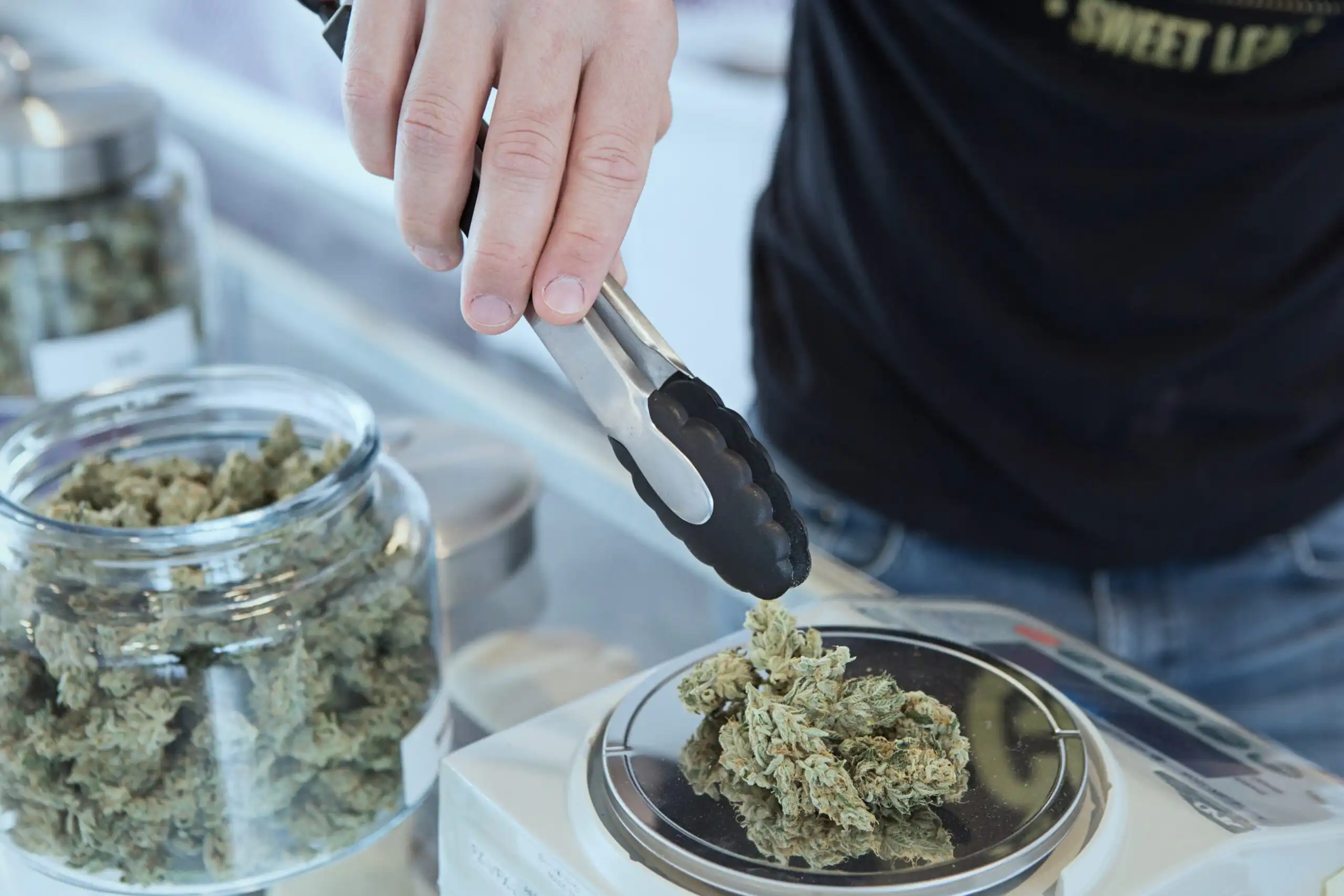
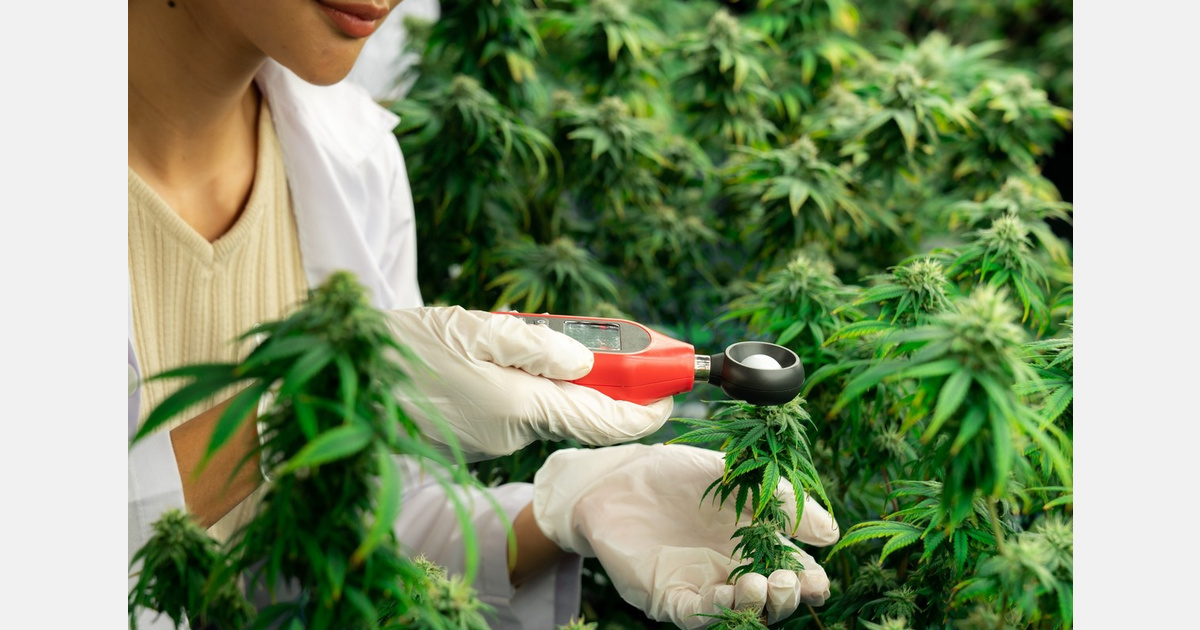
Two new RAND reports commissioned by the Richard M. Fairbanks Foundation outline the policy options and financial commitments facing Indiana as the state debates whether to change its cannabis laws amid restrictions across the country.
Reports show that 44% of Indiana residents live within 50 miles of a licensed dispensary in a neighboring state, and 96% live within 100 miles, as three of Indiana’s four states have legalized adult-use cannabis. At the same time, intoxicating hemp products containing the same psychoactive compound as marijuana are available at gas stations, convenience stores and grocery stores throughout Indiana with limited oversight.
Cannabis use in Indiana has doubled in the past decade, with a significant increase among adults 26 and older. RAND estimates that 1.3 million Hoosiers used cannabis in 2024 and spent $1.8 billion on marijuana products that year. Indiana recorded more than 13,000 cannabis-related arrests in 2024, with more than 90% for possession and more than 75% for non-cannabis related charges. The state spends $10 million to $20 million annually on cannabis law enforcement.
Rather than recommending a specific policy, the RAND reports outline four broad options: maintaining prohibition, reducing criminal penalties for possession, legalizing medical cannabis, or legalizing the adult recreational use market. Legalizing adult-use cannabis would generate about $180 million in annual state revenue, roughly 1 percent of the state’s general fund, well below some previous projections and less than half of the $385 million in combined cigarette and alcohol tax revenue Indiana will collect in 2025, according to the Indiana Department of Revenue.
Legalization would also entail significant upfront costs, and ongoing regulatory costs could reach the low tens of millions of dollars annually, outweighing the savings from reduced criminal justice spending. RAND identifies 14 policy considerations important to establishing legal markets, each with its own public health and state economic implications.

Weed Talk News Special Report & Interview Redefining Hemp Throws Industry into Turmoil

INVESTING IN CANNABIS | EMILY PAXHIA

cbdMD welcomes White House call for fair treatment of hemp-derived products

Industry Sentiment vs Reality – Could The Hemp Ban Be Extended?

Applications For Missouri Marijuana Microbusiness Licenses Will Open Next Month

Half of Gen Z Diagnosed with Depression Report Using Cannabis

Will the Farm Bill of 2024 Close Down Hemp Derived Highs? The Full A and B Blocks of Weed Talk News

Let’s Be Blunt with Montel – Algorithmic Boost Request – 2000000 #YTBoostRequest

RAND estimates Indiana adult-use cannabis could yield $180M in annual revenue

Institutions Evaluate Cannabis While Trulieve CEO Sells Shares

“Our system can manage equipment across 10,000+ m² using just a few wires”

Florida Workshop to Discuss What Constitutes a ‘Cartoon’ in Hemp Packaging

Mazar-i-Sharif Hash Wednesday

Afghan Black Hash Wednesday

Weak Michigan Cannabis Sales Again in July – New Cannabis Ventures

From Finance to Wellness: Brad Zerman’s Impactful Pivot

DEA’s Cole Reverses His “priorities” ; Prohibitionists Dig In; Dead & Co Celebrates 60 years in SF

Re-release of the full show of Cannabis Coast to Coast news. Republican Texas DA Fires Up vs. laws;

Curaleaf Q2 Revenue Falls 8% – New Cannabis Ventures

Your Cannabis Business: Consistent Filings Are Critical
-
 Cannabis News10 months ago
“Our system can manage equipment across 10,000+ m² using just a few wires”
-
 Florida11 months ago
Florida Workshop to Discuss What Constitutes a ‘Cartoon’ in Hemp Packaging
-
 Video9 months ago
Mazar-i-Sharif Hash Wednesday
-
 Video9 months ago
Afghan Black Hash Wednesday
-
 aawh11 months ago
Weak Michigan Cannabis Sales Again in July – New Cannabis Ventures
-
 Video11 months ago
From Finance to Wellness: Brad Zerman’s Impactful Pivot
-
 Video10 months ago
DEA’s Cole Reverses His “priorities” ; Prohibitionists Dig In; Dead & Co Celebrates 60 years in SF
-
 Video11 months ago
Re-release of the full show of Cannabis Coast to Coast news. Republican Texas DA Fires Up vs. laws;