
Cannabis News
Texas Original opens five new locations

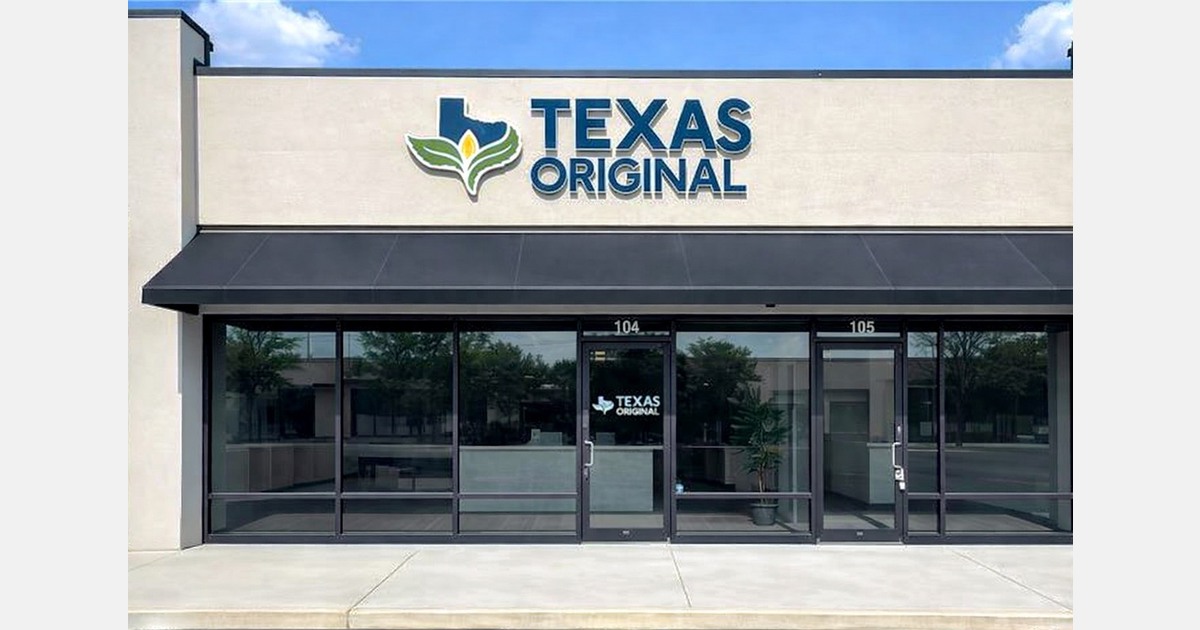
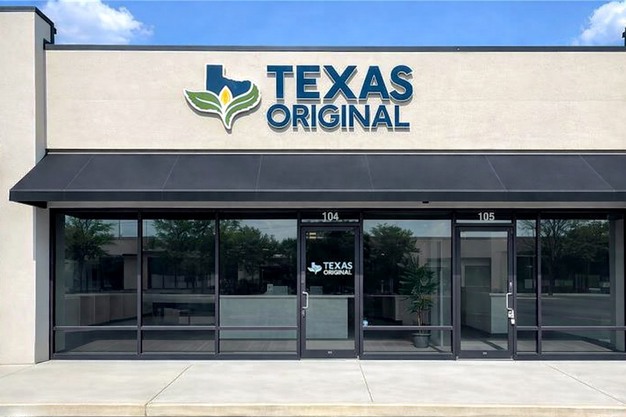
Texas-based medical cannabis operator Texas Original has announced new satellite locations in Plano and San Antonio, and pickup facilities in Lubbock, Nacogdoches and Tyler, Texas. The five sites will serve a viable market of more than 14,000 patients and allow patients to access their prescribed medications closer to home, reducing travel and improving convenience.
“Strengthening access to safe and reliable medical marijuana remains our guiding mission,” said Nico Richardson, Texas Original CEO. “These new locations allow more Texans to get their medications locally, reflecting our commitment to serving patients in every corner of the state.”
 © Texas Original
Satellite locations, authorized under House Bill 46, allow licensed medical marijuana providers to operate in locations approved by the Department of Public Safety to securely store medications on-site. Unlike traditional pickup sites, which require same-day transportation from a central facility, satellite locations can store inventory overnight, allowing for same-day pickup and more flexible patient access.
Texas Original has now approved four satellite locations with others in Houston Heights and South Austin, and 14 collection sites statewide, strengthening the largest distribution network in Texas and advancing responsible and targeted access to patient-centered and life-changing medicines through the Texas Compassionate Use Program. Additional openings are planned for 2026 as the Texas Original continues to expand across the state.
 © Texas Original
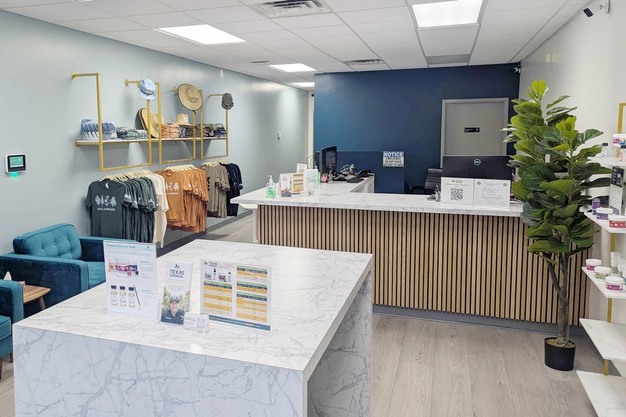
Several new satellite locations are open to better serve customers throughout Texas. In Plano, you can visit the new location at 601 West 15th St, Suite 102, Plano, Texas 75075. The Plano satellite location is open Thursday through Sunday from 11:00 AM to 6:00 PM, with Sunday hours from 11:00 AM to 4:00 PM. 1464. Tuesday to Saturday from 11:00 to 18:00
In addition to these satellite locations, several new pickup locations are also available. The Lubbock pickup location is located at 421 Frankford Ave, Lubbock, Texas 79416, and is open Wednesdays from 9:00am to 1:00pm in Nacogdoches, pickups are available at 1320 N University Dr, Suite C, Nacogdoches, Texas 75961, Saturdays from 1:00pm to 3:00pm, Tyler customers from 1:00pm They can be visited until 15:00. 11980 Hwy 64 E, Suite C, Tyler, Texas 75707, Open Tuesdays 9:00am – 1:00pm These additions make it easier for customers throughout the region to access services and get what they need closer to home.
 © Texas Original
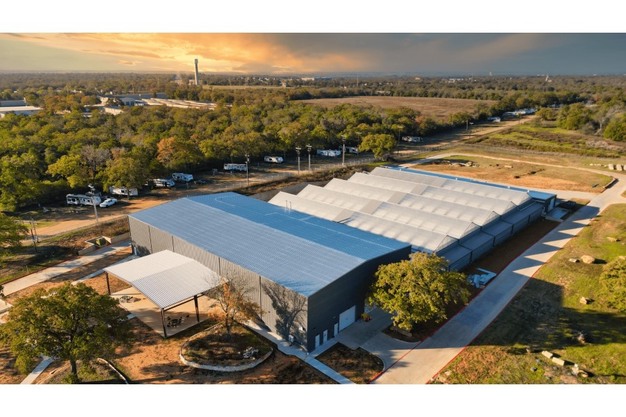
These new locations follow the opening of Texas Original’s 75,000-square-foot Bastrop production facility, which significantly increases cultivation and manufacturing capacity. The added scale allows Texas Original to reach more communities and support the state’s growing patient population through a combination of delivery routes, satellite locations and pickup options.
 © Texas Original
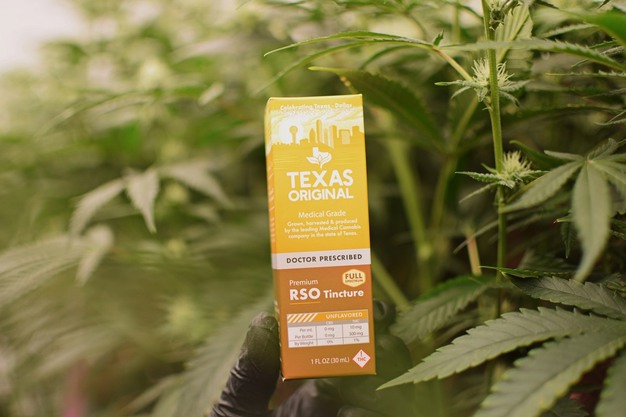
The company also recently introduced the first medical cannabis concentrate products in Texas, including an oral RSO syringe and an oral distillate syringe, expanding access to treatment options to meet critical patient needs.
For more information:
Originally from Texas
texasoriginal.com/








Cannabis News
New Zealand sun-grown cannabis site earns endorsement from Columbia University scientist
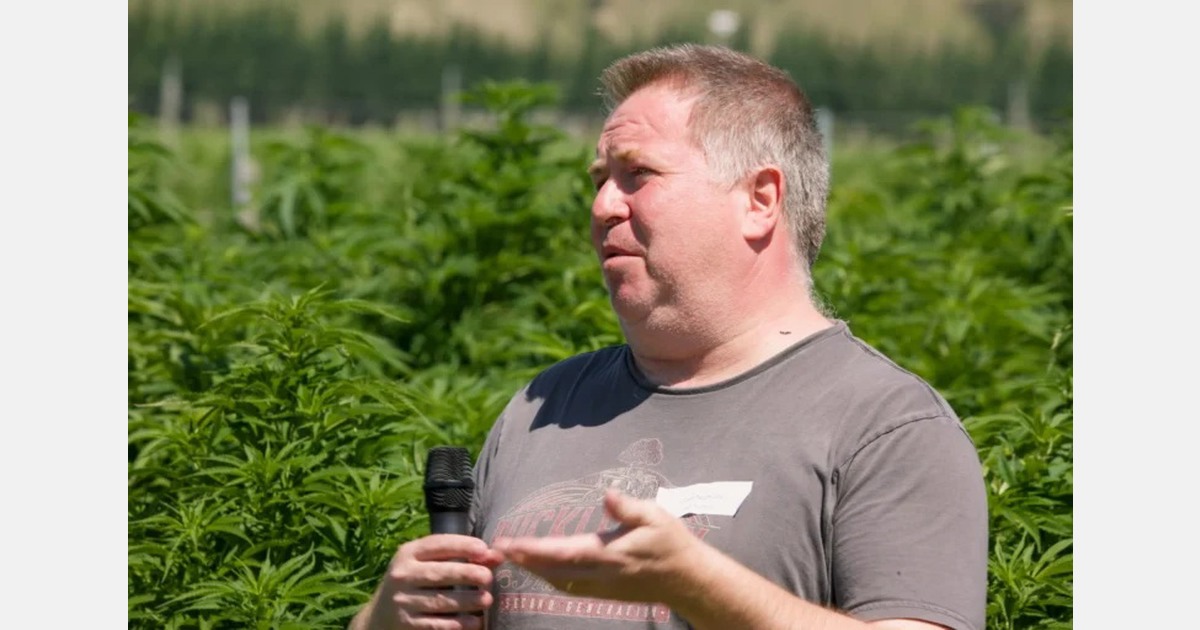
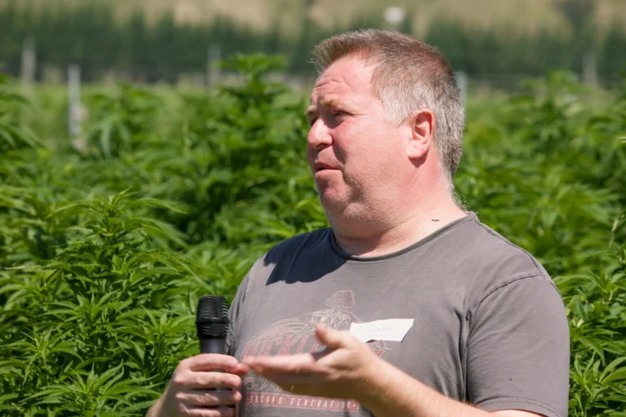
Not all cannabis farms are visited by a Columbia University professor. Fewer still are singled out as the best place on earth to grow the plant. That’s what happened when Colin Nuckolls, a professor of organic chemistry at Columbia and one of the most cited independent researchers on the chemistry of cannabis, visited Puro’s Kēkerengū farm on the Kaikōura Coast earlier this year.
Puro has been cultivating medicinal cannabis in Marlborough since 2018, building its model around outdoor, organically certified production at two sites in the region. Kēkerengū Farm is located on the coast with mountain protection to the west, and the company has long pointed to its environment, long hours of sunshine, ocean air flow, warm days, cool nights and vibrant soil as the foundation of the quality of its product. Nuckolls, whose research focuses on the chemical differences between indoor and sun-grown cannabis, came up with the tools to evaluate that claim. “If I had to pick one place in the world to grow sun-grown cannabis, this would be it,” he said.
 © Cigar
The endorsement carries scientific weight, as Nuckolls’ work addresses a gap that standard cannabis testing can hardly cover. Certificates of analysis measure a defined set of cannabinoids and terpenes, meaning two products grown under completely different conditions can appear identical on paper. His research shows that the picture is more complicated than that. “Sunlight creates complexity in the plant,” he said. “Sun grown cannabis represents a wider spectrum of compounds, more terpenes, more nuances, more chemistry that people value.”
The mechanism is evolutionary. Natural sunlight provides a full and dynamic light spectrum, including UV exposure, that plants have adapted to over millennia. Controlled indoor environments, however sophisticated, replicate only part of that equation.
The Kēkerengū site drew a close comparison with Northern California’s Humboldt County, one of the world’s most respected cannabis-growing regions. The two locations are located at roughly mirror-image latitudes on opposite sides of the equator and share a mountainous coastal profile. “This place is where you’d want to grow cannabis, like Humboldt County,” he said. “It’s the coast, the air is fresh and it’s mountainous. Nature does a lot of work in these areas, the growing conditions are ideal.”
For Puro, the visit was an independent validation of the company’s production philosophy since its inception. Marlborough’s sunshine hours are among the highest in New Zealand, and combined with the microclimate factors of the site where the farm is located, factors Nuckolls described as conditions “that technology cannot reproduce”.
For more information:
clean
www.puro.co.nz

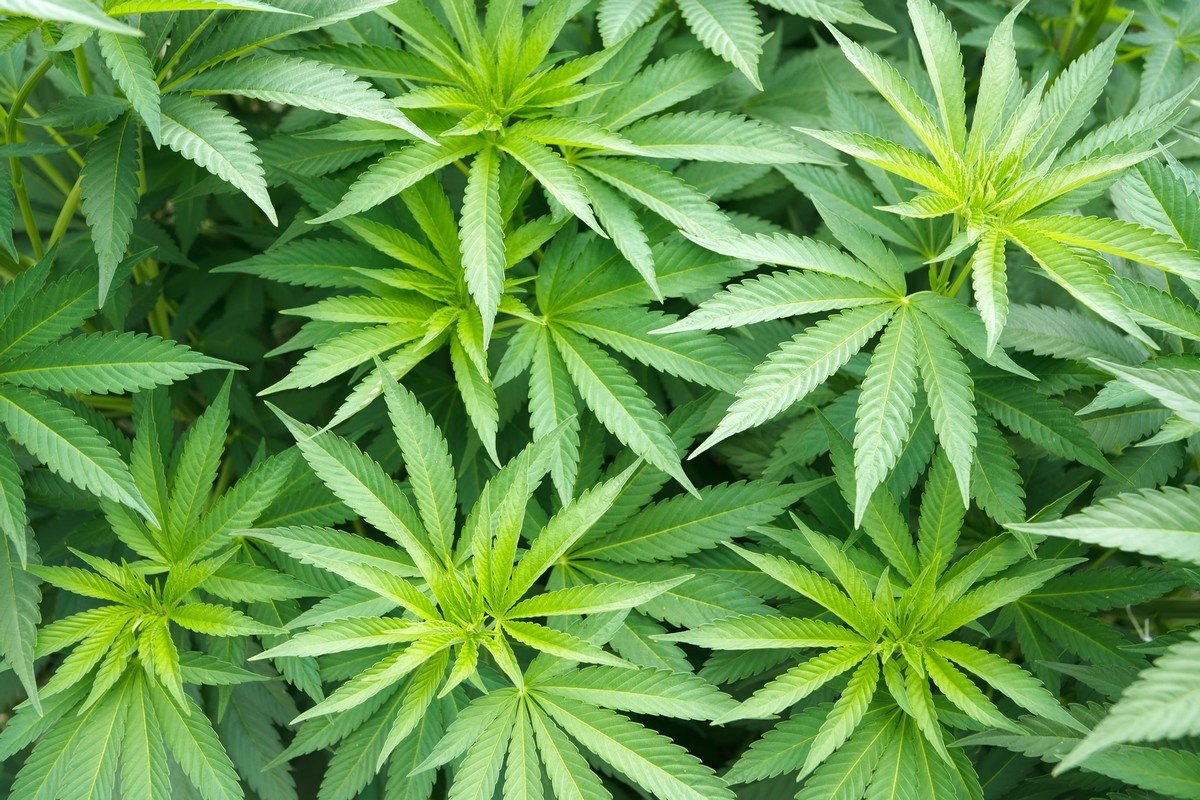
Over the decades, the legality of hemp cultivation in the United States has undergone some changes. In 1970, the Controlled Substances Act made the cultivation of hemp completely illegal, along with the definition of “hemp” as “marijuana.” This criminalized approach to hemp changed with the 2018 Farm Bill, which removed hemp from the definition of “marijuana” and allowed states to create their own hemp regulation programs. In the past year, there has been a change in hemp cultivation regulations at the state level, as well as a change in the federal legal definition of “hemp.” Both of these changes will likely affect hemp growers.
After passing the 2018 Farm Bill, the state of Ohio, through the Ohio Department of Agriculture (ODA), submitted its plan to the United States Department of Agriculture (USDA) to regulate the cultivation and processing of hemp. In the spring of 2020, the ODA began accepting applications for the cultivation and processing of hemp.
as was shared in a blog post last summer, language included in the state operating budget passed in June 2025 gave up ODA’s authority to regulate hemp cultivation in the state. On July 25, 2025, the ODA began the process of transferring hemp cultivation regulation to the USDA. As of January 1, 2026, if you are growing hemp in Ohio, you must be licensed through the USDA, and all ODA cultivation licenses are revoked. The ODA continues to regulate hemp processors. ODA has a web page explaining these changes which is available here. For further reading, the state operating budget, HB 96, is available here.
Federal changes to the legal definition of “hemp.”
When hemp cultivation was legalized in the 2018 Farm Bill, Congress defined “hemp” as “Cannabis sativa L. plant and any part of that plant, including seeds and all derivatives, extracts, cannabinoids, isomers, acids, salts, and salts of isomers, whether or not grown, with a deltabin (THC)-9 tetrabin (THC)-9 tetrabin concentration in excess of 0.3 percent dry weight.” After passing the 2018 Farm Bill, however, Congress discovered that this definition of “hemp” created an unintended loophole. Although delta-9 THC is the main psychoactive compound found in both hemp and marijuana that can cause intoxication, it is not the only compound. Since legalization, hemp products have been sold that contain no more than 0.3 percent delta-9 THC, but contain other cannabinoids, such as delta-8 THC, that can cause intoxication if ingested.
To close this loophole to allow for intoxicating hemp products, Congress changed the definition of hemp in HR 5371, which became law on November 12, 2025. The federal definition of hemp is now “Cannabis sativa L. plant and any part of that plant, including its seeds and all derivatives, extracts, isomers, isomers, isomers, acids, salts, isomers, acids, salts, isomers and acids. Whether or not growing, with a total (THC) concentration (including tetrahydrocannabinolic acid (THCA)) of more than 0.3 percent by dry weight.” As a result, instead of regulating only the amount of delta-9 THC, federal law now regulates the total THC concentration of hemp and its components. Thus, growers with hemp plants with a total THC concentration of more than 0.3 percent would be in violation of federal law. Importantly, this definition also applies to industrial hemp, or “hemp grown for use as seed stalk, whole grain, oil, cake, nut, hull, or any other non-cannabinoid derivative.” The new definition of hemp will go into effect one year after the law is signed, on November 12, 2026. The text of HR 5371 is available. here.
Source: The Ohio State University

First Class Funk Marijuana Monday

Murder at an Oregon dispensary? California Kush Recall; Presidential Politics; Snoop and Willie!

Always Do THIS At The End Of Flower | Weeks 4+

MAMA DESTA CANNABIS | DR DESTA MEGHOO

Marijuana Retail Report

New Zealand sun-grown cannabis site earns endorsement from Columbia University scientist

Kansas Officials Are Being Sued Over Raids Against Hemp Businesses

Boro and Beyond Grow Up Conference

The B Block of CC2C News 10-22-24; State reports from AZ, WA, VA, Wall Street & Canada

The Real Reason We Don’t Use Hemp Plastics

“Our system can manage equipment across 10,000+ m² using just a few wires”

Florida Workshop to Discuss What Constitutes a ‘Cartoon’ in Hemp Packaging

Mazar-i-Sharif Hash Wednesday

Re-release of the full show of Cannabis Coast to Coast news. Republican Texas DA Fires Up vs. laws;

From Finance to Wellness: Brad Zerman’s Impactful Pivot

New Hampshire Governor Says Federal Marijuana Rescheduling Won’t Change Her Opposition To Legalization

DEA’s Cole Reverses His “priorities” ; Prohibitionists Dig In; Dead & Co Celebrates 60 years in SF

Weak Michigan Cannabis Sales Again in July – New Cannabis Ventures

Your Cannabis Business: Consistent Filings Are Critical

Texas DA Partakes on Tik Tok to prove a point; Boston Sheriff arrested for Extortion of $ w/ Ascend
-
 Cannabis News7 months ago
“Our system can manage equipment across 10,000+ m² using just a few wires”
-
 Florida7 months ago
Florida Workshop to Discuss What Constitutes a ‘Cartoon’ in Hemp Packaging
-
 Video6 months ago
Mazar-i-Sharif Hash Wednesday
-
 Video8 months ago
From Finance to Wellness: Brad Zerman’s Impactful Pivot
-
 Video8 months ago
Re-release of the full show of Cannabis Coast to Coast news. Republican Texas DA Fires Up vs. laws;
-
 Cannabis News7 months ago
New Hampshire Governor Says Federal Marijuana Rescheduling Won’t Change Her Opposition To Legalization
-
 Video7 months ago
DEA’s Cole Reverses His “priorities” ; Prohibitionists Dig In; Dead & Co Celebrates 60 years in SF
-
 aawh8 months ago
Weak Michigan Cannabis Sales Again in July – New Cannabis Ventures