
Cannabis News
when LPs stop keeping secrets

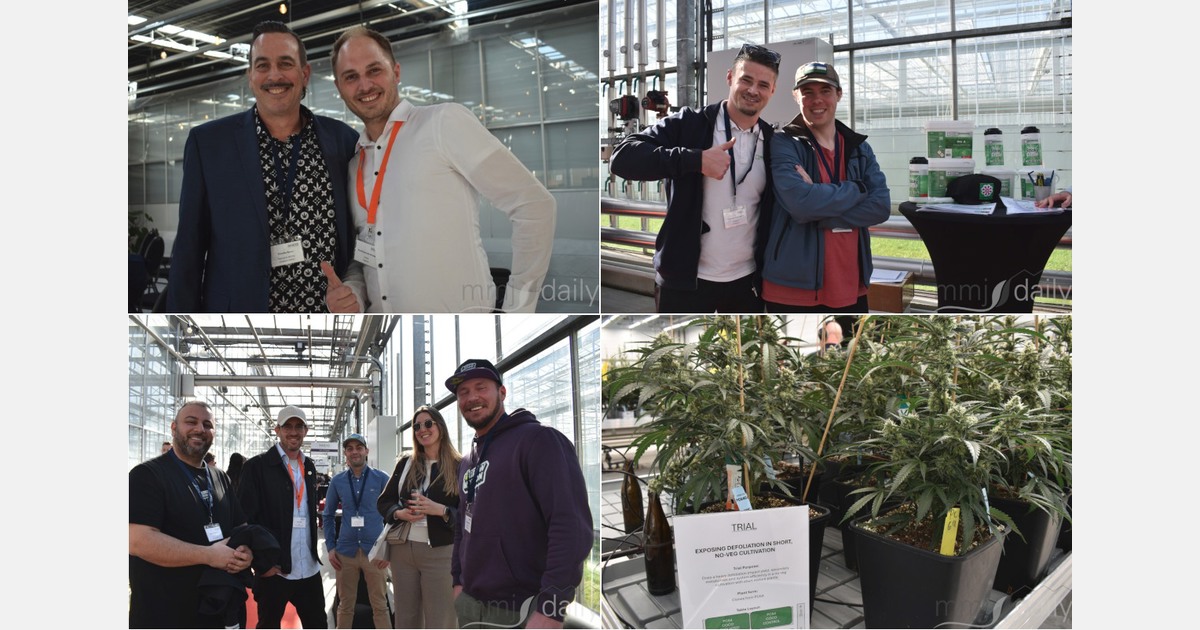
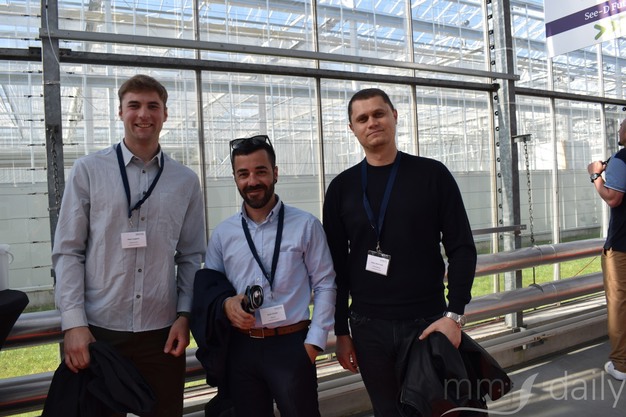
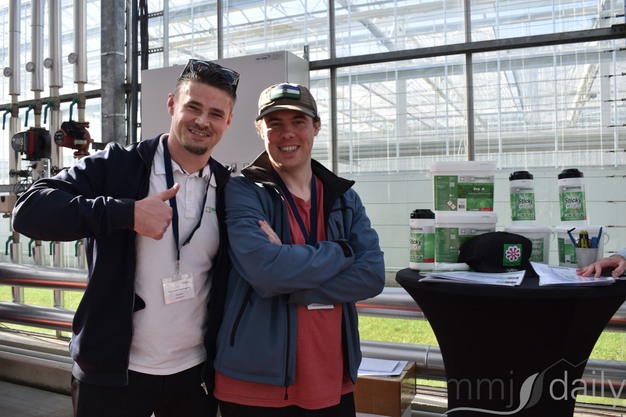
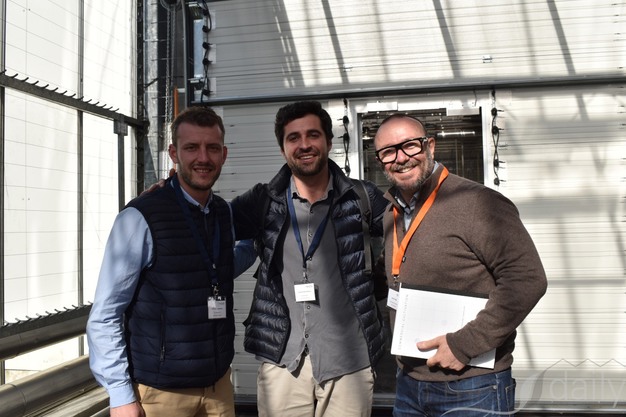
On March 5, Innexo BV opened its research facilities in the Netherlands to more than 20 licensed producers from 10 countries for the first Acceleration Day 2026. The agenda covered two topics: Integrated Pest and Disease Management (IPDM) and Non-vegetable cropping strategies.
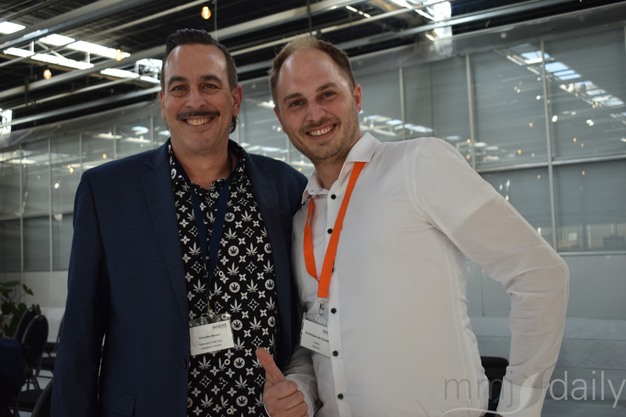
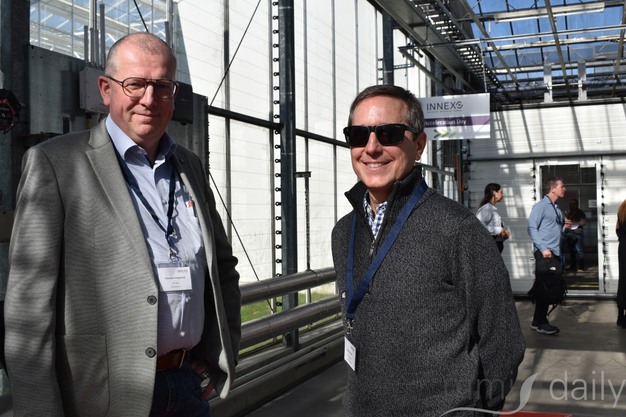
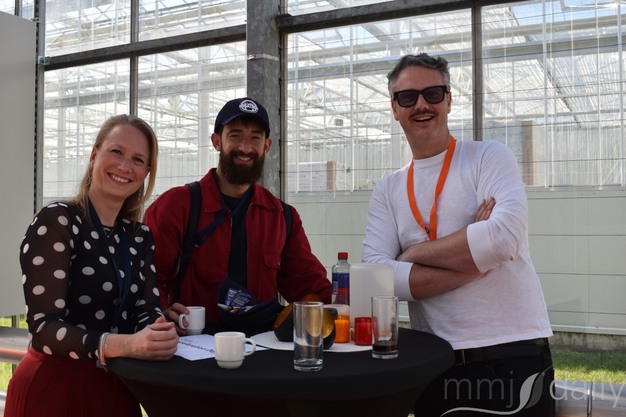
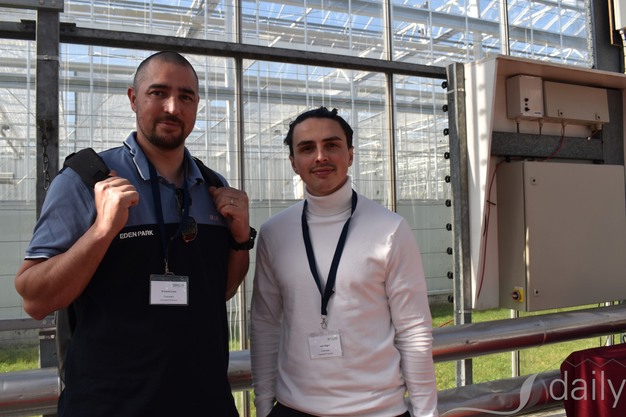
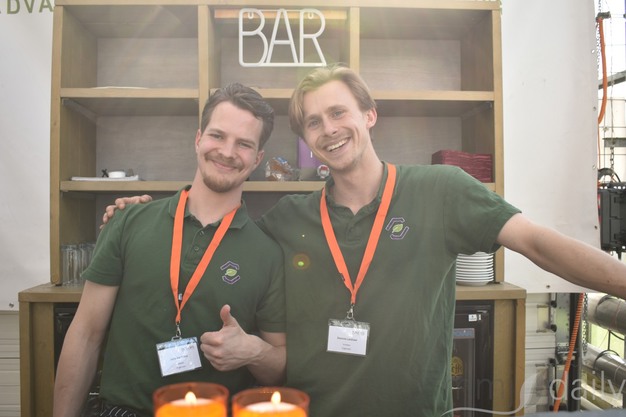
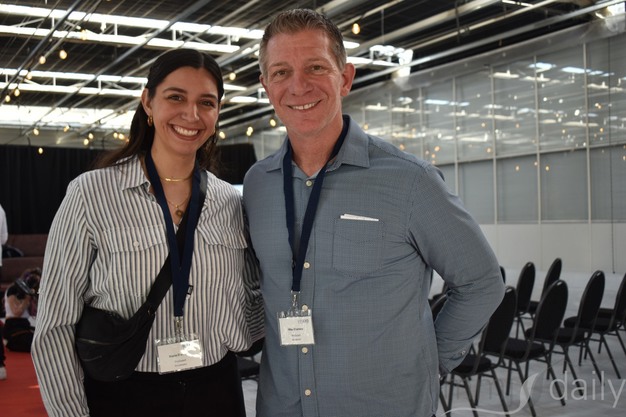
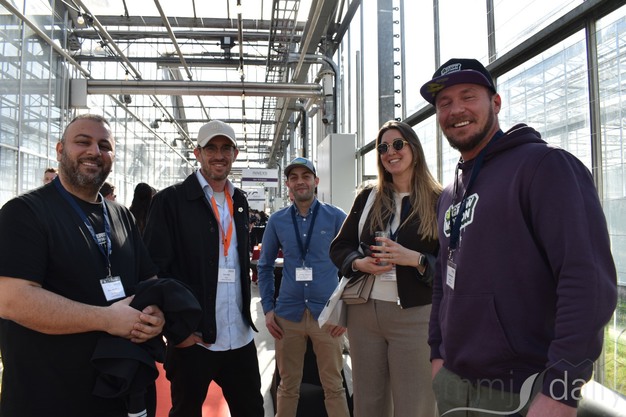
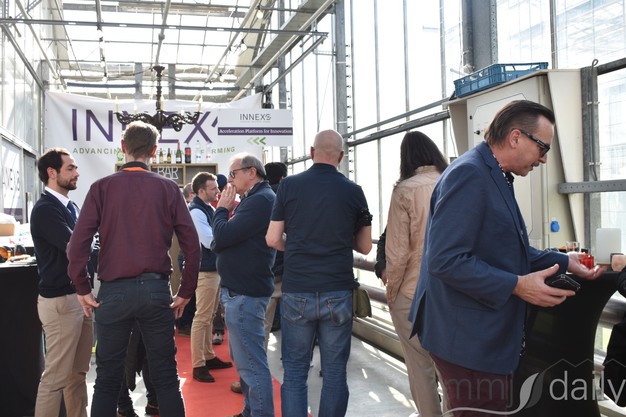
What Dominique van Gruisen, CEO of Innexo, did not expect was how much the room started talking. Producers from Germany, the Netherlands and further afield were comparing notes before the formal program began. “There’s no secret thing. ‘Hey, I’m doing this, this is working for me,'” Dominique said. “It was really special to see that interaction.”
 © Priscilla Heeffer | MMJDaily.com
 © Priscilla Heeffer | MMJDaily.com
It makes sense considering who was in the room. Most of these producers operate in different markets and are not in direct competition. “They realized that if they do a good job there is enough room for good players,” Dominique said. “Bad actors are the ones we have to worry about.”
 © Priscilla Heeffer | MMJDaily.com
 © Priscilla Heeffer | MMJDaily.com
No-veg: curiosity and operational reality
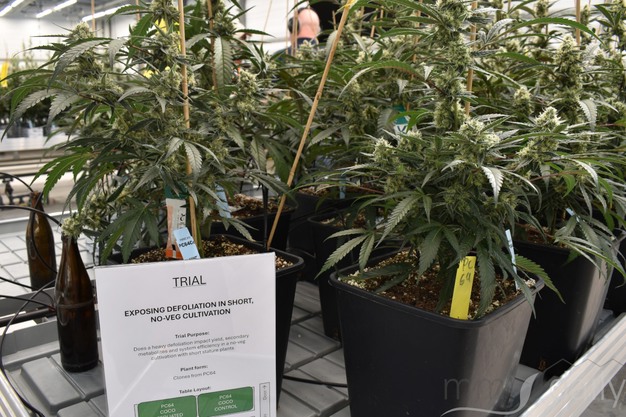
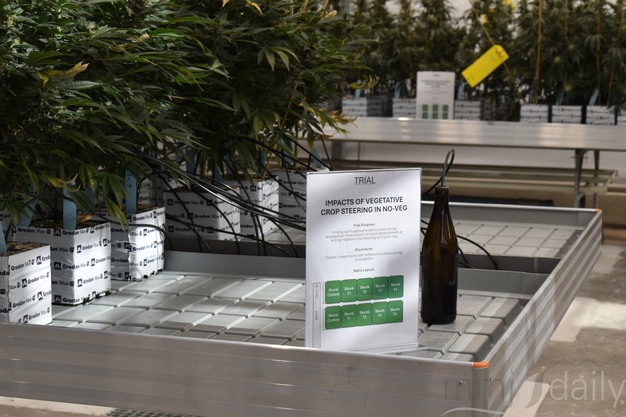
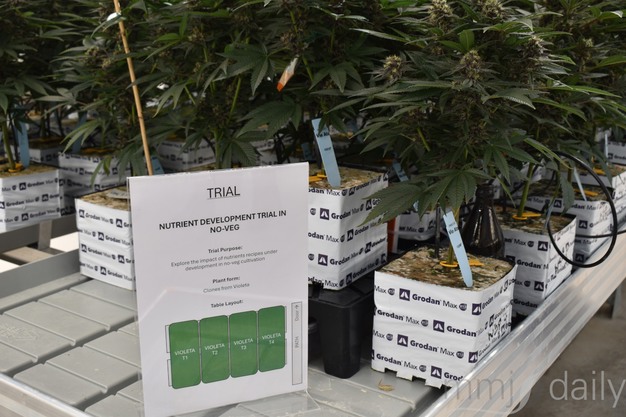
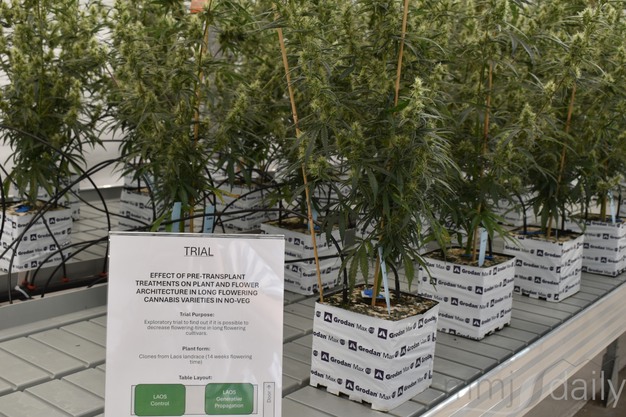
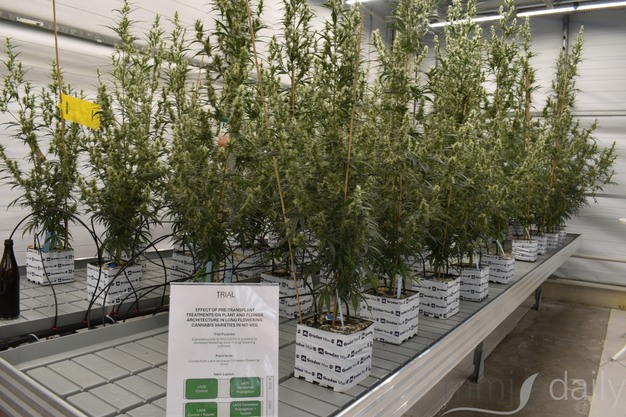
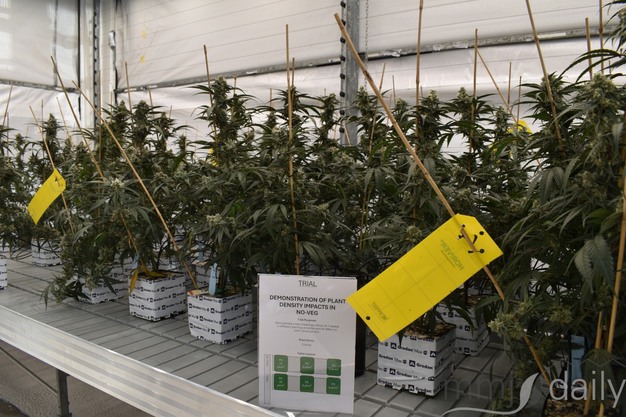
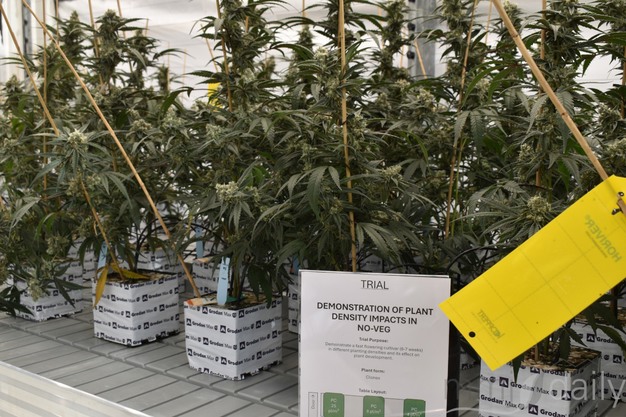
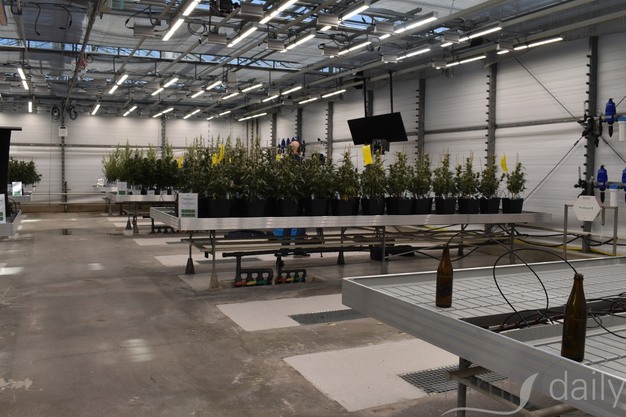
No-Veg definitely created the most buzz on the floor. In a no-veg system, the cuttings completely bypass the vegetative phase and go directly to a 12/12 flowering photoperiod, a strategy to shorten cycle times and reduce energy consumption, which is particularly important in the Northern European climate, where lighting and climate control dominate operating costs.
Dominique was frank about the state of No-Veg adoption: some producers had already implemented it after the conversation with Innexo, and said they would not back down; others were skeptical. The test room made the case better than any slide board. “We were doing different tests, different genetics and different conditions, they showed a lot of different scenarios at the same time,” he said. “The feedback I received was that it was one of the highlights of the event.”
 © Priscilla Heeffer | MMJDaily.com
 © Priscilla Heeffer | MMJDaily.com
 © Priscilla Heeffer | MMJDaily.com
 © Priscilla Heeffer | MMJDaily.com
 © Priscilla Heeffer | MMJDaily.com
 © Priscilla Heeffer | MMJDaily.com
 © Priscilla Heeffer | MMJDaily.com
Xavier G., founder of Avitas Global, who helped bring several international participants to the event, echoed this, and was grateful that Innexo did not oversell. “They showed the good, the bad and the ugly,” he said. “It makes sense to show the bad plants. It’s a research center. The plants need to see with their own eyes what can be done right and what can be done wrong. People were happy that they weren’t selling something perfect.”
IPDM: pest management as a facility architecture
The second major topic of the day was the case for a complete rethinking of pest and disease management as a design principle built into facility infrastructure from day one.
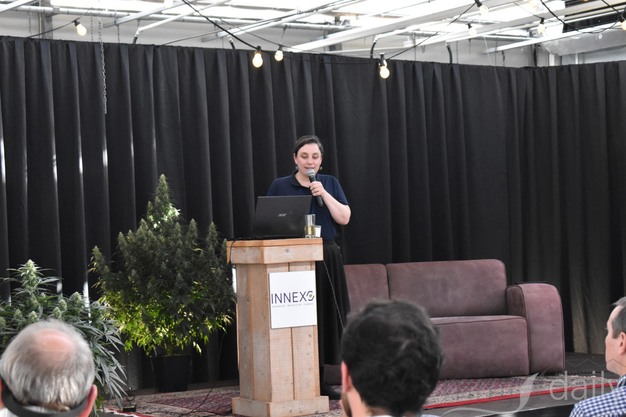 © Priscilla Heeffer | MMJDaily.com
Matthew Gates, a cannabis entomologist based in San Diego, gave a presentation entitled Cannabis Pest Strategy: Everswarm Evolution, developed in collaboration with Avitas Global. Matthew relied primarily on US-based cannabis pest research to map current and emerging threats, focusing on aphids, cutworms and powdery mildews, organisms he described as highly adaptable at the genetic and molecular level.
“Some selection pressures in one region will rapidly affect others,” Matthew said after the event, pointing to the global nature of pest resistance as a shared industry problem. “We all have to own it and move responsibly.” His presentation also addressed the risk of developing resistance to biocontrols and chemical interventions, and how common data sharing and proactive protocol design can prevent these pressures before they develop.
 © Priscilla Heeffer | MMJDaily.com
Fluence’s Sabrina downplayed the two drivers of botrytis, osmotic pressure in the root zone, and faulty HVAC programming logic, both of which create VPD swings that create microclimates within the flowers where the pathogen thrives. The practical implication was that sensor data can identify botrytis risk before disease is seen, allowing growers to intervene earlier and more precisely. “He could have talked about Fluence products all the time,” said Xavier, “but he talked about LED and IPM. It sums up the vibe of the event.”
 © Priscilla Heeffer | MMJDaily.com
 © Priscilla Heeffer | MMJDaily.com
 © Priscilla Heeffer | MMJDaily.com
 © Priscilla Heeffer | MMJDaily.com
A platform built for collective progress
Acceleration Day also served as the official start of the next API cycle. The platform operates on three levels of participation. Innovators, who run five exclusive trials per year with full data access; Accelerators, which demonstrate technologies under greenhouse conditions; and Platformers, who tap into collective visions without large-scale testing. Entry-level participation starts at €10,000, a deliberate move to lower the barrier to the type of partnership that can move the industry faster than any single player.
 © Priscilla Heeffer | MMJDaily.com
 © Priscilla Heeffer | MMJDaily.com
 © Priscilla Heeffer | MMJDaily.com
Between 60 and 100 trials and demonstrations are planned in the next two years. Current partners include Fluence, FOHSE, Atami, Faven and ProGuard, among others. Atami is developing nutrient lines specifically for Non-Veg conditions; Faven is currently researching under-lighting in No-Veg environments; Fluence is studying spectral tuning across flower phases. Trials are conducted in parallel, in a working greenhouse, visible to all who visit the facility or attend an Acceleration Day. “It’s not like we’re renovating in a hidden bunker,” Dominique said. “This is for the betterment of the industry, for the betterment of LPs and ultimately for the benefit of patients.”
For Matthew, the event came in a place he didn’t expect. “The Innexo Acceleration Day connected me with a passionate and eclectic group of European professionals pushing the boundaries of cannabis research,” he wrote afterwards. “Real value comes from understanding critical aspects of cultivation and applying these findings to future planning, creating process excellence and competitive advantage.”
 © Priscilla Heeffer | MMJDaily.com
 © Priscilla Heeffer | MMJDaily.com
The next one is already on the calendar, June, the day before GreenTech Amsterdam, when international traffic to the Netherlands peaks. The focus will be genetics, confirmed Jorge Cervantes as speaker. If March is any indication, the conversations in the hallways can be just as important as what happens on stage.
For more information:
Innexo BV
(email protected)
LinkedIn
innexo.nl








The Jefferson City Council unanimously approved “Green Leevs” as the city’s first cannabis micro-farm at its May 6 meeting. This is the third cannabis business approved by the municipality in order to bring income to the municipality. Retail dispensaries “Greenlight Apothecary” and “Gas and Grass” were previously approved.
Green Leevs are owned by Bill Comeford, Elliot McClendon and Josh Moskowitz. All three are from the local area, Comeford grew up in Jefferson. In New Jersey, a micro-enterprise is a facility with 2,500 square feet of growing space. A micro-farm relies on the craftsmanship of cannabis rather than mass production.
“We have more control, we have more hands, the smaller grow rooms make it easier to inspect each plant,” Comeford said. “If you’re careful, it makes for a better product at the end of the day.”
Green Leeves understands that there are mixed feelings about the Council’s approval of the cannabis industry and hopes that this will ease over time.
Read more at Press Jefferson
Cannabis News
Virginia Governor Signs Marijuana Resentencing Bill After Lawmakers Rejected Her Amendments

Cannabis News
Cannabis operators report mixed results as rescheduling reshapes the financial outlook

The rescheduling came mid-quarter and rewrote the tax math for each medical sales operator, but the underlying revenue picture remained uneven in early 2026, with acquisitions driven at one end of the scale and continued top-line compression at the other.
Vireo Growth: Back on $106 million deal
Vireo Growth Inc. reported Q1 GAAP revenue of $106.2 million, up 333.5% year-over-year, driven almost entirely by recent acquisitions rather than organic growth. The company completed the Schwazze acquisition in March, adding 45 dispensaries and two manufacturing facilities in Colorado and New Mexico. At the end of the quarter, it closed Eaze and Hawthorne Gardening, FLUENT Corp. announced an acquisition agreement and executed a California dispensary joint venture with Glass House Brands. Treating all acquisitions as closed on January 1, 2025 on a pro forma basis, revenue was $210.2 million and adjusted EBITDA was $42.2 million. The company ended the quarter with $137.8 million in cash.
John Mazarakis, CEO of Vireo, said: “Performance in the first quarter met our expectations and we are excited to welcome Schwazze, Eaze and Hawthorne to Vireo. We are focused on integration and optimization across the platform, while remaining opportunistic regarding growth opportunities associated with further acquisitions.”
Cresco Labs: $151 million, 280E relief and Texas license
Cresco Labs reported Q1 revenue of $151 million, down from $165.8 million in Q1 2025. Adjusted gross margin was 50.7% and adjusted EBITDA margin of $33 million was 21.7%. Cash at the end of the quarter was $67 million against a $310 million secured term loan. The company was conditionally granted a Texas Compassionate Use Program license after the quarter ended and opened two new dispensaries in Ohio.
Management said, “Moving the state’s legal medical cannabis from Schedule I to Schedule III is the most impactful reform this industry has seen, and it validates the work we’ve been executing for years. We’ve built the operational foundation and balance sheet discipline to reap the immediate benefits of rescheduling, and position Cresco to take advantage of the broader path to normalization.”
Jushi Holdings: 4% growth, 460 basis point margin expansion
Jushi Holdings reported first-quarter revenue of $66.4 million, up 4% year-over-year, with gross profit margin up 460 basis points to 45%. Adjusted EBITDA was $11.4 million, up 17.2%. The margin improvement was driven by higher production volumes in Ohio, Massachusetts and Pennsylvania and the performance of grower processors. Jushi brand products accounted for 58% of retail revenue in vertical markets. The company refinanced $132.3 million in debt during the quarter, providing $160 million in new debt through 2029.
Jim Cacioppo, president and CEO, said: “The recent scheduling of state-licensed medical marijuana for Schedule III is an important milestone for the industry, eliminating 280E tax limitations for medical operations and supporting a more favorable long-term operating environment.” Medical sales accounted for about 60% of Jushi’s 2025 revenue, making this material relief.
iAnthus Capital: Revenue falls to $33.5 million
iAnthus Capital reported first-quarter revenue of $33.5 million, down $4.6 million from 2025’s first quarter. Gross margin was 47.5%, up 477 basis points from the 2025 quarter. The company did not provide a management comment in the press release.
Country farms: international export record, fourth consecutive quarter of net income
Village Farms International reported first quarter consolidated net sales of $50.2 million, up 27% year-over-year, with net income of $2.9 million and adjusted EBITDA of $9.9 million, up 118% year-over-year. International export sales increased 171% to a record $14.6 million, driven by demand for EU-GMP compliant products in Germany. Pure Sunfarms had the top Canadian market share in dried flowers for the 15th consecutive month. The company started planting the first half of its Delta 2 greenhouse expansion and expects its Phase II facility in the Netherlands to reach full capacity by the end of 2026, which would quadruple Dutch production.
Michael DeGiglio, President and CEO, said: “Our first quarter results reflect a strong start to the year and continued momentum in our largest markets, with adjusted EBITDA growth of 118% year-over-year, significantly outpacing revenue growth of 27%, driven by our international business and continued leadership in Canada.
Cronos Group: Record revenue, $822 million in cash
Cronos Group reported Q1 net income of $45.2 million, up 40% year-over-year and a record quarter, with net income of $15.7 million and adjusted EBITDA of $5.1 million. Israel led growth PEACE NATURALS grew 53% for ninth consecutive record quarter. In Canada, the Spinach brand took first place in vapes with a 9.8% share of the national market, and maintained its top spot in edibles at 20.8%. The company ended the quarter with $821.9 million in cash and authorized a new $50 million stock repurchase program. The deadline to close the acquisition of CanAdelaar, one of the ten licensed growers in the Dutch Controlled Cannabis Supply Chain Experiment, has been extended to September 9, 2026 to allow time for regulatory approvals.
Mike Gorenstein, chairman, president and CEO, said, “Cronos achieved net earnings and gross profit in the first quarter as we continue to execute against our unlimited product strategy and the additional supply from Cronos GrowCo’s expansion fuels the next phase of our growth.”

Org chart: Revenue down 9%, Sanity Group acquisition closes after quarter
Organigram Global reported fiscal second quarter net income of $59.8 million, down 9% year-over-year, with adjusted EBITDA of $0.9 million, down 82%. Lower vape and pre-infusion sales drove the decline, along with a $5.8 billion dent in the U.S. hemp business. The company achieved a record quarterly harvest of over 32,000kg at its Moncton facility, up 56% year-on-year, and launched 10 SKUs in Australia targeting over 4,000 pharmacies. At the end of the quarter, Organigram acquired Sanity Group, one of Germany’s leading cannabis companies, and updated its 2026 guidance to net revenue of more than $350 million.
James Yamanaka, CEO, said: “Q2 reflected our poor performance in vaporizers and temporary challenges in pre-infusion production, compounded by slower industry growth. We have acted quickly to address these issues, and the operational changes and product improvements we have implemented are already beginning to stabilize performance.”
Greg Guyatt, Chief Financial Officer, said: “The financial impact of the competitive and operational challenges encountered earlier in fiscal 2026 is believed to have materialized in the first half of the year, and we are now beginning to stabilize performance. We expect to resume a trajectory of margin expansion and improved profitability during the second half of the year, supported by positive revenue and international sales growth. The Sanity Group.”

FULL SHOW: Cannabis Legalization Right in the Middle of Dems & GOP! Ohio Opening Day for Adult Sales

THE LOTUS AND THE BUD | MEDICINE MAN [botanical medicine]

Cannabis Stock Q1 Financial Reports Were Not the Story – New Cannabis Ventures

Third cannabis business approved by Jefferson Town Council

Cannabis Earnings, Consolidation & The Healthcare Shift

Virginia Governor Signs Marijuana Resentencing Bill After Lawmakers Rejected Her Amendments

Freedom Grow Expands Its Mission from Prisoner Support to Nationwide Community Activation

081924WeedTalkNews- 1st Week Ohio Sales Results; Missouri Recall, Is Big Alcohol Ready to “Help”?

VETERANS FOR CANNABIS [medical marijuana]

Cannabis operators report mixed results as rescheduling reshapes the financial outlook

“Our system can manage equipment across 10,000+ m² using just a few wires”

Florida Workshop to Discuss What Constitutes a ‘Cartoon’ in Hemp Packaging

Mazar-i-Sharif Hash Wednesday

Afghan Black Hash Wednesday

Re-release of the full show of Cannabis Coast to Coast news. Republican Texas DA Fires Up vs. laws;

Weak Michigan Cannabis Sales Again in July – New Cannabis Ventures

From Finance to Wellness: Brad Zerman’s Impactful Pivot

DEA’s Cole Reverses His “priorities” ; Prohibitionists Dig In; Dead & Co Celebrates 60 years in SF

Your Cannabis Business: Consistent Filings Are Critical

Curaleaf Q2 Revenue Falls 8% – New Cannabis Ventures
-
 Cannabis News9 months ago
“Our system can manage equipment across 10,000+ m² using just a few wires”
-
 Florida9 months ago
Florida Workshop to Discuss What Constitutes a ‘Cartoon’ in Hemp Packaging
-
 Video7 months ago
Mazar-i-Sharif Hash Wednesday
-
 Video7 months ago
Afghan Black Hash Wednesday
-
 Video9 months ago
Re-release of the full show of Cannabis Coast to Coast news. Republican Texas DA Fires Up vs. laws;
-
 Video9 months ago
From Finance to Wellness: Brad Zerman’s Impactful Pivot
-
 aawh9 months ago
Weak Michigan Cannabis Sales Again in July – New Cannabis Ventures
-
 Video9 months ago
DEA’s Cole Reverses His “priorities” ; Prohibitionists Dig In; Dead & Co Celebrates 60 years in SF