
Cannabis News
US (NE): 1 million-square-foot hydroponic greenhouse facility listed for sale

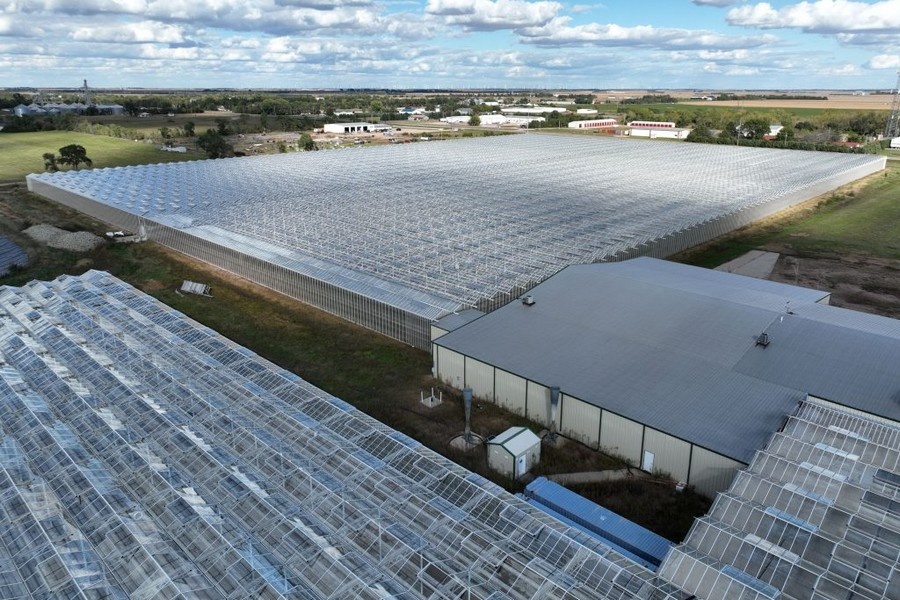
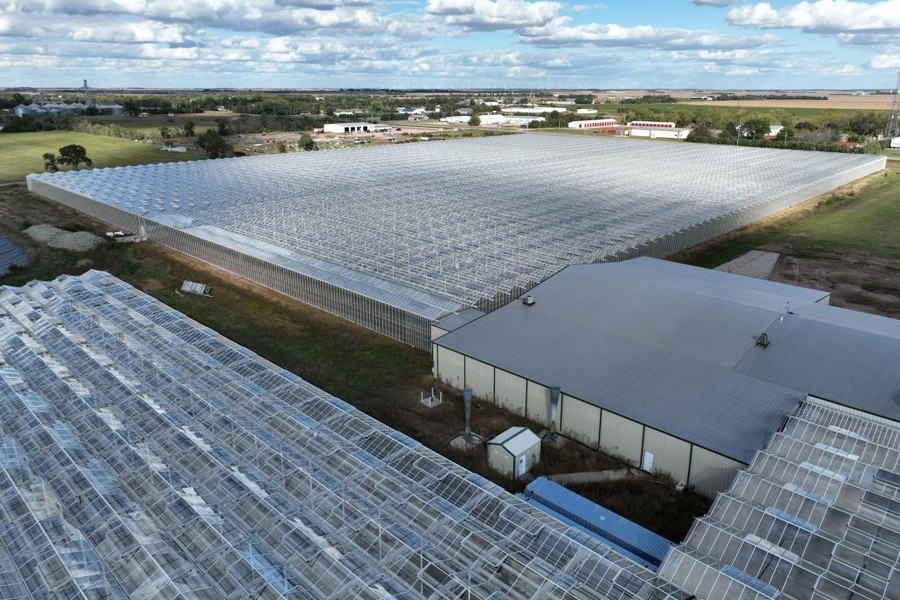
A 1 million-square-foot hydroponic greenhouse facility in Holt County is on the market, offering a large-scale environmentally controlled farming operation in north-central Nebraska. The property, located west of O’Neill, comprises approximately 1,101,241 square feet of total building space…










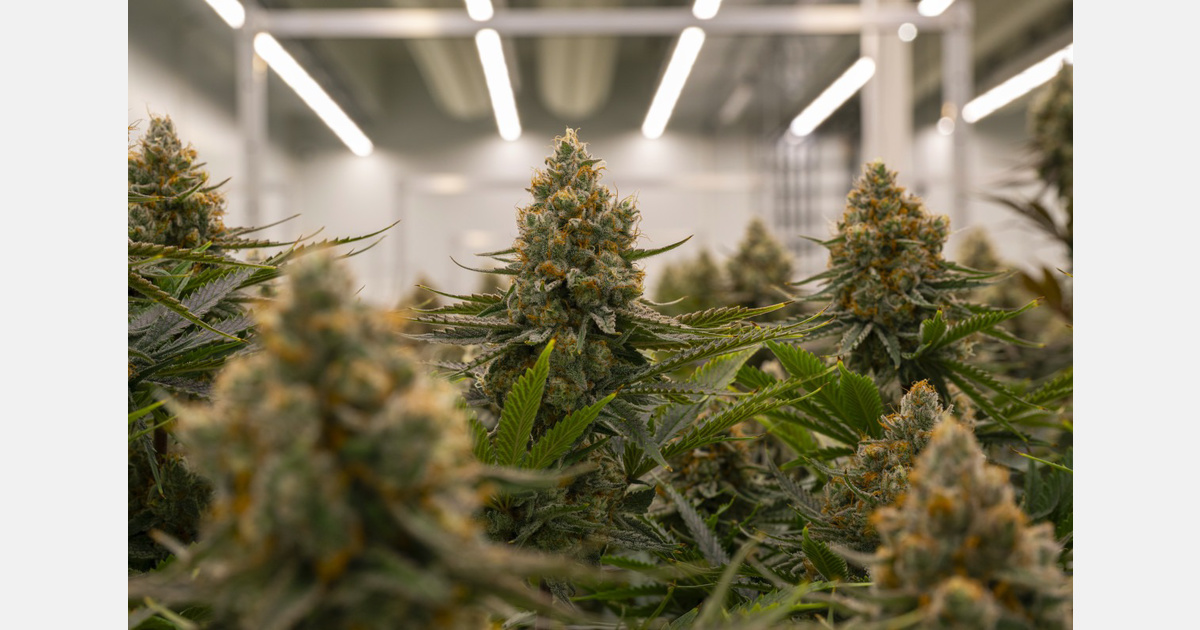
Village Farms International, one of the world’s largest cannabis production facilities located in Delta, BC, increased its export volumes by more than 500 percent by the end of 2025, with international sales reaching US$37.9 million, or just over 20 percent of total cannabis revenue of US$188 million. The main export markets are Germany, Australia, the United Kingdom, New Zealand and Israel.
The company is also expanding, developing an additional 550,000 square feet of greenhouse space across the street from its main facility, designed to support both domestic and international cultivation. Orville Bovenschen, VFI’s global president of operations, points to the excise burden as a permanent strain on the domestic economy: “If you look at how much we paid in excise last year, it’s astronomical,” he says, although VFI declined to provide specific figures.
Walker Patton, one of the founders of the BC Cannabis Alliance, which represents about 50 licensed growers in the province, frames the domestic regulatory environment in stark terms: “With the rules that this industry was set up for, it’s like doing business right out of the gate.” Canada’s excise tax structure charges by weight instead of market price, meaning that since wholesale prices have fallen to roughly half of initial projections, effective tax rates for producers have risen.
 © This is Holland
Sweetgrass Cannabis, a micro-farm located in the Kootenay region, now derives 60 to 70 percent of its sales from international markets after retreating from provinces such as Ontario and Alberta. Company CEO Gemma Hayes says: “Margins, as well as export opportunities, drove our decision.” Ontario’s wholesale markup of up to 25 per cent, layered with excise taxes, spurred what Hayes described as a “race to the bottom.”
Rubicon Organics, a Vancouver-based publicly traded company, entered international markets last year and recently opened a 47,500-square-foot facility in Hope in part to meet overseas demand. Speaking from the International Cannabis Conference in Berlin, Mathieu Aubin, director of marketing and new business, said: “Canada is very well positioned to access international markets for reliable and safe cannabis,” noting that reliability and product integrity are key to gaining access to the medical market.
Not all producers have equal access to these markets. Alex Rumi, founder of grower Good Buds out of Salt Spring Island, said established export markets are structured around an indoor pharmaceutical-style model that hurts sun-grown cannabis, and that Canada’s export system “works for big growers and doesn’t work for craft.” Julia Cameron, president of Cannabis Cultivators of BC and chair of communications and corporate affairs for the VFI, added that growers must secure permits for each shipment while navigating different rules across countries, creating a prohibitive barrier for small operators.
BC has more than 200 licensed growers and accounts for roughly a quarter of Canada’s legal cannabis production, but represents only 14 percent of national exports. Lana Popham, B.C.’s Minister of Agriculture and Food, points to the FIFA World Cup games in Vancouver as a near-term possibility: “It will be interesting to see how many people engage with what is a great product here in B.C.”
Cannabis News
Congressman And Other Media Outlets Join Marijuana Moment’s Push For DEA To Livestream Rescheduling Hearing

Cannabis News
New access solution for cannabis facilities designed to address limitations of traditional gates
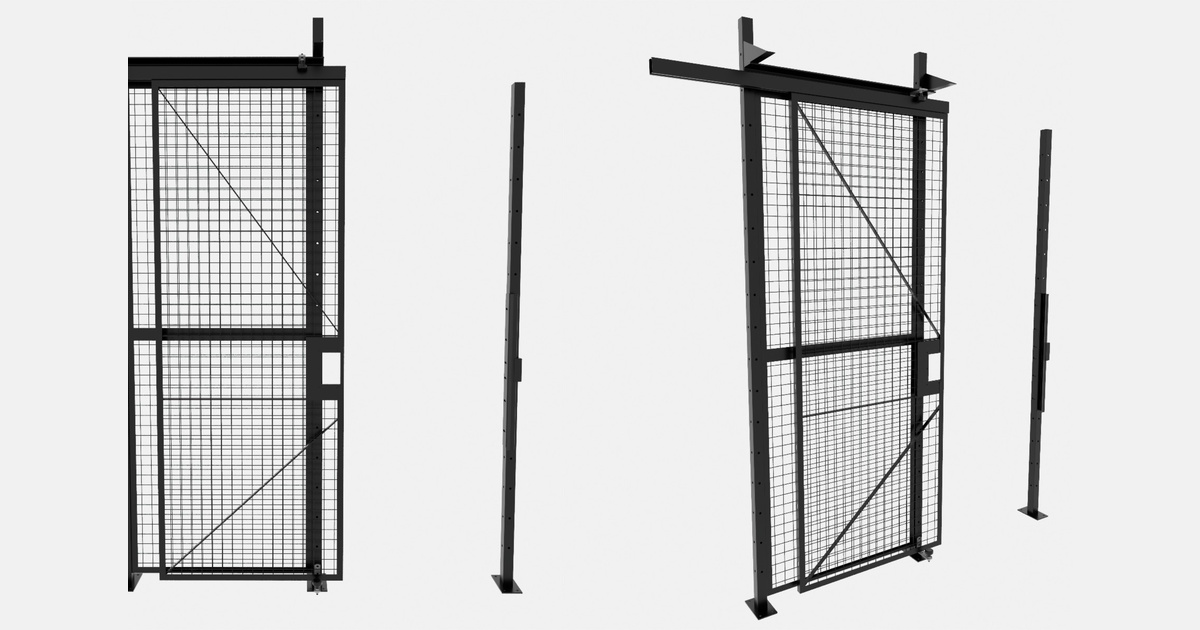
SpaceGuard Products, a North American manufacturer of wire mesh security solutions and security protection systems, has released the BeastWire® Tunnel Door. This access solution is designed to overcome the limitations of traditional balanced doors and is aimed at cannabis cultivation, processing, packaging and distribution environments. The BeastWire Tunnel Door is designed for installations that require vertical clearance, reliable movement and floor space efficiency.
The BeastWire Tunnel Door provides top clearance with no tracks in the operating path of the door. It is suitable for spaces where overhead paths are not feasible, such as facilities that use high-mast forklifts, oversized pallet loads or specialized material handling equipment. Tall equipment can pass through the opening unhindered, allowing for continuous workflow and flexibility in equipment movement.
 © SpaceGuard Products
The door uses a track system designed to create consistent movement. This addresses issues such as stuttering, binding, and misalignment that can occur with conventional sliding or counterbalanced designs. The track controls the path of the door so that the locking mechanism aligns with each cycle, allowing operators to close the door with relatively low force.
Unlike lower track systems that require a soil trench, the BeastWire Tunnel Door mounts above ground. This avoids cutting the installation slab, simplifies installation and reduces maintenance requirements. The system can be installed as a retrofit or in new construction, without changing the floor.
 © SpaceGuard Products
The door frame and retractable design reduces the need for side supports and additional space on the side of the door. This results in a smaller footprint and more usable surface area. The gate has the same construction approach as other BeastWire systems.
The BeastWire Tunnel Door is a high-access door designed for strength and ease of use in cannabis industry facilities.
For more information:
SpaceGuard products 
Email: (email protected)
spaceguardproducts.com/

Tell YOUR Cannabis Story to the DEA! Public Comment is on – Weed Talk News from Coast to Coast

ONE WORLD PHARMA | DR KENNETH PEREGO

A New York Apple Orchard Bet The Farm On Cannabis

Village Farms International leads B.C. cannabis producers in global export push

ALJ Timeline + CBD Data That Could Influence Federal Decision

Congressman And Other Media Outlets Join Marijuana Moment’s Push For DEA To Livestream Rescheduling Hearing

Trump Admin Asks Congress to Regulate Full-Spectrum Hemp Products or Delay Federal Crackdown

Coast to Coast Cannabis News Reports – Massachusetts Rids THC Infused Drinks from Liquor Stores

CANNABIS GLASS HOUSE | KYLE KAZAN

Marijuana Retail Report

“Our system can manage equipment across 10,000+ m² using just a few wires”

Florida Workshop to Discuss What Constitutes a ‘Cartoon’ in Hemp Packaging

Mazar-i-Sharif Hash Wednesday

Afghan Black Hash Wednesday

Weak Michigan Cannabis Sales Again in July – New Cannabis Ventures

From Finance to Wellness: Brad Zerman’s Impactful Pivot

DEA’s Cole Reverses His “priorities” ; Prohibitionists Dig In; Dead & Co Celebrates 60 years in SF

Re-release of the full show of Cannabis Coast to Coast news. Republican Texas DA Fires Up vs. laws;

Curaleaf Q2 Revenue Falls 8% – New Cannabis Ventures

Your Cannabis Business: Consistent Filings Are Critical
-
 Cannabis News10 months ago
“Our system can manage equipment across 10,000+ m² using just a few wires”
-
 Florida10 months ago
Florida Workshop to Discuss What Constitutes a ‘Cartoon’ in Hemp Packaging
-
 Video9 months ago
Mazar-i-Sharif Hash Wednesday
-
 Video9 months ago
Afghan Black Hash Wednesday
-
 aawh10 months ago
Weak Michigan Cannabis Sales Again in July – New Cannabis Ventures
-
 Video10 months ago
From Finance to Wellness: Brad Zerman’s Impactful Pivot
-
 Video10 months ago
DEA’s Cole Reverses His “priorities” ; Prohibitionists Dig In; Dead & Co Celebrates 60 years in SF
-
 Video10 months ago
Re-release of the full show of Cannabis Coast to Coast news. Republican Texas DA Fires Up vs. laws;