
Cannabis News
US Representatives introduce the Higher Education Marijuana Research Act

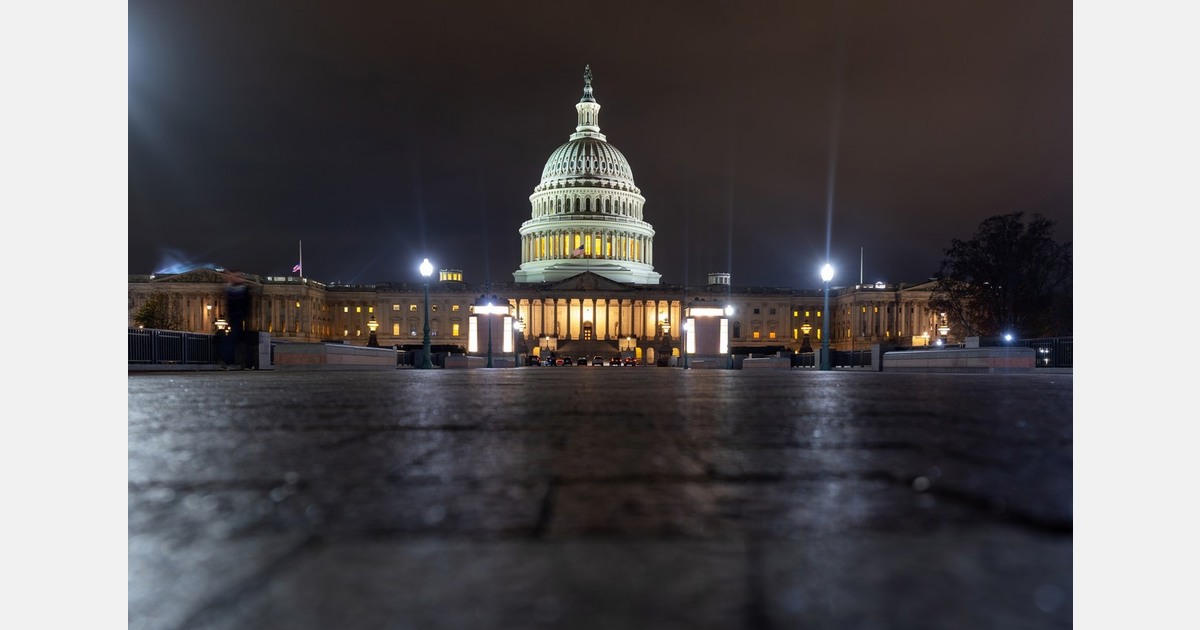
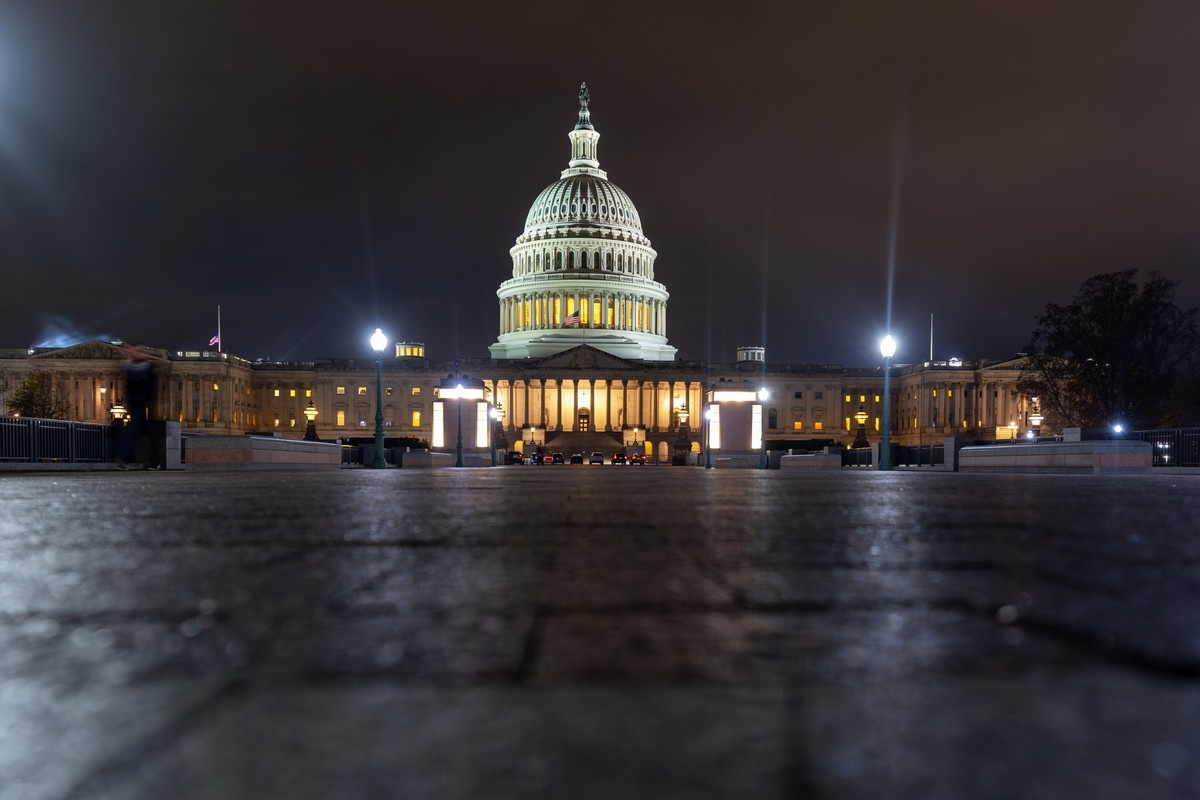
Cannabis Caucus Co-Chairs Ilhan Omar (D-MN) and Dina Titus (D-NV) yesterday introduced the Higher Education Marijuana Research Act to remove barriers to academic cannabis research, protect universities and researchers, and promote the responsible study of marijuana.
“As Chair of the Congressional Cannabis Caucus, I am proud to support the Higher Education Marijuana Research Act, which removes outdated federal barriers that have long prevented universities from conducting critical cannabis research. This legislation protects universities and researchers while removing barriers so they can make better public health decisions,” said Congressman Ilhan Omar.
“The legal and responsible use of cannabis in Nevada has been an important economic driver across the country and deserves further investigation,” said Congressman Titus. “The Higher Education Marijuana Research Act would eliminate outdated federal restrictions that prevent universities and researchers from studying the full range of cannabis products that Americans actually use.”
Although 40 states have legalized medical marijuana and 24 states have legalized it for recreational use, federal law continues to impose significant barriers that limit meaningful research. Cannabis remains subject to restrictive federal controls that dictate who can conduct research, what products can be studied, and how studies are designed. Researchers are often limited to federally licensed cannabis that does not reflect the potency or variety available in state legal markets. Compounding these challenges, researchers must navigate stringent compliance requirements and uncertainty about legal liability. These obstacles have delayed clinical trials, limited understanding of long-term health effects, and left critical gaps in knowledge.
“It makes no sense for the federal government to interfere with this research when millions of Americans are already using marijuana, whether for medical or recreational purposes,” said Congressman Titus.
The Higher Education Marijuana Research Act is supported by the National Organization for Reform of Marijuana Laws (NORML), the National Cannabis Industry Association, the Drug Policy Alliance, and the UNLV Cannabis Policy Institute.
“This legislation is needed more than ever as states continue to allow cannabis for medical and adult use. Even if cannabis is federally reclassified in the near future, there will be significant hurdles for scientists hoping to add to the existing research pool, especially when conducting clinical trials on health effects and examining state-regulated products. The bill moves forward again and calls on Congress to take immediate action to facilitate research, develop new medical treatments, to inform evidence-based policy and help consumers make informed choices,” said Morgan Fox, Policy Director of the National Organization for Reform of Marijuana Laws (NORML).
“The American public has made it clear that it wants access to safe, regulated, and tested cannabis products, and state legal markets continue to evolve to meet that demand. However, federal barriers have long limited researchers’ ability to study hemp in ways that reflect real-world conditions. The Higher Education Marijuana Research Act is a practical step toward expanding credible, real-world research by providing clarity and protection for NCIA universities. Supporting this legislation will help strengthen the industry’s scientific foundation. and will help better inform policymakers, regulators and consumers,” said Brooke Gilbert, Chief Operating Officer of the National Cannabis Industry Association.
“The Higher Education Marijuana Research Act is common-sense legislation that will help researchers better understand the types of cannabis produced in state-regulated markets. The bill will remove a major barrier that currently prevents scientists from learning more about state-regulated cannabis and its public health implications. Increasing the body of scientific evidence with better-informed research, increasing the body of scientific evidence with more informed research, evidence-based policy anyone who should leave,” he said. Drug Markets and the Legal System.
“Everyone, from members of Congress on both sides of the aisle to the scientific community to the current and previous presidential administrations, has stated that cannabis research is necessary and important. This is the one issue that almost everyone can agree on these days, but not much progress is being made to reduce the current barriers to cannabis research. Congressman Titus’ bill has always been a common sense pro-cannabis research. Cannabis reform, it is only fitting that UNLV Cannabis Policy lead the charge now. The Institute applauds his efforts and hopes others will do the necessary work to reduce current barriers to cannabis research that only serve to maintain outdated prohibition-era policies,” said Riana Durrett, director of the UNLV Cannabis Policy Institute.
Source: Representative Ilhan Omar’s office












The American Trade Association for Cannabis and Hemp (ATACH) today released the 2026 Hemp Intoxicants Report, an analysis of the federal and state regulatory landscape for hemp-derived products in light of the most important federal hemp law change since the 2018 Farm Bill.
In November 2025, Congress enacted PL 119-37, formally redefining hemp to exclude intoxicating products, closing a loophole that allowed an unregulated synthetic THC market to emerge.
“Congress has closed the Farm Bill loophole,” said ATACH President Michael Bronstein. “The policy environment remains dynamic: a CMS hemp pilot program is underway, the marijuana rescheduling process is underway, and states are moving and enacting their own laws around hemp intoxication. In fact, regulations are being written in real time. With the new federal definition of hemp set to take effect on November 12, 2026, the Hemp Intoxicants Report provides reports on today’s market, toxins and how. Next up is industry, regulators and for consumers”.
What the report contains
What Congress Amended – PL 119-37 replaces the delta-9-only standard with an all-THC framework, imposes a limit of 0.4 mg per container on finished products, and excludes synthetic and chemically modified cannabinoids from the definition of hemp and hemp cannabinoids, effective November 12, 2026.
State Overview – A comprehensive review of how states have responded, including six regulatory archetypes, enforcement actions in 24 states, and more than 45 bills pending in the 2025 and 2026 legislative sessions.
CBD moment – For the first time, CBD has a clear federal legal basis – but there is still no path for consumer products through the FDA.
THC Beverages – An emerging category creating its own regulatory conversation, distinct from other hemp intoxicants, and three state models gaining traction.
Transition year – How banks, insurers and supply chains are preparing ahead of the November deadline.
The 2006 Hemp Intoxicants Report is now available here.
For more information:
American Cannabis and Hemp Trade Association
attach.org/
Cannabis News
Sponsors Of Virginia Marijuana Sales Legalization Bill Ask Colleagues To Reject Governor’s Amendments, Risking A Veto

Modified Grapes Live Rosin Dabs

The B Block of Cannabis Coast to Coast News with Alaina Pinto; States: Nevada, Arizona, Ohio, NJ, VA

❌Stoner Stereotypes Are All WRONG!

CANNABIS IN AFRICA | DARIN HICKMAN [economic development]

Could Colorado Legalize THC Beverages In Bars And Restaurants?

US Representatives introduce the Higher Education Marijuana Research Act

How Psychedelics Helped Me Manage Grief From A Career In Law Enforcement (Op-Ed)

NECANN Brings East Coast Cannabis Together in Boston

Big Buddha Spannabis 2022

Nixon Ghost’s Industry – 2024 DC Report; Florida Ballot Battles; Beard Brothers: Free Edwin Rubis!

“Our system can manage equipment across 10,000+ m² using just a few wires”

Florida Workshop to Discuss What Constitutes a ‘Cartoon’ in Hemp Packaging

Mazar-i-Sharif Hash Wednesday

From Finance to Wellness: Brad Zerman’s Impactful Pivot

Re-release of the full show of Cannabis Coast to Coast news. Republican Texas DA Fires Up vs. laws;

Weak Michigan Cannabis Sales Again in July – New Cannabis Ventures

DEA’s Cole Reverses His “priorities” ; Prohibitionists Dig In; Dead & Co Celebrates 60 years in SF

Your Cannabis Business: Consistent Filings Are Critical

Texas DA Partakes on Tik Tok to prove a point; Boston Sheriff arrested for Extortion of $ w/ Ascend

New Hampshire Governor Says Federal Marijuana Rescheduling Won’t Change Her Opposition To Legalization
-
 Cannabis News8 months ago
“Our system can manage equipment across 10,000+ m² using just a few wires”
-
 Florida8 months ago
Florida Workshop to Discuss What Constitutes a ‘Cartoon’ in Hemp Packaging
-
 Video7 months ago
Mazar-i-Sharif Hash Wednesday
-
 Video8 months ago
Re-release of the full show of Cannabis Coast to Coast news. Republican Texas DA Fires Up vs. laws;
-
 Video8 months ago
From Finance to Wellness: Brad Zerman’s Impactful Pivot
-
 aawh8 months ago
Weak Michigan Cannabis Sales Again in July – New Cannabis Ventures
-
 Video8 months ago
DEA’s Cole Reverses His “priorities” ; Prohibitionists Dig In; Dead & Co Celebrates 60 years in SF
-
 Best Practices8 months ago
Your Cannabis Business: Consistent Filings Are Critical