
Cannabis News
US Representatives introduce the Higher Education Marijuana Research Act



Cannabis Caucus Co-Chairs Ilhan Omar (D-MN) and Dina Titus (D-NV) yesterday introduced the Higher Education Marijuana Research Act to remove barriers to academic cannabis research, protect universities and researchers, and promote the responsible study of marijuana.
“As Chair of the Congressional Cannabis Caucus, I am proud to support the Higher Education Marijuana Research Act, which removes outdated federal barriers that have long prevented universities from conducting critical cannabis research. This legislation protects universities and researchers while removing barriers so they can make better public health decisions,” said Congressman Ilhan Omar.
“The legal and responsible use of cannabis in Nevada has been an important economic driver across the country and deserves further investigation,” said Congressman Titus. “The Higher Education Marijuana Research Act would eliminate outdated federal restrictions that prevent universities and researchers from studying the full range of cannabis products that Americans actually use.”
Although 40 states have legalized medical marijuana and 24 states have legalized it for recreational use, federal law continues to impose significant barriers that limit meaningful research. Cannabis remains subject to restrictive federal controls that dictate who can conduct research, what products can be studied, and how studies are designed. Researchers are often limited to federally licensed cannabis that does not reflect the potency or variety available in state legal markets. Compounding these challenges, researchers must navigate stringent compliance requirements and uncertainty about legal liability. These obstacles have delayed clinical trials, limited understanding of long-term health effects, and left critical gaps in knowledge.
“It makes no sense for the federal government to interfere with this research when millions of Americans are already using marijuana, whether for medical or recreational purposes,” said Congressman Titus.
The Higher Education Marijuana Research Act is supported by the National Organization for Reform of Marijuana Laws (NORML), the National Cannabis Industry Association, the Drug Policy Alliance, and the UNLV Cannabis Policy Institute.
“This legislation is needed more than ever as states continue to allow cannabis for medical and adult use. Even if cannabis is federally reclassified in the near future, there will be significant hurdles for scientists hoping to add to the existing research pool, especially when conducting clinical trials on health effects and examining state-regulated products. The bill moves forward again and calls on Congress to take immediate action to facilitate research, develop new medical treatments, to inform evidence-based policy and help consumers make informed choices,” said Morgan Fox, Policy Director of the National Organization for Reform of Marijuana Laws (NORML).
“The American public has made it clear that it wants access to safe, regulated, and tested cannabis products, and state legal markets continue to evolve to meet that demand. However, federal barriers have long limited researchers’ ability to study hemp in ways that reflect real-world conditions. The Higher Education Marijuana Research Act is a practical step toward expanding credible, real-world research by providing clarity and protection for NCIA universities. Supporting this legislation will help strengthen the industry’s scientific foundation. and will help better inform policymakers, regulators and consumers,” said Brooke Gilbert, Chief Operating Officer of the National Cannabis Industry Association.
“The Higher Education Marijuana Research Act is common-sense legislation that will help researchers better understand the types of cannabis produced in state-regulated markets. The bill will remove a major barrier that currently prevents scientists from learning more about state-regulated cannabis and its public health implications. Increasing the body of scientific evidence with better-informed research, increasing the body of scientific evidence with more informed research, evidence-based policy anyone who should leave,” he said. Drug Markets and the Legal System.
“Everyone, from members of Congress on both sides of the aisle to the scientific community to the current and previous presidential administrations, has stated that cannabis research is necessary and important. This is the one issue that almost everyone can agree on these days, but not much progress is being made to reduce the current barriers to cannabis research. Congressman Titus’ bill has always been a common sense pro-cannabis research. Cannabis reform, it is only fitting that UNLV Cannabis Policy lead the charge now. The Institute applauds his efforts and hopes others will do the necessary work to reduce current barriers to cannabis research that only serve to maintain outdated prohibition-era policies,” said Riana Durrett, director of the UNLV Cannabis Policy Institute.
Source: Representative Ilhan Omar’s office


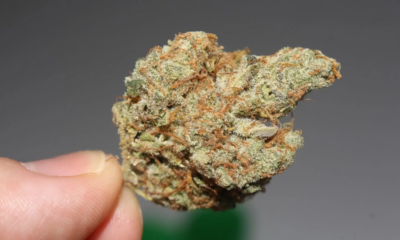
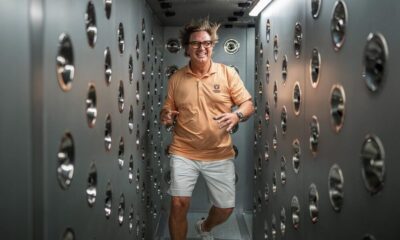

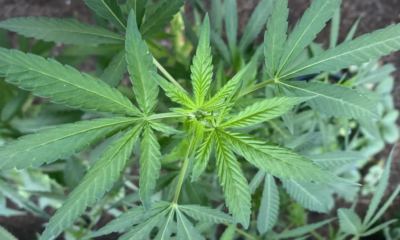





Dalgety Ltd has entered into a partnership with Curaleaf Laboratories to supply pharmaceutical grade cannabis medicines to the UK cannabis market. The arrangement combines Dalgety’s cultivation operations, which are certified to EU-GMP standards, with Curaleaf Laboratories’ pharmaceutical manufacturing and distribution capabilities. According to the companies, this creates a UK-based supply route that does not rely on imported cannabis flowers, as Dalgety cultivates its product in-house. Dalgety claims it was the first company in the UK to grow, manufacture and supply EU-GMP medical cannabis from a single site.
 © Curaleaf Laboratories
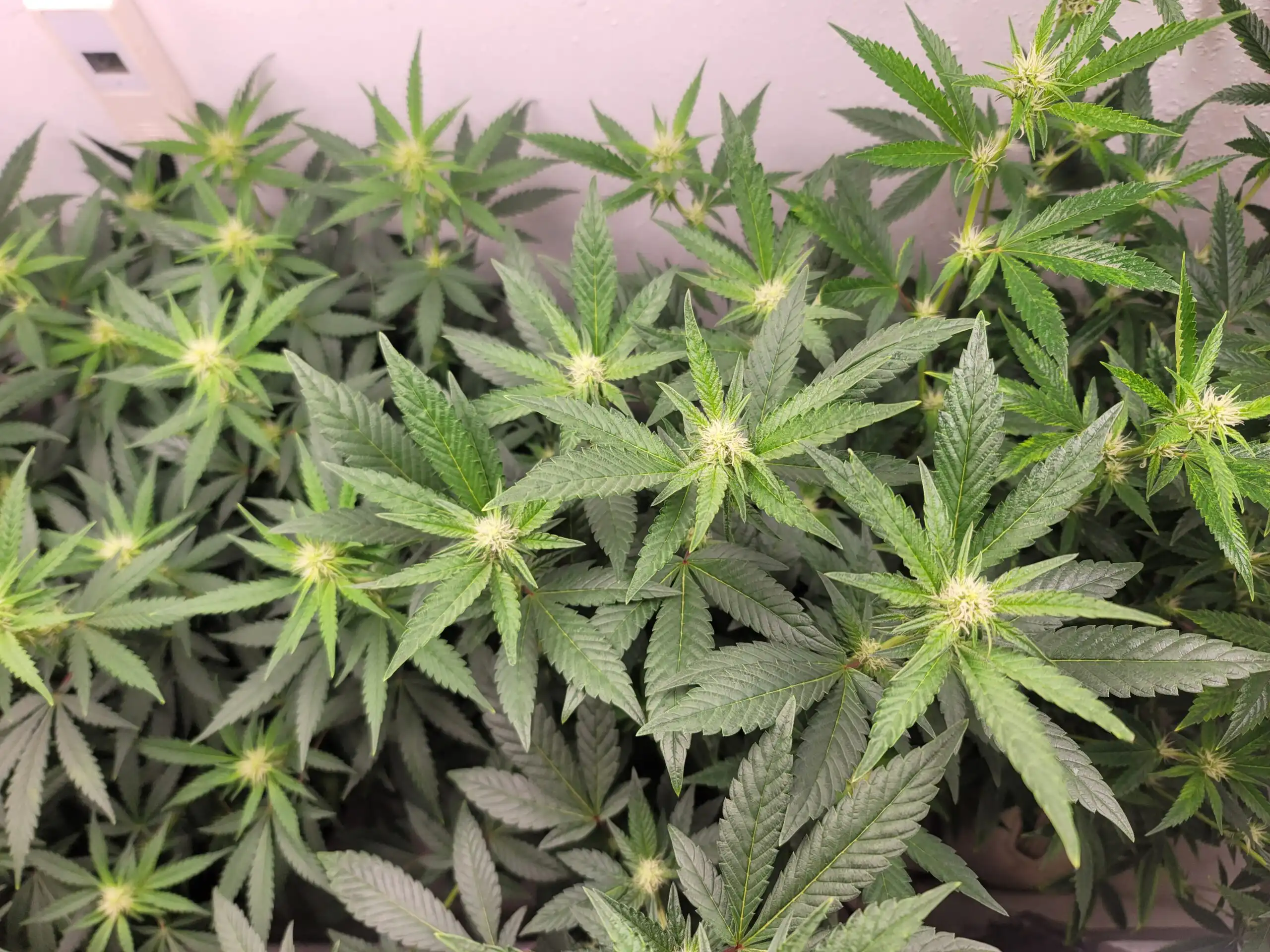
The growing facility, which is more than 30,000 square feet, is located indoors and uses hydroponic growing methods along with automated lighting, irrigation, humidity and temperature control systems. The company reports that it uses AI-assisted environmental monitoring, which extends the traceability of batches to the final product and compares them to operating standards for air filtration systems. Post-harvest processing is said to follow EU-GMP protocols, including microbial and cannabinoid testing.
The stated goal of this approach is to reduce between-harvest variation in terms of THC and CBD content, terpene profiles, and microbial safety. Dalgety says his cultivation is overseen by staff with experience in horticulture and biochemistry, some of whom have worked on cannabis cultivation projects internationally.
Through a partnership with Curaleaf Laboratories, Dalgety’s UK-grown cannabis is processed and distributed through a UK-based supply chain, rather than imported from overseas. Companies suggest that this arrangement can shorten the time it takes to get products to market compared to importing, and reduce the likelihood of supply disruptions. Because Dalgety and Curaleaf Laboratories are involved in cultivation, manufacturing and distribution, the companies say this oversees the product at every stage, making it clearer for prescribers to see where and how the product was made.
 © Curaleaf Laboratories
Dalgety operates to EU-GMP standards and has been subject to regulatory review by the MHRA and the Home Office. Its operations include environmental monitoring, microbial testing, stability testing, controlled drying and curing procedures and quality assurance processes, along with controlled and secure facilities.
The company describes its work as controlled environment farming, hydroponic systems, environmental control technology, and efforts to stabilize cannabis genetics and phenotypes for batch-to-batch consistency.
 © Curaleaf Laboratories
Dalgety has also opened its cultivation facilities for visits to healthcare professionals, clinicians, pharmacists, researchers and other industry stakeholders. The company says this is in response to the fact that much of the cannabis historically supplied to UK patients has been grown overseas, which has limited opportunities for UK clinicians to see first-hand the cultivation and quality control processes. These tours aim to provide visitors with information on cultivation standards, EU-GMP compliance procedures, environmental control systems, testing processes and the regulatory framework governing cannabis manufacturing in the UK.
Dalgety and Curaleaf Laboratories describe their partnership as expanding access to UK-grown medical cannabis, improving supply chain reliability and helping to meet sector regulations, placing it in the wider context of growing demand for cannabis-based treatments from UK patients.
For more information:
Curaleaf Laboratories
Email: (email protected)
https://curaleaflaboratories.co.uk/
Cannabis News
Arkansas GOP Governor And Democratic Challenger Agree On Opposing Marijuana Legalization
Cannabis News
Will the top World Cup expert in the fruit, vegetable, and horticulture sector come from Canada, the U.S. or Belgium?

FreshPublishers 2026 World Cup Group Stage
The World Cup is coming to an end, with the third-place play-off between France and England on Saturday, and the final between Spain and Argentina the following day. It won’t be long until the grand winner of FreshPublishers’ first World Cup pool is revealed.
 © Fresh Publishers
As previously reported, Slim Kooli from Courchesne Laros is the favorite to win the €1,000 prize. He has secured a comfortable lead over Nol Batist of North American Interstate Greenhouse Company, while buyer Bjorn Van Ryckeghem of Deprez Construct is currently in third place.
| 1 | Sim School | Spain | 1–0 | 2–1 | 737 | 9716 | |
| 2 | Nol Batist | France | 2–1 | 1–1 | 674 | 9433 | |
| 3 | Bjorn Van Ryckeghem | France | 2–2 | 3–1 | 674 | 9264 | |
| 4 | Christian Anton Smedshaug | England | 1–2 | 1–2 | 659 | 9134 | |
| 5 | Perry Springintveld | Spain | 1–1 | 2–1 | 647 | 9105 | |
| 6 | Willem Tijssen | Spain | 2–0 | 2–1 | 710 | 9098 | |
| 7 | Hans Borsboom | Spain | 2–1 | 2–1 | 528 | 9058 | |
| 8 | Bart Triemstra | Spain | 2–1 | 2–1 | 737 | 9052 | |
| 9 | Youness Bensaid | Spain | 2–1 | 1–1 | 722 | 8954 | |
| 10 | Vijay Dijkstra | Portugal | 2–0 | 2–1 | 382 | 8953 |
However, there have been some surprises during the tournament, and bonus points must be added, so we will keep the suspense a little longer. On Monday we will find out who is the main World Cup announcer in the international fruit, vegetable and horticulture sector…

BREAKING NEWS DEA RESCHEDULES CANNABIS TO SCHEDULE 3!

ASK ME ANYTHING | MONTEL

Marijuana Retail Report

Redefining the standards of UK cannabis

Arkansas GOP Governor And Democratic Challenger Agree On Opposing Marijuana Legalization

Michigan Cannabis Brand Forced to Close After Investigation Finds Inventory Discrepancies, Out-of-State Transport

The C Block…more 420 recaps on Weed Talk News …recorded 4_29_24

PART 1 TAKING A KNEE | NATE BOYER

Marijuana Retail Report

Will the top World Cup expert in the fruit, vegetable, and horticulture sector come from Canada, the U.S. or Belgium?

“Our system can manage equipment across 10,000+ m² using just a few wires”

Mazar-i-Sharif Hash Wednesday

Florida Workshop to Discuss What Constitutes a ‘Cartoon’ in Hemp Packaging

Afghan Black Hash Wednesday

From Finance to Wellness: Brad Zerman’s Impactful Pivot

Weak Michigan Cannabis Sales Again in July – New Cannabis Ventures

Re-release of the full show of Cannabis Coast to Coast news. Republican Texas DA Fires Up vs. laws;

DEA’s Cole Reverses His “priorities” ; Prohibitionists Dig In; Dead & Co Celebrates 60 years in SF

Texas DA Fires Up for Change! Mass. Sheriff arrested on Extortion charges; GOP vs Industry in state

Your Cannabis Business: Consistent Filings Are Critical
-
 Cannabis News11 months ago
“Our system can manage equipment across 10,000+ m² using just a few wires”
-
 Video10 months ago
Mazar-i-Sharif Hash Wednesday
-
 Florida11 months ago
Florida Workshop to Discuss What Constitutes a ‘Cartoon’ in Hemp Packaging
-
 Video9 months ago
Afghan Black Hash Wednesday
-
 Video11 months ago
From Finance to Wellness: Brad Zerman’s Impactful Pivot
-
 aawh11 months ago
Weak Michigan Cannabis Sales Again in July – New Cannabis Ventures
-
 Video11 months ago
Re-release of the full show of Cannabis Coast to Coast news. Republican Texas DA Fires Up vs. laws;
-
 Video11 months ago
DEA’s Cole Reverses His “priorities” ; Prohibitionists Dig In; Dead & Co Celebrates 60 years in SF