
Cannabis News
Illinois SB 3222 restricts intoxicating hemp sales, expands cannabis equity measures

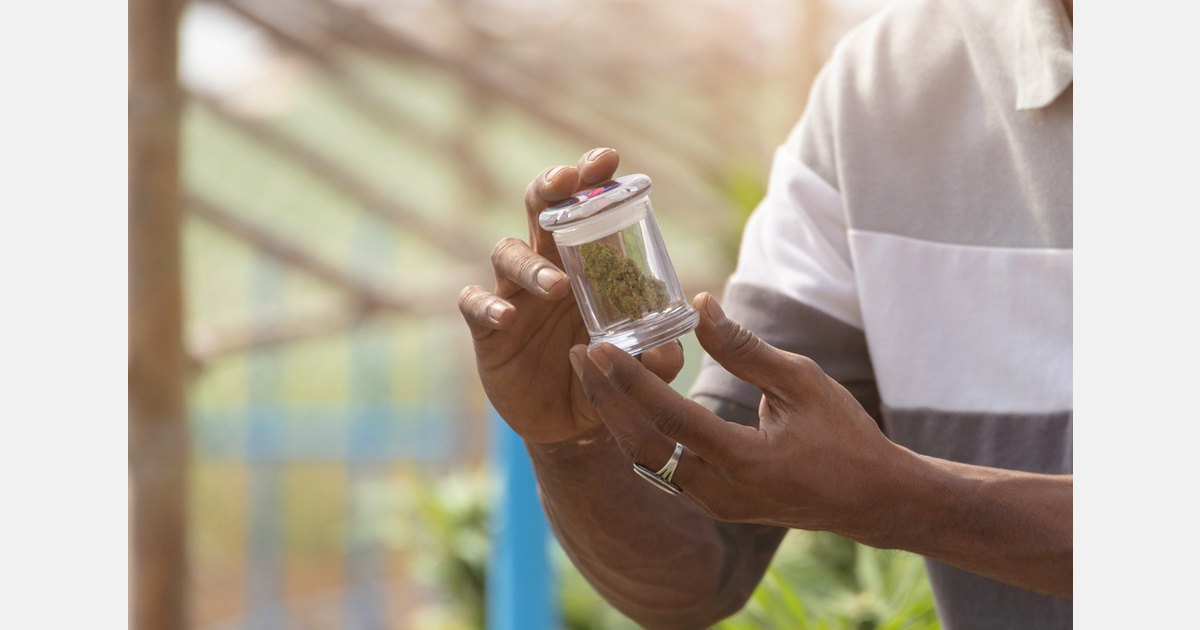
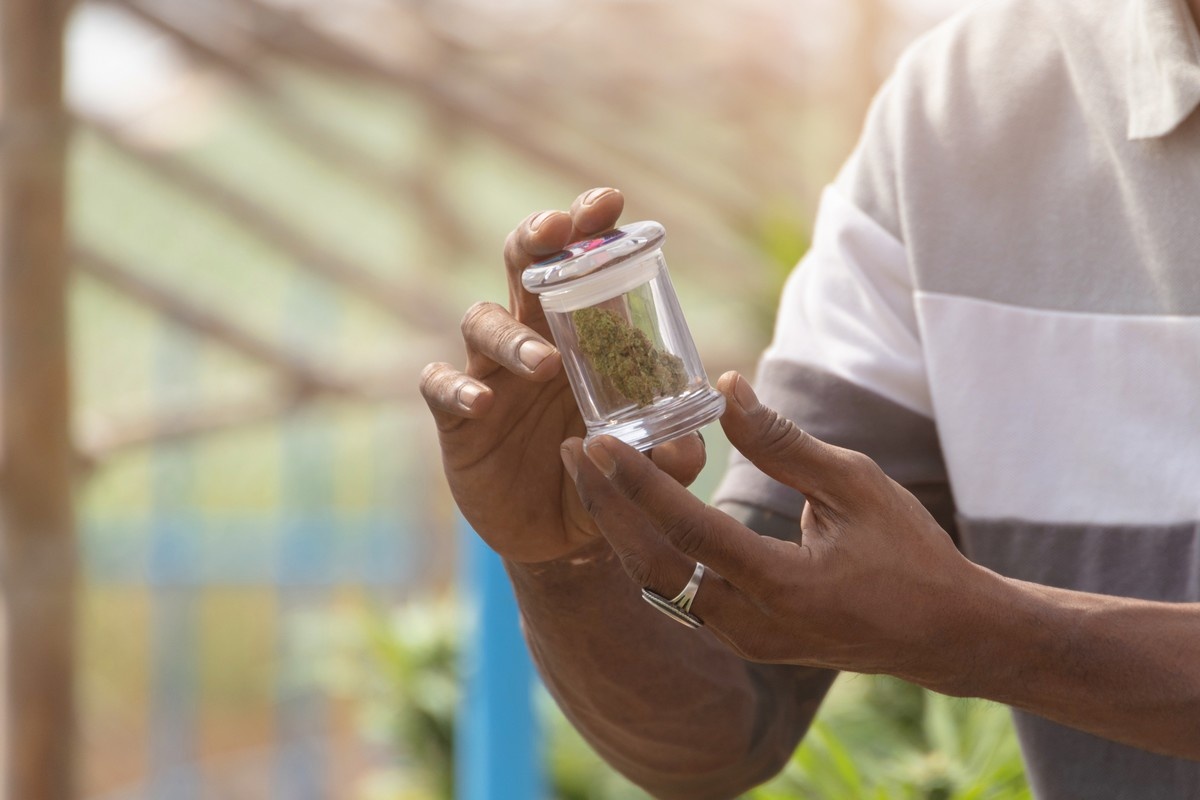
Illinois Governor JB Pritzker signed SB 3222 into law Thursday at Chicago’s SWAY Cannabis Dispensary, aiming for equity in the cannabis industry and increasing oversight of intoxicating hemp products sold outside the state’s regulated adult-use market.
The new law prohibits the sale of intoxicating hemp products, including Delta-8, THC-P and HHC, to minors. According to the governor’s office, these products have often appeared in packaging designed to appeal to children or distort their contents. From November, such products will require child-friendly packaging, and misleading marketing aimed at children will be banned. The current regulatory framework for cannabis will be extended to cover these intoxicating hemp products.
The legislation also expands patient access to medical cannabis by allowing all dispensaries in Illinois to register as medical cannabis dispensaries. Dispensaries will also be allowed to offer drive-up and curbside pickup, and the amount of marijuana they can legally possess at a time is doubled under the new rules.
For cannabis growers and infusers, the law provides hardship exemptions based on income, extending business start-up time and reducing costs. According to Pritzker, “Illinois has the most diverse and equitable cannabis industry in the country, which has created more than 16,000 new jobs and helped grow our economy.”
After legalizing recreational marijuana in 2020, Illinois cannabis rights holders have faced years of delays and bureaucratic hurdles, even as the state records billions of dollars in cannabis sales. The new legislation aims to streamline how state agencies share information, administer financial aid programs and regulate operations in the cannabis industry.









Cannabis News
Virginia Hemp Farmers And Businesses Worry About Changes Included In Newly Passed Marijuana Market Legislation

Biobest has developed a new home grow bag for predatory mites designed to reduce greenhouse labor requirements while addressing the growing challenge of single-use plastic waste in crop protection systems.
According to Ines De Craecker, Director of Product Management at Biobest, the project arose out of discussions with growers, rather than regulatory pressure.
“People might think it started from a regulatory perspective, but we started from a conversation,” he shares. “The growers were really conflicted. The labor is expensive, and they had to choose between removing the bags from the harvest or leaving behind non-recyclable waste.”
Mite predator bags are widely used in IPM programs and have become a standard biological control tool in greenhouse production. Most bags on the market today are made of single-use plastic.
“At the end of the season, growers have to decide whether to remove all the growth bags from the crop by hand, which is labor-intensive, or leave them in place. It becomes a choice between yield and sustainability.”
 © Arlette Sijmonsma | MMJDaily.com
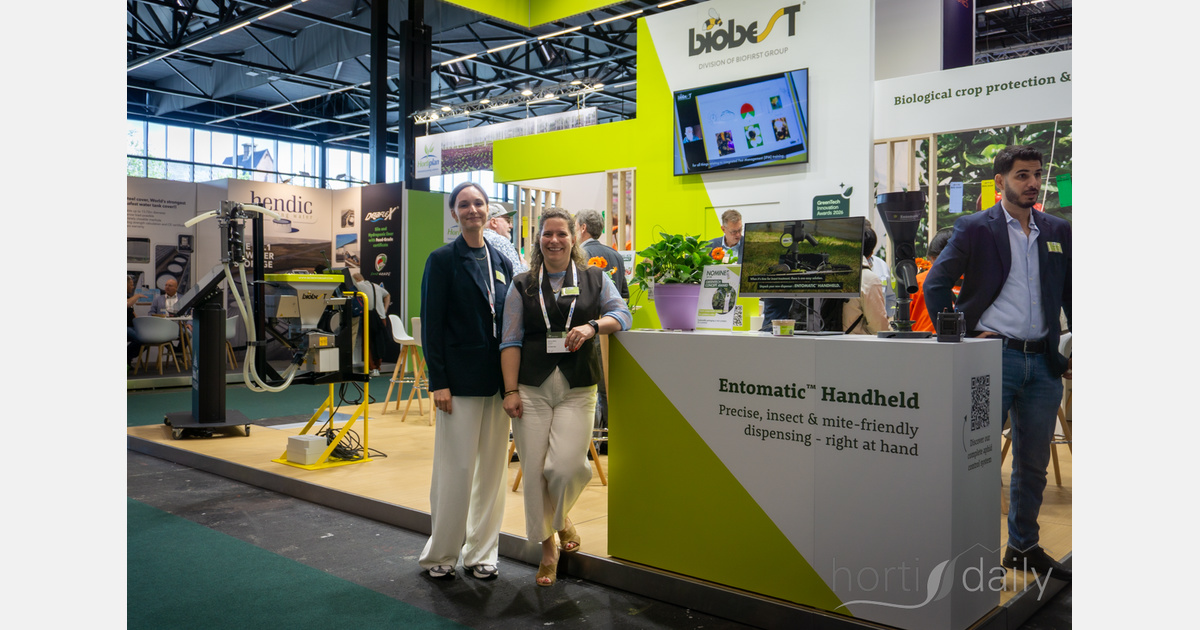
Ines De Craecker and Hanne Steel from Biobest at this year’s Greentech Amsterdam
Maintaining performance while improving sustainability
Biobest estimates that more than 350 million grow bags are used each year, generating more than 1,400 tons of non-recyclable waste. In addition, more than 20 hours of skilled labor per hectare may be required to remove the sachets.
“For large growers working several hectares, this can mean extra work at the end of the week to remove the bags at the end of the season,” says Ines.
Developing a sustainable alternative presented significant technical challenges. The company aimed to create a fully compostable portfolio without compromising biological performance.
“It sounds simple, but it’s really complicated to develop a grow bag in sustainable materials without compromising the product’s performance. You still want to deliver the quality and performance that customers expect.”
The development process involved collaboration between Biobest’s R&D, packaging and production teams, as well as external material suppliers and commercial teams. Field validation was also essential to confirm that mite performance and pest control effectiveness remained unchanged.
“If you compare it to a regular single-use grow bag, it looks exactly the same. The mite performance and the actual control in the crop is unchanged.”
 © Arlette Sijmonsma | MMJDaily.com
Biodegradable bags shown at Greentech Amsterdam
Home compostability at room temperature
A key feature of the new bag is its ability to biodegrade under home composting conditions. Ines says that in order to obtain a certificate of home compostability, the materials must fully biodegrade within 180 days, at an ambient temperature of 20°C to 30°C, under specified humidity conditions.
“Our bag has been designed with the minimum amount of polymer that can be composted at home, and it is mainly made of paper-based fibers. These fibers not only support biodegradation, but also improve the quality of the compost, helping to regulate the moisture level, making the bag well suited for both home composting and local composting.”
This is a significant advantage over industrial compostable materials, which require specialized composting facilities operating at temperatures between 70°C and 80°C.
“One of the challenges with industrially compostable solutions is that many growers do not have access to industrial composting facilities. This means that waste cannot be composted as intended or must be transported off-site for processing,” he added.
In practice, many industrial compostable materials are not even accepted by commercial composters. They are usually screened early in the process because they break down more slowly than the composting cycle, are too coarse or stiff to be shredded effectively, or are considered a visual pollutant in the final compost.
According to Ines, they have designed their bag to overcome these challenges. Its paper fiber construction makes it easy to shred, helping to reduce moisture levels during composting. The ultra-thin layer of home compostable polymer breaks down even faster under industrial composting conditions, eliminating concerns about inconsistent composting deadlines.
“We wanted to develop a bag that doesn’t put any restrictions on a grower’s waste stream. It can stay with the crop waste and follow its existing end-of-life path, whether it’s a backyard compost pile, a farm composting system, or industrial composting.”
At the end of the crop cycle, the bags can be removed along with the plant material and composted, eliminating the need for separate collection, sorting and disposal.
A gradual rollout is planned
The compostable home portfolio is now a concept and was nominated for the GreenTech Concept Award. According to Ines, the technology is suitable for all predatory mites that are currently supplied in grow bags.
“In the future it is our intention to change all our products to a home compostable format.” Biobest plans to initially introduce the pouches to select European markets, before gradually expanding production and availability globally.
For more information:

Biobest Group NV
Telephone: +32 14 25 79 80


The B Block – The Debate between Hemp vs.THC Cannabis & Is NH ready to go to a legal state#25?

GROWING CANNABIS BELUSHI | JIM BELUSHI

Marijuana Retail Report

Illinois SB 3222 restricts intoxicating hemp sales, expands cannabis equity measures

Virginia Hemp Farmers And Businesses Worry About Changes Included In Newly Passed Marijuana Market Legislation

New York Launches Program to Educate Doctors About Cannabis

Weed Talk News with Alaina Pinto – C Block from 5-20-24 –

INSPIRING CANNABIS STORY OF SUCCESS | PEPE BRETON

Marijuana Retail Report

No need to remove fully compostable sachets during crop rotation

“Our system can manage equipment across 10,000+ m² using just a few wires”

Florida Workshop to Discuss What Constitutes a ‘Cartoon’ in Hemp Packaging

Mazar-i-Sharif Hash Wednesday

Afghan Black Hash Wednesday

Weak Michigan Cannabis Sales Again in July – New Cannabis Ventures

From Finance to Wellness: Brad Zerman’s Impactful Pivot

Re-release of the full show of Cannabis Coast to Coast news. Republican Texas DA Fires Up vs. laws;

DEA’s Cole Reverses His “priorities” ; Prohibitionists Dig In; Dead & Co Celebrates 60 years in SF

Your Cannabis Business: Consistent Filings Are Critical

Curaleaf Q2 Revenue Falls 8% – New Cannabis Ventures
-
 Cannabis News11 months ago
“Our system can manage equipment across 10,000+ m² using just a few wires”
-
 Florida11 months ago
Florida Workshop to Discuss What Constitutes a ‘Cartoon’ in Hemp Packaging
-
 Video9 months ago
Mazar-i-Sharif Hash Wednesday
-
 Video9 months ago
Afghan Black Hash Wednesday
-
 aawh11 months ago
Weak Michigan Cannabis Sales Again in July – New Cannabis Ventures
-
 Video11 months ago
From Finance to Wellness: Brad Zerman’s Impactful Pivot
-
 Video11 months ago
Re-release of the full show of Cannabis Coast to Coast news. Republican Texas DA Fires Up vs. laws;
-
 Video10 months ago
DEA’s Cole Reverses His “priorities” ; Prohibitionists Dig In; Dead & Co Celebrates 60 years in SF