
Cannabis News
Saxony-Anhalt state government backs hemp innovation center in Mücheln

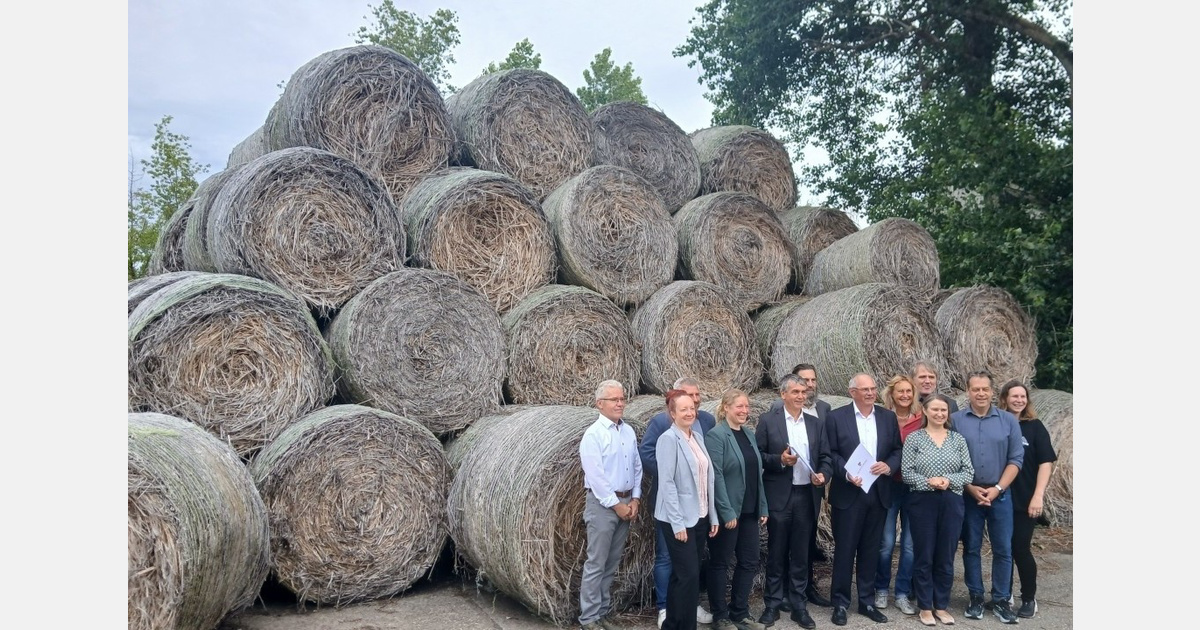
The German state of Saxony-Anhalt is supporting the development of a hemp information and competence center in Müchelnen (Geiseltal). The joint project known as IKHE – “Information and Competence Center for Hemp with Experience Trails” – is being carried out by the city of Mücheln (Geiseltal), the University of Applied Sciences Merseburg and the German Hemp Academy (Deutsche Hanf-Akademie eV).
The project has been given approximately 3.8 million euros as part of the New European Bauhaus (NEB) initiative, fully financed by the European Union’s Just Transition Fund (JTF).
The funding announcement was presented in Mücheln (Geiseltal) on July 7, 2026 by Gert Zender, State Secretary of the Ministry of Economy, Tourism, Agriculture and Forestry of Saxony-Anhalt.
 © New Bauhauslers
Hemp is a versatile plant and one of the oldest crops cultivated by humans. For centuries, it was used to produce textiles, paper, and building and construction materials, before being largely displaced by fossil-based raw materials. Today, the renewed use of hemp opens up new possibilities for the ecologically and economically efficient production of building materials and fiber products. Grown in rotation with other crops, hemp improves soil quality, requires no crop protection products and requires little water.
Hanffaser Geiseltal eG a hemp industry processing cooperative is already active in the region. While Hanffaser Geiseltal processes the raw material, the IKHE partners are working to establish the information and competence center as a center for knowledge transfer, education and testing. Together, these efforts are turning Mücheln (Geiseltal) into a location with experience covering the entire hemp value chain.
At the heart of IKHE is an experimental building workshop where new bio-based building materials made from hemp are developed, tested and demonstrated in experimental building projects. This is complemented by a self-help building workshop, where both professionals and the public can learn how to work with hemp-based building materials through combined theoretical and practical seminars, and receive hands-on guidance for their building projects. Experiential trails will also allow visitors to explore where and how hemp can be used, in a hands-on way, from construction and textiles to food and cosmetics.
 © New Bauhauslers
A bottom-up participatory approach is central to the project. From the very beginning, local residents, associations, schools and regional initiatives have been actively involved in the development and implementation of the project through open workshops and practical activities. In this way, the project combines formal scientific and technical knowledge with the practical expertise of craftsmanship and regional traditions, reflecting the values of the new European Bauhaus of being beautiful, sustainable and inclusive.
IKHE is an Applied NEB Project and will be in operation until 2028. It is supported by the NEB Network Office Saxony-Anhalt, acting on behalf of the State Chancellery and the Saxony-Anhalt Ministry of Culture.
Source: The new Bauhauslers













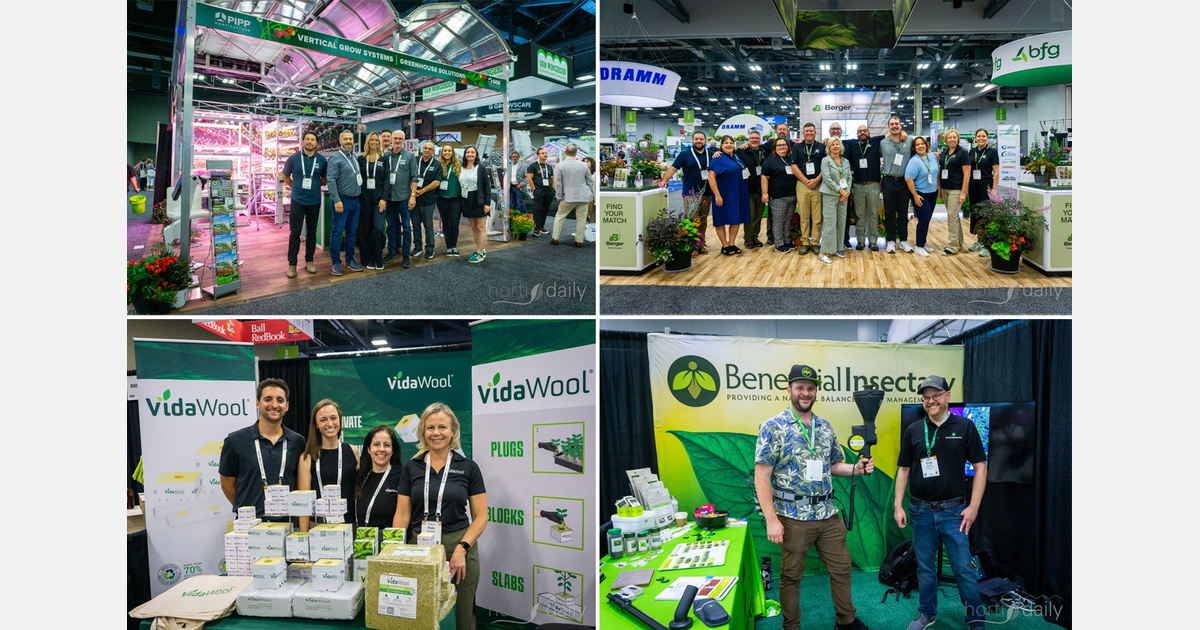
New varieties, commercial trends, packaging solutions, greenhouse developments, microbiological products, crop protection – there was a lot to see, learn, do and discover at Cultivate 2026, and we’ll be sure to share it all with you in the coming days. But first, it’s picture time (and nap time).
See the supplier photo report Cultivate 2026 here.
Find photo coverage of gardening companies on our sister site FloralDaily.
 © Arlette Sijmonsma | MMJDaily.com
Pipp / GGS, the Berger team, the VidaWool team and Beneficial Insectary Cultivate are all at 2026.
Cannabis News
GOP Senator Says Keeping Hemp THC Products Legal Is An Issue That Can Unite Lawmakers At A ‘Hyperpartisan’ Time
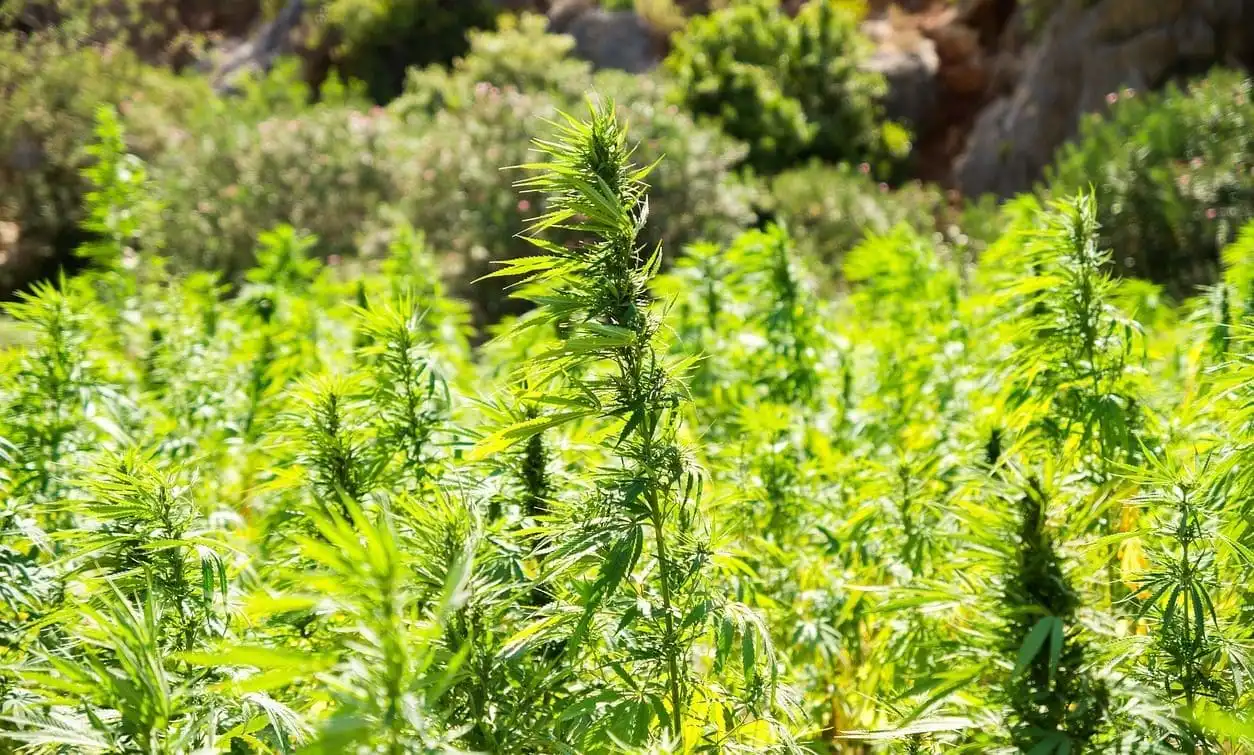
A Republican senator plans to introduce bipartisan legislation later this year to roll back the federal recriminalization of THC hemp products and replace it with a new regulatory system that includes age limits and taxes.
Sen. Tim Sheehy (R-MT) said the issue is “personally important to me” as a wounded veteran who has “many friends who have gone through various stages of recovery after war” and as someone who represents an agriculture-based state.
“I’m hopeful that in a hyper-partisan age where it seems like we can’t get past anything, this can be an issue where we can see executive and legislative success,” the GOP lawmaker said Wednesday in a Zoom meeting with members of the Hemp Industry & Farmers of America (HIFA) group. “That will be good for America.”
Sheehy said there is a “bipartisan group” on the issue, citing lawmakers like Sen. Andy Barr (R-KY) and Sen. Amy Klobuchar (D-MN) who are collaborating on hemp reform legislation that she said will be introduced “fairly soon.”
“We’re considering some legislative action here to help the hemp industry.”
Senator, who has separately championed veteran-based psychedelic legislationnoted that the Trump administration is pushing Congress to delay, modify, or change the ban on hemp and is also taking steps to accelerate access to therapeutic substances such as psilocybin and ibogaine.
“They’ve advocated for a lot of non-standard treatments, a lot of non-standard drugs, a lot of non-standard substances that historically — I mean historically for hundreds of years — have been used for a long time, but in the last 50 years there’s been limited use,” Sheehy said.
Hemp derivatives containing less than 0.3 percent delta-9 THC by dry weight were made federally legal under the 2018 Farm Bill signed by President Donald Trump in his first term. But late last year, Trump signed new legislation containing provisions that will redefine hemp so that only products with a total of 0.4 milligrams of THC per container will be legal starting Nov. 12.
In a letter to House Speaker Mike Johnson (R-LA) last month, White House Office of Management and Budget (OMB) Director Russell Vought said The administration wants lawmakers to “ensure the correct treatment of hemp products.”—Specifically, citing legislation that would keep many of the hemp products legal to recriminalize this year, add labeling requirements and impose new sales taxes, among other regulatory reforms.
During a meeting with industry representatives on Wednesday, Sheehy noted how hemp products have “consistently proven to be effective” for veterans dealing with PTSD, traumatic brain injury and chronic pain, particularly as an alternative to opioids and alcohol.
The senator also answered questions from HIFA members who asked about the specifics of the soon-to-be-introduced hemp reform legislation.
Responding to one person who said hemp farmers often have to destroy a significant percentage of their crops because of compliance issues, Sheehy said the legislation she authored would raise the threshold for hemp crops to 1 percent THC, up from the current 0.3 percent limit.
“All of this has obviously been worked out with input from industry and farmers,” he said. “And we’ve heard from a number of stakeholders that they believe that this will provide enough certainty and flexibility to grow crops, that it will provide the security and safety net that they need to be able to invest in it.”
In response to a separate question about taxes on hemp products, Sheehy said the 5-cent-per-milligram levy on beverages currently in the bill, along with a user fee on other hemp-derived products, is “a place where business can thrive.”
“It’s still the right balance between producers and taxpayers and consumers that strikes that middle ground,” he said. “Now, of course, we have to accept this. It has to go through negotiations and conferences. That can change.”
—
It’s Marijuana Time tracking hundreds of cannabis, psychedelic and drug policy bills in state legislatures and Congress this year. Patreon supporters by pledging at least $25/month, you’ll get access to our interactive maps, charts, and audio calendars so you never miss a development.
Learn more about our marijuana bill tracking and become a Patreon supporter to gain access
—
In that statement, the senator said the bill “will not be perfect out of the gate.”
“I think in trying to do something bipartisan and trying to get the administrators to pass it and the laws to pass, we’re going to have to pass it close enough and good enough at first, and hopefully tweak it later,” he said.
Other topics covered during the call included keeping children out of intoxicating hemp products and protecting the ability of businesses to engage in interstate commerce.
Ultimately, Sheehy expressed optimism that Congress could pass legislation this year to keep hemp products legal.
“When we have a real profitable crop, there’s real free market demand for that crop, and we have the ability to grow that crop in America and sell it profitably with a major free market company, and it’s not even subsidized by the government, it’s foolish not to grow that,” the senator said.
“Now, yeah, there’s a limit to that. We don’t want to grow opium and you know all that heroin and cocaine,” he said. “I get it, but this is not that. And I think it’s important to establish a legal framework around this, because if we don’t it will always be perceived as one of these. It will still be a bad drug that should be banned. I think if we bring it to light, we will regulate it, we will provide a framework that will accept it.”
Meanwhile, the former head of the Department of Homeland Security in the first Trump administration has just sent a letter He warned Congress against keeping hemp THC products legalHe said reversing the ban, which will take effect at the end of the year, would “undermine public health” and “empower foreign criminal actors”.
The Trump administration, however, “welcomes the opportunity to work with Congress to at least update the legal definition of the final hemp-derived cannabinoid products Americans have access to adequate full-spectrum CBD products,” OMB said last month, “maintaining Congress’ intent to limit the sale of products that pose serious health risks.”
The call to avoid a broad ban on hemp CBD products was included in the Administration’s policy statement on the annual agriculture spending bill passed by the House of Representatives.
Several members of parliament had it He introduced amendments to that legislation to keep hemp products legalbut the House Rules Committee blocked each from going to a vote or its sponsor withdrew.
“The administration supports the progress of this legislation, but hopes to address its concerns before moving forward,” OMB said in the administration’s policy statement. “The administration looks forward to working with Congress to provide further input as the bill’s legislative process develops.”
in April, the president himself has asked members of Congress to redefine hemp to prevent the recriminalization of full-spectrum CBD products.
“I call on Congress to update the Act so that Americans can continue to have access to the full-spectrum CBD products they trust and support, while upholding Congress’ intent to limit the sale of products that pose health risks,” Trump said in a Truth Social post the same day his administration announced it was moving forward with marijuana reregulation.
“We need to do this RIGHT and FAST, especially for those who have found CBD to help them,” he said. “Also, I’m told it will help our BIG FARMERS that we love and will always be around.”
Industry advocates say the law passed last year not only threatens to ban intoxicating and synthetic cannabinoids, but also take popular full-spectrum CBD products used therapeutically by many Americans off the market.
“ONE IN FIVE adults used it in the past year, and many say it dramatically improved their chronic pain,” the president said in the social media post, adding that hemp-derived CBD “has made a HUGE difference for so many people.”
The administration also referred to a new initiative launched in April Cover up to $500 of hemp-derived products annually for eligible Medicare patients. The program being implemented by the Centers for Medicare and Medicaid Services (CMS) focuses largely on CBD, but allows products to contain a total of 3 milligrams of THC per serving.
“In December, I signed a very important Executive Order calling for Research and Innovation into Hemp-derived CBD,” Trump said. “Our wonderful Dr. Mehmet Oz moved quickly to follow the Executive Order directive, and set a model in motion for some Seniors this month. But more needs to be done!”
“Please do it, and SOON,” the president said, referring to the sweeping recriminalization congressional fix that will take effect in November. “Thank you for your attention to this matter!”
It’s unclear how far Trump wants to reduce the scope of planned federal restrictions on hemp products and what kinds of revised THC rules and limits he’d prefer to sign into law.
As Marihuana Moment reported last month, a A Republican member of Congress is circulating a draft bill that would keep THC hemp drinks legal under federal law, creating a curtailment of the broad recriminalization of products derived from the crop, which will take effect later this year.
Rep. Beth Van Duyne’s (R-TX) Hemp-Derived Beverage Clarity Act, in its current form, would allow adults 21 and older to purchase and consume hemp-THC beverages with 5 milligrams of delta-9 THC per serving. It would also impose a federal tax of 10 cents per milligram of any hemp-derived cannabinoid in beverages.
The National Restaurant Association, which represents the industry, just sent a letter to congressional leaders asking for it delaying the federal recriminalization of hemp THC beverages It will come into effect at the end of the year and will be replaced by a regulatory framework that “meets growing market demand while ensuring consumer safety” as an alternative to alcohol in products.
A report from the US Department of Agriculture published in April shows this US farmers grow three billion dollars in hemp crops by 2025— 64% increase compared to the previous year.
Marihuana Moment is made possible with the help of readers. If you rely on our pro-cannabis journalism to stay informed, consider a monthly Patreon pledge.


Marijuana Retail Report

Saxony-Anhalt state government backs hemp innovation center in Mücheln

Federal Marijuana Rescheduling Hearing Wraps Up, With DEA Judge Laying Out Next Steps

New Study Suggests THC and CBD Could Help Treat Agitation in Dementia Patients

This is the B Block or second part of this week’s Weed Talk News with Alaina Pinto from 4-6-24

HAPPY BIRTHDAY MONTEL

Marijuana Retail Report

Photo Report: Cultivate 2026

ALJ Hearing Nears the Finish Line

GOP Senator Says Keeping Hemp THC Products Legal Is An Issue That Can Unite Lawmakers At A ‘Hyperpartisan’ Time

“Our system can manage equipment across 10,000+ m² using just a few wires”

Mazar-i-Sharif Hash Wednesday

Florida Workshop to Discuss What Constitutes a ‘Cartoon’ in Hemp Packaging

Afghan Black Hash Wednesday

From Finance to Wellness: Brad Zerman’s Impactful Pivot

Weak Michigan Cannabis Sales Again in July – New Cannabis Ventures

Re-release of the full show of Cannabis Coast to Coast news. Republican Texas DA Fires Up vs. laws;

DEA’s Cole Reverses His “priorities” ; Prohibitionists Dig In; Dead & Co Celebrates 60 years in SF

Texas DA Fires Up for Change! Mass. Sheriff arrested on Extortion charges; GOP vs Industry in state

Your Cannabis Business: Consistent Filings Are Critical
-
 Cannabis News11 months ago
“Our system can manage equipment across 10,000+ m² using just a few wires”
-
 Video10 months ago
Mazar-i-Sharif Hash Wednesday
-
 Florida11 months ago
Florida Workshop to Discuss What Constitutes a ‘Cartoon’ in Hemp Packaging
-
 Video9 months ago
Afghan Black Hash Wednesday
-
 Video11 months ago
From Finance to Wellness: Brad Zerman’s Impactful Pivot
-
 aawh11 months ago
Weak Michigan Cannabis Sales Again in July – New Cannabis Ventures
-
 Video11 months ago
Re-release of the full show of Cannabis Coast to Coast news. Republican Texas DA Fires Up vs. laws;
-
 Video11 months ago
DEA’s Cole Reverses His “priorities” ; Prohibitionists Dig In; Dead & Co Celebrates 60 years in SF