
Cannabis News
As Europe rethinks fertilizer supply, a German biogas pilot turns waste into fertilizer nutrients

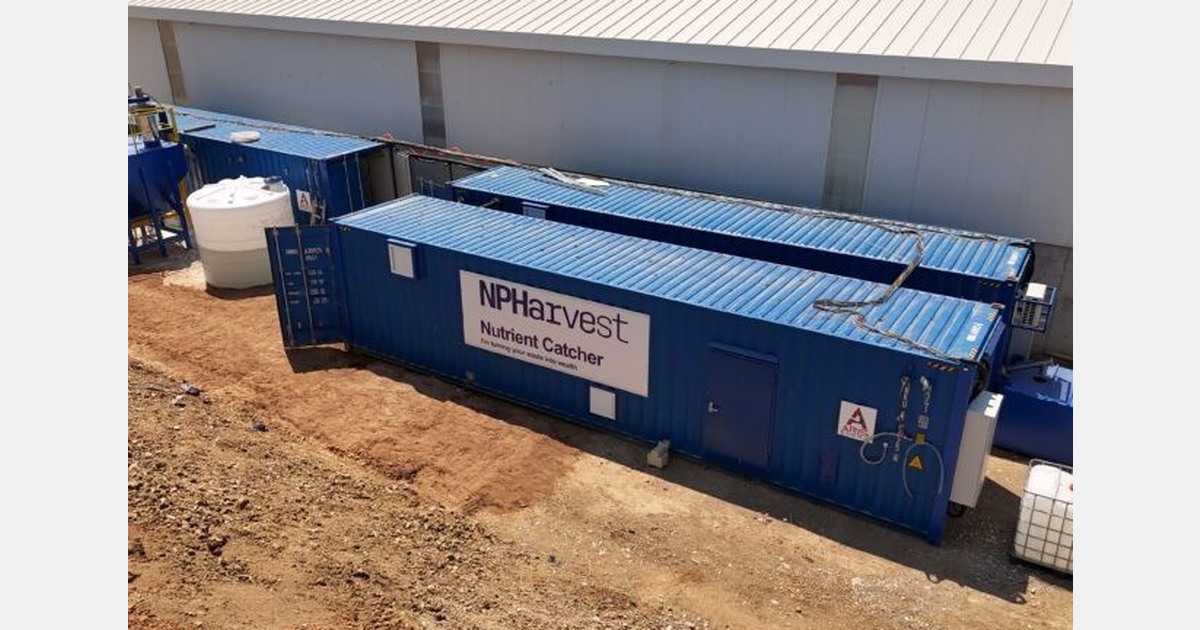
Finnish cleantech company NPHarvest has launched a pilot plant at Biogas Westerbakum GmbH & Co. KG in Lower Saxony, Germany, marking its entry into Europe’s largest biogas market. The demonstration unit will operate for 4 months and is designed to continuously process around 20 cubic meters per day of liquid digestate – the nutrient-rich by-product left after biogas production – and recover around 26 tonnes per year. The project allows operators to extract useful nutrients directly from side streams, turning digestate from a management cost into a commercial resource. As Germany tightens nutrient regulations under EU nitrate limits, the installation shows how biogas facilities can boost compliance while improving asset productivity.
The demo unit began operation on March 10, and was monitored through online data and routine laboratory analysis during the first month of operation. Initial results have also been cross-checked with an external laboratory in Oldenburg, showing results from external measurements consistent with NPHarvest’s internal analysis.
Under the EU’s Nitrates Directive, nitrogen application in vulnerable areas is limited to 170kg per hectare per year, and Germany has introduced stricter fertilizer regulations to reduce nutrient excesses and nitrate levels in groundwater. In a country with more than 9,700 biogas plants in operation, the sector is increasingly constrained by digestate expansion limits and rising transport costs, reshaping the economics of nutrient management. At the same time, the fertilizer market remains volatile, creating demand for locally produced nutrients. By recovering nitrogen and phosphorus directly from biogas side streams, NPHarvest allows operators to reduce excess while creating a salable product that would otherwise be a compliance burden.
“Biogas plants were designed to produce renewable energy, but they also create nutrient streams of high untapped value,” said Dr. Juho Uzkurt Kaljunen, CEO of NPHarvest. “We see nutrient recovery as a structural breakthrough for the sector, enabling operators to improve asset productivity without expanding their physical footprint. Germany sets the benchmark for biogas operations in Europe, and by integrating nutrient recovery into existing infrastructure, it has the opportunity to lead the next phase of the industry, where energy production and resource efficiency go hand in hand.”
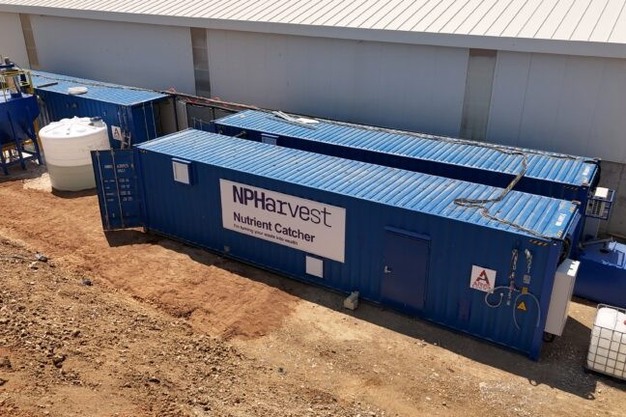 © NPHarvest
Unlike many conventional nutrient recovery systems, which require energy-intensive unloading or long-distance transport, NPHarvest’s membrane-based process recovers nitrogen and phosphorus with low operational energy and simplified dosing, allowing for modular integration into existing biogas infrastructure. NPHarvest’s technology is capable of capturing up to 90% of nitrogen and phosphorus from liquid waste streams and converting them into key inputs for fertilizer production, including ammonium sulfate and calcium phosphate. During the first weeks of operation, the unit operated reliably under real digestate conditions, supporting the case for integration into existing biogas infrastructure. The system is offered as a plug-in to the existing infrastructure, without affecting the operation of the plant.
The German pilot is based on the company’s industrial-scale demonstration at a biogas plant in Ankara, Turkey, where the system validated its performance in a commercial operational environment.
Founded as a spinout of Aalto University, NPHarvest has secured €2.2 million in pre-funding from internal investors Nordic Foodtech VC and the Finnish Ministry of the Environment, and has recently been selected for an additional €1.2 million in support as part of Business Finland’s Deep Tech Accelerator program. In addition to the industrial-scale demonstration in Ankara, the company has validated its technology through field trials at the University of Helsinki’s Viikki research farm, where recovered nitrogen and phosphorus were compared to conventional synthetic fertilizers. Building on these milestones, NPHarvest is expanding into key European biogas markets, where regulatory pressure and cost of nutrient transport are accelerating demand for localized nutrient recovery solutions.
“The level of interest in this facility has been very encouraging. We have already seen a great deal of participation from operators and other industry players who see nutrient recovery as a practical answer to a growing challenge in the biogas sector,” said Milan Hofmann, managing director of Varea Water, NPHarvest’s regional project developer in Central Europe and the UK. “Plants are under increasing pressure to manage digestate more efficiently, and there is clearly a demand for solutions that can turn this burden into a useful product with economic value.”
“Greenhouse growers are particularly exposed to fertilizer cost and supply pressures, so the ability to recover nutrients locally is a very interesting development. Although this pilot is focused on biogas side streams, the broader implication is that a more circular and resilient input model of recovered nitrogen and phosphorus can also be applied to horticulture,” concludes Juho Uzkurt Kaljunen.
For more information:
NPHarvest
Email: (email protected)
npharvest.fi/










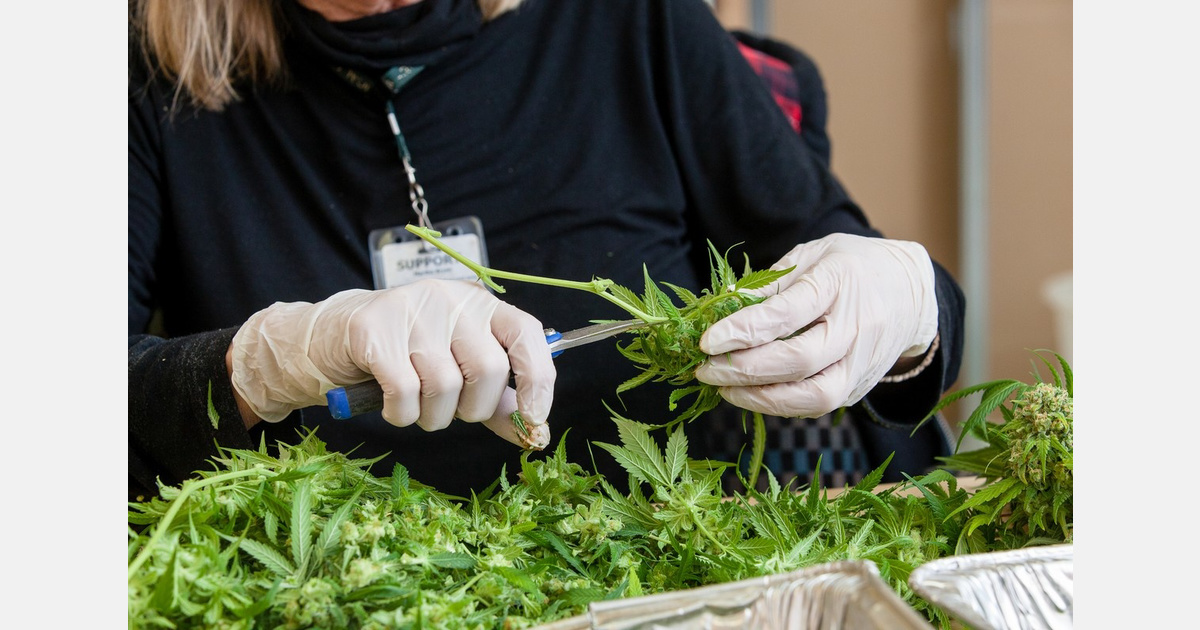
cbdMD welcomes the Administration’s call for Congress to ensure fair treatment of hemp-derived products under federal law and calls for immediate action to revise hemp regulations to ensure fair treatment of hemp products under federal law.
In a letter to congressional leadership this week, the White House Office of Management and Budget identified hemp reform as a priority strongly supported by the Administration. The petition calls on Congress to ensure fair treatment of hemp-derived products by maintaining access to appropriate full-spectrum CBD products, and by maintaining Congress’ intent to reduce products that pose health risks. The administration also urged Congress to pass a responsible federal framework or at least extend the current implementation period to give lawmakers time to get policy right. The request builds on the president’s previous public statements urging lawmakers to protect access to full-spectrum CBD products that millions of Americans rely on.
“We are encouraged to see the administration so clearly championing the responsible, scientific hemp products that consumers depend on every day,” said Ronan Kennedy, CEO of cbdMD. “cbdMD has always believed that the future of this category is built on quality, transparency, and clear rules that separate them from bad actors. A federal framework that protects consumer access, promotes safety, and provides certainty to companies that provide certainty is what this industry and the people it serves deserve. We applaud the policymakers who are working to achieve this outcome.”
“We believe CbdMD is purpose-built for this next phase of the market,” added Kennedy. “Our focus remains on serving our customers with reliable and effective products, supporting responsible regulation and building long-term value for our shareholders as the category continues to evolve. Along the way, we will continue to evaluate the opportunities this evolving environment holds.”
For more information:
cbdMD 
cbdmd.com/
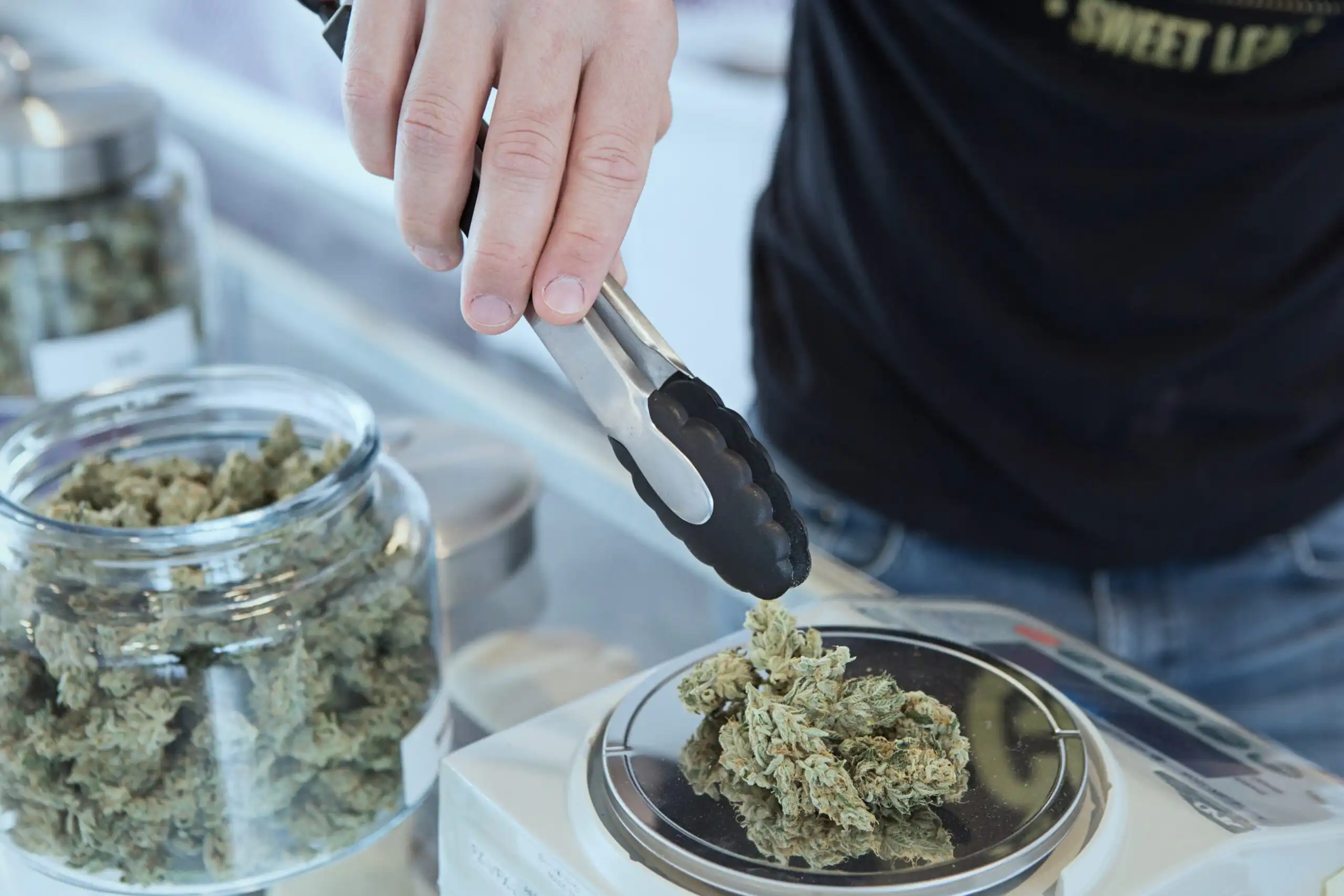
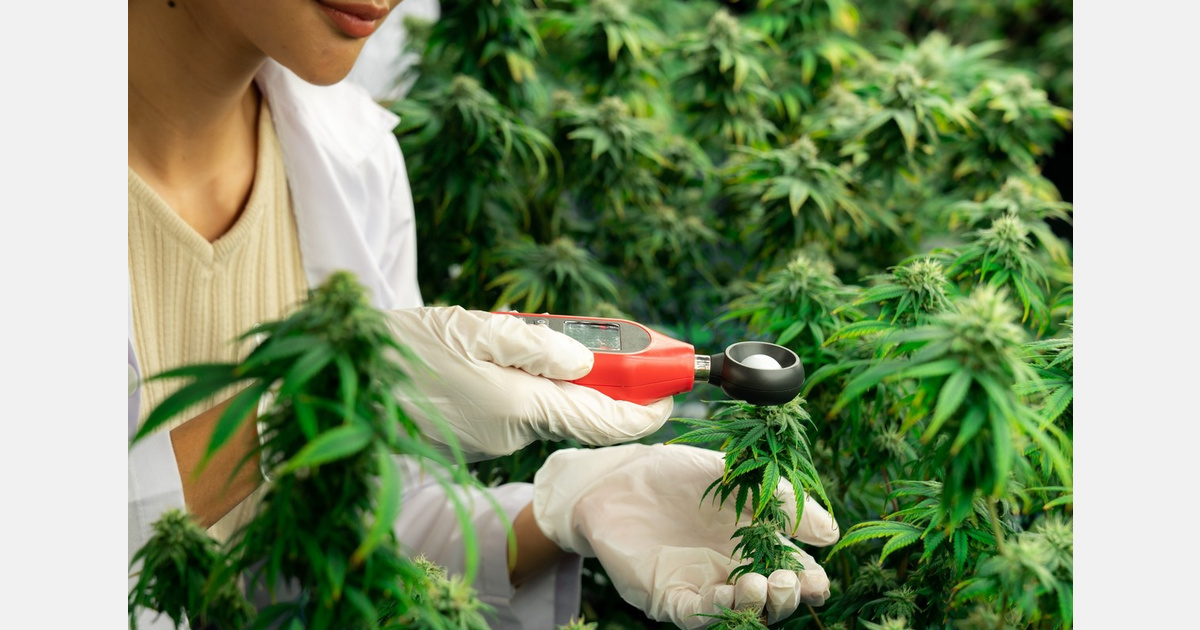
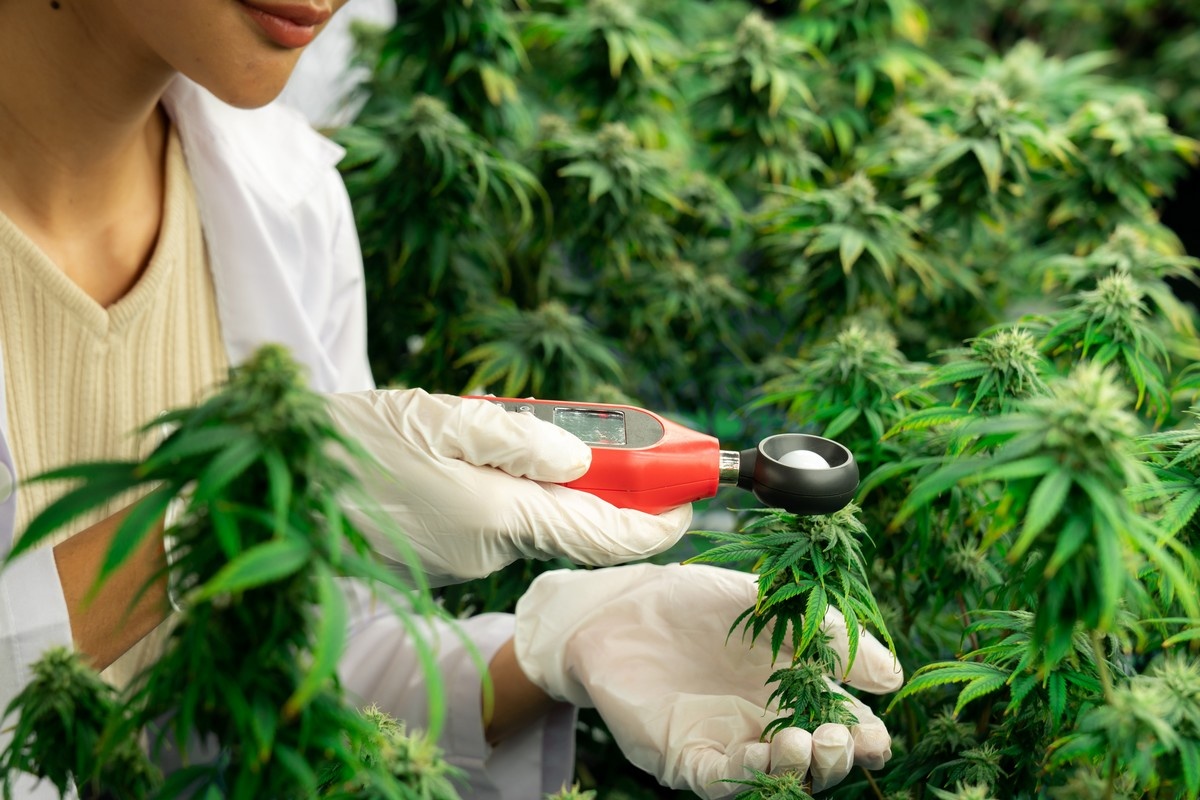
Two new RAND reports commissioned by the Richard M. Fairbanks Foundation outline the policy options and financial commitments facing Indiana as the state debates whether to change its cannabis laws amid restrictions across the country.
Reports show that 44% of Indiana residents live within 50 miles of a licensed dispensary in a neighboring state, and 96% live within 100 miles, as three of Indiana’s four states have legalized adult-use cannabis. At the same time, intoxicating hemp products containing the same psychoactive compound as marijuana are available at gas stations, convenience stores and grocery stores throughout Indiana with limited oversight.
Cannabis use in Indiana has doubled in the past decade, with a significant increase among adults 26 and older. RAND estimates that 1.3 million Hoosiers used cannabis in 2024 and spent $1.8 billion on marijuana products that year. Indiana recorded more than 13,000 cannabis-related arrests in 2024, with more than 90% for possession and more than 75% for non-cannabis related charges. The state spends $10 million to $20 million annually on cannabis law enforcement.
Rather than recommending a specific policy, the RAND reports outline four broad options: maintaining prohibition, reducing criminal penalties for possession, legalizing medical cannabis, or legalizing the adult recreational use market. Legalizing adult-use cannabis would generate about $180 million in annual state revenue, roughly 1 percent of the state’s general fund, well below some previous projections and less than half of the $385 million in combined cigarette and alcohol tax revenue Indiana will collect in 2025, according to the Indiana Department of Revenue.
Legalization would also entail significant upfront costs, and ongoing regulatory costs could reach the low tens of millions of dollars annually, outweighing the savings from reduced criminal justice spending. RAND identifies 14 policy considerations important to establishing legal markets, each with its own public health and state economic implications.

Weed Talk News Special Report & Interview Redefining Hemp Throws Industry into Turmoil

INVESTING IN CANNABIS | EMILY PAXHIA

cbdMD welcomes White House call for fair treatment of hemp-derived products

Industry Sentiment vs Reality – Could The Hemp Ban Be Extended?

Applications For Missouri Marijuana Microbusiness Licenses Will Open Next Month

Half of Gen Z Diagnosed with Depression Report Using Cannabis

Will the Farm Bill of 2024 Close Down Hemp Derived Highs? The Full A and B Blocks of Weed Talk News

Let’s Be Blunt with Montel – Algorithmic Boost Request – 2000000 #YTBoostRequest

RAND estimates Indiana adult-use cannabis could yield $180M in annual revenue

Institutions Evaluate Cannabis While Trulieve CEO Sells Shares

“Our system can manage equipment across 10,000+ m² using just a few wires”

Florida Workshop to Discuss What Constitutes a ‘Cartoon’ in Hemp Packaging

Mazar-i-Sharif Hash Wednesday

Afghan Black Hash Wednesday

Weak Michigan Cannabis Sales Again in July – New Cannabis Ventures

From Finance to Wellness: Brad Zerman’s Impactful Pivot

DEA’s Cole Reverses His “priorities” ; Prohibitionists Dig In; Dead & Co Celebrates 60 years in SF

Re-release of the full show of Cannabis Coast to Coast news. Republican Texas DA Fires Up vs. laws;

Curaleaf Q2 Revenue Falls 8% – New Cannabis Ventures

Your Cannabis Business: Consistent Filings Are Critical
-
 Cannabis News10 months ago
“Our system can manage equipment across 10,000+ m² using just a few wires”
-
 Florida11 months ago
Florida Workshop to Discuss What Constitutes a ‘Cartoon’ in Hemp Packaging
-
 Video9 months ago
Mazar-i-Sharif Hash Wednesday
-
 Video9 months ago
Afghan Black Hash Wednesday
-
 aawh11 months ago
Weak Michigan Cannabis Sales Again in July – New Cannabis Ventures
-
 Video11 months ago
From Finance to Wellness: Brad Zerman’s Impactful Pivot
-
 Video10 months ago
DEA’s Cole Reverses His “priorities” ; Prohibitionists Dig In; Dead & Co Celebrates 60 years in SF
-
 Video11 months ago
Re-release of the full show of Cannabis Coast to Coast news. Republican Texas DA Fires Up vs. laws;