
Cannabis News
Beer Industry Trade Group Calls Out Hemp THC Sector’s ‘Bad Actors’ For Allegedly Marketing To Children


“You’ll never see a beer ad featuring Santa Claus or the Easter Bunny.”
The US beer industry is targeting makers of THC-infused drinks and edibles in a campaign that could have repercussions in Minnesota, the state that sparked a national explosion in sales of hemp-derived beverages.
The beer industry, which has seen declining sales — especially among younger consumers — has joined the marijuana industry. in seeking federal rule of THC-infused beverages, currently regulated only by state laws.
Minnesota Attorney General Keith Ellison (D) recently shocked the hemp and THC beverage industries when he signed a letter to Congressional leaders with 38 other state attorneys general asking Congress to clarify the federal definition of hemp.
the letter said that “bad actors” have taken advantage of a “loophole” in the 2018 Farm Bill that allowed the sale of potent, unregulated THC products that pose a threat to the general public and children in particular.
“Unless Congress acts, this gross distortion of the hemp provision in the 2018 Farm Bill will continue to fuel the rapid growth of an underserved industry that threatens public health and safety and undermines law enforcement nationwide,” the letter said.
At a recent Semafor-sponsored conference, Brian Crawford, CEO of the Beer Institute, a trade association that advocates for the industry, said beer is heavily regulated by federal agencies. He said brewers are subject to marketing, advertising and labeling regulations and must seek federal approval for their formulas.
Age restrictions are also strictly enforced, Crawford said, and the sale of beer to those under 21 is prohibited.
However, Crawford said there are no federal restrictions on THC-infused products. He said these “bad actors” in the THC drink and gummy industries are packaging and marketing products that appeal to children, including THC Nerd candies, which are ultra-high-potency THC edibles.
“You’ll never see a beer ad featuring Santa Claus or the Easter Bunny,” Crawford said.
“Natural Social Tonic”
An amendment passed in the House Agriculture Committee last year as a major Farm Bill consideration would change the federal definition of legal hemp to include only “natural, derived and non-intoxicating cannabinoids.”
This means that any cannabinoid manufactured outside of the hemp plant would be outlawed, criminalizing the production of hemp-based gummies, drinks and other edibles, as well as oils, soaps and other products made from hemp.
A Minnesota state law passed in 2022 allows the production and consumption of hemp-based edibles and other products. But the now stalled House Farm Bill’s hemp amendment would make these products illegal under federal law.
The partisan gridlock in Congress has made it unlikely that there would be a new Farm Bill this year. So the fight against THC-infused products has shifted to the agriculture spending bill, which Congress is likely to pass once the federal shutdown ends.
Jake Bullock, the maker of Cann THC drinks, which are marketed as “all natural social tonics,” said he joins Ellison and other state attorneys general in defending rules that prevent “bad actors” from making highly potent synthetic products and marketing THC-infused products to children.
But he also said overly broad regulations would hurt the $30 billion industry, which employs 330,000 Americans.
“We would be throwing the baby out with the bathwater,” Cann told MinnPost.
Cann’s success represents exponential growth in the multi-billion dollar market for hemp-derived intoxicants.
Bullock said he started his business in Venice Beach, California, and then produced his drinks in Minnesota after the state passed a law allowing the sale of hemp-infused products.
Today, it sells its beverages in about 30 states and Cann products can be found in many liquor stores and other outlets in Minnesota. It recently joined Target.
“The reason consumers like the products is that they work like alcohol,” Bullock said. “If you like it, you can have another one an hour later.”
Bullock said drinking several cans of Cann can be intoxicating, but there is no hangover. He also said that many drinkers have reduced their alcohol consumption in favor of his drinks.
Bullock also said Gen Z favors their drink over alcohol because they socialize differently than older Americans and are less likely to spend money at bars.
The need to address “bad actors”.
The potency of a THC infused drink depends on how many milligrams of THC the product contains. State laws vary. In Minnesota, it is limited to no more than 10 milligrams. Other states are stricter. Virginia and Connecticut cover it at 2 milligrams.
However, Crawford said “bad actors” make drinks with as much as 200 milligrams of THC “in a 12-ounce can.”
“That needs to be addressed,” he said.
Bullock, who also spoke at the Semafor event, told MinnPost that he would support lowering the THC level nationally to about 5 milligrams. He said eliminating synthetic THC was also fine, along with eliminating lab-made chemicals designed to mimic the effects of delta-9 THC, the main psychoactive compound in natural cannabis.
He said he believes Ellison has been “misled” into signing a letter asking Congress to “act decisively in the (2018) Farm Bill to clarify the definition of hemp to ensure that intoxicating THC products are taken off the market.”
Analysts say that would kill Minnesota’s market for THC-infused beverages and edibles.
Ellison attempted to clarify his position in a headline statement “Protecting Minnesota’s THC Industry”. In it, Ellison said he did no He wants a ban on all THC-infused products, but has sought federal regulations “to help out-of-state companies ignore Minnesota’s carefully crafted THC rules and sell harmful products in our state.”
“Minnesota’s legalization of edible THC was smart and safety-conscious, and unfortunately the loophole created by the federal government is anything but,” Ellison wrote. “As a result, there are very strong THC products coming into Minnesota that are marketed to children, and I’m not going to stop out-of-state businesses from preying on young Minnesotans.”
However, public comments on the attorney general’s statement indicated that the letter he signed would also ban intoxicating THC-infused products and outlaw a lucrative industry in Minnesota.
“The letter you signed explicitly calls for a ‘ban on products with intoxicating levels of THC, of any kind and no matter how it’s derived,'” wrote one commenter. Your letter would undo all the good work done by Minnesota lawmakers over the past five years, recriminalize access to THC for people who want to get over alcohol, and crack down on one of the few brewers.
While the beer industry may seek a crackdown on THC beverages, small brewers, facing a shrinking market, are increasingly getting involved in the hemp beverage market by creating alcohol-free THC-infused beverages.
Meanwhile, Sen. Rand Paul, R-Kentucky, is asking Congress to delay any changes for 18 months in order to conduct a comprehensive study on the best ways to regulate the hemp industry.
It’s unclear how Paul’s congressional colleagues will respond.
This the article appeared for the first time MinnPost and is republished here under a Creative Commons Attribution-NoDerivs 4.0 International License.
Marijuana Moment is made possible with the help of readers. If you rely on our pro-cannabis journalism to stay informed, consider a monthly Patreon pledge.



Cannabis News
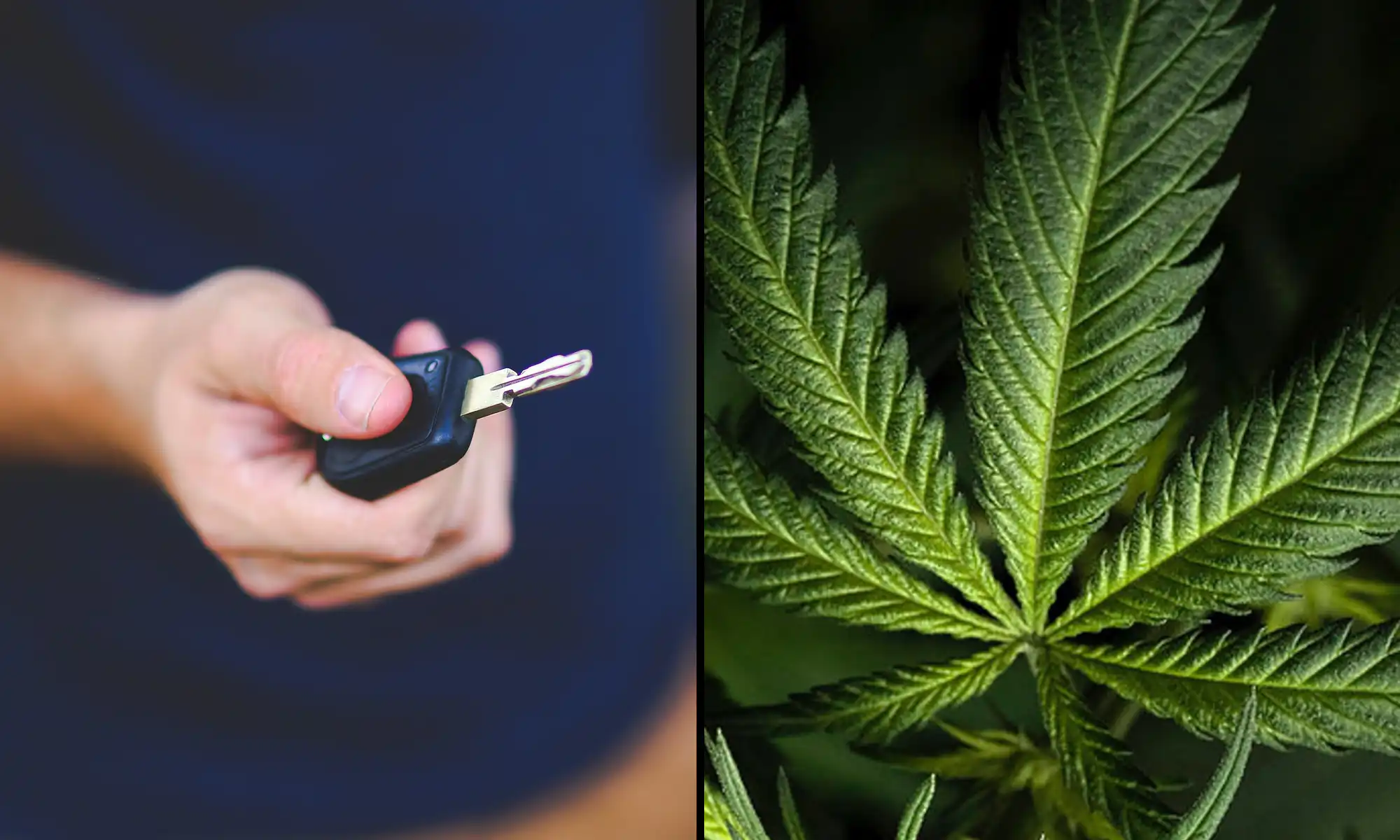
Transportation Groups Warn Feds Of Marijuana Rescheduling’s ‘Consequences’ For Drug Testing Of Truck Drivers And Pilots


The full show from week of 5-20-24 of Weed Talk News with Alaina Pinto

PAPA & BARKLEY CANNABIS | GUY ROCOURT

Marijuana Retail Report

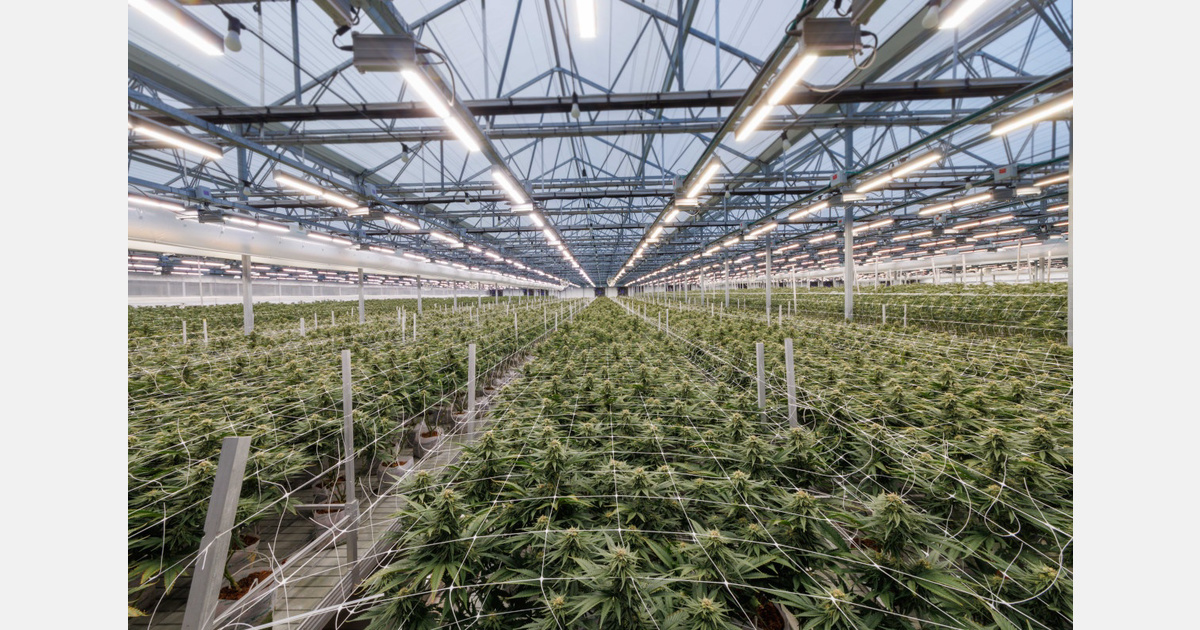
Maximizing cannabis yields with intercanopy and subcanopy lighting

Transportation Groups Warn Feds Of Marijuana Rescheduling’s ‘Consequences’ For Drug Testing Of Truck Drivers And Pilots

DEA Argues in Favor of Moving Cannabis to Schedule III

Cannabis Contest Reporter Tara Rosenblum from News 12 on Weed Talk News 1vs1 with PCM’s Jimmy Young

NEXT GEN CANNABIS ENTREPRENEUR | ZEKE THOMAS

Experts say THC percentage is the wrong way to shop for cannabis

DOJ Marijuana Lawsuit Filing Cites Drug Testing Industry And Pharma Company ‘Pocketbook Interests’ In Opposing Rescheduling

“Our system can manage equipment across 10,000+ m² using just a few wires”

Florida Workshop to Discuss What Constitutes a ‘Cartoon’ in Hemp Packaging

Mazar-i-Sharif Hash Wednesday

Afghan Black Hash Wednesday

Weak Michigan Cannabis Sales Again in July – New Cannabis Ventures

From Finance to Wellness: Brad Zerman’s Impactful Pivot

Re-release of the full show of Cannabis Coast to Coast news. Republican Texas DA Fires Up vs. laws;

DEA’s Cole Reverses His “priorities” ; Prohibitionists Dig In; Dead & Co Celebrates 60 years in SF

Your Cannabis Business: Consistent Filings Are Critical

Curaleaf Q2 Revenue Falls 8% – New Cannabis Ventures
-
 Cannabis News10 months ago
“Our system can manage equipment across 10,000+ m² using just a few wires”
-
 Florida11 months ago
Florida Workshop to Discuss What Constitutes a ‘Cartoon’ in Hemp Packaging
-
 Video9 months ago
Mazar-i-Sharif Hash Wednesday
-
 Video9 months ago
Afghan Black Hash Wednesday
-
 aawh11 months ago
Weak Michigan Cannabis Sales Again in July – New Cannabis Ventures
-
 Video11 months ago
From Finance to Wellness: Brad Zerman’s Impactful Pivot
-
 Video11 months ago
Re-release of the full show of Cannabis Coast to Coast news. Republican Texas DA Fires Up vs. laws;
-
 Video10 months ago
DEA’s Cole Reverses His “priorities” ; Prohibitionists Dig In; Dead & Co Celebrates 60 years in SF