
Cannabis News
Health Canada cannabis guidance exposes “absurd” education gap in healthcare

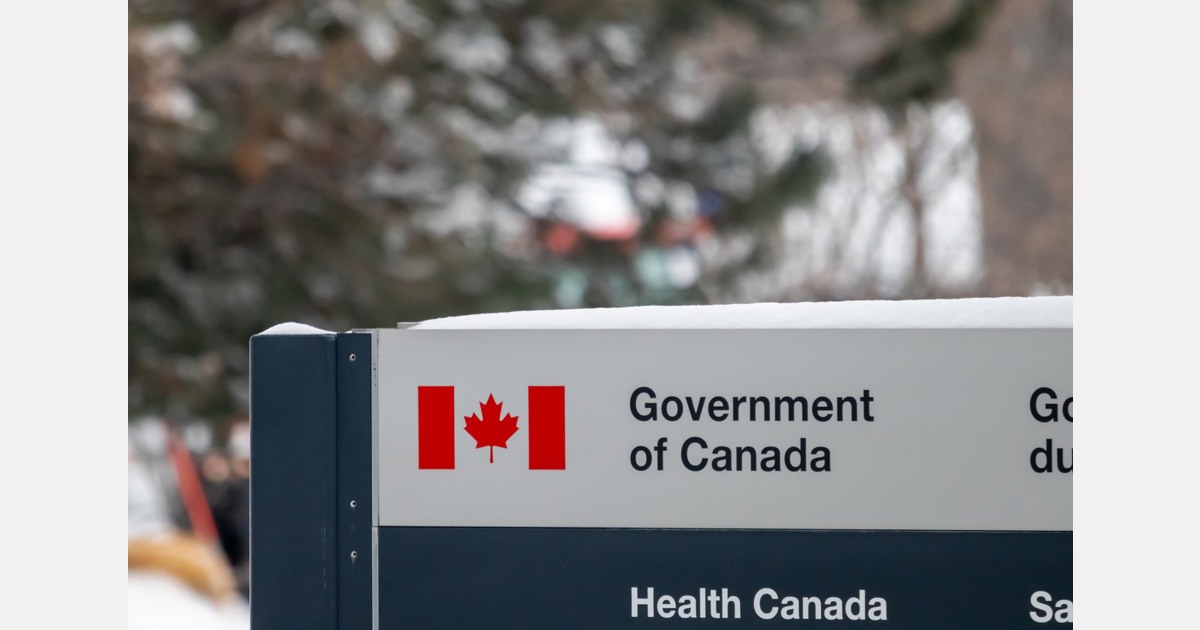
New federal guidance on medical cannabis is drawing attention to a growing gap in Canadian health care: patients are increasingly using cannabis to manage symptoms, but often without consistent clinical education, dosage support or drug interaction screening.
In January 2026, Health Canada published Information on the Medical Uses of Cannabis, a guidance document for consumers that includes contraindications, possible drug interactions, dosing and titration principles, and potential adverse effects.
Legal cannabis products produced and sold in Canada are not licensed to treat specific diseases or symptoms and have not been reviewed to determine whether they are safe or effective for those purposes.
“This is top-to-bottom healthcare,” said Ajay Chahal, PharmD, co-founder of Apothecare. “Health Canada has done the work to put clear guidelines to Canadians, but it’s absurd that patients are still forced to be their own physician educators. We’ve created a reality where patients are forced to turn to budtenders for pseudo-clinical advice, product recommendations for sleep, pain, anxiety or cancer-related symptoms based on anecdotes that work for someone I know. That’s not informed care, it’s a symptom of a system that has failed.”
Health Canada says that the use of cannabis carries health risks that are not yet fully understood and advises Canadians to consult their health care provider before using cannabis for medical purposes.
“That warning should set the system in motion,” said Anushya Vijayaraghevan, PharmD, co-founder of Apothecare. “Patients should not gamble with their health to relieve symptoms. If a patient is taking antidepressants, blood thinners, seizure medications, or has mental health vulnerabilities, the stakes are real. However, patients are often left to make product decisions and trial-and-error dosing with little guidance from the clinical system they are supposed to protect.”
In response to Health Canada’s guidelines, Apothecare is calling for four immediate actions to close the cannabis education gap in Canadian healthcare. First, medical cannabis education should be integrated into the core training of physicians, pharmacists, nurses, and allied health providers, with standardized learning outcomes that address dosage, contraindications, impairment, and drug interactions. Cannabis is already being used by patients across the country, and clinicians need a shared baseline of knowledge to manage it safely and consistently.
Second, clinical cannabis counseling should be established as a standard for patient safety. Canadians deserve access to evidence-based guidance that is medically responsible, consistent across care settings and independent of retail environments. Without clinical advice, patients are often left to navigate complex decisions on their own, increasing the risk of misuse, adverse effects, or missed interactions with other therapies.
Third, continuing education requirements through professional organizations need to be modernized so that clinicians can keep pace as cannabis use becomes more common for symptom management. Continuing education allows health care providers to confidently counsel patients, analyze risk factors, and adapt care as evidence evolves, rather than relying on outdated information or comfort levels.
Finally, cannabis should be treated like other pharmacologically active therapies in routine care. This means standardizing patient disclosure, documenting use in medical records, and supporting appropriate follow-up and monitoring. By moving away from a trial-and-error approach, it will help integrate cannabis into standard care practices and improve patient safety and outcomes.
“This is not about being for or against cannabis,” Vijayaragheva said. “It’s about accountability. The system can’t ignore something this widespread and then act surprised when patients are confused, underinformed or harmed. We have the knowledge and the clinical space to do better, but it needs to be prioritized.”
“This should not be controversial,” Chahal said. “If millions of Canadians use cannabis for medical purposes, then millions of Canadians deserve professional-level education, consistent clinical supervision and clear safety standards.”
For more information:
Apothecare
https://apothecare.ca/










Cannabis News
Transportation Groups Warn Feds Of Marijuana Rescheduling’s ‘Consequences’ For Drug Testing Of Truck Drivers And Pilots




The full show from week of 5-20-24 of Weed Talk News with Alaina Pinto

PAPA & BARKLEY CANNABIS | GUY ROCOURT

Marijuana Retail Report

Maximizing cannabis yields with intercanopy and subcanopy lighting

Transportation Groups Warn Feds Of Marijuana Rescheduling’s ‘Consequences’ For Drug Testing Of Truck Drivers And Pilots

DEA Argues in Favor of Moving Cannabis to Schedule III

Cannabis Contest Reporter Tara Rosenblum from News 12 on Weed Talk News 1vs1 with PCM’s Jimmy Young

NEXT GEN CANNABIS ENTREPRENEUR | ZEKE THOMAS

Experts say THC percentage is the wrong way to shop for cannabis

DOJ Marijuana Lawsuit Filing Cites Drug Testing Industry And Pharma Company ‘Pocketbook Interests’ In Opposing Rescheduling

“Our system can manage equipment across 10,000+ m² using just a few wires”

Florida Workshop to Discuss What Constitutes a ‘Cartoon’ in Hemp Packaging

Mazar-i-Sharif Hash Wednesday

Afghan Black Hash Wednesday

Weak Michigan Cannabis Sales Again in July – New Cannabis Ventures

From Finance to Wellness: Brad Zerman’s Impactful Pivot

Re-release of the full show of Cannabis Coast to Coast news. Republican Texas DA Fires Up vs. laws;

DEA’s Cole Reverses His “priorities” ; Prohibitionists Dig In; Dead & Co Celebrates 60 years in SF

Your Cannabis Business: Consistent Filings Are Critical

Curaleaf Q2 Revenue Falls 8% – New Cannabis Ventures
-
 Cannabis News10 months ago
“Our system can manage equipment across 10,000+ m² using just a few wires”
-
 Florida11 months ago
Florida Workshop to Discuss What Constitutes a ‘Cartoon’ in Hemp Packaging
-
 Video9 months ago
Mazar-i-Sharif Hash Wednesday
-
 Video9 months ago
Afghan Black Hash Wednesday
-
 aawh11 months ago
Weak Michigan Cannabis Sales Again in July – New Cannabis Ventures
-
 Video11 months ago
From Finance to Wellness: Brad Zerman’s Impactful Pivot
-
 Video11 months ago
Re-release of the full show of Cannabis Coast to Coast news. Republican Texas DA Fires Up vs. laws;
-
 Video10 months ago
DEA’s Cole Reverses His “priorities” ; Prohibitionists Dig In; Dead & Co Celebrates 60 years in SF