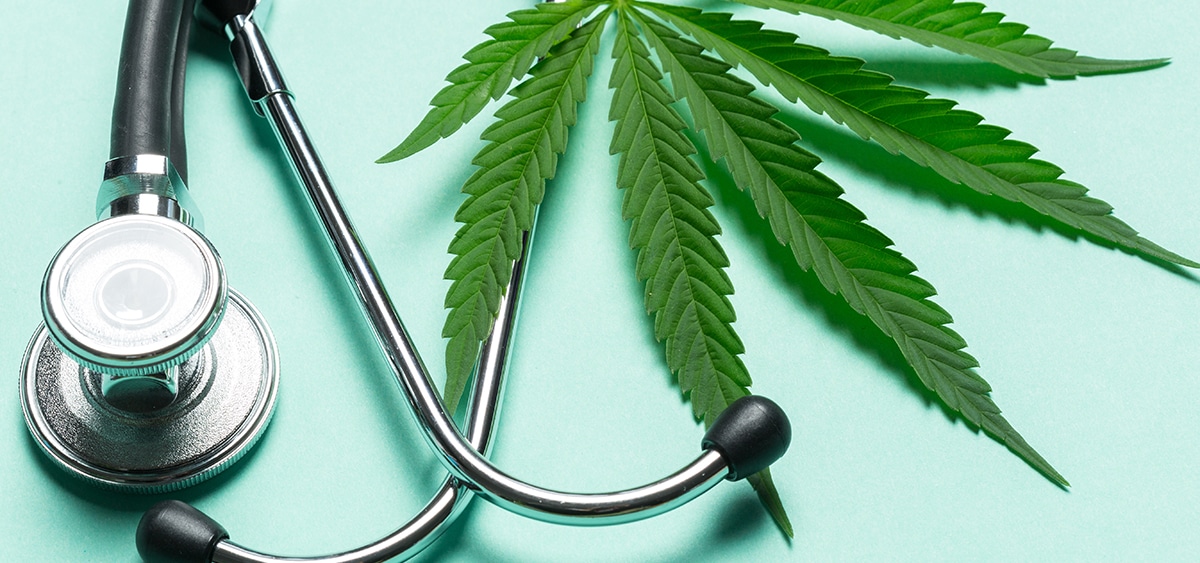
In states like Virginia, Florida and Oklahoma, patients are increasingly turning to telemedicine instead of traditional clinic visits to access Medical Marijuana programs. What used to involve making appointments weeks in advance, sitting in waiting rooms and handling paperwork in person can now often be completed online within the same day.
As more states modernize their medical cannabis systems, virtual assessments are helping patients connect with licensed providers faster and easier than ever before. For individuals dealing with chronic pain, PTSD, anxiety disorders, cancer-related symptoms, or mobility limitations, telemedicine is reducing many of the barriers that once complicated the process of obtaining a Medical Marijuana Card.
Platforms such as CannabisMD TeleMed are part of this growing shift toward digital cannabis healthcare, helping patients learn about state-specific Medical Marijuana programs and telemedicine assessments. The rise of cannabis and telemedicine is no longer just about convenience — it reflects a broader shift toward digital health care access across the United States.
Why telemedicine is becoming common in medical marijuana programs
The use of telemedicine increased during the pandemic years, but unlike many temporary health care trends, virtual consultations have remained popular long after. According to healthcare industry reports from McKinsey & Company, telehealth usage across the US still remains significantly higher than pre-2020 levels.
The cannabis industry has followed the same path.
In many states, patients can now complete a consultation with a telehealth cannabis doctor remotely instead of visiting a physical clinic. Some states have also expanded renewal flexibility, making it easier for existing patients to keep active Medical Marijuana Cards online.
For patients living in rural communities or areas with limited cannabis providers, this change has been particularly important. Someone who lives several hours away from a clinic may now be able to complete the same assessment process from home using a phone or laptop.
How online cannabis consultations reduce latency
One reason why telemedicine has gained traction in cannabis healthcare is simple: it reduces friction.
Traditional health care systems often involve scheduling delays, transportation issues, clinic wait times, and duplicate paperwork. An online cannabis consultation removes many of those obstacles.
Patients often benefit from:
- Faster appointment availability
- Reducing travel expenses
- Greater privacy
- Easier renewals
- Access to providers across their state
In some telemedicine-friendly states, patients can complete assessments and get a doctor’s approval much faster than older clinic-based systems allowed.
Discussing resources same day medical marijuana certification have also highlighted how online assessments are helping to streamline the approval process for eligible patients in states that allow virtual consultations.
Medical marijuana cards still offer benefits in 2026
As the legalization of adult-use cannabis expands, some consumers assume that Medical Marijuana Cards are becoming unnecessary. However, medical programs still provide significant benefits in many states.
Lower cannabis taxes
One of the biggest advantages involves taxes.
In some recreational cannabis markets, consumers may face excise taxes and local cannabis taxes that significantly increase the costs of the final product. Medical patients, however, often receive reduced tax rates or exemptions depending on the state.
For regular consumers, these savings can become significant over time.
Higher purchase limits
Many medical programs also allow patients to purchase larger amounts than recreational users. This may be important for individuals managing chronic medical conditions who rely on cannabis on an ongoing basis.
Access to Specialized Products
Some dispensaries continue to offer products designed specifically for medical patients, including higher-potency formulations, tinctures, capsules, and condition-focused products.
Legal Protections
Medical patients may also receive stronger legal protections under state law than recreational users.
State-by-State Differences Continue to Shape Access
A challenge within cannabis healthcare is that regulations remain highly fragmented across the country.
Every state does things differently when it comes to:
- consultation with the doctor
- renewal requirements
- registration fees
- qualification conditions
- the acceptability of telemedicine
Some programs have become significantly more patient-friendly in 2026.
Some states now support multi-year medical cards, reducing the need for annual renewals. Others have reduced or eliminated registration fees entirely to improve access.
In states with mature recreational markets, medical programs are increasingly competing on affordability and convenience. Lower taxes, faster renewals and Internet access have become major incentives for patients to stay within regulated medical systems.
The connection between cannabis and telemedicine
The rise of cannabis and telemedicine reflects larger changes taking place across healthcare.
Patients today increasingly expect:
- online appointment
- access to digital healthcare
- remote consultations
- simplified patient portals
Cannabis programs are gradually adapting to those expectations.
For many patients, virtual assessments also reduce the stigma sometimes associated with discussing cannabis treatment options in traditional clinical settings. Talking to a provider remotely can feel more comfortable and accessible than scheduling in-person visits.
Telemedicine also helps health care providers serve larger geographic areas more efficiently, especially in states where qualified cannabis doctors may be limited.
As regulatory systems continue to evolve, many industry observers expect telemedicine to remain a permanent part of the cannabis healthcare infrastructure.
Challenges Facing Cannabis Access by Telemedicine
Despite major improvements, telemedicine for Medical Marijuana still faces limitations.
State restrictions
Not all states fully allow online assessments. Some still require in-person visits for initial certifications or renewals.
Because cannabis laws continue to change rapidly, patients should always confirm current regulations before scheduling consultations.
Insurance limitations
Since cannabis remains federally illegal, many telehealth cannabis doctor consultations are not covered by traditional insurance plans.
Shortcomings of technology
Reliable Internet access and digital literacy remain barriers for some patient populations, particularly older adults and underserved communities.
Even with these challenges, the long-term direction of the industry continues to point toward greater integration of digital healthcare.
Telemedicine is changing patient expectations
One of the biggest impacts of telemedicine is how it changes patient expectations about speed and convenience.
Patients are no longer comparing cannabis healthcare to just old medical marijuana systems – they’re comparing it to modern digital services in general.
They expect:
- faster approvals
- simpler planning
- digital communication
- flexible appointments
- easier renewals
Cannabis programs that fail to modernize may struggle to keep pace with patient expectations in the coming years.
This is especially important as younger consumers, who are already accustomed to digital-first services, become a larger portion of medical cannabis users.
FAQ About Medical Marijuana and Telemedicine
Can patients get a medical marijuana card online?
In many states, yes. Telemedicine platforms allow eligible patients to conduct remote consultations with licensed healthcare providers. However, rules vary by state.
What is a cannabis telehealth doctor?
A telehealth cannabis physician is a licensed healthcare provider who remotely assesses patients for medical marijuana eligibility through secure online consultations.
Is telemedicine faster than traditional clinics?
In many cases, yes. Telemedicine often reduces travel time, scheduling delays, and administrative paperwork compared to traditional clinic systems.
Are medical marijuana cards still useful in recreational states?
yes. Medical patients can still get lower taxes, higher purchase limits, stronger legal protections and access to specialty products.
Why are online cannabis consultations becoming more popular?
Patients often prefer online consultations because they offer faster scheduling, greater convenience, increased privacy and easier access to licensed providers.
Final Thoughts
Telemedicine is rapidly reshaping the way patients access Medical Marijuana across the United States. What once required multiple in-person visits can now often be completed online through simplified virtual healthcare systems.
As more states modernize their cannabis programs in 2026, telemedicine is helping to reduce delays, expand patient access and simplify the process of obtaining and renewing a Medical Marijuana Card.
For many patients, the combination of digital healthcare and cannabis medicine represents a major step towards more practical, accessible and patient-focused care.