
Cannabis News
Kentucky Governor Slams GOP Lawmaker For ‘Lack Of Humanity’ Over Push For Medical Marijuana Prosecutions

Kentucky’s Democratic governor is calling a top GOP lawmaker a “total lack of humanity” after he suggested state law enforcement officials should prosecute people who act under a recent executive order to expand access to medical cannabis.
Gov. Andy Beshear (D) signed the order last week expanding the list of health conditions for which patients are legally eligible to obtain medical cannabis.
Days later, House Majority Whip Jason Nemes (R) asked Attorney General Russell Coleman (R). ensure that state agencies are “not cooperating” with the governor’s marijuana directiveWhich he called “illegal”.
“Any organization, any licensee involved in this illegal expansion should be prosecuted,” Nemes said at a legislative committee hearing. “This is not the way forward.”
On Thursday, Beshear said signing the cannabis order “was the right thing to do, and it was necessary, because they write in the name of certain medical conditions in the law, but then they write in symptoms like pain and nausea, which are all clearly symptoms.”
After the Legislature declined to take up a proposal this session to expand the list of conditions, Beshear used his authority to also ensure that patients with 15 additional health disorders (Parkinson’s disease, HIV/AIDS, sickle cell anemia, fibromyalgia, arthritis and glaucoma) also have access to medical marijuana.
“A lot of people are helping, and I was really surprised to see an attack from a lawmaker who called on the attorney general to prosecute people who were dying of a terminal illness to ensure medical cannabis,” the governor said Thursday. “I mean, that’s a complete lack of humanity. It’s really low. I mean, you want to judge a person with ALS? That’s definitely not leadership, and even for that person, it’s a new record.”
“Sometimes we see people making those threats, and in today’s culture, I think they think it’s masculinity, but masculinity is not being the bully on the playground. It’s being the person who stands between the bully and the person who’s picking on them. That’s my job, to stand between those bullies and those people with these very serious conditions, to say, ‘something that makes me addicted,’ what makes me addicted. Opioids, and that can help.” That’s what I’m going to do as governor. These people are in real pain, they need help. they have and they need this safe alternative. Politics should never get in the way of doing what’s right for Kentucky.”
Beshear announced Thursday that he rescinded an earlier executive order issued in 2022 that offered. apologize to patients who have been in trouble for possessing medical cannabis that they bought it from a legal dispensary in a neighboring state.
Kentucky’s medical marijuana program has progressed to the point where cannabis is now “readily available” to patients who need it, the governor said, so the amnesty order will expire on July 1.
“This should give people plenty of time, the rest of the month, if you’re traveling out of state, to contact an eligible doctor and apply for a medical cannabis card right here in Kentucky,” he said.
The latest executive order on the terms is a follow-up to Beshear’s 2023 bill to legalize medical cannabis.
At a press conference last week to announce the new medical marijuana order, the governor also said he believes “it’s time” for broader decriminalization of cannabis.
He also cited the results of a recent study by researchers at the University of Kentucky making regulated medical marijuana dispensaries available to lower opioid overdose rates.
Meanwhile, in addition to asking the Legislature to continue the process of expanding the list of conditions for medical marijuana, Beshear also announced in February Cannabis gummies can be purchased at state-licensed dispensaries.
The governor of January also said “not happy” with the time it’s taken to roll out the state’s medical marijuana program—but predicts that the pace of patient access will “significantly increase” in 2026.
The The state’s first medical cannabis dispensary opened in December last year
The governor, who has long championed cannabis reform, he anticipated a market launch that monthwhile claiming that medical marijuana will help thousands of patients find an alternative to opioids for pain management.
He at the end of October it passed the milestone of registering 15,000 patientsbut that has grown significantly in recent months.
Beshear previously acknowledged that “it’s taken longer than we would have liked” to sustain the industry since he signed off on legalizing medical marijuana in 2023.
Considering this delayed implementation, he He signed an executive order to waive renewal fees for patients who get the cards so that they are not charged again before the stores open. And another order he signed to provide protections for qualified patients who obtain medical marijuana outside of Kentucky “will remain in place.”
Beshear announced separately last year that the state had launched a new online directory that allows people to see where medicinal cannabis will open next to them
He noted that the state is working to provide access to patients “as soon as possible,” which includes speeding up the licensing process. Last year, so did the governor ceremoniously issued the first medical marijuana cards in the commonwealth.
Meanwhile, the governors sent a letter to Kentucky’s congressional delegation last yearurging them to “take decisive action to protect the constitutional rights of our law-abiding medical cannabis patients” by repealing the federal ban on possession of firearms by marijuana users.
Bipartisan Kentucky senators introduced similar legislation asked the federal representatives of the state to take corrective measuresBeshear said he agrees but would I would like to see even more significant changes at the federal level.
The federal Bureau of Alcohol, Tobacco, Firearms and Explosives (ATF) warned Kentucky residents that in 2024, if they choose to participate in the state’s medical marijuana program, they will be prohibited from buying or possessing firearms under federal law.
In the November 2024 election, Kentucky also saw more than 100 cities and counties pass local ordinances to allow medical cannabis businesses in their jurisdictions. The governor said the election results show that “the jury is no longer out” on the issue this is clearly supported by voters across party and geographic lines.
Marijuana Moment is made possible with the help of readers. If you rely on our pro-cannabis journalism to stay informed, consider a monthly Patreon pledge.








Cannabis News
Transportation Groups Warn Feds Of Marijuana Rescheduling’s ‘Consequences’ For Drug Testing Of Truck Drivers And Pilots

The full show from week of 5-20-24 of Weed Talk News with Alaina Pinto

PAPA & BARKLEY CANNABIS | GUY ROCOURT

Marijuana Retail Report

Maximizing cannabis yields with intercanopy and subcanopy lighting

Transportation Groups Warn Feds Of Marijuana Rescheduling’s ‘Consequences’ For Drug Testing Of Truck Drivers And Pilots

DEA Argues in Favor of Moving Cannabis to Schedule III

Cannabis Contest Reporter Tara Rosenblum from News 12 on Weed Talk News 1vs1 with PCM’s Jimmy Young

NEXT GEN CANNABIS ENTREPRENEUR | ZEKE THOMAS

Experts say THC percentage is the wrong way to shop for cannabis

DOJ Marijuana Lawsuit Filing Cites Drug Testing Industry And Pharma Company ‘Pocketbook Interests’ In Opposing Rescheduling

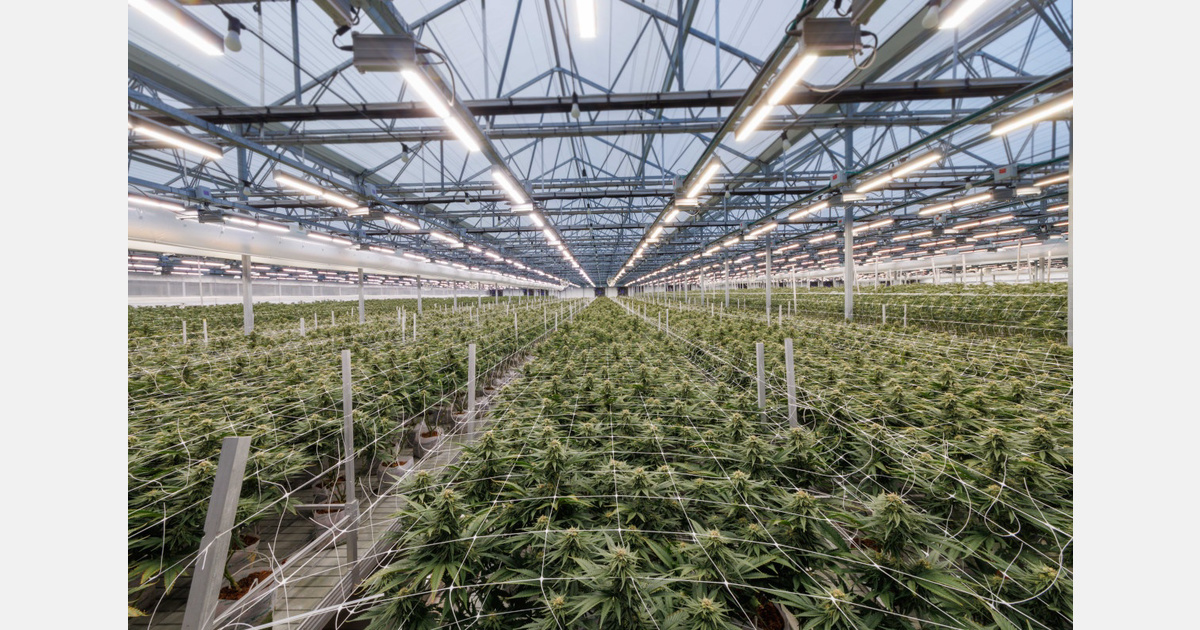
“Our system can manage equipment across 10,000+ m² using just a few wires”

Florida Workshop to Discuss What Constitutes a ‘Cartoon’ in Hemp Packaging

Mazar-i-Sharif Hash Wednesday

Afghan Black Hash Wednesday

Weak Michigan Cannabis Sales Again in July – New Cannabis Ventures

From Finance to Wellness: Brad Zerman’s Impactful Pivot

DEA’s Cole Reverses His “priorities” ; Prohibitionists Dig In; Dead & Co Celebrates 60 years in SF

Re-release of the full show of Cannabis Coast to Coast news. Republican Texas DA Fires Up vs. laws;

Your Cannabis Business: Consistent Filings Are Critical

Curaleaf Q2 Revenue Falls 8% – New Cannabis Ventures
-
 Cannabis News10 months ago
“Our system can manage equipment across 10,000+ m² using just a few wires”
-
 Florida11 months ago
Florida Workshop to Discuss What Constitutes a ‘Cartoon’ in Hemp Packaging
-
 Video9 months ago
Mazar-i-Sharif Hash Wednesday
-
 Video9 months ago
Afghan Black Hash Wednesday
-
 aawh11 months ago
Weak Michigan Cannabis Sales Again in July – New Cannabis Ventures
-
 Video11 months ago
From Finance to Wellness: Brad Zerman’s Impactful Pivot
-
 Video10 months ago
DEA’s Cole Reverses His “priorities” ; Prohibitionists Dig In; Dead & Co Celebrates 60 years in SF
-
 Video11 months ago
Re-release of the full show of Cannabis Coast to Coast news. Republican Texas DA Fires Up vs. laws;