Connect with us

Cannabis News

Missouri House Passes Bill To Ban Hemp THC Drinks, Gummies And Other Products

Published

on

“We’re not pioneering anything new here. What Missouri is doing … is simply aligning our state statutes with federal action.”

By Rebecca Rivas, Missouri Independent

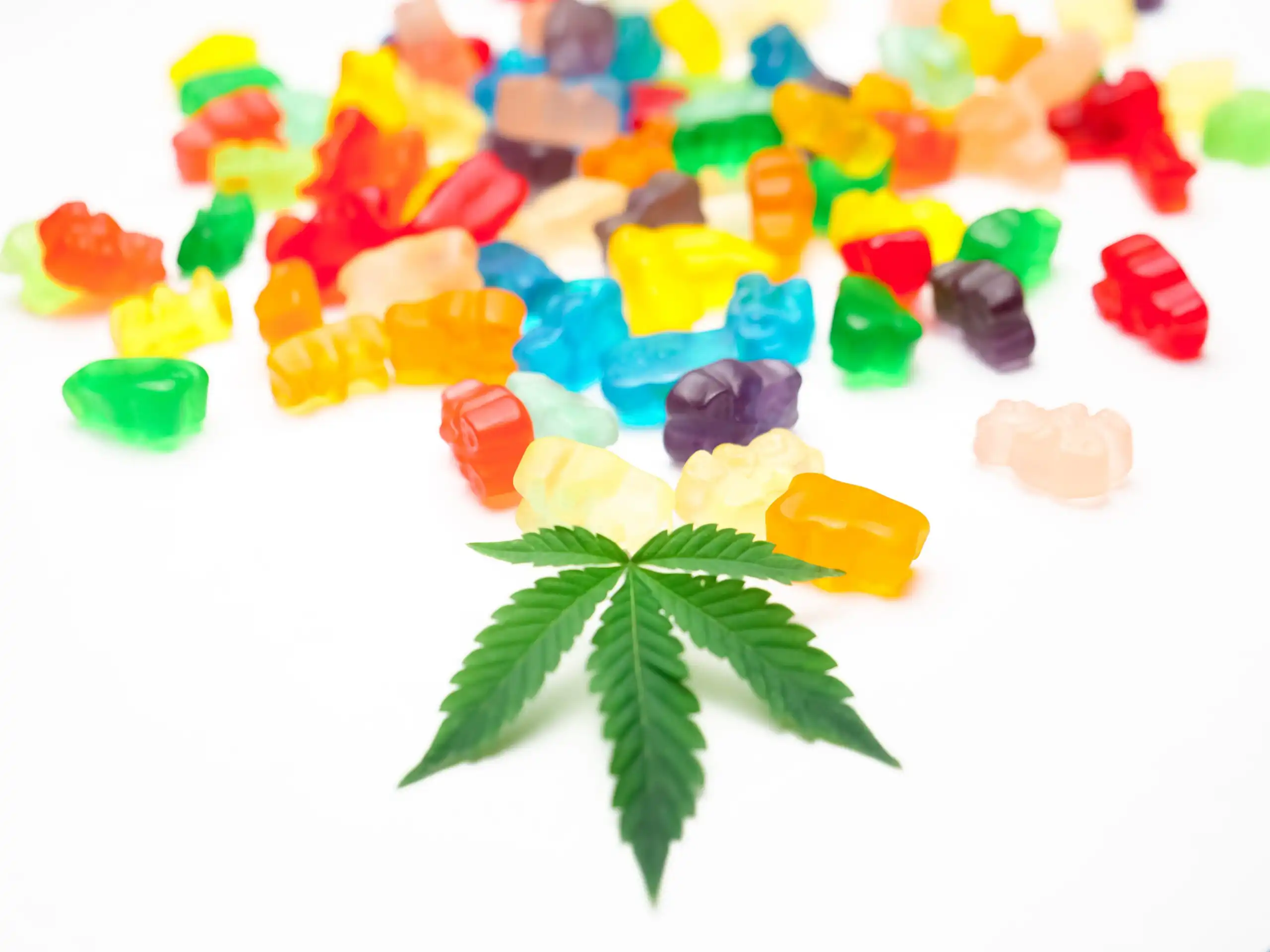
The Missouri House passed a bill Thursday that would ban all intoxicating hemp products — like THC seltzer or hemp-derived THC edibles currently sold at gas stations and smoke shops — beginning in November.

The bill, sponsored by Republican state Rep. Dave Hinman of O’Fallon, would ban hemp products from containing more than 0.4 milligrams of THC per container, among the limits included in a provision of a federal spending bill passed by Congress last year.

Even if Congress were to reverse course and decide to allow the sale of these products, Hinman’s bill would allow them to be sold only at licensed marijuana dispensaries in Missouri. And if Congress chooses to delay the ban for a couple of years, Missouri would ban all products except alcoholic beverages.

With a vote of 109-34, the bill now goes to the Senate for consideration.

“We’re not pioneering anything new here,” Hinman said during Thursday’s debate on his bill. “What Missouri is doing … is simply aligning our state statutes with federal action so that our law enforcement, highway patrol, local prosecutors and the attorney general’s office can work together with our federal partners. No loopholes, no loopholes.”

Republican state representative Matthew Overcast of Ava spoke out against the bill, particularly a provision that says intoxicating hemp products “shall be considered marijuana” and regulated equally.

This would essentially ban all intoxicating hemp sold in the state because marijuana must be grown in Missouri and most hemp is grown elsewhere. It would also require that hemp products be sold in licensed cannabis dispensaries, which can only sell products grown in Missouri licensed cultivation facilities.

Overcast argued that the Missouri constitution already defines what constitutes marijuana, and that only voters, not lawmakers, can change that definition. And while proponents say the changes are necessary to protect children from getting these products, Overcast said, the reality is the bill will only protect the marijuana industry from competition.

“We cannot rewrite voter-approved language by statute because some market participants prefer less competition,” Overcast said. “If protecting children was really the goal, we know what works: age restrictions, standards, clear labelling, packaging protections, responsible retail rules.”

Hinman said he believes Missouri lawmakers have the power to make that change.

“The (Missouri) Constitution defines marijuana as anything from the hemp plant except industrial hemp,” Hinman said. “Cannabinoid products derived from hemp are not industrial hemp. They are intoxicating.”

The cloud also argued invoice does not allow Missouri to continue to comply with federal guidelines. If Congress were to pass legislation allowing states to sell intoxicating hemp products outside of marijuana dispensaries, Overcast said Missouri businesses would not be able to do so because Hinman’s bill allows them to sell only within what he called a “marijuana monopoly.”

“That’s not public safety, that’s not security policy,” he said. “This is about picking winners and losers.”

State officials estimated in 2024 that 40,000 food establishments and smoke shops and 1,800 food manufacturers were selling products that would be banned under the proposed federal regulations. This includes low-THC seltzers such as Mighty Kind and Triple, which have grown in popularity in liquor stores and bars.

Hinman’s legislation is one of the first bills to pass the House this year. He previously told The Independent that the legislation was a priority for state leadership, including the governor, attorney general and House speaker.

It will be the fourth year Missouri lawmakers have tried to regulate intoxicating hemp productsending the previous discussions in deadlocks.

Hinman told The Independent Thursday evening that he is “pro-small business” and that this was not a bill he wanted to pass this year, but the state is in line with the coming federal cuts.

“All of last year and right up until this federal decision, I was pushing to make the drinks and low-dose gummies available for those small businesses to sell,” he said.

For 10 months last year, he said, he tried to bring together hemp business owners to propose a regulatory framework outside of marijuana rules.

“And they couldn’t come to a conclusion about what would be acceptable,” Hinman said.

Limiting the products to being sold only at cannabis dispensaries also wasn’t his priority, he said, but it’s a regulatory framework the state already has in place.

His original language stated that Missouri would delay its ban if the federal government did, but he said that would inadvertently leave the products unregulated in the state indefinitely.

“And then we’re back to trying to create a regulatory framework for hemp products,” he said. “The attorney general was not happy because he wants to get something done. And of course, the police do … their hands are tied with continuing an unregulated market.”

If Congress decides to allow low-dose THC hemp products to be sold outside of dispensaries, Missouri would have to go back and pass legislation allowing that, he said.

Republican state representative Jeff Myers of Warrenton advocated closing the loopholes that opened up when Congress legalized hemp in the 2018 Farm Bill.

“All we’re saying is the federal government stepped back and dealt with a loophole that was exploited,” he said. “We’re closing that gap.”

This story was first published by the Missouri Independent.

Marihuana Moment is made possible with the help of readers. If you rely on our pro-cannabis journalism to stay informed, consider a monthly Patreon pledge.

Continue Reading

Cannabis News

Australian medicinal cannabis sales fall nearly 30% in second half of 2025

Published

on

By

Australian medicinal cannabis sales fell 28.5% in the second half of 2025 compared to the first half of the year, according to new data released by the Penington Institute in April 2026, marking the first significant drop in sales recorded since the country’s medicinal cannabis framework was introduced in 2016.

Data obtained by the Penington Institute from the Australian Department of Health, Disability and Aging through a freedom of information request shows sales peaked at 3.72 million units in the second half of 2024 and remained at 3.70 million units in the first half of 2025, before falling to 2.65 million units in the second half of the year. The decline followed a period of particularly significant growth in late 2023 and 2024, driven by increasing scrutiny from regulators and medical organizations over prescribing practices.

The Penington Institute attributes the reversal largely to a stepped-up enforcement campaign that has unfolded on multiple regulatory fronts since 2023. The Therapeutic Goods Administration banned the importation, advertising and supply of medicinal cannabis in 2023, and then issued millions of dollars in fines to non-compliant companies. The Australian Health Practitioner Regulation Agency published new clinical guidance for prescribers in July 2025 and, by mid-2025, had taken enforcement action against more than 50 doctors, with further investigations underway. Ahpra also issued explicit warnings warning health officials to prioritize patient well-being over profits.

The enforcement push was in response to documented concerns about high-volume, commercially driven prescriptions, some clinics conducting very brief clinical consultations, illegally advertising the drug to the public, failing to check real-time prescription monitoring systems, and using closed-loop business models in which medical cannabis brand companies also ran clinics prescribing their own products.

A wider TGA review of the patient access framework is ongoing. As of early April 2026, no reform recommendations have been announced. The Penington Institute’s report warns against major restrictions on patient access, the therapeutic benefits the drug provides to a large number of Australian patients, the lack of clear evidence linking medicinal cannabis to significant public health harm, and the presence of a robust illicit market that would absorb patients who would not be able to access legal avenues if access were restricted.

The report also points to product compliance testing as an area where existing standards are not applied consistently. Australian quality standards cover all medicinal cannabis products, but the TGA does not check compliance before the products reach patients, only conducting limited post-market risk-based testing, the results of which are not published. The issue is particularly relevant given that almost two-thirds of the flower volume sold in Australia in 2024 was imported, with some countries of origin maintaining lower regulatory standards than Australia. In April 2024, the TGA confirmed that it had not carried out tests on imported products in the previous 12 months.

The full Pennington Institute report, Medicinal Cannabis Sales and Regulatory Enforcement, can be seen here

Continue Reading

Cannabis News

Trump Pushes Congress To Keep Full-Spectrum CBD Legal While Restricting Hemp Products That Pose ‘Health Risks’

Published

on

By

President Donald Trump is urging lawmakers in Congress to act in November to change the law that threatens to federally recriminalize hemp-derived CBD products.

“I’m calling on Congress to update the Act so Americans can continue to have access to the full-spectrum CBD products they trust and support, while maintaining Congress’ intent to restrict the sale of products that pose health risks,” the president said in a Truth Social message Thursday, the same day his administration announced it is moving forward to re-regulate marijuana.

“We need to do this RIGHT and FAST, especially for those who have found CBD to help them,” he said. “Also, I’m told it will help our BIG FARMERS that we love and will always be around.”

Hemp derivatives containing less than 0.3 percent delta-9 THC by drug weight were made federally legal under the 2018 Farm Bill signed by Trump during his first term. But late last year, he signed new legislation with provisions that will redefine hemp, so that only products with a total of 0.4 milligrams of THC per container will remain legal starting November 12.

Industry advocates say the existing provisions threaten to ban intoxicating and synthetic cannabinoids, but serve to take popular full-spectrum CBD products that many Americans use therapeutically off the market.

“ONE IN FIVE adults used it in the past year, and many say it dramatically improved their chronic pain,” the president said in the social media post, adding that hemp-derived CBD “has made a HUGE difference for so many people.”

The administration also referred to a new initiative launched this month Cover up to $500 of hemp-derived products annually for eligible Medicare patients. The program being implemented by the Centers for Medicare and Medicaid Services (CMS) focuses largely on CBD, but allows products to contain a total of 3 milligrams of THC per serving.

“In December, I signed a very important Executive Order calling for Research and Innovation into Hemp-derived CBD,” Trump said. “Our wonderful Dr. Mehmet Oz moved quickly to follow the Executive Order directive, and set a model in motion for some Seniors this month. But more needs to be done!”

“Please do it, and SOON,” the president said, referring to the sweeping recriminalization congressional fix that will take effect in November. “Thank you for your attention to this matter!”

It’s unclear how far Trump wants to reduce the scope of planned federal restrictions on hemp products and what kinds of revised THC rules and limits he’d prefer to sign into law.

separately In his remarks in the Oval Office on Thursday, the president highlighted the medical benefits of marijuana A few hours after the DOJ issued the rule to federally reorganize cannabis.

“A lot of people are facing big problems, and that seems like the best answer,” the president said in the Oval Office. “They are very happy about it.”

“So hopefully you won’t have to,” he said. “But if you must, I hear it’s the best of all alternatives.”

Meanwhile, the Republican Lawmakers in Congress introduced amendments this week to delay the ban on hemp products for another year and creating the framework to continue the legal sale, with new restrictions and instructions. The House Rules Committee will decide next week whether the pending Farm Bill amendment proposal can be considered for a floor vote.

Several other bipartisan hemp reform bills are also pending in Congress.

Last week, for example, it was introduced by Senators Rand Paul (R-KY), Amy Klobuchar (D-MN) and Joni Ernst (R-IA). The Hemp Safety Enforcement Act, which would give states the option of federal recriminalization of THC hemp products. it will be established this year. Ernst on Wednesday, however, withdrew his name as a sponsor of the legislation.

Separately, Anti-marijuana organizations filed a lawsuit against the Medicare hemp CBD coverage policyand Health and Human Services attorneys. Robert F. Kennedy Jr. and CMS Director Mehmet Oz recently He submitted a letter requesting the filing of the case.

The White House Management and Budget Office has also held a series of meetings a Food and Drug Administration (FDA) CBD product enforcement policy.

The FDA issued the guidance making it clear that it does not intend to interfere Establish a Medicare coverage plan for hemp-derived products.

CMS finalized a rule that will be adopted separately Coverage of certain hemp products, primarily as specialized health-related benefits, through Medicare Advantage the plans

As hemp products become more popular among consumers, some big brands are trying to get in on the action.

The main retailer Target, for example, is expanding its market share of hemp-derived THC beverages. Last year, the company began a pilot program selling cannabis beverages at 10 stores in Minnesota. That apparently went well, and now the company has secured licenses from Minnesota regulators to sell lower-potency edible hemp products — including THC drinks — in 72 stores in the state.

The US Department of Agriculture published this month shows that US farmers grow $3 billion in hemp crops by 2025— 64% increase compared to the previous year.

Marijuana Moment is made possible with the help of readers. If you rely on our pro-cannabis journalism to stay informed, consider a monthly Patreon pledge.

Continue Reading

Cannabis News

US Representatives introduce the Higher Education Marijuana Research Act

Published

on

By

Cannabis Caucus Co-Chairs Ilhan Omar (D-MN) and Dina Titus (D-NV) yesterday introduced the Higher Education Marijuana Research Act to remove barriers to academic cannabis research, protect universities and researchers, and promote the responsible study of marijuana.
“As Chair of the Congressional Cannabis Caucus, I am proud to support the Higher Education Marijuana Research Act, which removes outdated federal barriers that have long prevented universities from conducting critical cannabis research. This legislation protects universities and researchers while removing barriers so they can make better public health decisions,” said Congressman Ilhan Omar.
“The legal and responsible use of cannabis in Nevada has been an important economic driver across the country and deserves further investigation,” said Congressman Titus. “The Higher Education Marijuana Research Act would eliminate outdated federal restrictions that prevent universities and researchers from studying the full range of cannabis products that Americans actually use.”
Although 40 states have legalized medical marijuana and 24 states have legalized it for recreational use, federal law continues to impose significant barriers that limit meaningful research. Cannabis remains subject to restrictive federal controls that dictate who can conduct research, what products can be studied, and how studies are designed. Researchers are often limited to federally licensed cannabis that does not reflect the potency or variety available in state legal markets. Compounding these challenges, researchers must navigate stringent compliance requirements and uncertainty about legal liability. These obstacles have delayed clinical trials, limited understanding of long-term health effects, and left critical gaps in knowledge.

“It makes no sense for the federal government to interfere with this research when millions of Americans are already using marijuana, whether for medical or recreational purposes,” said Congressman Titus.

The Higher Education Marijuana Research Act is supported by the National Organization for Reform of Marijuana Laws (NORML), the National Cannabis Industry Association, the Drug Policy Alliance, and the UNLV Cannabis Policy Institute.

“This legislation is needed more than ever as states continue to allow cannabis for medical and adult use. Even if cannabis is federally reclassified in the near future, there will be significant hurdles for scientists hoping to add to the existing research pool, especially when conducting clinical trials on health effects and examining state-regulated products. The bill moves forward again and calls on Congress to take immediate action to facilitate research, develop new medical treatments, to inform evidence-based policy and help consumers make informed choices,” said Morgan Fox, Policy Director of the National Organization for Reform of Marijuana Laws (NORML).

“The American public has made it clear that it wants access to safe, regulated, and tested cannabis products, and state legal markets continue to evolve to meet that demand. However, federal barriers have long limited researchers’ ability to study hemp in ways that reflect real-world conditions. The Higher Education Marijuana Research Act is a practical step toward expanding credible, real-world research by providing clarity and protection for NCIA universities. Supporting this legislation will help strengthen the industry’s scientific foundation. and will help better inform policymakers, regulators and consumers,” said Brooke Gilbert, Chief Operating Officer of the National Cannabis Industry Association.

“The Higher Education Marijuana Research Act is common-sense legislation that will help researchers better understand the types of cannabis produced in state-regulated markets. The bill will remove a major barrier that currently prevents scientists from learning more about state-regulated cannabis and its public health implications. Increasing the body of scientific evidence with better-informed research, increasing the body of scientific evidence with more informed research, evidence-based policy anyone who should leave,” he said. Drug Markets and the Legal System.

“Everyone, from members of Congress on both sides of the aisle to the scientific community to the current and previous presidential administrations, has stated that cannabis research is necessary and important. This is the one issue that almost everyone can agree on these days, but not much progress is being made to reduce the current barriers to cannabis research. Congressman Titus’ bill has always been a common sense pro-cannabis research. Cannabis reform, it is only fitting that UNLV Cannabis Policy lead the charge now. The Institute applauds his efforts and hopes others will do the necessary work to reduce current barriers to cannabis research that only serve to maintain outdated prohibition-era policies,” said Riana Durrett, director of the UNLV Cannabis Policy Institute.

Source: Representative Ilhan Omar’s office

Continue Reading
Advertisement

Trending

Copyright © 2021 The Art of MaryJane Media