
Cannabis News
Screens show the greatest potential to steer greenhouse industry towards climate neutrality


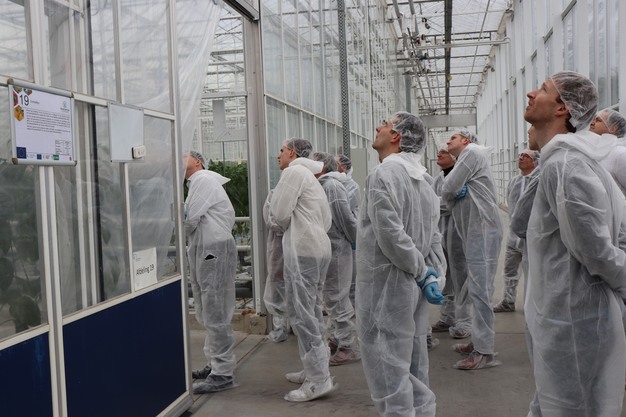
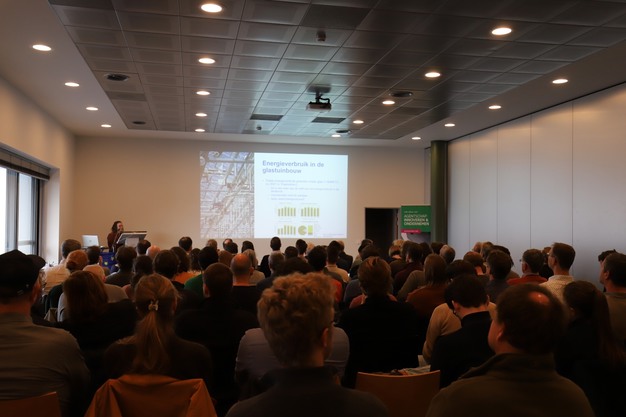
The closing ceremony of the Interreg Flanders–Netherlands Energlik project took place in Hoogstraten, Belgium, where researchers and industry stakeholders gathered to present and discuss the project’s results. The study day was organized by the Energlik consortium under the coordination of Proefcentrum Hoogstraten.
As part of the Energlik project, eleven partners from Flanders and the Netherlands joined forces to reduce greenhouse CO₂ emissions by 2030 and take concrete steps to achieve climate neutrality by 2050.
The project focused on the development of four innovative technologies aimed at reducing CO₂ emissions in greenhouse production. In addition to the practical tests, additional studies were carried out to assess the economic viability and environmental impact of the innovations.
Interreg’s Bram De Kort highlighted the importance of the initiative at the closing ceremony: “Interreg stimulates cross-border cooperation and supports strong projects that create added value for people, the economy and the planet. Energli is a great example of this.”
 © Hoogstraten Test Center
Four innovations for less CO₂ emissions
One of the technologies developed as part of the project is a CO₂ capture system that collects, purifies and stores CO₂ from the heating plant, then reuses it in the crop. This allows producers to decouple heat demand from CO₂ supply. The system is based on Pressure Swing Adsorption (PSA). Thomas More’s Jan Creylman explained: “PSA is a low-tech method of concentrating CO₂ from flue gases. It can be easily combined with a CHP plant and is cost-effective, safe and scalable.”
 © Hoogstraten Test Center
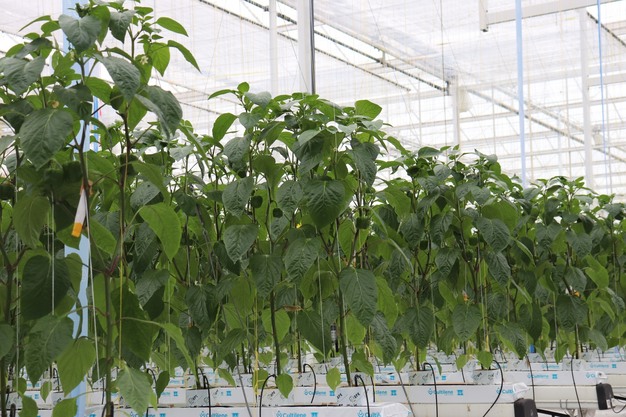
A second innovation focused on the development of new screen materials to improve greenhouse insulation and reduce heat loss, thus reducing CO₂ emissions. Emphasis was placed on the properties of screens.
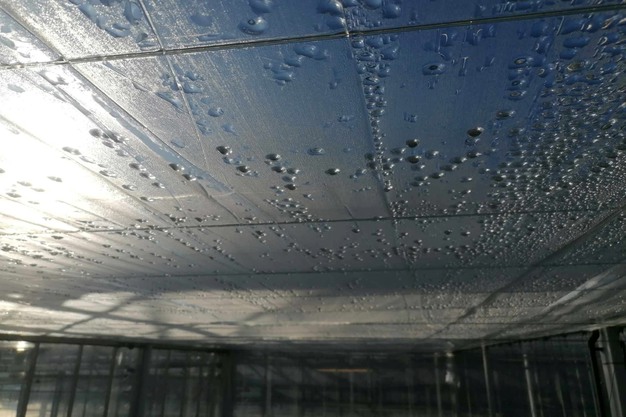
“It has been scientifically confirmed that the growers were right in assuming that dehumidification through the screen is very effective,” said Filip Bronchart of the University of Ghent.
The third innovation focused on energy-efficient active dehumidification systems. These systems remove moisture from the greenhouse without opening the vents, preventing energy losses.
“Within Energlik, we explored the possibilities of energy-efficient dehumidification of greenhouse air, based on proven techniques from other sectors,” added Bronchart.
 © Hoogstraten Test Center
Finally, the members of the project have developed sensors capable of detecting fungal spores. Energy-efficient cultivation often needs to be airtight for longer periods of time, which can increase the risk of fungal diseases.
“We have previously successfully used biosensors to detect bacteria and molecules, but fungal spores were more challenging. With surface printing and electropolymerization, we have identified two ways to detect fungal spores,” explains Bart van Grinsven.
These sensors may enable more accurate monitoring of fungal pressure in the future, allowing growers to intervene earlier.
 © Hoogstraten Test Center
Innovations tested in practice
Many innovations were tested in practice. New screen materials were developed, measured and selected based on insulation performance. The best performing screens were then used in crop trials with tomato, sweet pepper and cucumber, combining three screens for each crop.
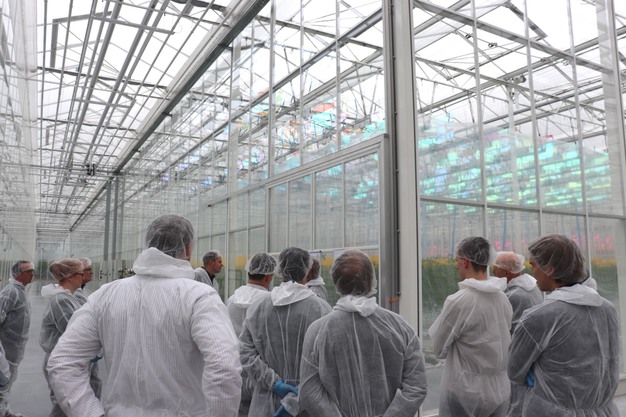 © Hoogstraten Test Center
Different types of dehumidification systems were also designed, built and installed. These included heat recovery systems and systems equipped with heat pumps. Combined with climate and screen control strategies, these measures resulted in significant energy savings across all crops, with no loss of production.
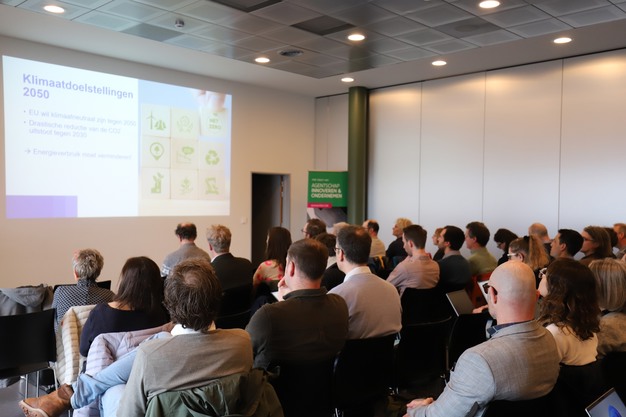 © Hoogstraten Test Center
In addition, a trial in a commercial tomato greenhouse demonstrated that more intensive use of multiple screens, day and night, significantly reduces energy consumption.
Tomato producer Jelle De Ryck from Tomerel he reflected on his experience: “In 2025, we did not have to turn on our gas boiler, while in 2024 – despite the warmer spring – this was still necessary. This was possible with the double energy screen and the more intensive use of the screen.
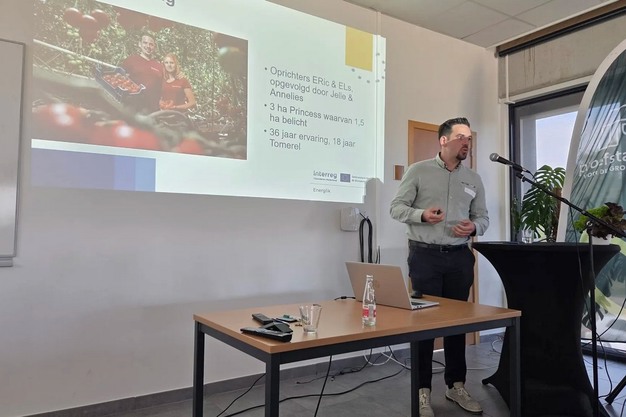 © EnergyJelle De Ryck from Tomerel shared her experiences as a demo member of the Energlik project on October 2, 2025 during a visit to the Vegetable Research Station in Sint-Katelijne-Waver.
Screens show the greatest potential
Economic and environmental assessments indicate that energy screens currently offer the greatest potential to move the greenhouse industry towards climate neutrality. They require a relatively limited investment and provide significant heat savings, especially in crops without light. Combined with energy-efficient dehumidification systems, CO₂ emissions can be further reduced.
“Dehumidification systems reduce the environmental impact, but high efficiency is essential,” explained ILVO’s Luis Corbala Robles. Their economic viability depends largely on investment costs.
For other innovations, the added economic and environmental value is less clear at this stage, partly due to the high investment costs and the need for further research. These factors will influence which technologies are adopted in commercial practice in the future.
The project also emphasized that energy-efficient cultivation strategies (such as accepting higher relative humidity levels and increasing screen hours) can lead to significant savings without requiring additional investment from growers.
Silke Hemming from Wageningen University & Research emphasizes this point: “Accepting a higher relative humidity, using a heat pump for dehumidification and installing more and better energy screens make the most important contribution to saving energy in fruit and vegetable crops.”
Source: Hoogstraten Test Center / energy












Dalgety Ltd has entered into a partnership with Curaleaf Laboratories to supply pharmaceutical grade cannabis medicines to the UK cannabis market. The arrangement combines Dalgety’s cultivation operations, which are certified to EU-GMP standards, with Curaleaf Laboratories’ pharmaceutical manufacturing and distribution capabilities. According to the companies, this creates a UK-based supply route that does not rely on imported cannabis flowers, as Dalgety cultivates its product in-house. Dalgety claims it was the first company in the UK to grow, manufacture and supply EU-GMP medical cannabis from a single site.
 © Curaleaf Laboratories
The growing facility, which is more than 30,000 square feet, is located indoors and uses hydroponic growing methods along with automated lighting, irrigation, humidity and temperature control systems. The company reports that it uses AI-assisted environmental monitoring, which extends the traceability of batches to the final product and compares them to operating standards for air filtration systems. Post-harvest processing is said to follow EU-GMP protocols, including microbial and cannabinoid testing.
The stated goal of this approach is to reduce between-harvest variation in terms of THC and CBD content, terpene profiles, and microbial safety. Dalgety says his cultivation is overseen by staff with experience in horticulture and biochemistry, some of whom have worked on cannabis cultivation projects internationally.
Through a partnership with Curaleaf Laboratories, Dalgety’s UK-grown cannabis is processed and distributed through a UK-based supply chain, rather than imported from overseas. Companies suggest that this arrangement can shorten the time it takes to get products to market compared to importing, and reduce the likelihood of supply disruptions. Because Dalgety and Curaleaf Laboratories are involved in cultivation, manufacturing and distribution, the companies say this oversees the product at every stage, making it clearer for prescribers to see where and how the product was made.
 © Curaleaf Laboratories
Dalgety operates to EU-GMP standards and has been subject to regulatory review by the MHRA and the Home Office. Its operations include environmental monitoring, microbial testing, stability testing, controlled drying and curing procedures and quality assurance processes, along with controlled and secure facilities.
The company describes its work as controlled environment farming, hydroponic systems, environmental control technology, and efforts to stabilize cannabis genetics and phenotypes for batch-to-batch consistency.
 © Curaleaf Laboratories
Dalgety has also opened its cultivation facilities for visits to healthcare professionals, clinicians, pharmacists, researchers and other industry stakeholders. The company says this is in response to the fact that much of the cannabis historically supplied to UK patients has been grown overseas, which has limited opportunities for UK clinicians to see first-hand the cultivation and quality control processes. These tours aim to provide visitors with information on cultivation standards, EU-GMP compliance procedures, environmental control systems, testing processes and the regulatory framework governing cannabis manufacturing in the UK.
Dalgety and Curaleaf Laboratories describe their partnership as expanding access to UK-grown medical cannabis, improving supply chain reliability and helping to meet sector regulations, placing it in the wider context of growing demand for cannabis-based treatments from UK patients.
For more information:
Curaleaf Laboratories
Email: (email protected)
https://curaleaflaboratories.co.uk/
Cannabis News
Arkansas GOP Governor And Democratic Challenger Agree On Opposing Marijuana Legalization
Cannabis News
Will the top World Cup expert in the fruit, vegetable, and horticulture sector come from Canada, the U.S. or Belgium?

FreshPublishers 2026 World Cup Group Stage
The World Cup is coming to an end, with the third-place play-off between France and England on Saturday, and the final between Spain and Argentina the following day. It won’t be long until the grand winner of FreshPublishers’ first World Cup pool is revealed.
 © Fresh Publishers
As previously reported, Slim Kooli from Courchesne Laros is the favorite to win the €1,000 prize. He has secured a comfortable lead over Nol Batist of North American Interstate Greenhouse Company, while buyer Bjorn Van Ryckeghem of Deprez Construct is currently in third place.
| 1 | Sim School | Spain | 1–0 | 2–1 | 737 | 9716 | |
| 2 | Nol Batist | France | 2–1 | 1–1 | 674 | 9433 | |
| 3 | Bjorn Van Ryckeghem | France | 2–2 | 3–1 | 674 | 9264 | |
| 4 | Christian Anton Smedshaug | England | 1–2 | 1–2 | 659 | 9134 | |
| 5 | Perry Springintveld | Spain | 1–1 | 2–1 | 647 | 9105 | |
| 6 | Willem Tijssen | Spain | 2–0 | 2–1 | 710 | 9098 | |
| 7 | Hans Borsboom | Spain | 2–1 | 2–1 | 528 | 9058 | |
| 8 | Bart Triemstra | Spain | 2–1 | 2–1 | 737 | 9052 | |
| 9 | Youness Bensaid | Spain | 2–1 | 1–1 | 722 | 8954 | |
| 10 | Vijay Dijkstra | Portugal | 2–0 | 2–1 | 382 | 8953 |
However, there have been some surprises during the tournament, and bonus points must be added, so we will keep the suspense a little longer. On Monday we will find out who is the main World Cup announcer in the international fruit, vegetable and horticulture sector…

BREAKING NEWS DEA RESCHEDULES CANNABIS TO SCHEDULE 3!

ASK ME ANYTHING | MONTEL

Marijuana Retail Report

Redefining the standards of UK cannabis

Arkansas GOP Governor And Democratic Challenger Agree On Opposing Marijuana Legalization

Michigan Cannabis Brand Forced to Close After Investigation Finds Inventory Discrepancies, Out-of-State Transport

The C Block…more 420 recaps on Weed Talk News …recorded 4_29_24

PART 1 TAKING A KNEE | NATE BOYER

Marijuana Retail Report

Will the top World Cup expert in the fruit, vegetable, and horticulture sector come from Canada, the U.S. or Belgium?

“Our system can manage equipment across 10,000+ m² using just a few wires”

Mazar-i-Sharif Hash Wednesday

Florida Workshop to Discuss What Constitutes a ‘Cartoon’ in Hemp Packaging

Afghan Black Hash Wednesday

From Finance to Wellness: Brad Zerman’s Impactful Pivot

Weak Michigan Cannabis Sales Again in July – New Cannabis Ventures

Re-release of the full show of Cannabis Coast to Coast news. Republican Texas DA Fires Up vs. laws;

DEA’s Cole Reverses His “priorities” ; Prohibitionists Dig In; Dead & Co Celebrates 60 years in SF

Texas DA Fires Up for Change! Mass. Sheriff arrested on Extortion charges; GOP vs Industry in state

Your Cannabis Business: Consistent Filings Are Critical
-
 Cannabis News11 months ago
“Our system can manage equipment across 10,000+ m² using just a few wires”
-
 Video10 months ago
Mazar-i-Sharif Hash Wednesday
-
 Florida11 months ago
Florida Workshop to Discuss What Constitutes a ‘Cartoon’ in Hemp Packaging
-
 Video9 months ago
Afghan Black Hash Wednesday
-
 Video11 months ago
From Finance to Wellness: Brad Zerman’s Impactful Pivot
-
 aawh11 months ago
Weak Michigan Cannabis Sales Again in July – New Cannabis Ventures
-
 Video11 months ago
Re-release of the full show of Cannabis Coast to Coast news. Republican Texas DA Fires Up vs. laws;
-
 Video11 months ago
DEA’s Cole Reverses His “priorities” ; Prohibitionists Dig In; Dead & Co Celebrates 60 years in SF