
Cannabis News
South Carolina GOP Attorney General Candidates Clash On Medical Marijuana And Hemp During Debate


“I can say, it absolutely helps kids with seizures. It helps cancer patients because we all know them in our lives.”
By Skylar Laird, South Carolina Daily Gazette
Accusations of lying and not being Republican enough flew Wednesday night among the GOP nominees for attorney general during the oft-contested debate.
Sen. Stephen Goldfinch and 1st Circuit Solicitor David Pascoe traded blows frequently during the hour-long debate, while 8th Circuit Solicitor David Stumbo stayed out of the fray.
The candidates often agreed at least on the issues, although they sometimes differed on specifics.
Early voting for the June 9 election to replace Attorney General Alan Wilson, who is running for governor, began Tuesday and will continue weekdays through June 5. The winner will face the only Democrat who ran, Richard Hrici, Charleston’s attorney, in November. The debate was organized and broadcast by SCETV.
The clearest dividing line emerged over a question of whether the candidates would support legalizing medical marijuana.
The Senate has it twice passed legislation allowing cannabis to be used medicinally for certain illnesses. Both bills died in the House without a vote: in 2022 when debate began on a technical resolution thrown out and in 2024 when the session clock ran out in committee. But The issue is likely to return after the federal government loosens restrictions on medical marijuana in April in states where the products are legal and have set hearings this summer to reschedule the drug.
Pascoe questioned why it took so long for the federal government to change the drug’s classification.
“I can say, it absolutely helps kids with seizures. It helps cancer patients because we all know them in our lives,” Pascoe said. “So I applaud the Department of Justice for that reorganization.”
Stumbo disagreed.
The state already legalized the cultivation of hemp, which naturally lacks enough THC to get people high. There is no reason to do anything more, he said.
“I think the medical marijuana bill is just a Trojan horse for recreational use, and I’m opposed to it,” Stumbo said.
Goldfinch voted for the Compassionate Care Act in 2022 and 2024. It would allow people with debilitating medical conditions to consume, vaporize or topically apply cannabis products under strict regulations.
But Wednesday night, he didn’t give a yes or no answer about medical marijuana. First, he said, lawmakers need it target THC-infused drinks and gummies A 2018 federal law effectively legalized it left a lot of gray area.
“Regardless of your position, I honestly think it’s a moot point right now because it’s ubiquitous in South Carolina, and it’s a real problem, especially the unregulated stuff,” Goldfinch said. “It has to be regulated.”
Legislation restricting the sale of intoxicating hemp products could become law this year.
A compromise between the different versions passed by the House and Senate could be reached when lawmakers return next month to finish work on the state budget. But agreeing where to draw the line can be difficult.
Earlier this year, a bill banning most hemp products returned to committee amid a chaotic division among Republicans on the House floor.
This story was first published by the South Carolina Daily Gazette.
Unrelated content removed by Marihuana Moments.
Mike Latimer’s photo.
Marihuana Moment is made possible with the help of readers. If you rely on our pro-cannabis journalism to stay informed, consider a monthly Patreon pledge.


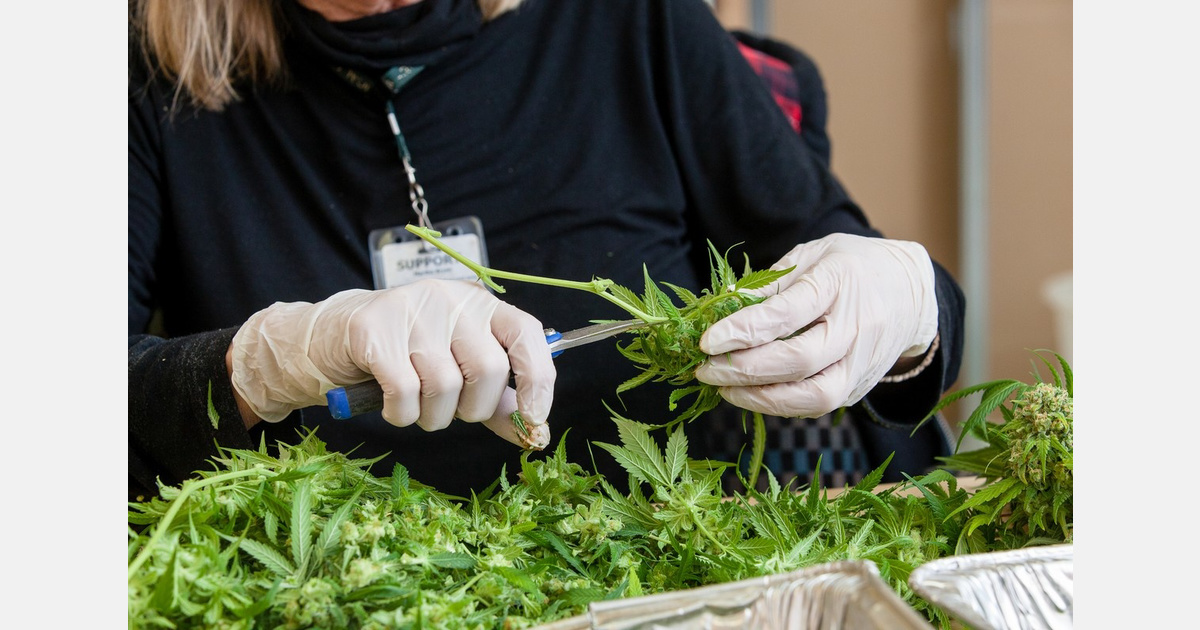
cbdMD welcomes the Administration’s call for Congress to ensure fair treatment of hemp-derived products under federal law and calls for immediate action to revise hemp regulations to ensure fair treatment of hemp products under federal law.
In a letter to congressional leadership this week, the White House Office of Management and Budget identified hemp reform as a priority strongly supported by the Administration. The petition calls on Congress to ensure fair treatment of hemp-derived products by maintaining access to appropriate full-spectrum CBD products, and by maintaining Congress’ intent to reduce products that pose health risks. The administration also urged Congress to pass a responsible federal framework or at least extend the current implementation period to give lawmakers time to get policy right. The request builds on the president’s previous public statements urging lawmakers to protect access to full-spectrum CBD products that millions of Americans rely on.
“We are encouraged to see the administration so clearly championing the responsible, scientific hemp products that consumers depend on every day,” said Ronan Kennedy, CEO of cbdMD. “cbdMD has always believed that the future of this category is built on quality, transparency, and clear rules that separate them from bad actors. A federal framework that protects consumer access, promotes safety, and provides certainty to companies that provide certainty is what this industry and the people it serves deserve. We applaud the policymakers who are working to achieve this outcome.”
“We believe CbdMD is purpose-built for this next phase of the market,” added Kennedy. “Our focus remains on serving our customers with reliable and effective products, supporting responsible regulation and building long-term value for our shareholders as the category continues to evolve. Along the way, we will continue to evaluate the opportunities this evolving environment holds.”
For more information:
cbdMD 
cbdmd.com/
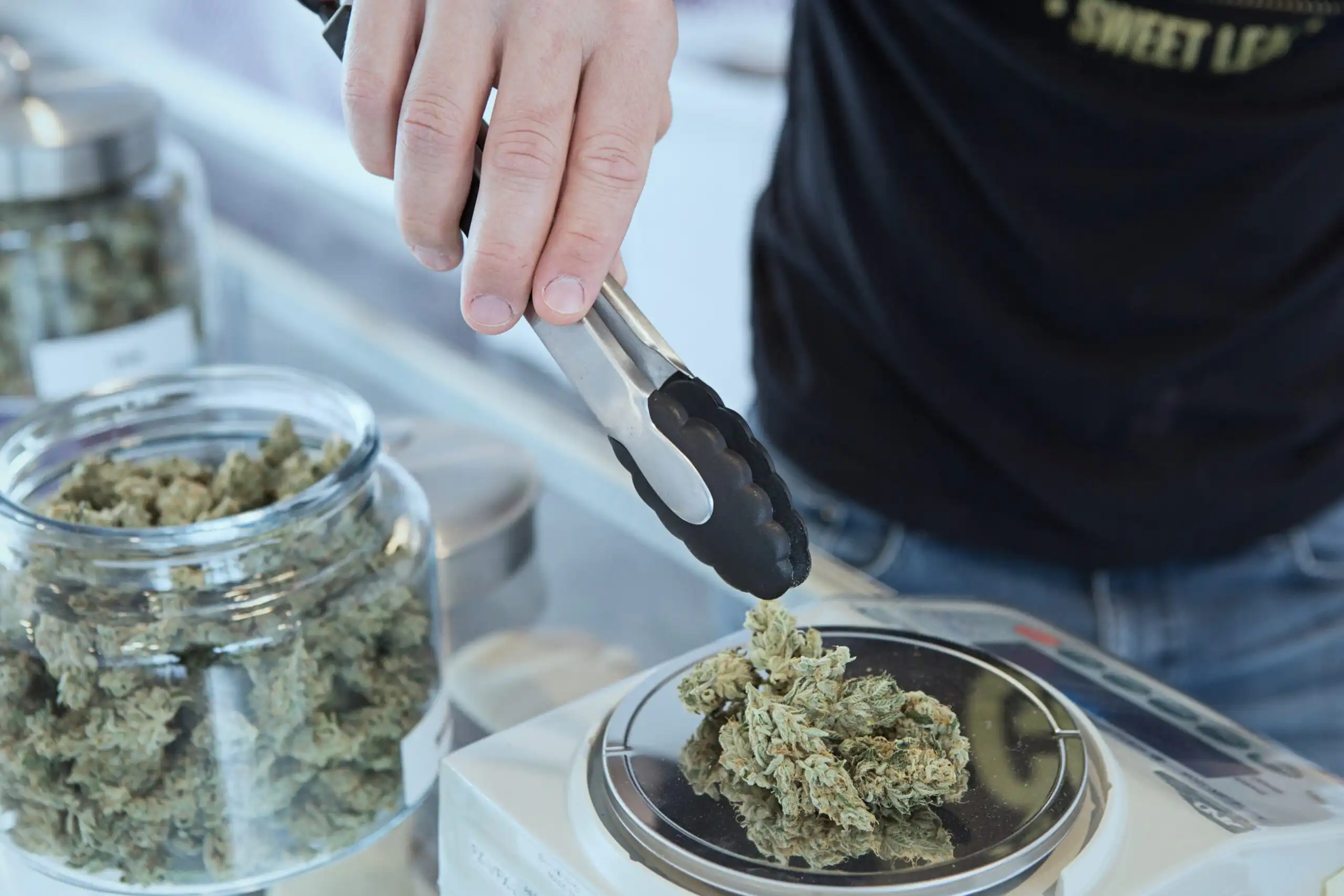
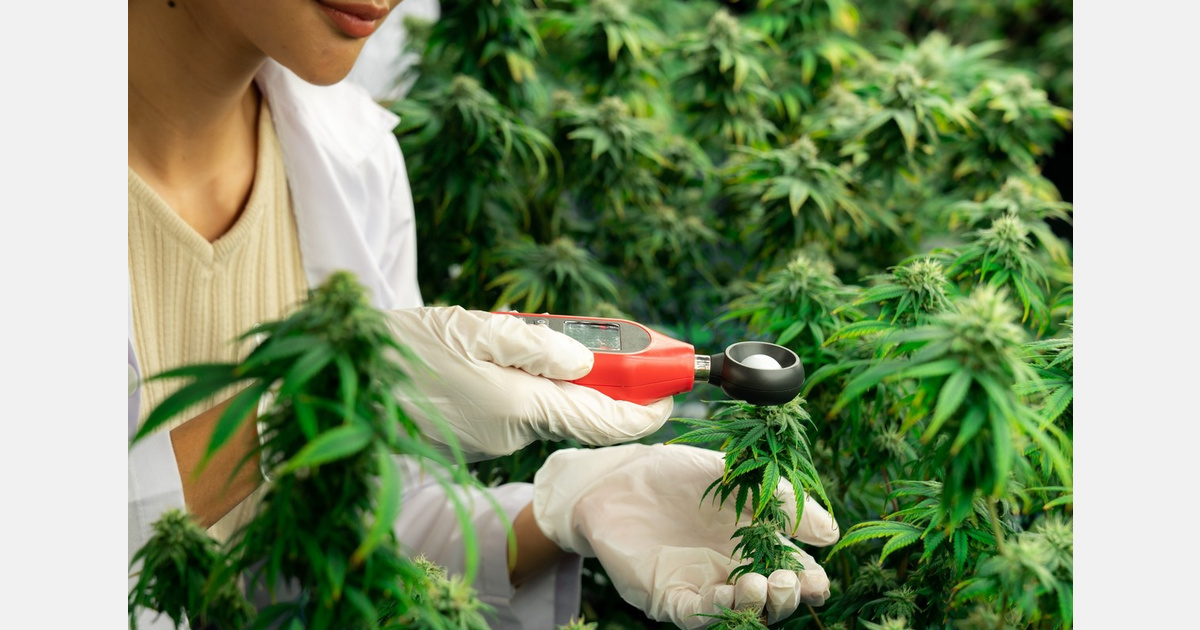
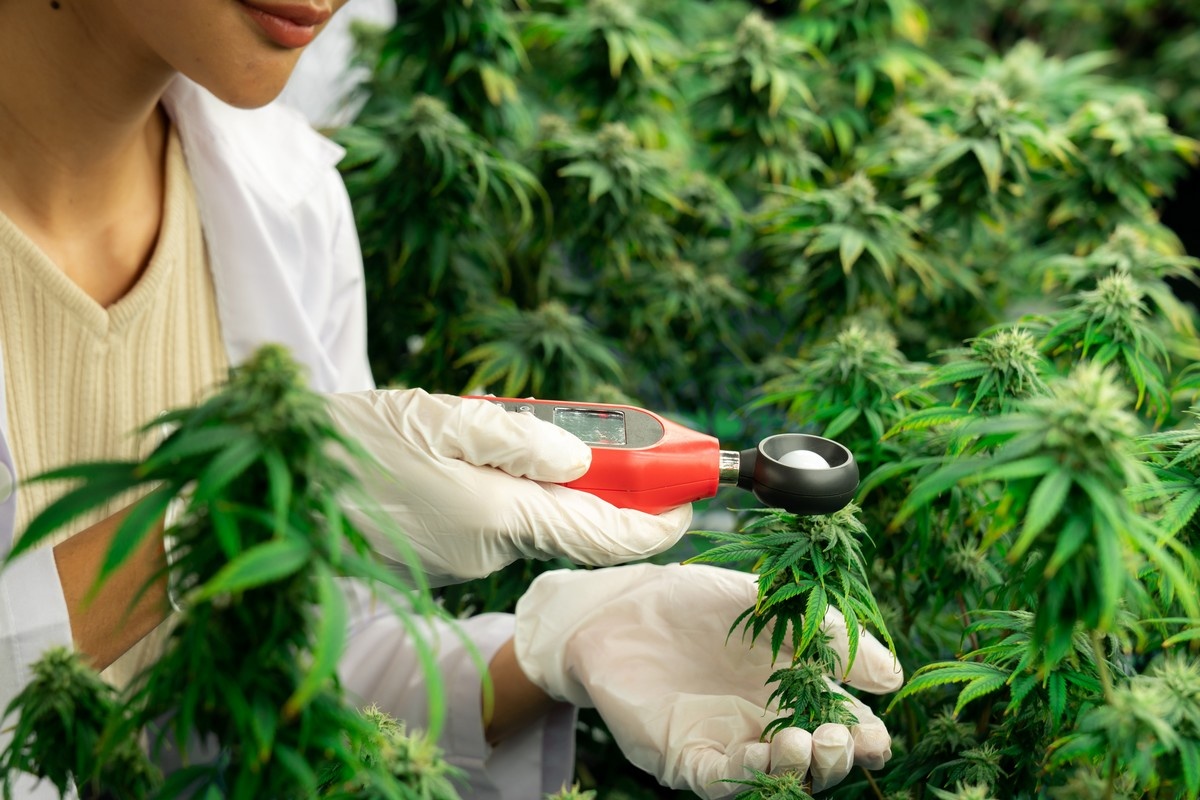
Two new RAND reports commissioned by the Richard M. Fairbanks Foundation outline the policy options and financial commitments facing Indiana as the state debates whether to change its cannabis laws amid restrictions across the country.
Reports show that 44% of Indiana residents live within 50 miles of a licensed dispensary in a neighboring state, and 96% live within 100 miles, as three of Indiana’s four states have legalized adult-use cannabis. At the same time, intoxicating hemp products containing the same psychoactive compound as marijuana are available at gas stations, convenience stores and grocery stores throughout Indiana with limited oversight.
Cannabis use in Indiana has doubled in the past decade, with a significant increase among adults 26 and older. RAND estimates that 1.3 million Hoosiers used cannabis in 2024 and spent $1.8 billion on marijuana products that year. Indiana recorded more than 13,000 cannabis-related arrests in 2024, with more than 90% for possession and more than 75% for non-cannabis related charges. The state spends $10 million to $20 million annually on cannabis law enforcement.
Rather than recommending a specific policy, the RAND reports outline four broad options: maintaining prohibition, reducing criminal penalties for possession, legalizing medical cannabis, or legalizing the adult recreational use market. Legalizing adult-use cannabis would generate about $180 million in annual state revenue, roughly 1 percent of the state’s general fund, well below some previous projections and less than half of the $385 million in combined cigarette and alcohol tax revenue Indiana will collect in 2025, according to the Indiana Department of Revenue.
Legalization would also entail significant upfront costs, and ongoing regulatory costs could reach the low tens of millions of dollars annually, outweighing the savings from reduced criminal justice spending. RAND identifies 14 policy considerations important to establishing legal markets, each with its own public health and state economic implications.

Weed Talk News Special Report & Interview Redefining Hemp Throws Industry into Turmoil

INVESTING IN CANNABIS | EMILY PAXHIA

cbdMD welcomes White House call for fair treatment of hemp-derived products

Industry Sentiment vs Reality – Could The Hemp Ban Be Extended?

Applications For Missouri Marijuana Microbusiness Licenses Will Open Next Month

Half of Gen Z Diagnosed with Depression Report Using Cannabis

Will the Farm Bill of 2024 Close Down Hemp Derived Highs? The Full A and B Blocks of Weed Talk News

Let’s Be Blunt with Montel – Algorithmic Boost Request – 2000000 #YTBoostRequest

RAND estimates Indiana adult-use cannabis could yield $180M in annual revenue

Institutions Evaluate Cannabis While Trulieve CEO Sells Shares

“Our system can manage equipment across 10,000+ m² using just a few wires”

Florida Workshop to Discuss What Constitutes a ‘Cartoon’ in Hemp Packaging

Mazar-i-Sharif Hash Wednesday

Afghan Black Hash Wednesday

Weak Michigan Cannabis Sales Again in July – New Cannabis Ventures

From Finance to Wellness: Brad Zerman’s Impactful Pivot

DEA’s Cole Reverses His “priorities” ; Prohibitionists Dig In; Dead & Co Celebrates 60 years in SF

Re-release of the full show of Cannabis Coast to Coast news. Republican Texas DA Fires Up vs. laws;

Curaleaf Q2 Revenue Falls 8% – New Cannabis Ventures

Your Cannabis Business: Consistent Filings Are Critical
-
 Cannabis News10 months ago
“Our system can manage equipment across 10,000+ m² using just a few wires”
-
 Florida11 months ago
Florida Workshop to Discuss What Constitutes a ‘Cartoon’ in Hemp Packaging
-
 Video9 months ago
Mazar-i-Sharif Hash Wednesday
-
 Video9 months ago
Afghan Black Hash Wednesday
-
 aawh11 months ago
Weak Michigan Cannabis Sales Again in July – New Cannabis Ventures
-
 Video11 months ago
From Finance to Wellness: Brad Zerman’s Impactful Pivot
-
 Video10 months ago
DEA’s Cole Reverses His “priorities” ; Prohibitionists Dig In; Dead & Co Celebrates 60 years in SF
-
 Video11 months ago
Re-release of the full show of Cannabis Coast to Coast news. Republican Texas DA Fires Up vs. laws;