
Cannabis News
Swiss company launches nationwide price comparison tool for cannabis


Evidena Care AG is one of the leading Swiss telemedicine platforms and specialized medical practices for medical cannabis. The company currently supports more than 2,000 patients across the country. Under the direction of Dr. Nicolai Berardi and two other specialist doctors, Evidena Care has focused on evidence-based, responsible and patient-centered treatment for the past two years.
Now, Evidena Care is launching a nationwide online comparison portal for medical cannabis products. The platform is designed for patients who already have a valid medical prescription and want a clear and reliable view of the market. For the first time in Switzerland, patients can directly compare products and prices from the country’s largest pharmacies in one place.
Medical cannabis plays an essential role in the treatment plans of many patients. At the same time, prices can vary significantly between pharmacies, even when the products contain the same levels of active ingredients. As these costs are often not covered by health insurance, or only partially covered, many patients have a heavy financial burden. The new portal addresses this issue by bringing transparency to a market that until now has been difficult to navigate.
The platform provides an overview of available products and dosages, clearly lists the active ingredient content, such as THC and CBD levels, and displays the current prices of leading Swiss pharmacies. Patients can directly compare options and make informed decisions that help optimize their therapy costs, without compromising medical guidance.
“Patients should not be victims of non-transparent pricing structures,” says Dr. Nicolai Berardi, CEO of Evidena Care AG. “We are creating transparency with our comparison portal, strengthening the self-responsibility of those affected and promoting fair competition in the interests of patients.”
The portal is only for people with a valid prescription. It serves as a true information tool and supports cost optimization in an existing therapy supervised by a physician.
For more information:
Evidena Care AG
Email: (email protected)
https://evidena.care/







The veto pen is one of the most powerful tools in the Mississippi Legislature, and Governor Tate Reeves has used it throughout his tenure. This year, his vetoes have mostly targeted public health bills so far, with more to come.
There are three ways Reeves could handle the bills that passed both chambers. He can sign bills he supports and allow them to become law without his signature. He can also block legislation he disagrees with by vetoing a bill or part of it and deferring it to a future legislative session.
As of Wednesday, April 8, he has vetoed four bills, half as many as in the previous two sessions, but Reeves will continue to review the legislation and reject more proposals in the coming days.
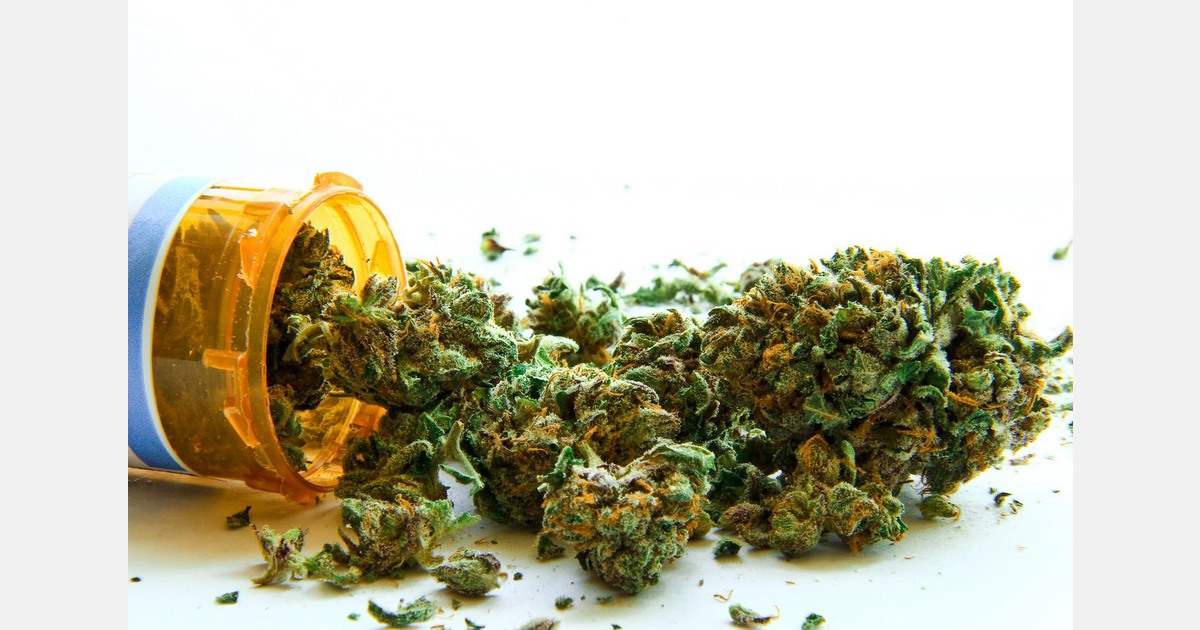
Reeves vetoed two medical marijuana bills that passed the Legislature this session, dealing a fatal blow to bills that have already faced friendly chambers. One of the bills, the “Right to Try Medical Cannabis,” contained only one specific provision that Reeves disputed. The original intent of the bill, which Reeves praised, was to expand the opportunity to try medical marijuana to those with debilitating conditions that fall outside the scope of current law.
Read more at Clarion Ledger
Cannabis News
Illinois Court Hears Final Lawsuit Challenging Marijuana Social Equity Business Licensing Lottery
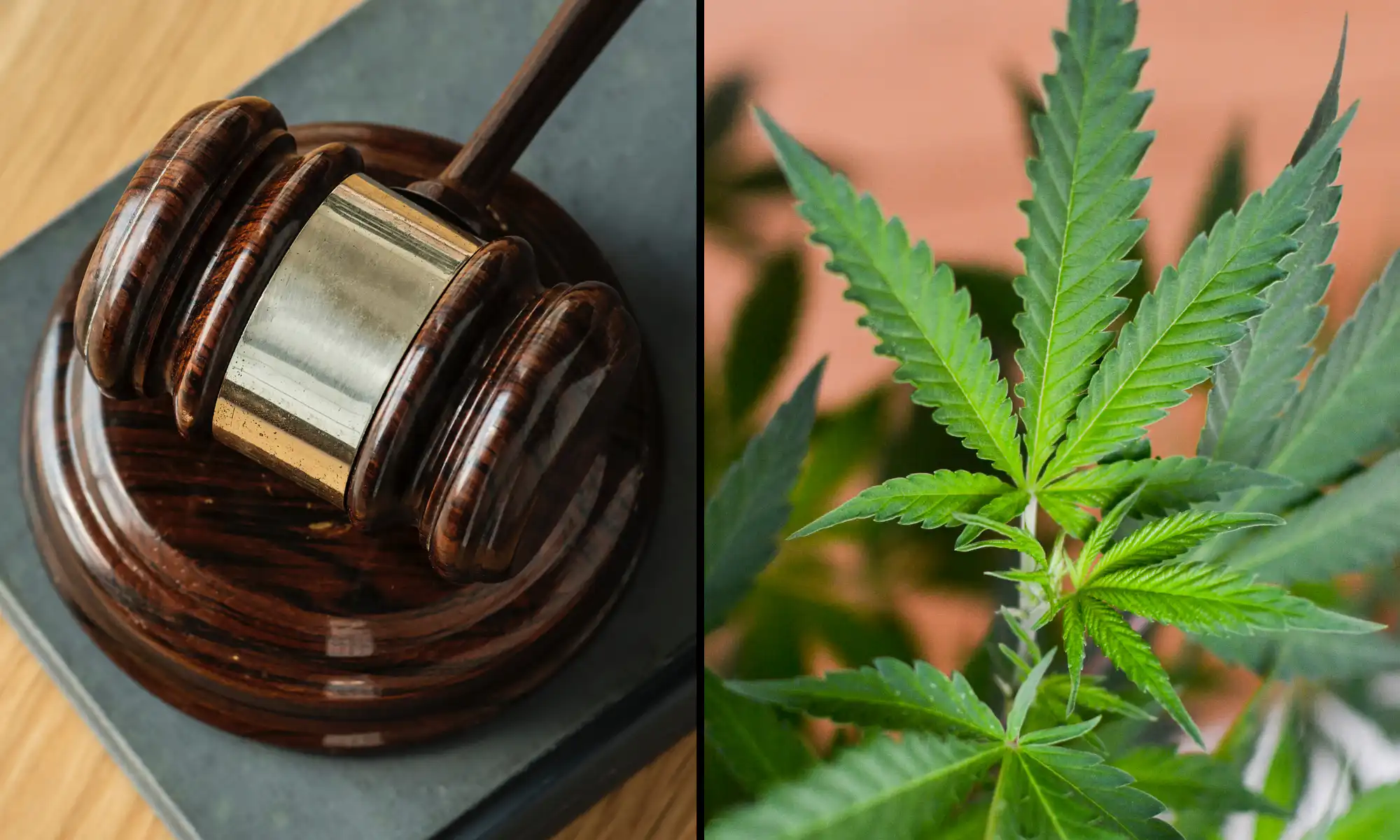
“We are not asking for anything special, no special privileges, but what was promised from the beginning.”
By Hannah Meisel, Capitol News Illinois
Nearly seven years after Illinois lawmakers approved the legalization of recreational cannabis, applicants who lost out on prized business licenses are still fighting the state in court, arguing that the law’s expansion undermined its supposed equity goals.
At the time of its passage in 2019, supporters of Illinois’ landmark law said it was the most legalized cannabis program in the nation. But one of the pillars of that legislation—relinquishing most cannabis business licenses to “social equity” applicants disproportionately affected by the war on drugs—turned out to be more complicated than the law’s authors imagined, spawning years of litigation in the process.
The last of dozens of lawsuits filed after the first cannabis license lottery of 2020 reached court last week, ending a years-long legal saga testing the state’s legalization policy. But it’s also the plaintiff, Well-Being Holistic Group’s last chance to get a dispensary license after losing all four of its applications in three draws.
“We just want a straight line,” the Rev. Otis Davis said after a hearing in the case. “We’re not asking for anything special, no special privileges, but what they promised from the very beginning … So we were saying, ‘Hey, the system is broken, then they should do it again, and they should give everybody a chance.'”
Davis preaches at Repairers of the Breach Ministries in Chicago’s Back of the Yards neighborhood and ran unsuccessfully for Chicago City Council in 2019. He was a member of the group that applied for dispensary licenses in 2020 as the Well-Being Holistic Group. Chris Harris, an attorney who represented David Davis, along with David’s client, joined his business partner and David’s business partner.
Harris was candid in his assessment of Davis’ value to the team: “Not only was Otis a veteran, but Otis was a practicing minister on the South Side of Chicago coming from an area of disproportionate influence; we had what we thought was the perfect team, and the team was designed to win this type of license.”
In fact, the Well-Being Holistic Group’s applications received a perfect score, but still did not win a license. While most of the lawsuits filed against the state after the lottery process have come from applicants who disputed their lottery entry scores, Well-Being’s case argues a different legal theory, which Henderson Parks attorney Chris Carmichael says is the “hardest path” of all lawsuits.
The plaintiff claims that the lottery was rigged
Well-Being argues that the Illinois Department of Financial and Professional Regulation, which administered the lotteries, improperly accepted approximately 450 ineligible entries in a lottery of 901 applicants for dispensary licenses in the Chicago area. This, Well-Being says, almost doubled the size of the pool and reduced the chances of others winning.
Well-Being complains that the entries should have been marked as ineligible because corporate dispensaries that already had a foothold in the Illinois cannabis market had their fingerprints on social equity dispensary license applications.
In one case, Carmichael said a company paid roughly $500,000 in application fees — something that should have been caught by IDFPR and the consultants hired to vet the applicants and run the lotteries because the “ship” line on those cashier’s checks had the company’s name on them.
The IDFPR says it did due diligence by verifying the people named as officers on license applications, which it says would have caught any attempts by the agency to skirt application limits or hide the true ownership of the entity behind an application.
But Well-Being argues that examining only individuals missed the forest for the trees, and the IDFPR ignored dozens of applications with the same corporate sponsor.
Alex Moe, an attorney with the Illinois Attorney General’s office, told Cook County Judge Patrick Stanton that Welfare lacked participation in the application process “as expected by the counselors.” There were also no rules against such consultants paying application fees, he said, unless the consultants had an undisclosed financial interest in the entity applying for the licenses.
Furthermore, Moe said Well-Being’s theory of mathematical unfairness in lotteries is fundamentally wrong.
“Even if Welfare is right and half the applicants shouldn’t be on it, it doesn’t change the outcome,” he said.
Following the “paper trail” created by the lottery, Moe said the IDFPR has recalculated what would happen if the applications reported by Welfare were to be ineligible if they were not in the pool. Welfare would rank 126 out of 450, he said.
“That’s something we know with mathematical certainty, that Welfare would not receive a winning drawing,” Moe said.
Corrective lottery?
But Carmichael noted that with the state’s unused social equity cannabis dispensary licenses, “the only meaningful thing that can be done is to do a corrective lottery.”
The state was already conducting corrective lotteries after initial lawsuits delayed the licensing process for a year. The first social equity licensee-owned dispensaries did not open until November 2022—almost three years after the application process opened. As of January, only 64 percent of licensed social equity dispensaries were operating, according to an analysis by The Chicago Reporter.
Stanton, who said several times during the hearing that the IDFPR had broad latitude to interpret state statute, said he understood Welfare’s claims but seemed skeptical of arguments that a court should step in and tell a state agency how to do its job.
“It seems to me that … there was some testing done before the lottery. Maybe not the level of testing that you think,” he told Carmichael. “You’re saying they didn’t do enough. And I feel like, ‘OK, that’s the department’s decision.'”
The judge said that further evidence that the IDFPR “failed to comply with the statute” would be required to warrant judicial review.
“They did something,” Stanton said of the IDFPR. “Maybe not enough. Applying the standards they did, I feel like they caught what they were supposed to catch.”
The judge will decide in a hearing on May 21.
This the article appeared for the first time Capitol News Illinois and is republished here under a Creative Commons Attribution-NoDerivs 4.0 International License.
Capitol News is an Illinois nonprofit news service that distributes coverage of state government to hundreds of news outlets across the state. It is funded primarily by the Illinois Press Foundation and the Robert R. McCormick Foundation.
Photo elements courtesy of the user rawpixel and Philip Steffan.
Marijuana Moment is made possible with the help of readers. If you rely on our pro-cannabis journalism to stay informed, consider a monthly Patreon pledge.

Cannabis News
Lighting science and advanced cultivation to take center stage at Dutch cannabis research tour
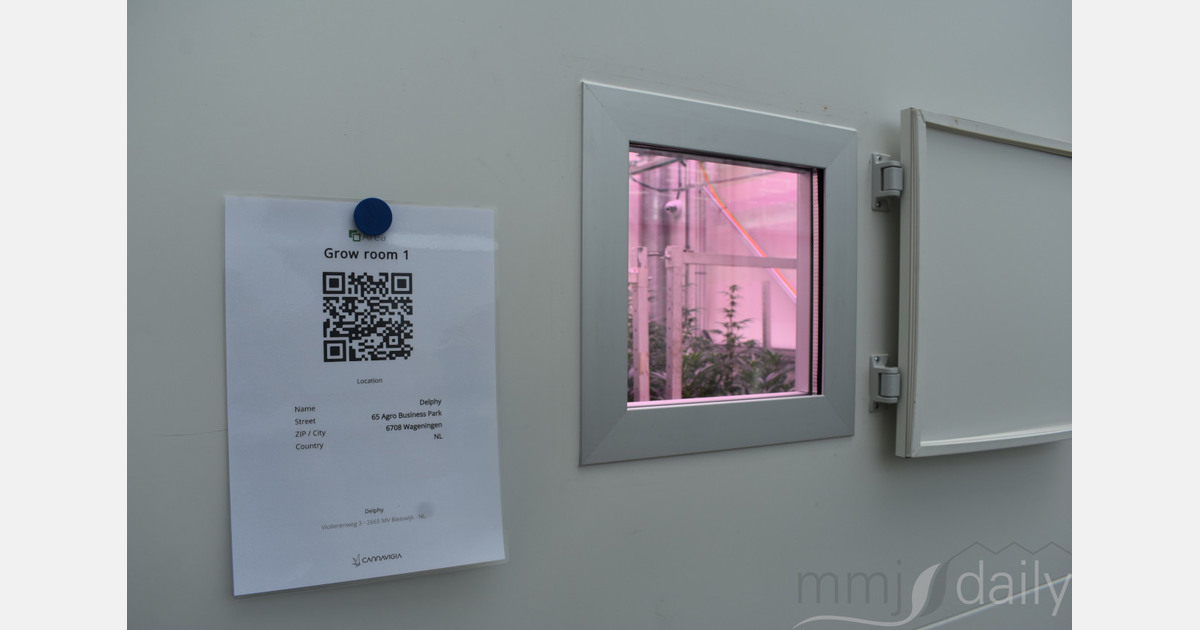
The joint MCPIR and Cultivation for Compounds research tour is returning to its regular position on the calendar. On June 8, before GreenTech Amsterdam opens at RAI, two cannabis research consortia from the Netherlands will host a one-day medicinal cannabis event at their research sites.
The morning program runs at MCPIR in Bleiswijk, and in the afternoon it moves to CfC’s Honselersdijk facility. Lunch is provided, and RAI Amsterdam bus transportation is available for participants traveling from the city.
Sonny Moerenhout, founder of Cultivators consultancy, has been organizing the event and will be one of the guest speakers. “MCPIR and CfC do the same kind of work, and to outsiders they might look like competitors,” he says. “But this event is about showing what Dutch horticulture is doing for cannabis. It’s better to do it together than separately.” Cultivators have also recently launched the Leafy Hydroponics Consortium, where infrastructure is being upgraded. LED lights, screens and high-pressure fog are being integrated into the setup. Sonny noted that the consortium had conducted tests with the existing configuration before switching to the new one, and that the improvement of the climate system was continuing as part of a multi-year program.
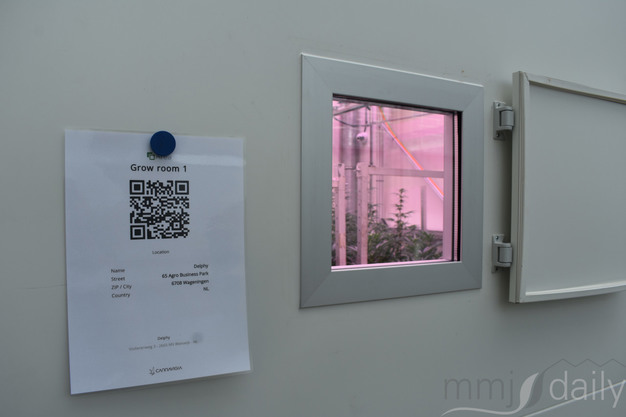 © Andrea Di Pastena | MMJDaily.com
With years of cannabis experience and knowledge, and now the consortium’s research expertise, Sonny says he brings the latest in advanced cultivation techniques. “Cannabis cultivation is moving incredibly fast, with price pressure on growers keeping pace with it. It’s critical to show growers how to meet the challenges with knowledge and information from the world’s horticultural hub.” Besides Sonny, at the MCPIR event, Mexx Holweg, PhD from Wageningen University, will also be coming up to talk about lighting. Sonny says the addition is aimed at bringing more breeders and licensed producers into the conversation. “With Mexx, we can bring even more breeders and LPs together for interactions with a focus on high-tech growth.”
The audience at the June 8 event typically includes medicinal cannabis producers, technology providers and scientific collaborators from across Europe and beyond. Registration is done directly through MCPIR and CfC; the organizers can be contacted at this address (email protected)
GreenTech Amsterdam will take place from June 9th to 11th at the RAI.
For more information:
Cultivators
(email protected)
crops.nl

Delphi

Wedding Frost Marijuana Monday

This is the C Block or final section of the Cannabis Coast to Coast News Show with Alaina Pinto

D.A.R.E. Was The Most INSANE Thing At School

WHAT YOU NEED TO KNOW ABOUT PSYCHEDELICS | SHELBY HARTMAN

YG Marley Launches Young Gong Cannabis Brand

Michigan Cannabis Sales Fell Again – New Cannabis Ventures

Governor vetoes medical cannabis bill

Illinois Court Hears Final Lawsuit Challenging Marijuana Social Equity Business Licensing Lottery

West Virginia Treasurer to Release Medical Cannabis Tax Revenue

Hash Kettle Hash Wednesday

“Our system can manage equipment across 10,000+ m² using just a few wires”

Florida Workshop to Discuss What Constitutes a ‘Cartoon’ in Hemp Packaging

Mazar-i-Sharif Hash Wednesday

From Finance to Wellness: Brad Zerman’s Impactful Pivot

Re-release of the full show of Cannabis Coast to Coast news. Republican Texas DA Fires Up vs. laws;

Weak Michigan Cannabis Sales Again in July – New Cannabis Ventures

DEA’s Cole Reverses His “priorities” ; Prohibitionists Dig In; Dead & Co Celebrates 60 years in SF

Your Cannabis Business: Consistent Filings Are Critical

New Hampshire Governor Says Federal Marijuana Rescheduling Won’t Change Her Opposition To Legalization

Texas DA Partakes on Tik Tok to prove a point; Boston Sheriff arrested for Extortion of $ w/ Ascend
-
 Cannabis News8 months ago
“Our system can manage equipment across 10,000+ m² using just a few wires”
-
 Florida8 months ago
Florida Workshop to Discuss What Constitutes a ‘Cartoon’ in Hemp Packaging
-
 Video6 months ago
Mazar-i-Sharif Hash Wednesday
-
 Video8 months ago
From Finance to Wellness: Brad Zerman’s Impactful Pivot
-
 Video8 months ago
Re-release of the full show of Cannabis Coast to Coast news. Republican Texas DA Fires Up vs. laws;
-
 aawh8 months ago
Weak Michigan Cannabis Sales Again in July – New Cannabis Ventures
-
 Video8 months ago
DEA’s Cole Reverses His “priorities” ; Prohibitionists Dig In; Dead & Co Celebrates 60 years in SF
-
 Best Practices8 months ago
Your Cannabis Business: Consistent Filings Are Critical