Connect with us

DEA

Trump Administration Moves State-Licensed Medical Marijuana to Schedule III

Published

on

Trump Administration Moves State-Licensed Medical Marijuana to Schedule III
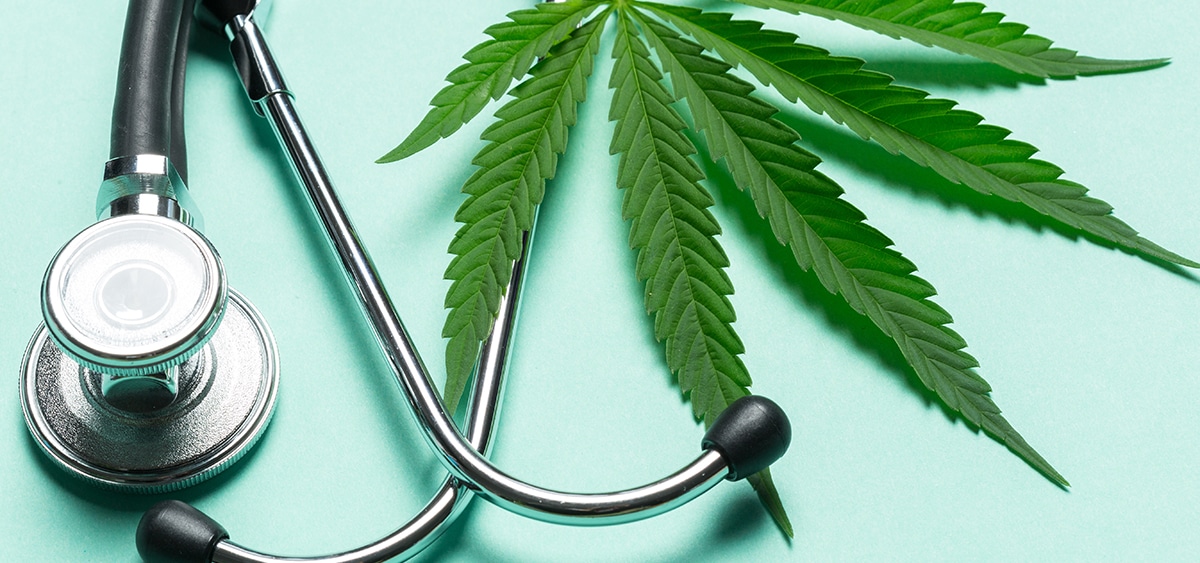
The Trump administration on Thursday moved FDA-approved marijuana products and cannabis products sold under qualifying state medical marijuana licenses from Schedule I to Schedule III under federal law, while also setting a new administrative hearing for June 29, 2026 to restart and expedite the broader DEA reprogramming process.

Department of Justice said The immediate action is intended to support medical research and state-regulated medical programs while maintaining “strict federal controls against illegal drug trafficking.”

For now, the change only affects FDA-approved marijuana products and state medical marijuana markets, not adult-use cannabis businesses. This distinction is critical for the broader industry: adult-use operators are not getting immediate 280E tax relief under this order, and the measure does not provide any direct bank relief for adult-use businesses that remain federally illegal.

The administration’s announcement also indicated that the existing rescheduling process initiated by the DEA under the Biden administration would be scrapped for a new, expedited process beginning with a hearing in June. That broader process is expected to determine whether marijuana in general will be moved out of Schedule I, a question that remains especially important to adult-use operators still mired in the federal-state standoff.

“After further review, the DEA is withdrawing the prior notice of HEARING and the completion of these proceedings to move more efficiently toward the completion of the full redefinition of marijuana. This action will expedite the administrative process, include established deadlines, and allow DEA to proceed in the most expeditious manner consistent with federal law. The DEA will hold a new administrative hearing beginning June 29, 2026, regarding the proposed rescheduling of marijuana. – through the announcement of the Department of Justice

While the change represents the most significant change in federal cannabis policy in decades, even if cannabis is fully reclassified as a Schedule III substance, people currently serving time in prison for possession of cannabis will not be directly affected by the change, and businesses on the adult-use side of the industry will still be considered federally illegal.

Continue Reading

CSA

Marijuana Retail Report

Published

on

By

Marijuana Retail Report


The case will be heard from June 29 to July 15

The Drug Enforcement Administration is beginning hearings on a proposal to reclassify recreational cannabis under federal drug law. DEA medical cannabis has been transferred in FDA-approved drugs and from state-licensed operators in April, marking the most significant change in US cannabis policy in half a century.

The DEA hearing, scheduled for June 29-July 15, is to consider the agency’s May 21 proposal to move hemp from Schedule I of the federal Controlled Substances Act (CSA) to Schedule III. Such a step would have a significant impact on a regulated adult cannabis industry that would be exempt from punitive tax policies for businesses that sell Schedule I drugs.

Cannabis reform advocates fear exclusion from hearings

Because transfer proposal established by the DEA, the agency will act as an advocate for reform through hearings. As a result, only individuals and groups opposed to relocation will be allowed to testify, which has made many cannabis reform advocates skeptical of the process.

The National Marijuana Law Reform Organization attempted to testify at the hearing arguing that hemp should be excluded from the CSA entirely.

“Marijuana cannot legally remain in Schedule I,” said Joseph A. Bondi, chairman of NORML’s board of directors. statement from the Cannabis Policy Reform Advocacy Group. “But Schedule III is not the end of the road. It is, at most, an interim fix. It does not address the federal government’s failure to recognize legal cannabis users of legal age under state law.”

To read the rest of this article on Forbes, Click here



Continue Reading

cannabis policy

DEA Argues in Favor of Moving Cannabis to Schedule III

Published

on

By

DEA Argues in Favor of Moving Cannabis to Schedule III

The DEA’s long-awaited administrative hearing on moving cannabis from Schedule I to Schedule III opened this week with the agency making it clear that it supports the move, Cannabis Business Times reports.

According to the report, DEA attorney James Schwartz told the court that the government would call only two witnesses, a scientist and a doctor, to support the proposed rule.

At the start of the hearings, the fact that no pro-rescheduling parties were invited prompted some advocates to question whether the agency was setting the table against its own rules, while others read it as complying with a Trump directive to move the rule quickly.

Writing in one op-ed for Marijuana Moment, Cat Packer of the Drug Policy Alliance offered a firsthand account detailing this point: her organization asked to participate as an interested party and was denied, along with requests from groups including NORML, the Marijuana Policy Project, the Cannabis Regulators of Color Coalition, the Latino Cannabis Alliance, the Law Enforcement Center for Law Advocacy, Law Prevention, the Party of Rebolli & Politics, Women and Supernova Students for Sensitive Drug Policies. Packer wrote that the seven parties the DEA has designated to participate all have one thing in common: Each of them opposes reprogramming. Access to the hearing was also limited, with no live stream, video stream or public audio feed.

DEA attorney Schwartz reportedly stressed that the hearing is not about recreational use or legalization, but rather whether cannabis has a “currently accepted medical use.” Under the CSA’s regulatory framework, if cannabis has even one accepted medical use, it cannot remain in Schedule I. The government’s first witness, FDA scientist Dominic Chiapperino, testified that his team’s review supports placing cannabis in Schedule III. A second government witness, Dr. Corey Burchman, testified about his clinical experience helping patients transition from opioids to cannabis, and discussed the relative risks of each.

The federal effort to reclassify cannabis began under the Biden administration in the year 2023 following an HHS finding, cannabis has accepted medical use for some conditions. After numerous delays, the Trump administration sped up the process with an executive order directing the agency to continue the proceedings. The hearing began on June 29 and is scheduled to run as a two-week proceeding, with testimony and cross-examination continuing through mid-July and ending no later than July 15.

Although moving cannabis to Schedule III could remove some of the financial hurdles legal cannabis brands currently face, it would not federally legalize cannabis, create a legal market, or provide any relief to people currently incarcerated for cannabis convictions. Reprogramming also won’t end federal criminalization, resolve the conflict between federal and state law, or build the comprehensive regulatory framework the country needs: Congress will have to address these questions head-on for any meaningful change to occur.

Ganjapreneur: Providing everyday knowledge since 2014, the leading digital business magazine for cannabis industry professionals. to join our community of over 40,000 cannabis entrepreneurs.

Continue Reading

CSA

Marijuana Retail Report

Published

on

By

Marijuana Retail Report


The case will be heard from June 29 to July 15

The Drug Enforcement Administration is beginning hearings on a proposal to reclassify recreational cannabis under federal drug law. DEA medical cannabis has been transferred in FDA-approved drugs and from state-licensed operators in April, marking the most significant change in US cannabis policy in half a century.

The DEA hearing, scheduled for June 29-July 15, is to consider the agency’s May 21 proposal to move hemp from Schedule I of the federal Controlled Substances Act (CSA) to Schedule III. Such a step would have a significant influence on a regulated adult cannabis industry that would be exempt from punitive tax policies for businesses that sell Schedule I drugs.

Cannabis reform advocates fear exclusion from hearings

Because transfer proposal established by the DEA, the agency will act as an advocate for reform through hearings. As a result, only individuals and groups opposed to relocation will be allowed to testify, which has made many cannabis reform advocates skeptical of the process.

The National Marijuana Law Reform Organization attempted to testify at the hearing arguing that hemp should be excluded from the CSA entirely.

“Marijuana cannot legally remain in Schedule I,” said Joseph A. Bondi, chairman of NORML’s board of directors. statement from the Cannabis Policy Reform Advocacy Group. “But Schedule III is not the end of the road. It is, at most, an interim fix. It does not address the federal government’s failure to recognize legal cannabis users of legal age under state law.”

To read the rest of this article on Forbes, Click here

Continue Reading
Advertisement

Trending

Copyright © 2021 The Art of MaryJane Media