
Cannabis News
Marijuana Business Owner Running For Congress Says Federal Legalization Is The ‘Only Path’ For ‘National Market Stability’


Colorado-based marijuana entrepreneur Wanda James is running for Congress, pledging to push for an end to the federal ban on cannabis if elected. Anything outside of legislation (whether it’s a bill focused on industry bank access or other incremental reform like rescheduling) won’t cut it, he says.
James, who owns the Simply Pure dispensary in Denver, is challenging Rep. Diana DeGette (D-CO) in next year’s Democratic primary to represent Colorado’s 1st congressional district in the U.S. House of Representatives. He spoke about his cannabis legalization platform at an MJBizCon event on Wednesday.
“No bank bill will save us. No half-step will fix it. No amount of tweaking will correct decades of damage,” he said in a press release ahead of the speech. “Only legalization gives oxygen to this industry.”
“Only legalization ends 280E. Only legalization ends raids. Only legalization ends fear,” he said, referring to the policy that prevents cannabis businesses from taking federal tax deductions and generally puts businesses at risk of federal enforcement action. “Only legalization stops the piecemeal nonsense that destroys operators while confusing the public.”
“And let me be very clear about something else,” he said. “This is not a battle between hemp and cannabis. It’s the same plant. The same history. The same communities. The same families. The same lack of respect. It’s time to send it to Congress that will step up the momentum our industry demands.”
In a statement on his campaign site, James also said he will “champion legislation to completely remove cannabis from the Controlled Substances Act (CSA)” if elected. Rescheduling the plant or kicking the can down the road with “administrative delays” is not enough, he said.
“Full legalization. PERIOD,” he said. “This is the only way forward with federal safety standards, interstate commerce, banking access and national market stability.”
“In Congress, I will work with reform officials, veterans from both parties, and economic innovation committees to ensure that legalization is implemented quickly, safely, and with strong public health and consumer protections,” James. add.
The campaign statement also said James will push for legislative reform that boosts marijuana tax revenue for community reinvestment initiatives that support “affordable housing, mental health services, child care assistance, public school improvements and neighborhood economic development.”
“This approach ensures that legalization becomes a tool to lift up families, support workers, and rebuild ALL communities damaged by decades of discriminatory and wasteful enforcement,” he said.
The candidate also said he will “promote a federal equity framework that ensures priority licensing, business development assistance and access to federal grants and low-interest capital for communities disproportionately impacted by criminalization.”
James said the regulatory approach to marijuana he would adopt would prevent “corporate consolidation from wiping out the small operators and the pioneers who built this industry.”
“I will fight for antitrust protections, access to federal loans and fair trade rules between states that allow small businesses to compete without being crushed by multinationals,” he said. “And I will push for clear federal packaging, testing and transportation standards so entrepreneurs can responsibly scale across state lines.”
Also, as a military veteran, James said that doctors at the US Department of Veterans Affairs (VA) can recommend medical cannabis to the veteran population “without fear of penalties or bureaucratic hurdles.”
In 2023, James approached then-Senate Majority Leader Chuck Schumer (D-NY) at an event focused on higher education and higher education. supported marijuana banking legislationpointing out how black business owners in the industry broadly support additional reform to free up banks and credit unions to work with state-licensed cannabis companies.
“I would love to see more and more movement on this. Make no mistake about it, first and foremost, we need to get grassroots banking in place,” he told Marijuana Momenti at the time, adding that his personal bank accounts were recently closed due to his involvement in the marijuana industry.
James is also a regent-elect at the University of Colorado, and his role in the marijuana industry became a point of contention leading to formal censure by the Board of Regents, who criticized an ad campaign warning about the dangers of cannabis use as racist for its portrayal of blacks using marijuana.
“This is a victory for me because we have completely exposed the problems that the University of Colorado has with race,” he said. he said of the census “We’ve been able to bare it for the world to see, and I couldn’t be more proud of my community and the people who have stood up for the truth and stood up against Blackness.”
Colorado Attorney General Phil Weiser (D) responded to the board’s censure action, writing that “the First Amendment protects the right to free speech,” and that “no White House executive order or university public policy can override that fundamental right.”
“I’m concerned that the CU Board of Regents did that to punish Vice Chancellor Wanda James,” she said. “To protect the right to free speech and the fair treatment of CU Regent James, the Council of Regents would do well to reconsider the actions against him. Letting this action go into effect not only raises questions about fairness, but also weakens CD1’s representation on the Council.”
—
It’s Marijuana Time tracking hundreds of cannabis, psychedelic and drug policy bills in state legislatures and Congress this year. Patreon supporters by pledging at least $25/month, you’ll get access to our interactive maps, charts, and audio calendars so you never miss a development.
Learn more about our marijuana bill tracking and become a Patreon supporter to gain access
—
Last year, Sen. John Hickenlooper (D-CO) called James is a “force of nature,” acknowledging his historic role in the marijuana policy debate and Colorado’s cannabis program.
DeGette, the incumbent congressman for whose seat James is running for, is also a supporter of marijuana reform. For example, legislation protects…as well as a pilot acquisitionto Avoiding federal interference with state cannabis laws.
Marijuana Moment is made possible with the help of readers. If you rely on our pro-cannabis journalism to stay informed, consider a monthly Patreon pledge.













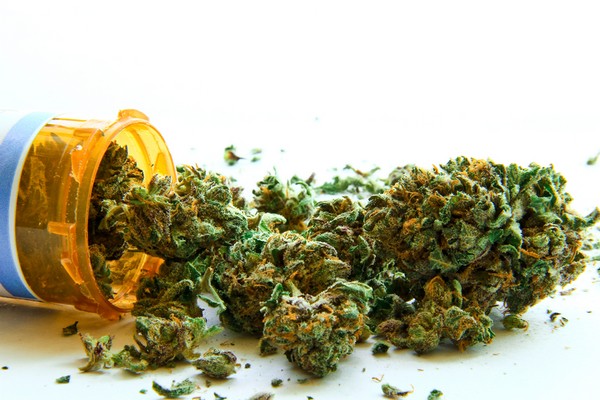
Australian medicinal cannabis sales fell 28.5% in the second half of 2025 compared to the first half of the year, according to new data released by the Penington Institute in April 2026, marking the first significant drop in sales recorded since the country’s medicinal cannabis framework was introduced in 2016.
Data obtained by the Penington Institute from the Australian Department of Health, Disability and Aging through a freedom of information request shows sales peaked at 3.72 million units in the second half of 2024 and remained at 3.70 million units in the first half of 2025, before falling to 2.65 million units in the second half of the year. The decline followed a period of particularly significant growth in late 2023 and 2024, driven by increasing scrutiny from regulators and medical organizations over prescribing practices.
The Penington Institute attributes the reversal largely to a stepped-up enforcement campaign that has unfolded on multiple regulatory fronts since 2023. The Therapeutic Goods Administration banned the importation, advertising and supply of medicinal cannabis in 2023, and then issued millions of dollars in fines to non-compliant companies. The Australian Health Practitioner Regulation Agency published new clinical guidance for prescribers in July 2025 and, by mid-2025, had taken enforcement action against more than 50 doctors, with further investigations underway. Ahpra also issued explicit warnings warning health officials to prioritize patient well-being over profits.
The enforcement push was in response to documented concerns about high-volume, commercially driven prescriptions, some clinics conducting very brief clinical consultations, illegally advertising the drug to the public, failing to check real-time prescription monitoring systems, and using closed-loop business models in which medical cannabis brand companies also ran clinics prescribing their own products.
A wider TGA review of the patient access framework is ongoing. As of early April 2026, no reform recommendations have been announced. The Penington Institute’s report warns against major restrictions on patient access, the therapeutic benefits the drug provides to a large number of Australian patients, the lack of clear evidence linking medicinal cannabis to significant public health harm, and the presence of a robust illicit market that would absorb patients who would not be able to access legal avenues if access were restricted.
The report also points to product compliance testing as an area where existing standards are not applied consistently. Australian quality standards cover all medicinal cannabis products, but the TGA does not check compliance before the products reach patients, only conducting limited post-market risk-based testing, the results of which are not published. The issue is particularly relevant given that almost two-thirds of the flower volume sold in Australia in 2024 was imported, with some countries of origin maintaining lower regulatory standards than Australia. In April 2024, the TGA confirmed that it had not carried out tests on imported products in the previous 12 months.
The full Pennington Institute report, Medicinal Cannabis Sales and Regulatory Enforcement, can be seen here
Cannabis News
Trump Pushes Congress To Keep Full-Spectrum CBD Legal While Restricting Hemp Products That Pose ‘Health Risks’
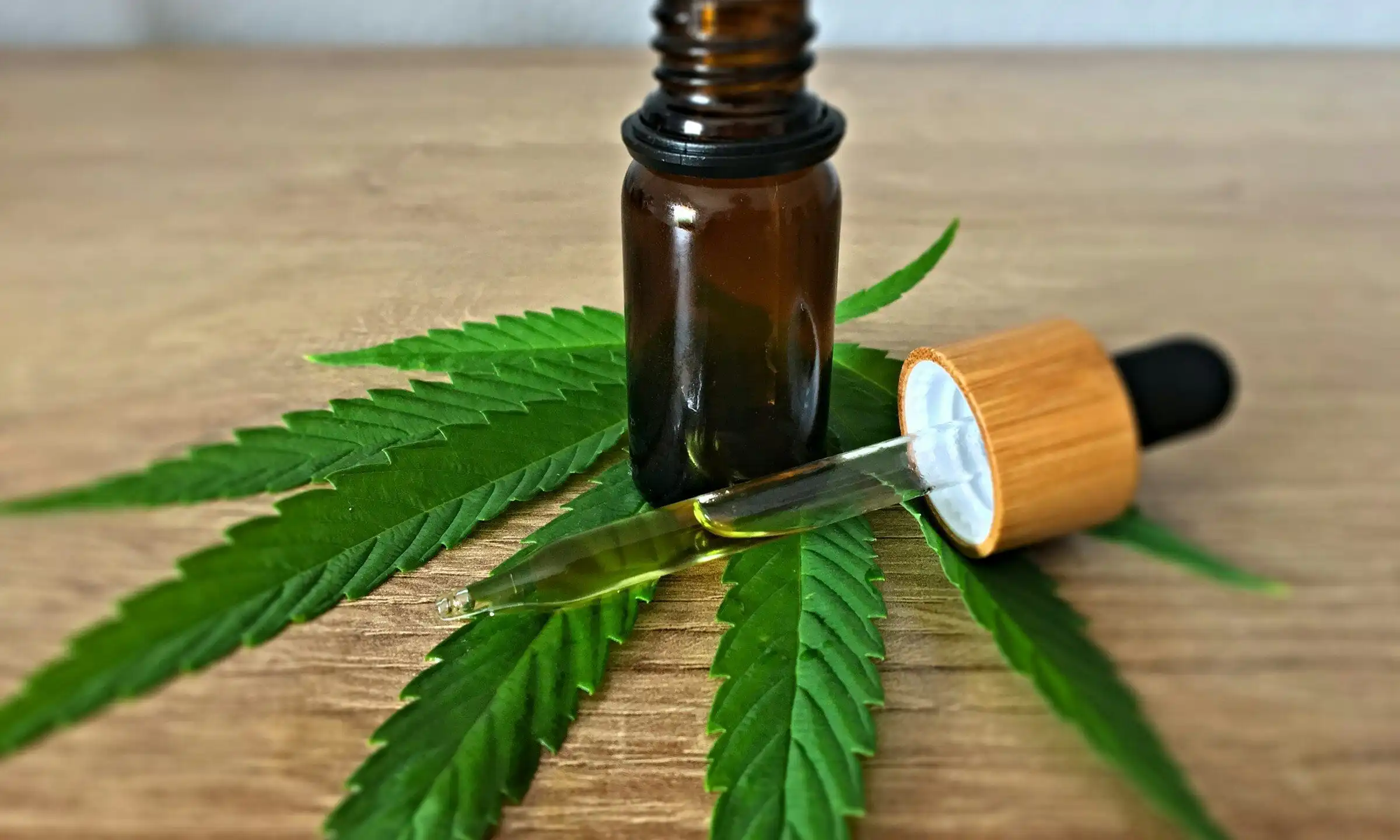
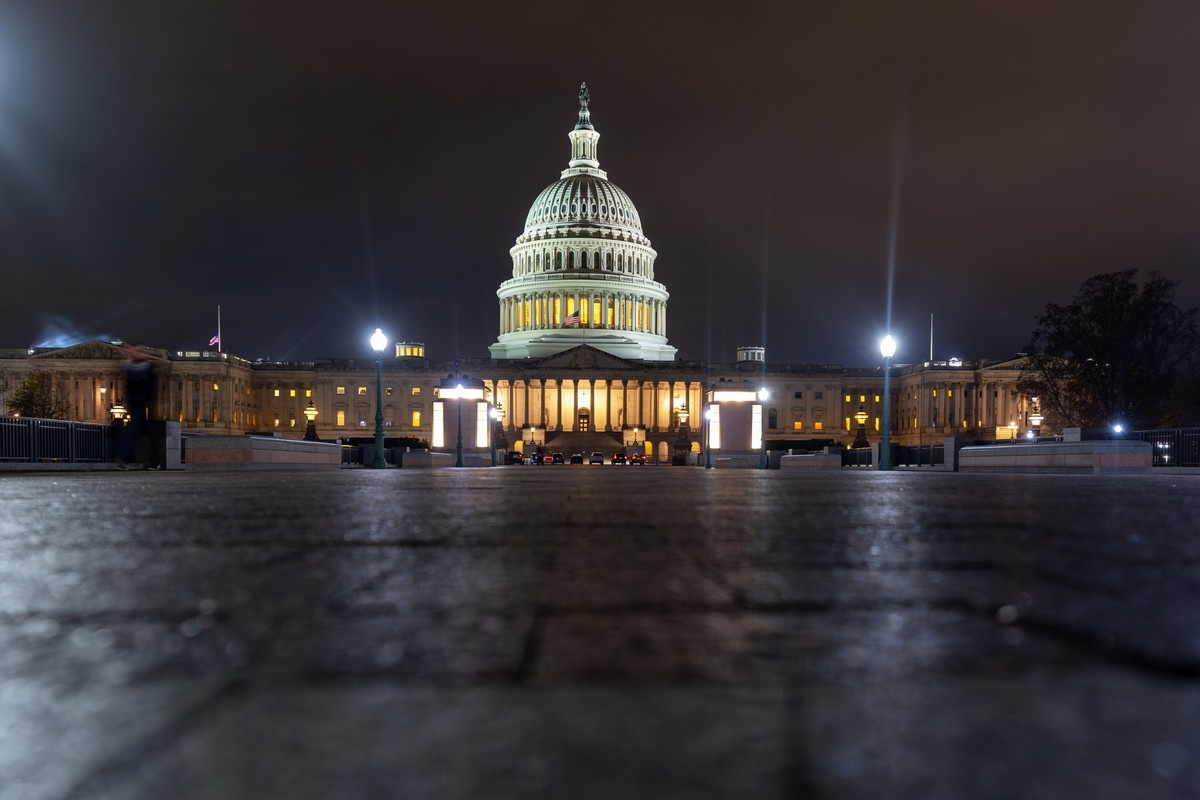
Cannabis Caucus Co-Chairs Ilhan Omar (D-MN) and Dina Titus (D-NV) yesterday introduced the Higher Education Marijuana Research Act to remove barriers to academic cannabis research, protect universities and researchers, and promote the responsible study of marijuana.
“As Chair of the Congressional Cannabis Caucus, I am proud to support the Higher Education Marijuana Research Act, which removes outdated federal barriers that have long prevented universities from conducting critical cannabis research. This legislation protects universities and researchers while removing barriers so they can make better public health decisions,” said Congressman Ilhan Omar.
“The legal and responsible use of cannabis in Nevada has been an important economic driver across the country and deserves further investigation,” said Congressman Titus. “The Higher Education Marijuana Research Act would eliminate outdated federal restrictions that prevent universities and researchers from studying the full range of cannabis products that Americans actually use.”
Although 40 states have legalized medical marijuana and 24 states have legalized it for recreational use, federal law continues to impose significant barriers that limit meaningful research. Cannabis remains subject to restrictive federal controls that dictate who can conduct research, what products can be studied, and how studies are designed. Researchers are often limited to federally licensed cannabis that does not reflect the potency or variety available in state legal markets. Compounding these challenges, researchers must navigate stringent compliance requirements and uncertainty about legal liability. These obstacles have delayed clinical trials, limited understanding of long-term health effects, and left critical gaps in knowledge.
“It makes no sense for the federal government to interfere with this research when millions of Americans are already using marijuana, whether for medical or recreational purposes,” said Congressman Titus.
The Higher Education Marijuana Research Act is supported by the National Organization for Reform of Marijuana Laws (NORML), the National Cannabis Industry Association, the Drug Policy Alliance, and the UNLV Cannabis Policy Institute.
“This legislation is needed more than ever as states continue to allow cannabis for medical and adult use. Even if cannabis is federally reclassified in the near future, there will be significant hurdles for scientists hoping to add to the existing research pool, especially when conducting clinical trials on health effects and examining state-regulated products. The bill moves forward again and calls on Congress to take immediate action to facilitate research, develop new medical treatments, to inform evidence-based policy and help consumers make informed choices,” said Morgan Fox, Policy Director of the National Organization for Reform of Marijuana Laws (NORML).
“The American public has made it clear that it wants access to safe, regulated, and tested cannabis products, and state legal markets continue to evolve to meet that demand. However, federal barriers have long limited researchers’ ability to study hemp in ways that reflect real-world conditions. The Higher Education Marijuana Research Act is a practical step toward expanding credible, real-world research by providing clarity and protection for NCIA universities. Supporting this legislation will help strengthen the industry’s scientific foundation. and will help better inform policymakers, regulators and consumers,” said Brooke Gilbert, Chief Operating Officer of the National Cannabis Industry Association.
“The Higher Education Marijuana Research Act is common-sense legislation that will help researchers better understand the types of cannabis produced in state-regulated markets. The bill will remove a major barrier that currently prevents scientists from learning more about state-regulated cannabis and its public health implications. Increasing the body of scientific evidence with better-informed research, increasing the body of scientific evidence with more informed research, evidence-based policy anyone who should leave,” he said. Drug Markets and the Legal System.
“Everyone, from members of Congress on both sides of the aisle to the scientific community to the current and previous presidential administrations, has stated that cannabis research is necessary and important. This is the one issue that almost everyone can agree on these days, but not much progress is being made to reduce the current barriers to cannabis research. Congressman Titus’ bill has always been a common sense pro-cannabis research. Cannabis reform, it is only fitting that UNLV Cannabis Policy lead the charge now. The Institute applauds his efforts and hopes others will do the necessary work to reduce current barriers to cannabis research that only serve to maintain outdated prohibition-era policies,” said Riana Durrett, director of the UNLV Cannabis Policy Institute.
Source: Representative Ilhan Omar’s office

Marijuana Retail Report

Australian medicinal cannabis sales fall nearly 30% in second half of 2025

Trump Pushes Congress To Keep Full-Spectrum CBD Legal While Restricting Hemp Products That Pose ‘Health Risks’

Trump Administration Moves State-Licensed Medical Marijuana to Schedule III

Modified Grapes Live Rosin Dabs

The B Block of Cannabis Coast to Coast News with Alaina Pinto; States: Nevada, Arizona, Ohio, NJ, VA

❌Stoner Stereotypes Are All WRONG!

CANNABIS IN AFRICA | DARIN HICKMAN [economic development]

Could Colorado Legalize THC Beverages In Bars And Restaurants?

US Representatives introduce the Higher Education Marijuana Research Act

“Our system can manage equipment across 10,000+ m² using just a few wires”

Florida Workshop to Discuss What Constitutes a ‘Cartoon’ in Hemp Packaging

Mazar-i-Sharif Hash Wednesday

From Finance to Wellness: Brad Zerman’s Impactful Pivot

Re-release of the full show of Cannabis Coast to Coast news. Republican Texas DA Fires Up vs. laws;

Weak Michigan Cannabis Sales Again in July – New Cannabis Ventures

DEA’s Cole Reverses His “priorities” ; Prohibitionists Dig In; Dead & Co Celebrates 60 years in SF

Your Cannabis Business: Consistent Filings Are Critical

Afghan Black Hash Wednesday

New Hampshire Governor Says Federal Marijuana Rescheduling Won’t Change Her Opposition To Legalization
-
 Cannabis News8 months ago
“Our system can manage equipment across 10,000+ m² using just a few wires”
-
 Florida8 months ago
Florida Workshop to Discuss What Constitutes a ‘Cartoon’ in Hemp Packaging
-
 Video7 months ago
Mazar-i-Sharif Hash Wednesday
-
 Video8 months ago
From Finance to Wellness: Brad Zerman’s Impactful Pivot
-
 Video8 months ago
Re-release of the full show of Cannabis Coast to Coast news. Republican Texas DA Fires Up vs. laws;
-
 aawh8 months ago
Weak Michigan Cannabis Sales Again in July – New Cannabis Ventures
-
 Video8 months ago
DEA’s Cole Reverses His “priorities” ; Prohibitionists Dig In; Dead & Co Celebrates 60 years in SF
-
 Best Practices8 months ago
Your Cannabis Business: Consistent Filings Are Critical