
Cannabis News
Arizona Senators Approve Measures To Criminalize ‘Excessive’ Marijuana Smoke Or Odor

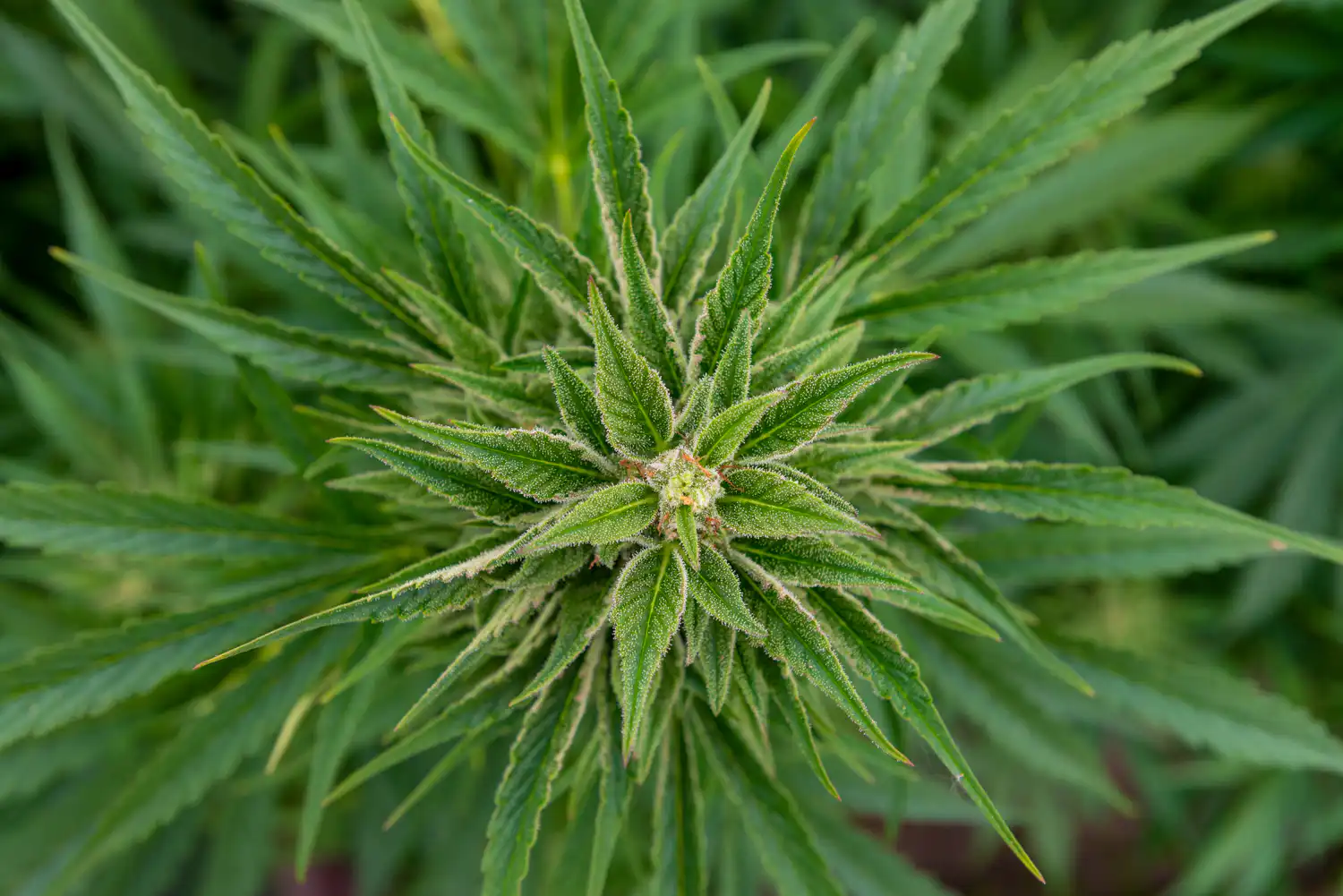
Arizona senators have passed a couple of measures make the act of creating an “excessive” amount of marijuana smoke or odor a criminal nuisance punishable by jail time.even if the person is using cannabis in their own home in compliance with state law.
Despite concerns about weakening the will of voters who voted to approve legalization and concerns about enforceability and ambiguity about what constitutes “excessive” marijuana smoke, members of the Senate Judiciary and Elections Committee on Friday approved the bill and a joint resolution to put the issue on the table by votes of 5-2 and 4-3, respectively.
The legislation by Sen. JD Mesnard (R) was amended during the hearing to provide a clearer definition of “excessive” smoking and remove the reference to making the offense a “felony.” However, some members still argued that the measures lack clarity and will continue to threaten criminalization, making the offense a Class 3 felony, punishable by up to 30 days in jail, a maximum fine of $500 and a year of probation.
The revised definition of excessive cannabis smoke or odor describes “what a person is able to detect on another person’s private property.”
The law states that excessive production of marijuana smoke or odor is “injurious to health, unreasonable, offensive to the senses, and interferes with the comfortable enjoyment of life or property and is a public nuisance.”
Mesnard said he decided to push the issue “based on personal experience” with his neighbors, “as well as hearing from other people that people can do what they want on their private property, but on other people’s private property, their homes no less, that’s when it starts to become another problem.”
“I can say that it was regrettable for me that I didn’t have to have conversations with my four-year-old, maybe because of what’s going on in some houses down in my neighborhood, there was such a strong smell and smoke coming from the road,” he said. “If it’s important to you to play, there are a lot of ways to do it without affecting the neighbors around you, so it’s easy.”
Several citizens testified against the proposals, arguing that the state’s legalization law would unfairly restrict adults’ right to use cannabis and make it difficult to challenge in court allegations of excessive smoke or odor, for example.
The ACLU of Arizona also expressed opposition to the measure, saying a representative said it would “undermine the intent of the voters” and that the issue of smoking and public odor has already been addressed by the courts, stating that “the mere smell of marijuana no longer automatically establishes criminal activity.”
“SCR 1048 and the mirror bill (SB 1725) Relying on subjective assessments like excessive marijuana smell opens up enforcement to the kind of discretionary judgments that research on bias shows leads to disparities and outcomes,” they said. “This leads to equal protection violations and arbitrary enforcement.”
—
It’s Marijuana Time tracking hundreds of cannabis, psychedelic and drug policy bills in state legislatures and Congress this year. Patreon supporters by pledging at least $25/month, you’ll get access to our interactive maps, charts, and audio calendars so you never miss a development.
Learn more about our marijuana bill tracking and become a Patreon supporter to gain access
—
On the back of this law, anti-cannabis activists are working to place an initiative on the state’s November ballot. significantly rolling back the voter-approved marijuana legalization law.
A GOP congressman recently said he would like his state to take such a measure, but he also admitted that. President Donald Trump’s recent federal scheduling order could complicate that prohibitionist push.
Under the proposal, possession would be legal if voters chose to enact the initiative — and Arizona’s medical marijuana program would remain in place — but it would shut down the commercial recreational cannabis market that has evolved since voters approved a measure to legalize adult use in 2020.
According to a section of the latest initiative’s findings, “the proliferation of marijuana establishments and recreational marijuana sales in this state has created unintended consequences and negative consequences for the public health, safety, and welfare of Arizonans, including increased marijuana use among children, environmental concerns, increased demand on water resources, public nuisance, illegal market activity, and market instability.”
“Sales of legal marijuana in Arizona have declined for two years in a row, resulting in less tax revenue for the state, and some patients relying on recreational marijuana use instead of taking advantage of the benefits of the state’s medical marijuana program,” he says.
The initiative would instruct the legislature to make appropriate changes, also by amending the existing statute as it pertains to the commercial industry, including tax and advertising regulations.
To vote, the campaign must collect 255,949 valid signatures by July 2nd. If the proposal goes to the voters and is approved, it would take effect in January 2028.
It remains to be seen whether there will be any desire for repeal among voters, as 60% of voters approved legalization on the ballot in 2020.
Even more last year’s poll found majority support for medical cannabis legalization (86 percent), adult-use legalization (69 percent), and banking reform (78 percent).
Max Jackson’s photo.
Marijuana Moment is made possible with the help of readers. If you rely on our pro-cannabis journalism to stay informed, consider a monthly Patreon pledge.








Cannabis News
Transportation Groups Warn Feds Of Marijuana Rescheduling’s ‘Consequences’ For Drug Testing Of Truck Drivers And Pilots

The full show from week of 5-20-24 of Weed Talk News with Alaina Pinto

PAPA & BARKLEY CANNABIS | GUY ROCOURT

Marijuana Retail Report

Maximizing cannabis yields with intercanopy and subcanopy lighting

Transportation Groups Warn Feds Of Marijuana Rescheduling’s ‘Consequences’ For Drug Testing Of Truck Drivers And Pilots

DEA Argues in Favor of Moving Cannabis to Schedule III

Cannabis Contest Reporter Tara Rosenblum from News 12 on Weed Talk News 1vs1 with PCM’s Jimmy Young

NEXT GEN CANNABIS ENTREPRENEUR | ZEKE THOMAS

Experts say THC percentage is the wrong way to shop for cannabis

DOJ Marijuana Lawsuit Filing Cites Drug Testing Industry And Pharma Company ‘Pocketbook Interests’ In Opposing Rescheduling

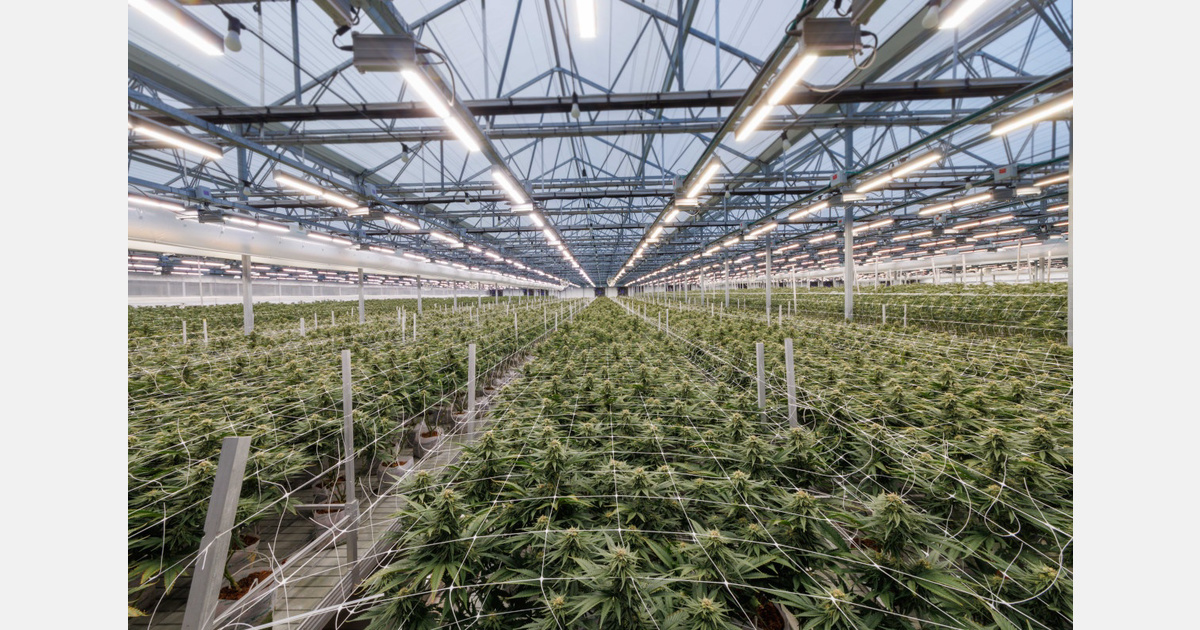
“Our system can manage equipment across 10,000+ m² using just a few wires”

Florida Workshop to Discuss What Constitutes a ‘Cartoon’ in Hemp Packaging

Mazar-i-Sharif Hash Wednesday

Afghan Black Hash Wednesday

Weak Michigan Cannabis Sales Again in July – New Cannabis Ventures

From Finance to Wellness: Brad Zerman’s Impactful Pivot

Re-release of the full show of Cannabis Coast to Coast news. Republican Texas DA Fires Up vs. laws;

DEA’s Cole Reverses His “priorities” ; Prohibitionists Dig In; Dead & Co Celebrates 60 years in SF

Your Cannabis Business: Consistent Filings Are Critical

Curaleaf Q2 Revenue Falls 8% – New Cannabis Ventures
-
 Cannabis News10 months ago
“Our system can manage equipment across 10,000+ m² using just a few wires”
-
 Florida11 months ago
Florida Workshop to Discuss What Constitutes a ‘Cartoon’ in Hemp Packaging
-
 Video9 months ago
Mazar-i-Sharif Hash Wednesday
-
 Video9 months ago
Afghan Black Hash Wednesday
-
 aawh11 months ago
Weak Michigan Cannabis Sales Again in July – New Cannabis Ventures
-
 Video11 months ago
From Finance to Wellness: Brad Zerman’s Impactful Pivot
-
 Video11 months ago
Re-release of the full show of Cannabis Coast to Coast news. Republican Texas DA Fires Up vs. laws;
-
 Video10 months ago
DEA’s Cole Reverses His “priorities” ; Prohibitionists Dig In; Dead & Co Celebrates 60 years in SF