
Cannabis News
Trump Administration ‘Very Anxious’ To Allow Psychedelic Therapy ‘As Quickly As Possible,’ RFK Tells Joe Rogan

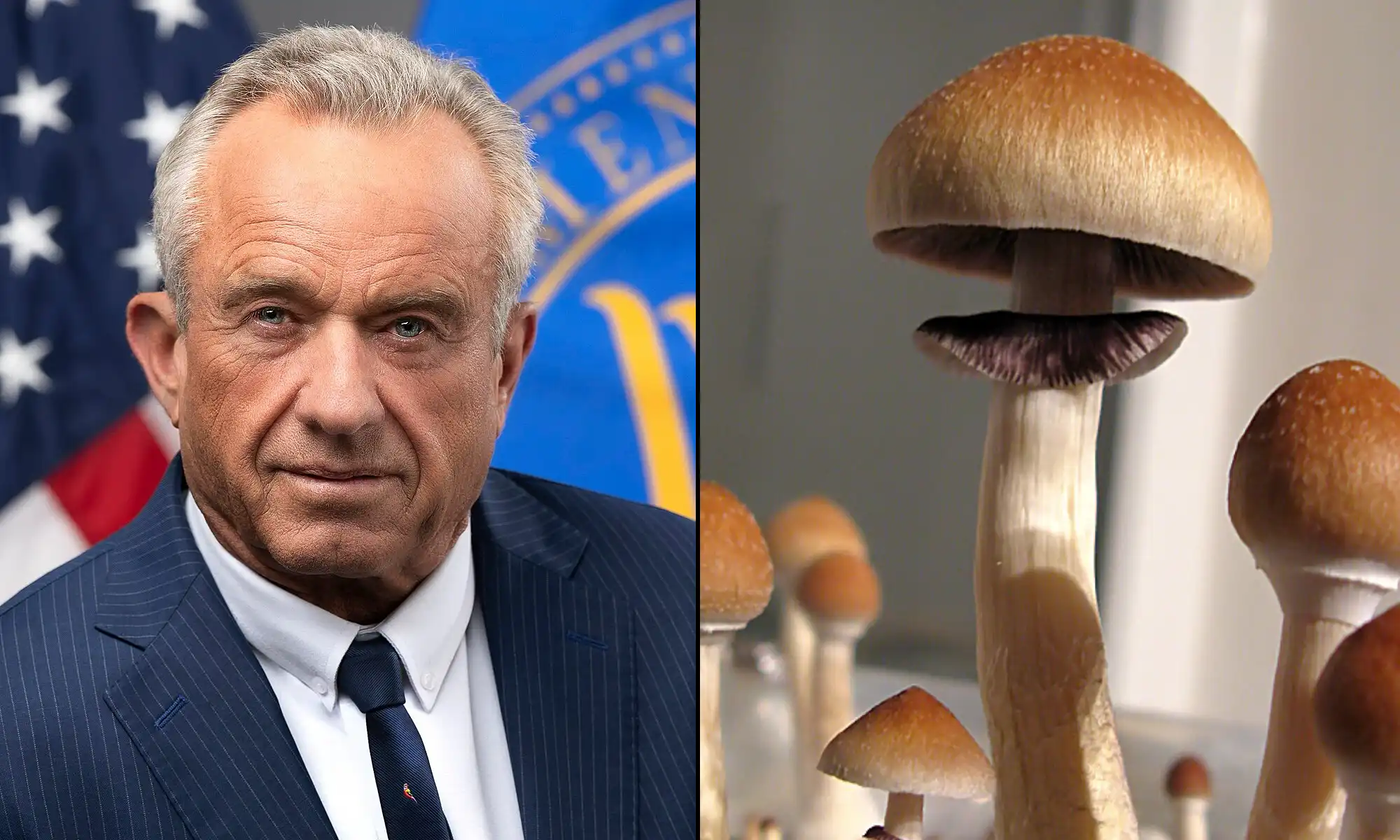
The Trump administration is “very eager” to create a pathway for access to psychedelic therapy, Robert F. Kennedy Jr. According to the secretary of the US Department of Health and Human Services (HHS), and senior officials of federal agencies want to “communicate to the public as soon as possible.”
In an interview on the Joe Rogan Experience podcast released Friday, Kennedy said he’s confident “we’re going to get it,” with plans to develop and finalize rules that would allow patients with conditions like post-traumatic stress disorder (PTSD) and depression to access psychedelic substances like psilocybin and MDMA in a “very controlled environment.”
The secretary has been noted for his advocacy of psychedelic reform, an idea he floated as a 2024 Democratic presidential candidate before ultimately becoming the nation’s top health official under the Trump administration.
The president himself has been silent on the issue, but as Kennedy points out, support for expanding access to research and new therapeutics extends beyond HHS, with the heads of the US Department of Veterans Affairs (VA), the Food and Drug Administration (FDA) and the National Institutes of Health (NIH) also looking to take advantage of the potential benefits of psychedelic drugs.
“Everybody in my agency, and in (Secretary Doug Collins’) agency at the VA, is very eager to get a rule that will allow these types of studies and allow them to go into therapeutic settings, particularly for military personnel who have suffered these injuries to have access to these products,” Kennedy said. “We are working on that process now. We are all working and trying to make it happen.”
“I think we’ll make it.”
While some of the reform proposals being considered would be designed to “encourage more clinical trials” while having “very strong guidelines,” the health secretary said the agencies are interested in the full range of options that could include psychedelic therapies and other “rapid interventions.” One of Kennedy’s personal goals would be to validate the utility of substances like psilocybin over SSRIs for depression.
“We’re looking at that as a whole category of interventions that people should be able to look at and have appropriate access to, and we should roll it out as quickly as possible,” he said.
“This is what we’re anticipating, so I can’t tell you exactly what we’re going to do, but very, very strong therapeutic guidelines, so how they’re applied, what kind of follow-up. Because a lot of these things rewire the brain. If you don’t follow-up, it doesn’t work, or you have a failure rate. So we’re developing all of those things and I think we’re developing protocols. People in the administration are eager to do that as soon as possible. I know Doug Collins is doing 21 studies at the VA that they are doing, that they are very promising.
“You need those guidelines because you don’t want to do the Wild West. You can have horror stories overnight because some people can have very, very bad experiences,” Kennedy said. “We’re looking at ways to do it so it’s in a very controlled environment.”
Asked to expand on how Rogan sees the future of psychedelic therapies and whether it will include people in the military or other non-frontline roles, the secretary said he would “personally” like to see broad access, but “we have to take baby steps because you don’t want to create a situation where people want to get hurt.”
However, “you shouldn’t have a soldier who has given everything for the country, who has suffered terribly, who has come to Tijuana to receive these treatments, leave our country to receive treatments,” he said. “It doesn’t make sense.”
“I’ve seen so much overwhelming anecdotal evidence,” Kennedy said, emphasizing that one of his relatives has benefited from psychedelic therapy“but also clinical studies that verify the effect.” And officials at agencies like the NIH and FDA are “doing everything they can to make that happen.”
Rogan’s podcast interview comes a month after the release of a book by a reporter who allegedly had a romantic relationship with Kennedy, in which, as a presidential candidate, Kennedy still used psychedelics like DMT for “fun” and hid his drug use from his wife.
Meanwhile, in November, Kennedy, Vice President JD Vance, FDA Commissioner and other Trump administration officials attended the “Make America Healthy Again” summit. it was a session dedicated to studying psychedelic medicine.
In June, Kennedy said that his agency “Fully committed” to expanding research into the benefits of psychedelic therapy. and, along with the head of the FDA, aims to give military veterans legal access to these substances “within 12 months.”
The secretary also said that in April He had a “wonderful experience” with LSD at the age of 15He took it because he thought they would be able to see dinosaurs, as depicted in a comic he was a fan of.
Last October, Kennedy specifically criticized the FDA under the previous administration for the agency’s “eradication of psychedelics” and a laundry list of other issues that he said was a “war on public health” that would end under the Trump administration.
Marijuana Moment is made possible with the help of readers. If you rely on our pro-cannabis journalism to stay informed, consider a monthly Patreon pledge.











Dalgety Ltd has entered into a partnership with Curaleaf Laboratories to supply pharmaceutical grade cannabis medicines to the UK cannabis market. The arrangement combines Dalgety’s cultivation operations, which are certified to EU-GMP standards, with Curaleaf Laboratories’ pharmaceutical manufacturing and distribution capabilities. According to the companies, this creates a UK-based supply route that does not rely on imported cannabis flowers, as Dalgety cultivates its product in-house. Dalgety claims it was the first company in the UK to grow, manufacture and supply EU-GMP medical cannabis from a single site.
 © Curaleaf Laboratories
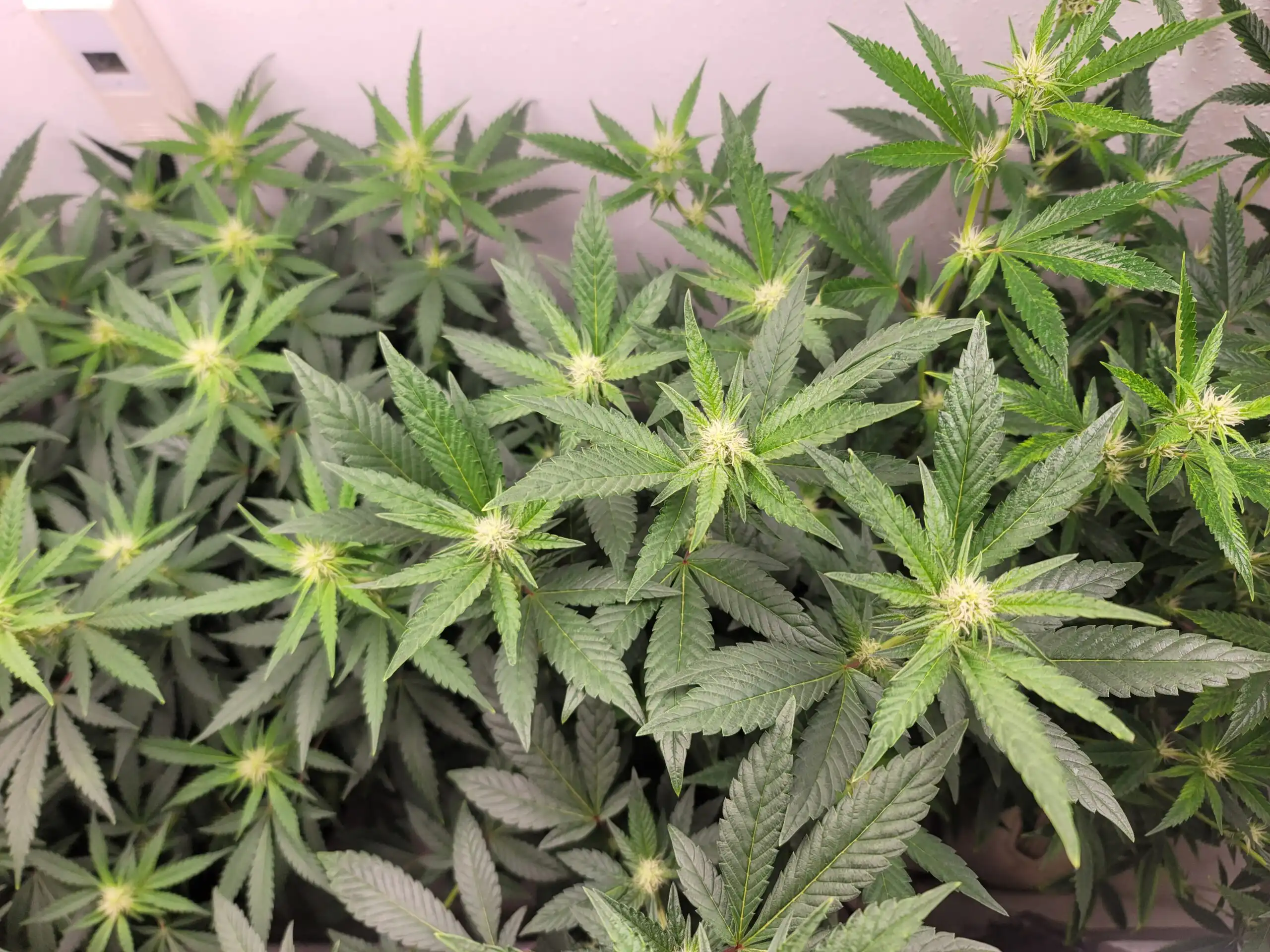
The growing facility, which is more than 30,000 square feet, is located indoors and uses hydroponic growing methods along with automated lighting, irrigation, humidity and temperature control systems. The company reports that it uses AI-assisted environmental monitoring, which extends the traceability of batches to the final product and compares them to operating standards for air filtration systems. Post-harvest processing is said to follow EU-GMP protocols, including microbial and cannabinoid testing.
The stated goal of this approach is to reduce between-harvest variation in terms of THC and CBD content, terpene profiles, and microbial safety. Dalgety says his cultivation is overseen by staff with experience in horticulture and biochemistry, some of whom have worked on cannabis cultivation projects internationally.
Through a partnership with Curaleaf Laboratories, Dalgety’s UK-grown cannabis is processed and distributed through a UK-based supply chain, rather than imported from overseas. Companies suggest that this arrangement can shorten the time it takes to get products to market compared to importing, and reduce the likelihood of supply disruptions. Because Dalgety and Curaleaf Laboratories are involved in cultivation, manufacturing and distribution, the companies say this oversees the product at every stage, making it clearer for prescribers to see where and how the product was made.
 © Curaleaf Laboratories
Dalgety operates to EU-GMP standards and has been subject to regulatory review by the MHRA and the Home Office. Its operations include environmental monitoring, microbial testing, stability testing, controlled drying and curing procedures and quality assurance processes, along with controlled and secure facilities.
The company describes its work as controlled environment farming, hydroponic systems, environmental control technology, and efforts to stabilize cannabis genetics and phenotypes for batch-to-batch consistency.
 © Curaleaf Laboratories
Dalgety has also opened its cultivation facilities for visits to healthcare professionals, clinicians, pharmacists, researchers and other industry stakeholders. The company says this is in response to the fact that much of the cannabis historically supplied to UK patients has been grown overseas, which has limited opportunities for UK clinicians to see first-hand the cultivation and quality control processes. These tours aim to provide visitors with information on cultivation standards, EU-GMP compliance procedures, environmental control systems, testing processes and the regulatory framework governing cannabis manufacturing in the UK.
Dalgety and Curaleaf Laboratories describe their partnership as expanding access to UK-grown medical cannabis, improving supply chain reliability and helping to meet sector regulations, placing it in the wider context of growing demand for cannabis-based treatments from UK patients.
For more information:
Curaleaf Laboratories
Email: (email protected)
https://curaleaflaboratories.co.uk/
Cannabis News
Arkansas GOP Governor And Democratic Challenger Agree On Opposing Marijuana Legalization
Cannabis News
Will the top World Cup expert in the fruit, vegetable, and horticulture sector come from Canada, the U.S. or Belgium?

FreshPublishers 2026 World Cup Group Stage
The World Cup is coming to an end, with the third-place play-off between France and England on Saturday, and the final between Spain and Argentina the following day. It won’t be long until the grand winner of FreshPublishers’ first World Cup pool is revealed.
 © Fresh Publishers
As previously reported, Slim Kooli from Courchesne Laros is the favorite to win the €1,000 prize. He has secured a comfortable lead over Nol Batist of North American Interstate Greenhouse Company, while buyer Bjorn Van Ryckeghem of Deprez Construct is currently in third place.
| 1 | Sim School | Spain | 1–0 | 2–1 | 737 | 9716 | |
| 2 | Nol Batist | France | 2–1 | 1–1 | 674 | 9433 | |
| 3 | Bjorn Van Ryckeghem | France | 2–2 | 3–1 | 674 | 9264 | |
| 4 | Christian Anton Smedshaug | England | 1–2 | 1–2 | 659 | 9134 | |
| 5 | Perry Springintveld | Spain | 1–1 | 2–1 | 647 | 9105 | |
| 6 | Willem Tijssen | Spain | 2–0 | 2–1 | 710 | 9098 | |
| 7 | Hans Borsboom | Spain | 2–1 | 2–1 | 528 | 9058 | |
| 8 | Bart Triemstra | Spain | 2–1 | 2–1 | 737 | 9052 | |
| 9 | Youness Bensaid | Spain | 2–1 | 1–1 | 722 | 8954 | |
| 10 | Vijay Dijkstra | Portugal | 2–0 | 2–1 | 382 | 8953 |
However, there have been some surprises during the tournament, and bonus points must be added, so we will keep the suspense a little longer. On Monday we will find out who is the main World Cup announcer in the international fruit, vegetable and horticulture sector…

BREAKING NEWS DEA RESCHEDULES CANNABIS TO SCHEDULE 3!

ASK ME ANYTHING | MONTEL

Marijuana Retail Report

Redefining the standards of UK cannabis

Arkansas GOP Governor And Democratic Challenger Agree On Opposing Marijuana Legalization

Michigan Cannabis Brand Forced to Close After Investigation Finds Inventory Discrepancies, Out-of-State Transport

The C Block…more 420 recaps on Weed Talk News …recorded 4_29_24

PART 1 TAKING A KNEE | NATE BOYER

Marijuana Retail Report

Will the top World Cup expert in the fruit, vegetable, and horticulture sector come from Canada, the U.S. or Belgium?

“Our system can manage equipment across 10,000+ m² using just a few wires”

Mazar-i-Sharif Hash Wednesday

Florida Workshop to Discuss What Constitutes a ‘Cartoon’ in Hemp Packaging

Afghan Black Hash Wednesday

From Finance to Wellness: Brad Zerman’s Impactful Pivot

Weak Michigan Cannabis Sales Again in July – New Cannabis Ventures

Re-release of the full show of Cannabis Coast to Coast news. Republican Texas DA Fires Up vs. laws;

DEA’s Cole Reverses His “priorities” ; Prohibitionists Dig In; Dead & Co Celebrates 60 years in SF

Texas DA Fires Up for Change! Mass. Sheriff arrested on Extortion charges; GOP vs Industry in state

Texas DA Partakes on Tik Tok to prove a point; Boston Sheriff arrested for Extortion of $ w/ Ascend
-
 Cannabis News11 months ago
“Our system can manage equipment across 10,000+ m² using just a few wires”
-
 Video10 months ago
Mazar-i-Sharif Hash Wednesday
-
 Florida11 months ago
Florida Workshop to Discuss What Constitutes a ‘Cartoon’ in Hemp Packaging
-
 Video9 months ago
Afghan Black Hash Wednesday
-
 Video11 months ago
From Finance to Wellness: Brad Zerman’s Impactful Pivot
-
 aawh11 months ago
Weak Michigan Cannabis Sales Again in July – New Cannabis Ventures
-
 Video11 months ago
Re-release of the full show of Cannabis Coast to Coast news. Republican Texas DA Fires Up vs. laws;
-
 Video11 months ago
DEA’s Cole Reverses His “priorities” ; Prohibitionists Dig In; Dead & Co Celebrates 60 years in SF