Cannabis News
One In Three Americans ‘Pre-Game’ With Marijuana Before Family Holiday Gatherings, Survey Finds

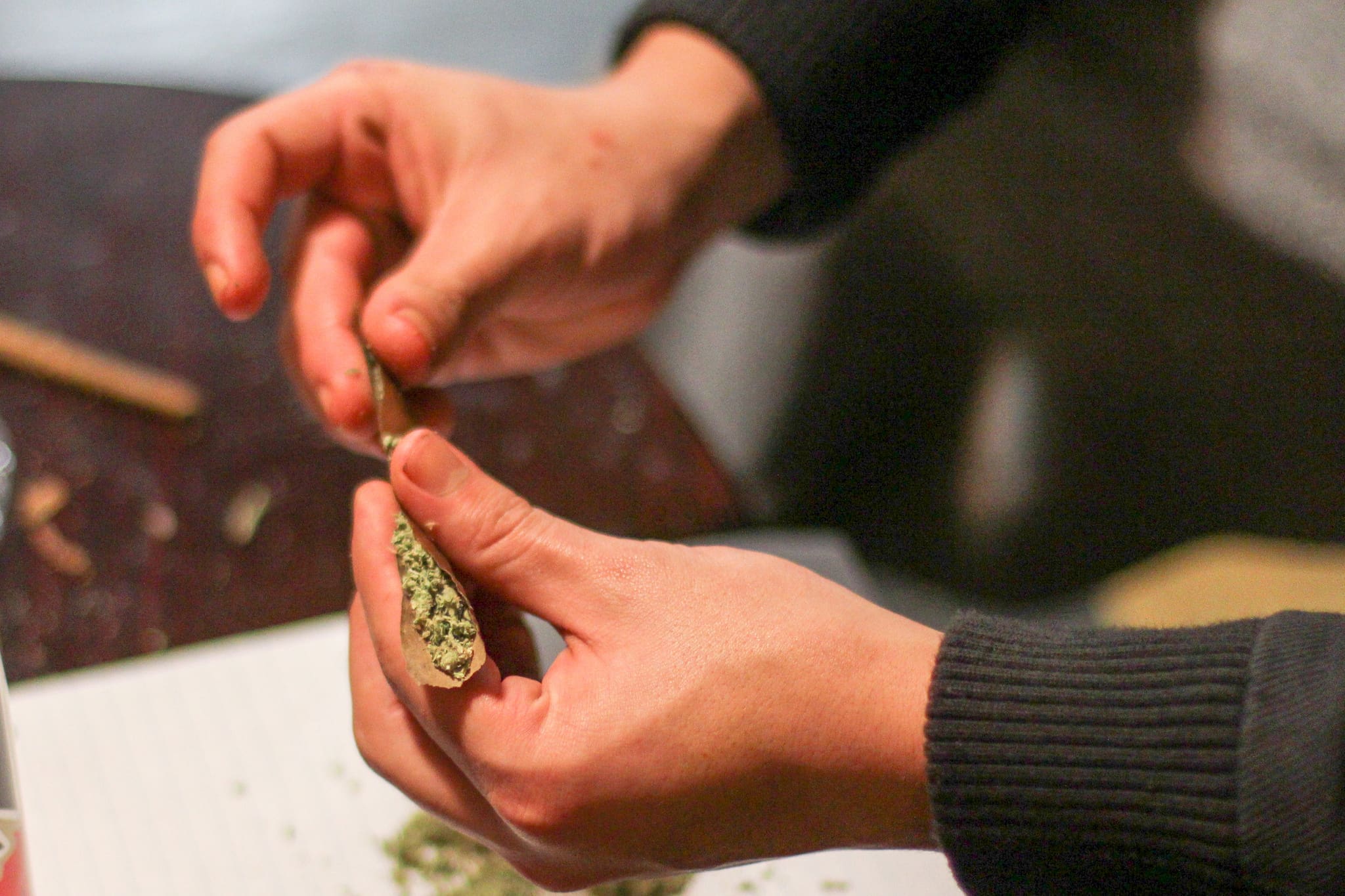









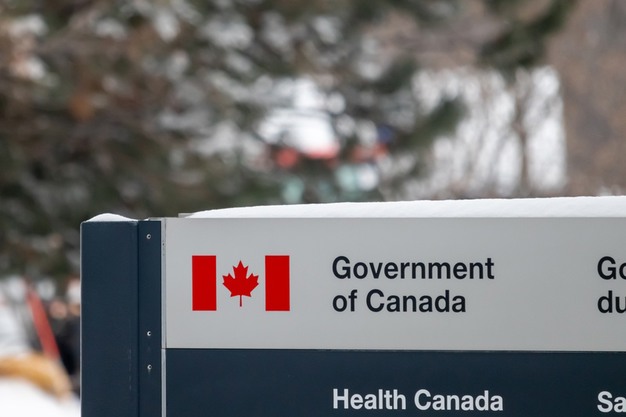
Health Canada has published a Notice of Intent to “simplify” the Industrial Hemp Regulation to “eliminate or reduce regulatory burden,” which could include removing the licensing requirement for certain industrial hemp activities, and is asking the industry what changes it wants to see before June 30, 2026.
The announcement acknowledges that “industry stakeholders have advocated for a new approach to regulating industrial hemp that treats it as an agricultural product” and that although industrial hemp and cannabis belong to the same plant family, “the productions and products resulting from the cultivation and processing of industrial hemp are completely different and pose very different risks.” CBD is “non-intoxicating,” the release states, and hemp “has less potential for public health harm and misuse and less public safety concerns compared to cannabis due to its extremely low THC levels.”
 © Colin Temple | Dreamstime
Under the current framework, industrial hemp is listed in Schedule 1 of the Cannabis Act along with high-THC cannabis, even if it contains 0.3% THC or less by weight in the flower heads and leaves. To cultivate, sell, import or export seeds or grains, clean seeds, process grains or grow hemp, operators need a separate license for each activity, plus a separate permit for each import or export shipment. Anyone licensed to cultivate the seeds must test the flower heads and leaves for THC concentration, and all cultivated varieties must appear on Health Canada’s List of Approved Crops. Imported seeds also require phytosanitary certification according to CFIA frameworks. Mature stems, non-viable seeds and their derivatives are already out of the field, sitting on tab 2.
The review calls for eliminating or reducing licensing requirements, removing the separate layer of import/export permits, cutting reporting obligations, revamping the List of Approved Crops, reducing or eliminating THC testing requirements and potentially changing the 0.3% THC definition itself. That said, Health Canada is clear that some controls are being left out, specifically to “prevent the illegal cultivation and diversion of cannabis disguised as industrial hemp into an illegal market,” and that international reporting obligations remain an “important consideration.” Extracting CBD from flower heads is also out of scope, as this requires a cannabis processing license under the Cannabis Regulations.
A separate cost-benefit questionnaire goes directly to current IHR licensees, and the responses feed into the regulatory Impact Analysis Statement required by Health Canada before any proposed amendment reaches the Canada Gazette.
Source: magazine.gc.ca
Cannabis News
Cannabis Advocacy Groups Push Congress For Legalization And Other Reforms Following Trump’s Rescheduling Move

Cannabis News
More cannabis companies join Texas medical marijuana program as list of potentials hits 15
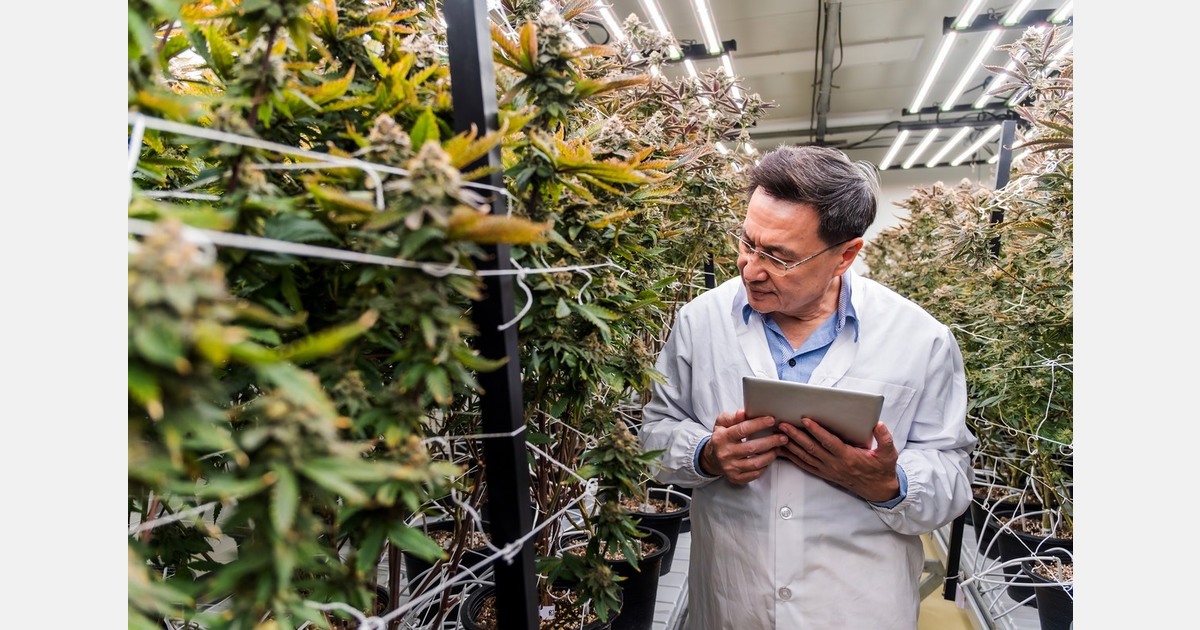
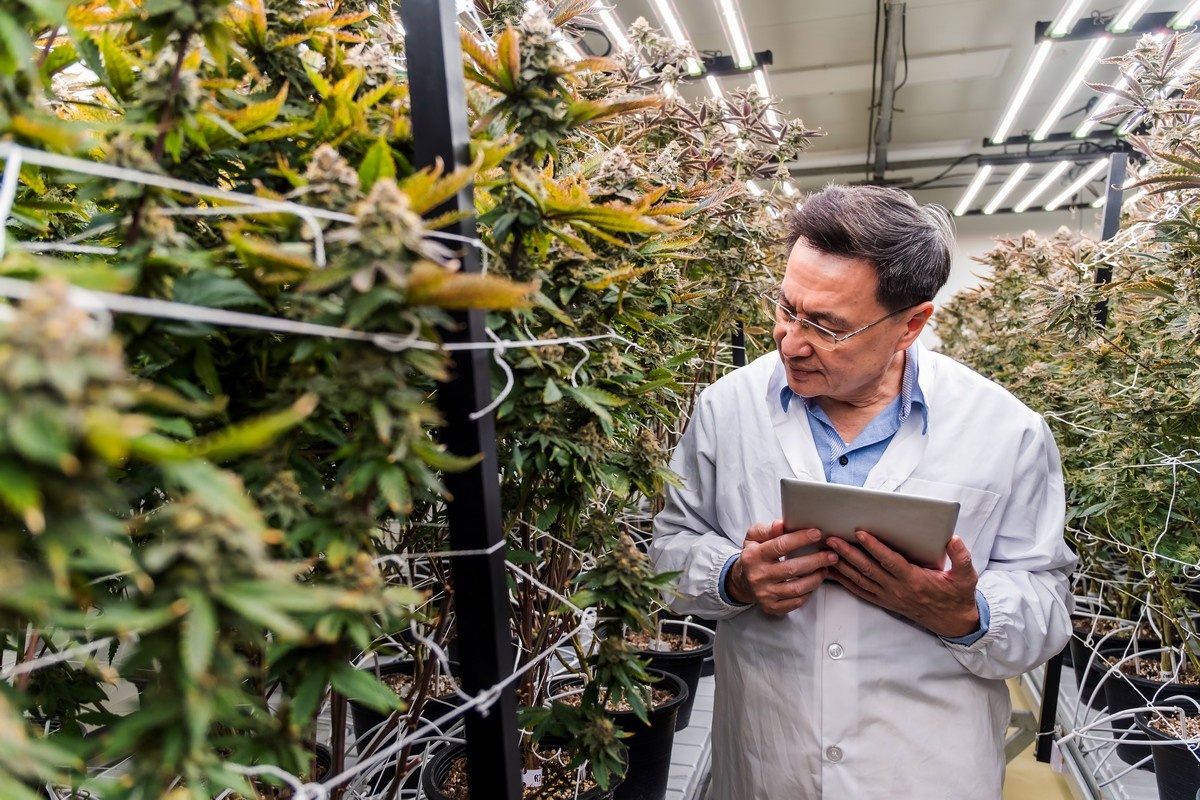
Texas public safety officials have tentatively approved a dozen cannabis providers to join the state’s medical marijuana program. It’s an important step in expanding access to medical cannabis, after lawmakers voted last year to grow the system from three licensed operators to 15, state officials said.
The companies selected cover nearly every corner of Texas, from the Dallas area and the Panhandle to the Rio Grande Valley and West Texas, reflecting what supporters hope will become a statewide network. Among the 12 suppliers selected to move forward in the final approval process are four companies added since December. Then the Texas Department of Public Safety, which oversees the “Compassionate Use Program,” released an initial list of nine conditionally accepted applicants.
When completed, the licenses will allow the companies, many of them based in Texas, to grow, manufacture, store and sell throughout the state.
“DPS will request additional information from these businesses and will not bill the distributor organization licensing fees until additional due diligence evaluations are completed and passed,” DPS officials said in a statement.
Read more at Dallas Morning News

Legalization vs. Decriminalization; Democrats vs. Republicans; Harris vs Trump; Weed Talk News

BUDDING MIND | BROOKE BURGSTAHLER

Marijuana Retail Report

Health Canada opens consultations to deregulate hemp

Earnings Keep Rolling As Reform Momentum Builds

Cannabis Advocacy Groups Push Congress For Legalization And Other Reforms Following Trump’s Rescheduling Move

WWE Hall of Famer and Professional Wrestler Rob Van Dam Launches CBD Product Line

National CBD Day! The B Block of Weed Talk News with Alaina Pinto;

40,000 INMATES

More cannabis companies join Texas medical marijuana program as list of potentials hits 15

“Our system can manage equipment across 10,000+ m² using just a few wires”

Florida Workshop to Discuss What Constitutes a ‘Cartoon’ in Hemp Packaging

Mazar-i-Sharif Hash Wednesday

Afghan Black Hash Wednesday

From Finance to Wellness: Brad Zerman’s Impactful Pivot

Re-release of the full show of Cannabis Coast to Coast news. Republican Texas DA Fires Up vs. laws;

Weak Michigan Cannabis Sales Again in July – New Cannabis Ventures

DEA’s Cole Reverses His “priorities” ; Prohibitionists Dig In; Dead & Co Celebrates 60 years in SF

Texas DA Fires Up for Change! Mass. Sheriff arrested on Extortion charges; GOP vs Industry in state

Your Cannabis Business: Consistent Filings Are Critical
-
 Cannabis News9 months ago
“Our system can manage equipment across 10,000+ m² using just a few wires”
-
 Florida9 months ago
Florida Workshop to Discuss What Constitutes a ‘Cartoon’ in Hemp Packaging
-
 Video8 months ago
Mazar-i-Sharif Hash Wednesday
-
 Video7 months ago
Afghan Black Hash Wednesday
-
 Video9 months ago
Re-release of the full show of Cannabis Coast to Coast news. Republican Texas DA Fires Up vs. laws;
-
 Video9 months ago
From Finance to Wellness: Brad Zerman’s Impactful Pivot
-
 aawh9 months ago
Weak Michigan Cannabis Sales Again in July – New Cannabis Ventures
-
 Video9 months ago
DEA’s Cole Reverses His “priorities” ; Prohibitionists Dig In; Dead & Co Celebrates 60 years in SF