
Cannabis News
Oklahoma Officials Say Medical Marijuana Businesses Must Register With Federal DEA To Avoid Punishment

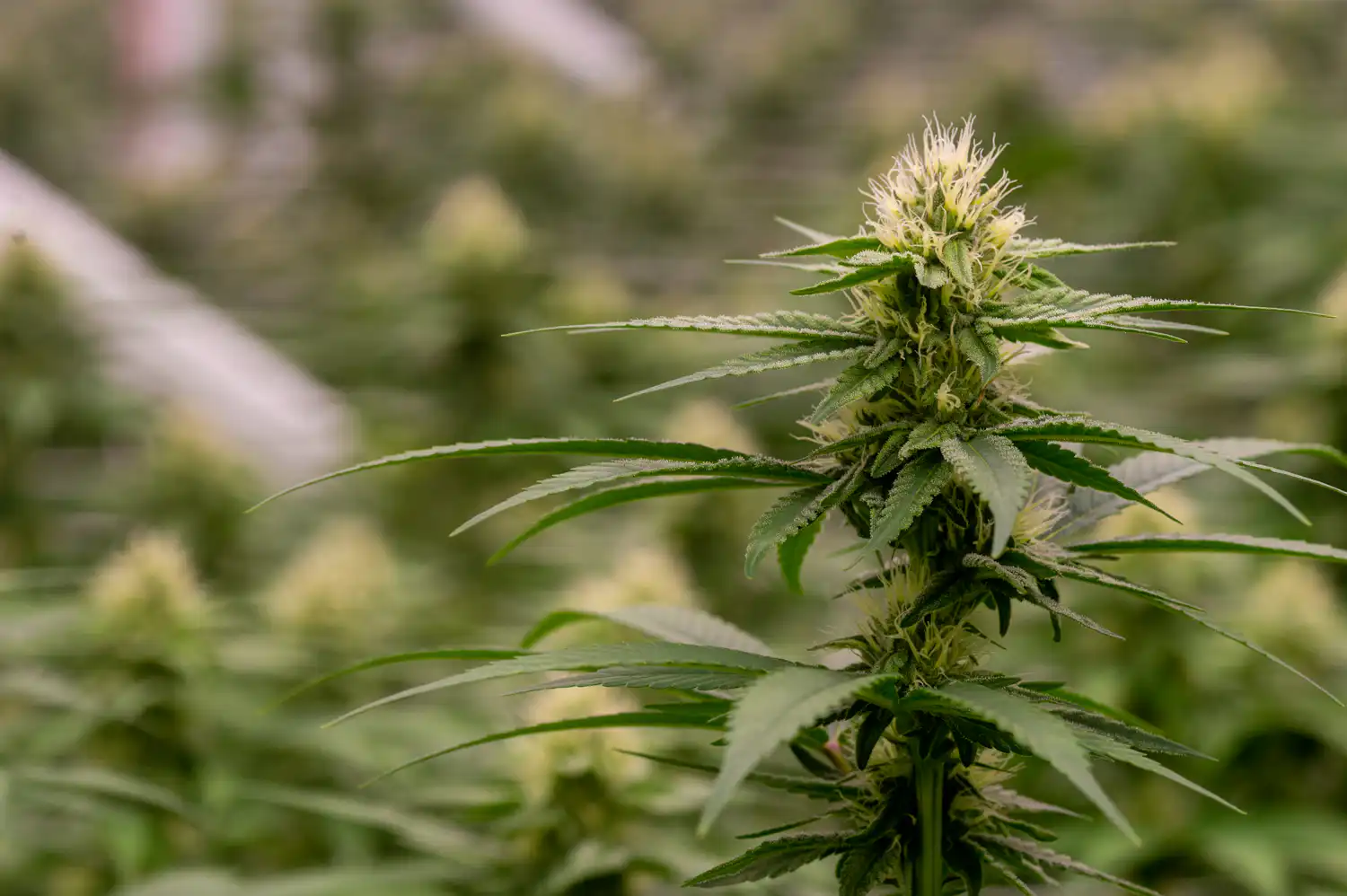
Oklahoma drug officials have issued guidelines requiring medical marijuana companies to register with the federal government to avoid penalties, including revocation of state registrations.
Donnie Anderson, director of the Oklahoma Office of Narcotics and Dangerous Drug Enforcement (OBNDD), said in a letter to cannabis industry stakeholders on Friday that they are under pressure. complete a new Drug Enforcement Administration (DEA) registration form with that it was launched The Trump administration’s move to federally regulate cannabis.
Citing state law, he said “any registrant who is a distributor or manufacturer of medicinal marijuana products must comply with federal law and, as a result, must obtain DEA registration.”
“Failure to obtain DEA registration may result in OBNDD administrative penalties, including revocation of a registrant’s OBNDD registration,” the letter states. “This is consistent with the requirements currently in place for Schedule Ill registrants regulated by the OBNDD.”
“To ensure compliance with these federal regulations and to minimize the impact on legally operating entities, OBNDD will not consider OBNDD-registered medical marijuana businesses without a DEA registration required to manufacture or distribute marijuana until January 1, 2027. It is strongly recommended that all OBNDD registrants authorized to manufacture marijuana or medical marijuana licensed by OBNDD apply for or be required to register. April 28, 2026 Once After the publication of the permanent Order, upon timely submission of an application to the DEA, the registrant will not be subject to OBNDD administrative action, without DEA registration, to distribute marijuana, DEA applications submitted within sixty days will be distributed in any DEA case and products without DEA registration within the interim period These activities in violation of the Final Order may be subject to OBNDD administrative sanctions until a registrant’s OBNDD registration is revoked.
Anderson concluded by saying, “nothing contained in this letter is intended to be construed as legal advice regarding a registrant’s obligations under federal law or Oklahoma statutes.”
“This letter is simply being issued to inform medical marijuana companies of their administrative responsibilities,” he said. he wrote. “If there are additional questions regarding compliance with federal, state, or administrative law, the registrant should consult with an attorney.”
The Oklahoma Medical Marihuana Authority (OMMA), which licenses and regulates the state’s medical cannabis businesses, released the guidelines separately earlier this week. a recently litigated case of federal reorganization and reform.
“This is an evolving federal conversation, but our focus remains the same: protecting patient health and safety and responsibly regulating the industry,” said OMMA Executive Director Adria Berry. “These announcements have raised many questions, but very few answers. OMMA will continue to relay information released by the DEA and the federal government, but ultimately, we encourage licensees to seek professional advice as they make the best decisions for their business.”
Oklahoma Gov. Kevin Stitt (R), meanwhile, recently suggested that lawmakers should pass one. measure on the ballot to roll back the state’s medical cannabis program. In his State of the State address in February, he said voters should “shut him down”, arguing that “liberal activists” had defrauded the state and “opened Pandora’s box”.
Legislative leaders have pushed back on that idea, however.
Senate President Pro Tempore Lonnie Paxton (R), for example, initially expressed an open mind, but ultimately decided against it It would be “very difficult” to legalize and unfair to licensed cannabis operators who “invested their life savings into this program” and are “trying to do this for Oklahomans who need this product, not for recreation, but for real medicine.”
“It’s hard to undo that bell,” he said. “What I’m going to suggest to the governor is that we don’t ask questions about the situation, but we continue to push regulations (and) we continue to regulate the industry.”
—
It’s Marijuana Time tracking hundreds of cannabis, psychedelic and drug policy bills in state legislatures and Congress this year. Patreon supporters by pledging at least $25 a month, you’ll get access to our interactive maps, charts, and audio calendars so you never miss a development.
Learn more about our marijuana bill tracking and become a Patreon supporter to gain access
—
So has House Speaker Kyle Hilbert (R). he largely dismissed the possibility of overturning the state’s medical cannabis program. He said Oklahomans have already made a clear distinction: they support medical marijuana and are “very strong” against legalizing adult use, based on past election results.
Stitt is not, however, saying yes in a recent interview “He had great conversations with the House and the Senate.”
“They know it’s a problem. Oklahomans are calling our offices saying it’s a problem,” Stitt said. “So I think we’re going to give something back to the people.”
Oklahoma Attorney General Gentner Drummond (R) was asked about a call by voters to overhaul the state’s medical marijuana program, and He said he would “like” to eliminate the state’s medical marijuana program.
However, he warned that doing so would result in the return of hundreds of licensees participating in the market, as the state would “take away” a source of income from them.
In 2022, Stitt used his State of the State address as an opportunity to discuss the voter-approved medical marijuana law, arguing that the residents were deceived by the supporters of the voting initiative.
Meanwhile, in November, Oklahoma activists withdraw initiative to legalize adult marijuana They hoped to put it on the 2026 state ballot.
After a brief but aggressive signature push to secure ballot placement, Oklahomans for Responsible Cannabis Action (ORCA) ultimately failed to submit petitions by the deadline, according to the secretary of state.
Marijuana Moment is made possible with the help of readers. If you rely on our pro-cannabis journalism to stay informed, consider a monthly Patreon pledge.







Two new RAND reports commissioned by the Richard M. Fairbanks Foundation outline the policy options and financial commitments facing Indiana as the state debates whether to change its cannabis laws amid restrictions across the country.
Reports show that 44% of Indiana residents live within 50 miles of a licensed dispensary in a neighboring state, and 96% live within 100 miles, as three of Indiana’s four states have legalized adult-use cannabis. At the same time, intoxicating hemp products containing the same psychoactive compound as marijuana are available at gas stations, convenience stores and grocery stores throughout Indiana with limited oversight.
Cannabis use in Indiana has doubled in the past decade, with a significant increase among adults 26 and older. RAND estimates that 1.3 million Hoosiers used cannabis in 2024 and spent $1.8 billion on marijuana products that year. Indiana recorded more than 13,000 cannabis-related arrests in 2024, with more than 90% for possession and more than 75% for non-cannabis related charges. The state spends $10 million to $20 million annually on cannabis law enforcement.
Rather than recommending a specific policy, the RAND reports outline four broad options: maintaining prohibition, reducing criminal penalties for possession, legalizing medical cannabis, or legalizing the adult recreational use market. Legalizing adult-use cannabis would generate about $180 million in annual state revenue, roughly 1 percent of the state’s general fund, well below some previous projections and less than half of the $385 million in combined cigarette and alcohol tax revenue Indiana will collect in 2025, according to the Indiana Department of Revenue.
Legalization would also entail significant upfront costs, and ongoing regulatory costs could reach the low tens of millions of dollars annually, outweighing the savings from reduced criminal justice spending. RAND identifies 14 policy considerations important to establishing legal markets, each with its own public health and state economic implications.
Cannabis News
Virginia Governor Proposes Amendments To Budget Containing Marijuana Legalization—Without Suggesting Cannabis Changes
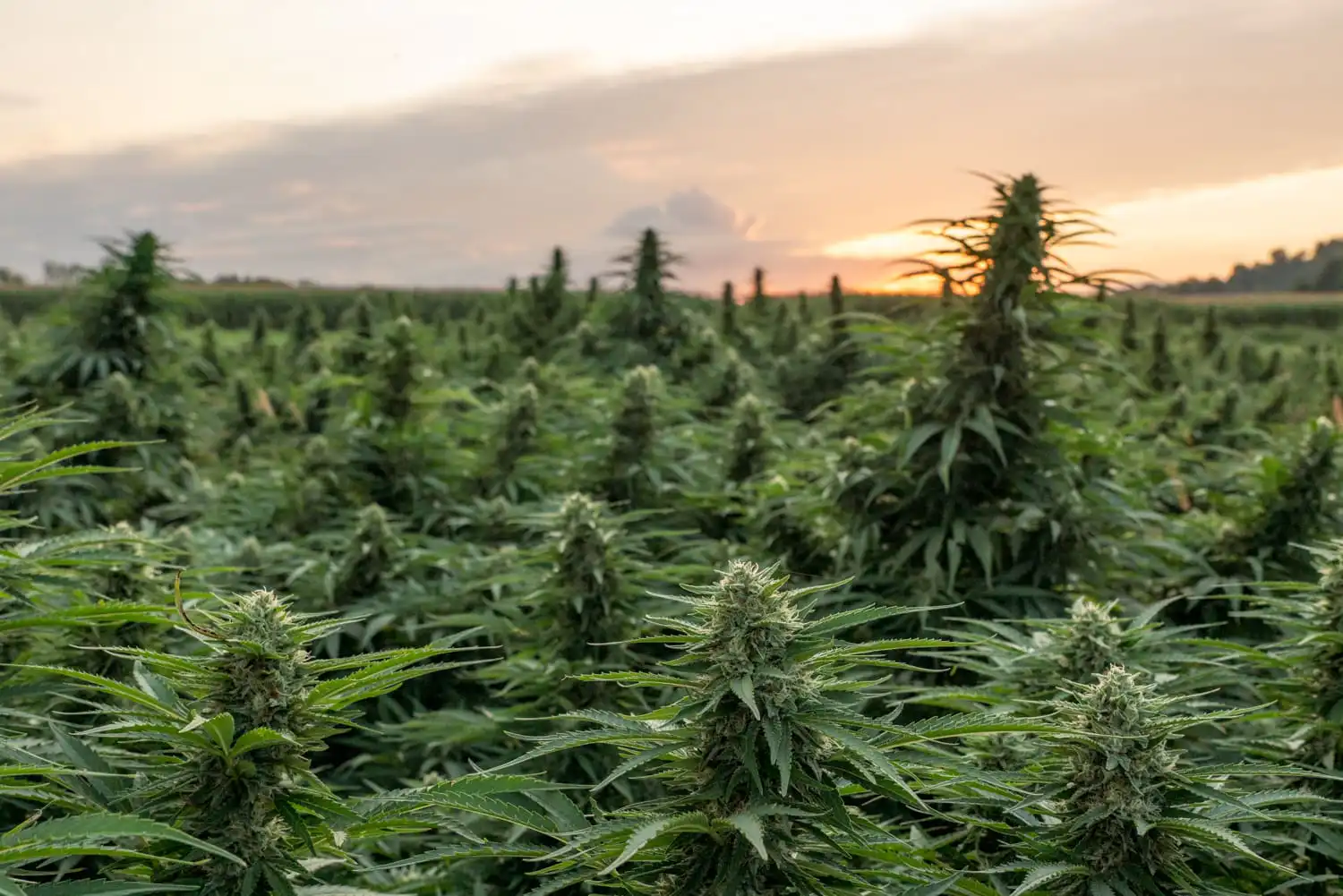
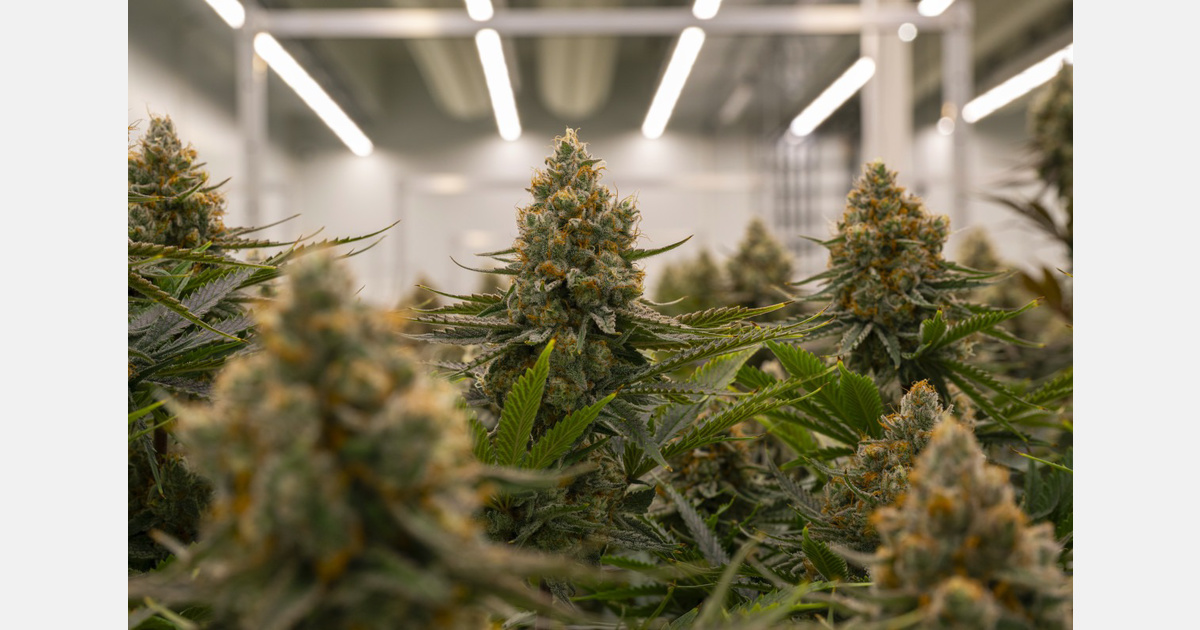
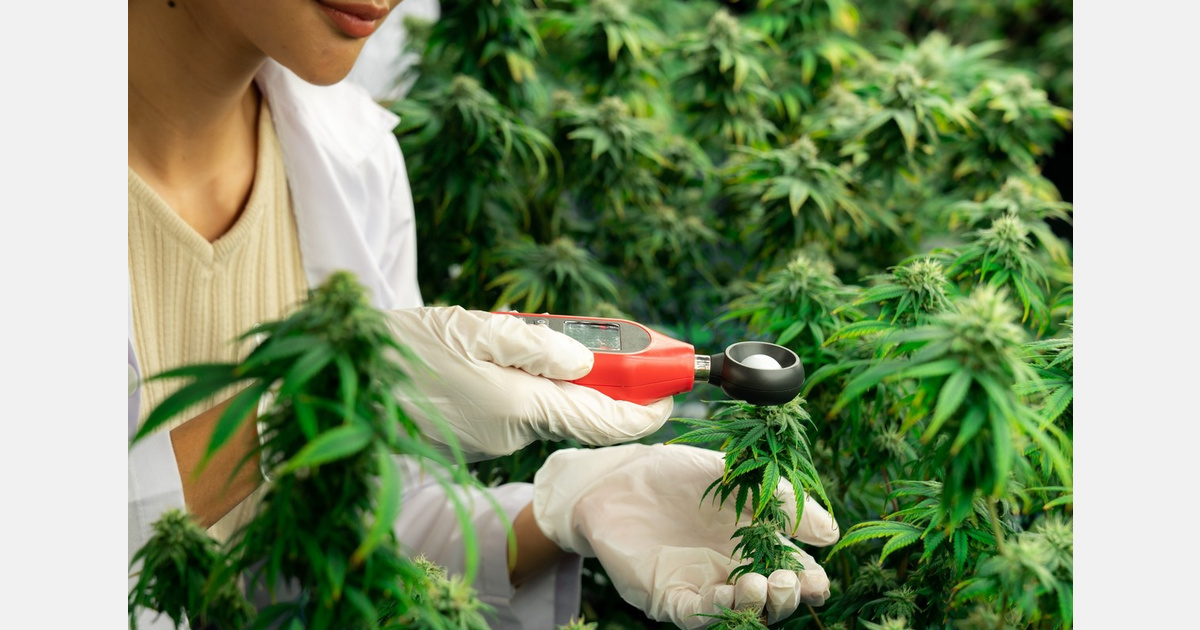
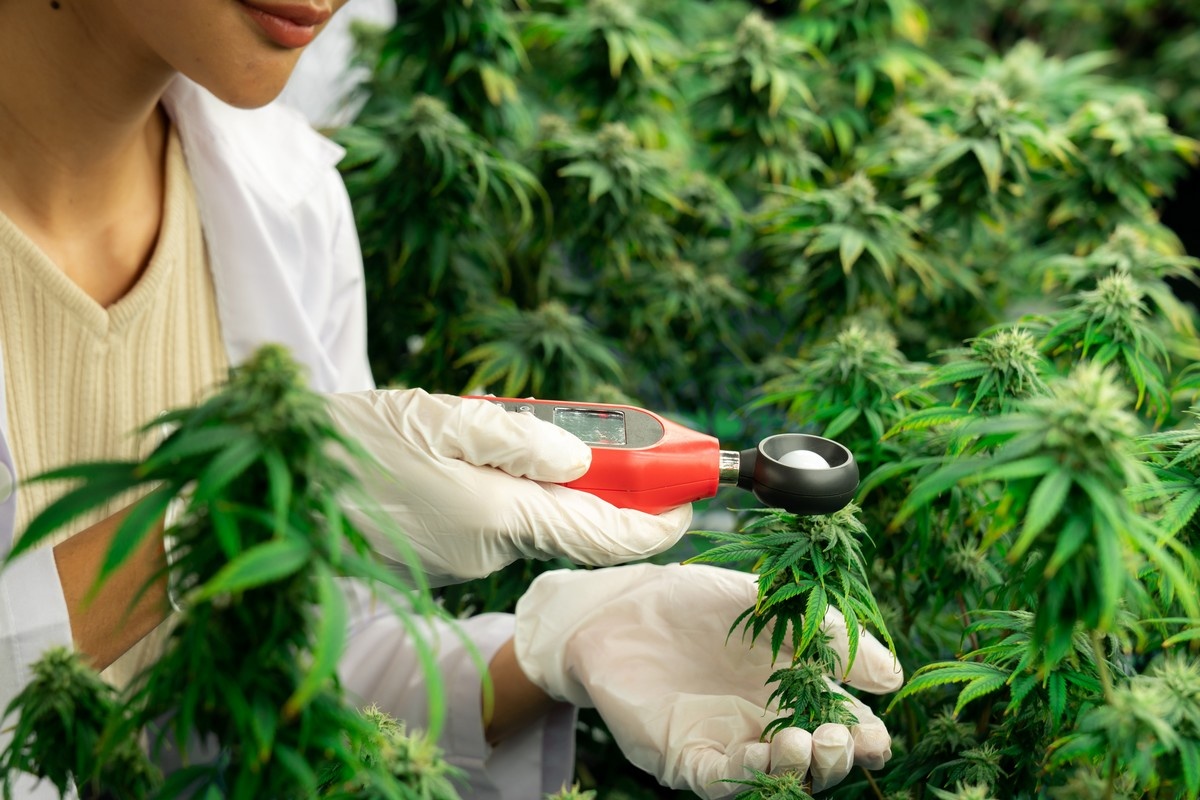
Village Farms International, one of the world’s largest cannabis production facilities located in Delta, BC, increased its export volumes by more than 500 percent by the end of 2025, with international sales reaching US$37.9 million, or just over 20 percent of total cannabis revenue of US$188 million. The main export markets are Germany, Australia, the United Kingdom, New Zealand and Israel.
The company is also expanding, developing an additional 550,000 square feet of greenhouse space across the street from its main facility, designed to support both domestic and international cultivation. Orville Bovenschen, VFI’s global president of operations, points to the excise burden as a permanent strain on the domestic economy: “If you look at how much we paid in excise last year, it’s astronomical,” he says, although VFI declined to provide specific figures.
Walker Patton, one of the founders of the BC Cannabis Alliance, which represents about 50 licensed growers in the province, frames the domestic regulatory environment in stark terms: “With the rules that this industry was set up for, it’s like doing business right out of the gate.” Canada’s excise tax structure charges by weight instead of market price, meaning that since wholesale prices have fallen to roughly half of initial projections, effective tax rates for producers have risen.
 © This is Holland
Sweetgrass Cannabis, a micro-farm located in the Kootenay region, now derives 60 to 70 percent of its sales from international markets after retreating from provinces such as Ontario and Alberta. Company CEO Gemma Hayes says: “Margins, as well as export opportunities, drove our decision.” Ontario’s wholesale markup of up to 25 per cent, layered with excise taxes, spurred what Hayes described as a “race to the bottom.”
Rubicon Organics, a Vancouver-based publicly traded company, entered international markets last year and recently opened a 47,500-square-foot facility in Hope in part to meet overseas demand. Speaking from the International Cannabis Conference in Berlin, Mathieu Aubin, director of marketing and new business, said: “Canada is very well positioned to access international markets for reliable and safe cannabis,” noting that reliability and product integrity are key to gaining access to the medical market.
Not all producers have equal access to these markets. Alex Rumi, founder of grower Good Buds out of Salt Spring Island, said established export markets are structured around an indoor pharmaceutical-style model that hurts sun-grown cannabis, and that Canada’s export system “works for big growers and doesn’t work for craft.” Julia Cameron, president of Cannabis Cultivators of BC and chair of communications and corporate affairs for the VFI, added that growers must secure permits for each shipment while navigating different rules across countries, creating a prohibitive barrier for small operators.
BC has more than 200 licensed growers and accounts for roughly a quarter of Canada’s legal cannabis production, but represents only 14 percent of national exports. Lana Popham, B.C.’s Minister of Agriculture and Food, points to the FIFA World Cup games in Vancouver as a near-term possibility: “It will be interesting to see how many people engage with what is a great product here in B.C.”

Will the Farm Bill of 2024 Close Down Hemp Derived Highs? The Full A and B Blocks of Weed Talk News

Let’s Be Blunt with Montel – Algorithmic Boost Request – 2000000 #YTBoostRequest

RAND estimates Indiana adult-use cannabis could yield $180M in annual revenue

Institutions Evaluate Cannabis While Trulieve CEO Sells Shares

Virginia Governor Proposes Amendments To Budget Containing Marijuana Legalization—Without Suggesting Cannabis Changes

Washington State Launches Cannabis Info Campaign for World Cup Tourists

Tell YOUR Cannabis Story to the DEA! Public Comment is on – Weed Talk News from Coast to Coast

ONE WORLD PHARMA | DR KENNETH PEREGO

A New York Apple Orchard Bet The Farm On Cannabis

Village Farms International leads B.C. cannabis producers in global export push

“Our system can manage equipment across 10,000+ m² using just a few wires”

Florida Workshop to Discuss What Constitutes a ‘Cartoon’ in Hemp Packaging

Mazar-i-Sharif Hash Wednesday

Afghan Black Hash Wednesday

Weak Michigan Cannabis Sales Again in July – New Cannabis Ventures

From Finance to Wellness: Brad Zerman’s Impactful Pivot

Re-release of the full show of Cannabis Coast to Coast news. Republican Texas DA Fires Up vs. laws;

DEA’s Cole Reverses His “priorities” ; Prohibitionists Dig In; Dead & Co Celebrates 60 years in SF

Curaleaf Q2 Revenue Falls 8% – New Cannabis Ventures

Your Cannabis Business: Consistent Filings Are Critical
-
 Cannabis News10 months ago
“Our system can manage equipment across 10,000+ m² using just a few wires”
-
 Florida10 months ago
Florida Workshop to Discuss What Constitutes a ‘Cartoon’ in Hemp Packaging
-
 Video9 months ago
Mazar-i-Sharif Hash Wednesday
-
 Video9 months ago
Afghan Black Hash Wednesday
-
 aawh11 months ago
Weak Michigan Cannabis Sales Again in July – New Cannabis Ventures
-
 Video11 months ago
From Finance to Wellness: Brad Zerman’s Impactful Pivot
-
 Video11 months ago
Re-release of the full show of Cannabis Coast to Coast news. Republican Texas DA Fires Up vs. laws;
-
 Video10 months ago
DEA’s Cole Reverses His “priorities” ; Prohibitionists Dig In; Dead & Co Celebrates 60 years in SF