Connect with us

Cannabis News

Alaska Government Task Force Recommends Legalizing Psychedelic Therapy Upon FDA Approval

Published

on

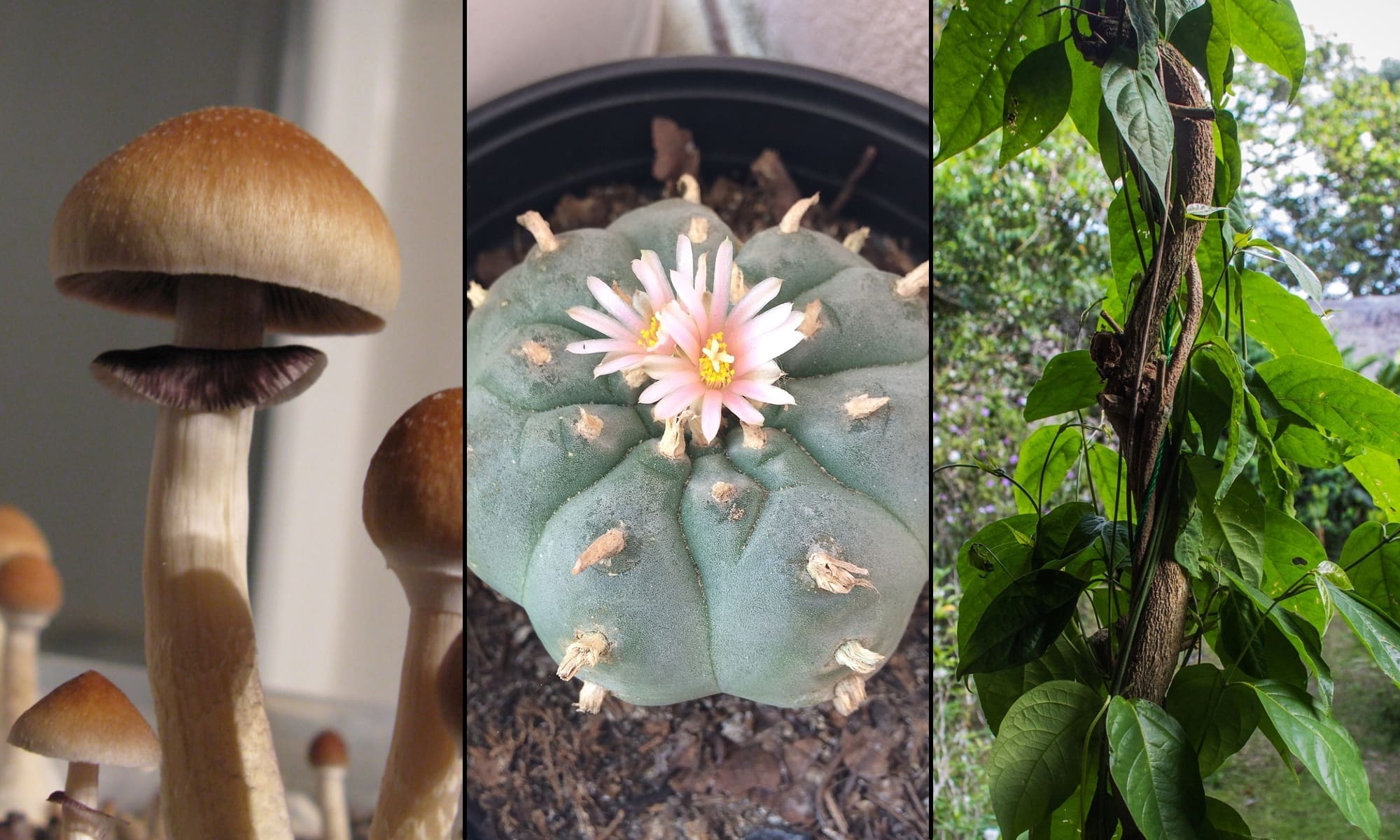
An Alaska psychedelic task force is recommending that the state move forward with plans to provide regulated access to psychedelics if the federal Food and Drug Administration (FDA) allows medical use of substances such as psilocybin and MDMA.

According to a law approved in 2024, after working for about a year studying the issue, Alaska Legislative Task Force on Psychedelic Drug Regulation released its findings and recommendations on Thursday.

“Alaska has one of the nation’s highest rates of domestic violence survivors and combat veterans suffering from PTSD, and many Alaskans continue to struggle with traditional treatments,” Sen. Forrest Dunbar (D), the task force’s leader, said in a press release.

“Our approach to these new medical therapies must be properly and independently evaluated so that if the legislature were to make policy changes, we will do so with empirical data in a properly controlled environment,” the senator said.

The panel’s report lists a number of findings based on a review of the scientific literature and expert testimony. This includes findings that some psychedelics do indeed have “potential therapeutic uses” and that “there is a particular focus on the use of these therapies for veterans, survivors of assault and interpersonal violence, and others with post-traumatic stress disorder (PTSD).

Members emphasized the importance of delivering psychedelic therapies in partnership with “multiple types of providers” to provide comprehensive treatment, rather than leaving it up to the patient.

Among its recommendations, the task force said, “If psychedelic medical therapies are approved by the FDA, the state should take steps to allow them to be used in Alaska, rather than ban their use.”

Alaska regulators should also identify clinical task forces, “whose role is to regularly review up-to-date studies and the evidence base to make recommendations, and rely on those entities to provide ongoing guidance on the use of these therapies,” he said.

“As much as possible, reserve the use of state statute for broad enabling language and essential components of a regulatory structure, and leave most regulatory decisions to the appropriate boards and agencies,” another recommendation reads. “Regulations still require a robust public process to be approved, but they are more predictable and can be updated or changed more easily than statutory amendments that require legislative action.”

“The appropriate parameters for the use of these therapies are likely to change over time as the evidence base matures and FDA approval may be granted for multiple therapies,” he said.

If the FDA continues to approve any psychedelics for medical use, the panel said the Alaska State Board of Medicine should update its guidelines for prescribing controlled substances to include new therapies.

Additionally, if the FDA approves psychedelic drugs and the Drug Enforcement Administration (DEA) federally reschedules substances such as psilocybin, Alaska “should fully reflect federal programming and Risk Evaluation and Mitigation Strategies (REMS), without adding duplicative or conflicting state regulations, and follow the rules for determining whether a DEA license is required.” the report he says

“This approach respects federal science and facilitates access for patients and providers,” he continues.

Additionally, as lawmakers and regulators await a federal decision to advance psychedelic therapies, states should consider legislation to “incorporate the recommendations made in this report to encourage statewide implementation action.”

“Legislation on triggers would require addressing various process and regulatory issues, such as the role and involvement of professional licensing boards, state agencies, and the Controlled Substances Advisory Committee,” the task force said.

The report also says that psychedelic reform should include military veterans’ access to FDA-approved therapies, which could involve working with the US Department of Veterans Affairs (VA) to identify opportunities to participate in clinical trials and pilot programs using new drugs.

“The grant should be considered to ensure active efforts by the American Medical Association (AMA) and the Centers for Medicare and Medicaid Services (CMS) to develop billing codes that will promote sufficient reimbursement for the provision of psychedelic therapy, which are essential to ensure patient access post-FDA approval,” the panel said.

Rep. Justin Ruffridge (R), who also serves as co-chair of the psychedelic panel, said the task force “focused on preparing Alaska for potential federal approval of psychedelic therapies.”

“These recommendations came from months of collaboration and work by medical professionals, advocates and legislators who focused on patient safety, evidence-based care and access, especially for those who have not seen progress through traditional treatments,” he said.

So far two other states have facilitated fully functioning psychedelic programs. Oregon voters legalized the therapeutic psilocybin in 2020and Colorado’s program was approved at the ballot box in 2022, with the state’s governor signing the legislation a year later to create the regulatory framework for the program

Meanwhile, a campaign in Alaska announced in December that it did not get enough signaturesAn initiative to legalize some psychedelics like psilocybin and DMT on the 2026 state ballot.– but the activists have emphasized that “the work is far from over” as they focus on putting the reform measure before the voters in 2028.

“While we won’t be on the ballot in 2026, we’re still on track for 2028, and with the determination, focus and support of our community, we’ll continue to move forward,” Natural Medicine Alaska said in December. “This movement is gaining momentum every day. In fact, 65 percent of Alaskans support this initiative, and that number continues to grow.”

A pre-campaign policy outline explained that the proposal is “under construction”. The Natural Medicine Health Act of 2022 passed by Colorado votersunder last year facilitators administered the state’s first legal dose of psilocybin.

A 2024 poll found that nearly half (49.4 percent) of Alaskan adults would support a ballot measure more broadly. remove criminal penalties for the use of substances such as psilocybin mushrooms.

That support rose significantly—to nearly two-thirds (65 percent)—when participants were told that Alaska has high rates of mental illness that could be treated with psychedelics.

Photo elements courtesy of the user carlosemmaskype and Apollo.

Marihuana Moment is made possible with the help of readers. If you rely on our pro-cannabis journalism to stay informed, consider a monthly Patreon pledge.

Cannabis News

State hemp license applications end April 30

Published

on

By


Those wishing to grow and process hemp this year must apply for a license from the Minnesota Department of Agriculture (MDA) by April 30. Each license is valid until December 31 of the year it is issued. Graduates must reapply annually to continue in the program. An MDA license is required for individuals and businesses.

So far, about 30 people have applied for the 2026 MDA license, compared to 84 applicants last year.

These licenses are for the cultivation and processing of industrial hemp only. The hemp license application is not for adult use or for growing or selling medical cannabis. The application is also not intended for the sale of hemp-derived cannabinoid products. Information on adult use and medical cannabis is available Office of Cannabis Management (OCM) website.

There are applications of industrial hemp MDA website. Along with the online form, first-time applicants and authorized representatives must submit fingerprints and pass a criminal background check.

There are also several updates for the 2026 season. The extraction of cannabinoids from hemp is now regulated by the OCM, meaning that anyone interested in this type of processing will need a separate licence. The rates have also changed. The base cost of a hemp license is now $400, with an additional $250 per growing or processing location. The previous $250 processor license fee has been removed, but a 5% surcharge now applies to upgrades to MDA’s technology systems.

All authorized representatives listed on an application must pass a background check before being licensed. In addition, each lot of hemp must undergo THC testing before harvest, and each official sample collected by the MDA costs $100.

Source: Minnesota Department of Agriculture


Continue Reading

Cannabis News

Colorado Marijuana Officials Announce Crackdown On Sales Of Hemp Products Amid ‘Risks To Public Safety’

Published

on

By

These issues “pose serious risks to public safety, market integrity, and the tax revenue framework that supports Colorado’s regulated cannabis industry.”

By Christopher Osher, ProPublica and Evan Wyloge, The Denver Gazette

This story was originally published by ProPublica.

Colorado regulators announced Monday that they plan to crack down on companies that sell cheaper, potentially dangerous, illegal hemp products as marijuana.

The state’s Division of Marijuana Enforcement said it had identified “compliance issues” that threaten to dismantle the marijuana industry in the nation’s first legal retail market.

These problems “pose serious risks to public safety, market integrity and the tax revenue framework that supports Colorado’s regulated cannabis industry,” the agency said in an industry newsletter.

An investigation by the Denver Gazette and ProPublica in January reported that despite Colorado being one of the first states to ban the sale of intoxicating hemp products, the legislature and regulators. he failed adopting many of the rules that other states have used to keep hemp products off the medical marijuana shelves.

Creating evaporative and edible liquid distillate from hemp is much cheaper than using marijuana, giving companies a competitive advantage.

But regulators say they are concerned that manufacturers are relying on toxic and dangerous chemicals to convert the non-toxic CBD compound that is predominant in hemp into THC, the psychoactive compound that makes people feel high. Regulators have banned this chemical synthesis, saying they fear chemical residues could remain in the finished product, putting consumers at risk.

Colorado manufacturers have taken advantage of loopholes in the state’s testing and enforcement system to continue using hemp to make products marketed as marijuana, even though doing so is against state law, according to regulatory studies, previous agency bulletins and testimony and lab results contained in several lawsuits.

In 2024, state investigators found that a popular brand of marijuana sold at dispensaries was not only derived from hemp, but also contaminated with methylene chloride, the chemical often used to convert CBD from hemp into THC. Marijuana is banned by Colorado regulators and banned for most uses by the US Environmental Protection Agency because it can cause liver and lung cancer and damage the nervous, immune and reproductive systems.

Ware House, the company that manufactured these vaporizers, relinquished its marijuana license in response to the investigation. Ware Hause’s owner, Thanh Hau, and the company’s lawyer declined to comment.

Congress passed a law last November that bans nearly all hemp products nationwide starting this fall, but it’s unclear how the government will enforce the ban, and hemp growers are reeling.

In December, President Donald Trump issued an executive order telling his aides to work with Congress to develop rules that could allow certain hemp products.

The Colorado Division of Marijuana Enforcement made the announcement Monday newsletter agency officials stated that they “identified and investigated evidence” that marijuana companies are using illegal practices and prohibited methods to manufacture products, instead of relying on marijuana, which is supposed to be monitored for safety.

The Colorado Hemp Association and the Colorado Hemp Education Association did not immediately respond to requests for comment.

Beyond safety concerns, the bulletin also noted that some marijuana manufacturers and growers are avoiding marijuana tax obligations through “a pattern of non-compliance” in sales operations they report to the state’s “seed-to-sale” tracking system, which tracks marijuana from the initial planting to the sale of flower, vapes and other products at dispensaries.

Companies misrepresent marijuana sales at nominal prices, in some cases as low as $1 per pound for unprocessed marijuana material, the newsletter said. Those products typically fetch more than $600 per pound on the market, depending on the category of marijuana, according to industry experts.

That fraudulent reporting has stolen millions of dollars in marijuana taxes from state and local governments, industry experts say, though no official estimate is available.

The agency said it will follow emergency rules to address these issues. The bulletin emphasized that suspicious and abnormal transactions and inventories detected by the state will prompt investigations. Companies caught using hemp or other illegal material passed off as marijuana face “immediate product embargo, license suspension or revocation, significant fines and law enforcement,” regulators warned.

The Denver Gazette and ProPublica have tried to track the anomalous transactions, but the Division of Marijuana Enforcement’s sales transaction records, even those that do not identify the companies, are not public.

Marijuana industry representatives met with the division’s regulators late last month to push for a more aggressive response to the agency’s hemp replacement, even though it could affect some companies in the industry. The representatives argued that bad actors are unfairly driving down prices and shifting the tax burden to manufacturers and growers who are trying to comply with the rules. The newsletter was released a couple of weeks after that meeting.

“The division is also considering additional changes to its testing and screening protocols” to detect illegal products and prohibited methods, and may require additional laboratory tests “if needed for products throughout the supply chain,” the agency’s bulletin said.

This article was produced in partnership with ProPublica’s Local Reporting Network Denver Magazine. Sign up for Submissions to receive stories in your inbox every week.

user photo WeedPornDaily.

Marijuana Moment is made possible with the help of readers. If you rely on our pro-cannabis journalism to stay informed, consider a monthly Patreon pledge.

Continue Reading

Cannabis News

Nascent medical cannabis industry aims for growth

Published

on

By


The medicinal cannabis sector is struggling to take root, and another specialist processing plant is set to close. But with current regulations and a new collective industry in mind, New Zealanders are promising to reduce their reliance on imported medicinals.

There was great excitement when medicinal cannabis was legalized and then regulated in 2020, with the hope of growing the domestic sector and serving patients here and abroad. However, since then, several companies have closed their doors, including Greenfern Industries, Cannasouth and, most recently, Helius Therapeutics.

The latter plans to close the East Tāmaki plant, affecting 65 workers. It is one of the few medicinal cannabis factories in the entire nation that has a specialized processing certificate called “Good Manufacturing Practice” (GMP).

Medical Cannabis Council executive director Sally King said that under current rules, most growers did not have such certification, and could only sell raw ingredients, not processed products such as more profitable cannabis capsules.

Read more at the town


Continue Reading
Advertisement

Trending

Copyright © 2021 The Art of MaryJane Media