
Cannabis News
Custom LED gains ground as Italian nurseries push for efficiency

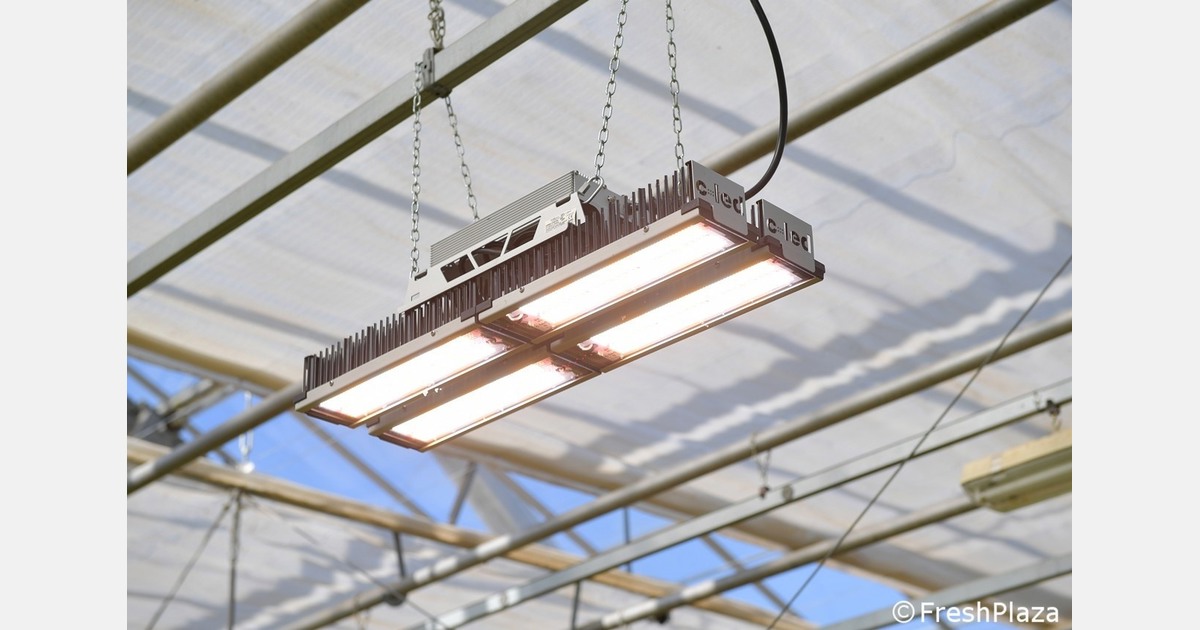
Protected and soilless farming systems continue to gain momentum, and Italian nurseries are widely recognized as among the best in the world. These operations require different lighting solutions depending on the growth phase of the plants. C-Led, a company based in Imolan (Bologna) and part of the Cefla Group, has been placed in this context. The company is constantly expanding and has grown to more than 35 employees in the last year.
“We have hired new technicians”, explains Raffaello Montanari, commercial director of C-Led, “also because we design and manufacture our lighting systems in-house. We do not just rebrand imported products, we develop tailor-made solutions. Thanks to this approach, we have been able to successfully expand our presence abroad as well, from the Balkan countries to the Iberian Peninsula and South Africa and as far south as Greece”.
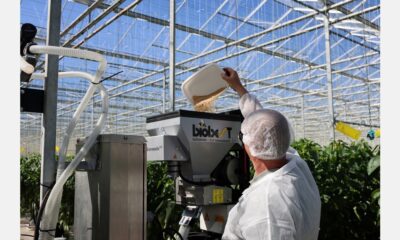
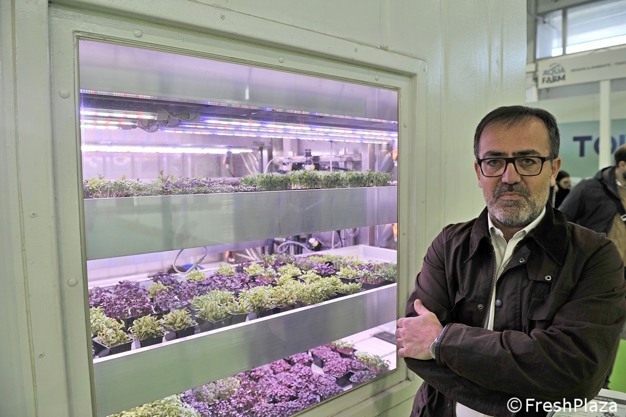 © Cristiano Riciputi | MMJDaily.comTo Raffaello Montana
“Our way of working”, continues Montanari, “begins with assessing the specific needs of each client, in order to propose the most suitable lighting solution. It is a completely customized design process, which varies from one client to another, according to the type of their activity. This is why we work not only with nurseries and protected or landless crop producers, but also with public and private university laboratories and research institutions”.
In addition to new installations, a large part of the company’s activity also involves the renewal of systems that have become obsolete.
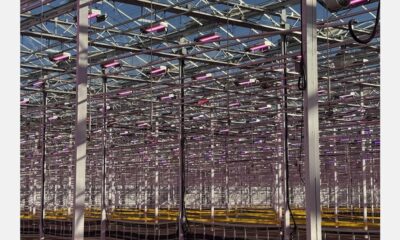
 © Cristiano Riciputi | MMJDaily.com
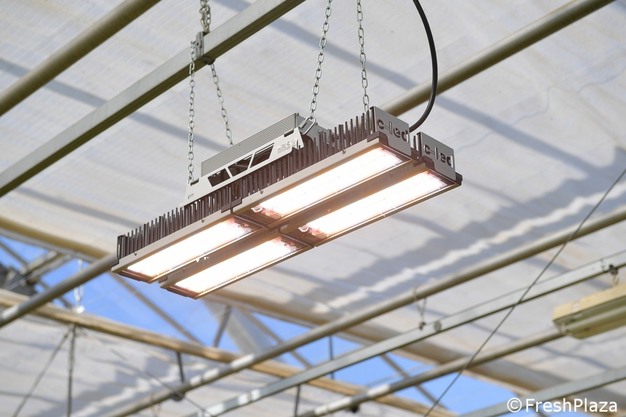
“Often,” says Cristian D’Elia, technical specialist at C-Led, “we participate in renovation projects for greenhouses or research laboratories. The lamps are specified following the lighting design adapted to the customer, with the aim of maximizing the growth and vigor of the plants, to support scientific research. In the experimental centers, our work allows the researchers, through analysis and measurements, to define the best characteristics and lines of strength for the plants. Then commercialized varieties, in many cases, that is, to supplement natural light with specific wavelengths for photosynthesis and to install LED lamps to optimize the photoperiod in the autumn-winter season.
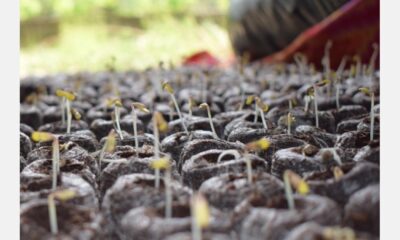
 © Cristiano Riciputi | MMJDaily.com
As a result, compared to traditional HPS lighting, performance is significantly improved while reducing energy consumption, a key factor in controlling costs and improving the overall environmental footprint.
“Finally, in recent years, we’ve seen an increasing demand for applications with UV (ultraviolet) lamps,” added Montanari. “This is not limited to industrial uses, such as sanitization, resin curing or pest control, it also extends to grow lights. That is why we have designed and marketed new products with these specific wavelengths to meet market demand. The use of LED lamps, integrated in a custom-designed project for each customer, allows energy savings of up to 45%.”
For more information:
C-LED
Gambella road, 34
40026 Imola (BO) – Italy
+39 0542 654980
(email protected)
www.c-led.it






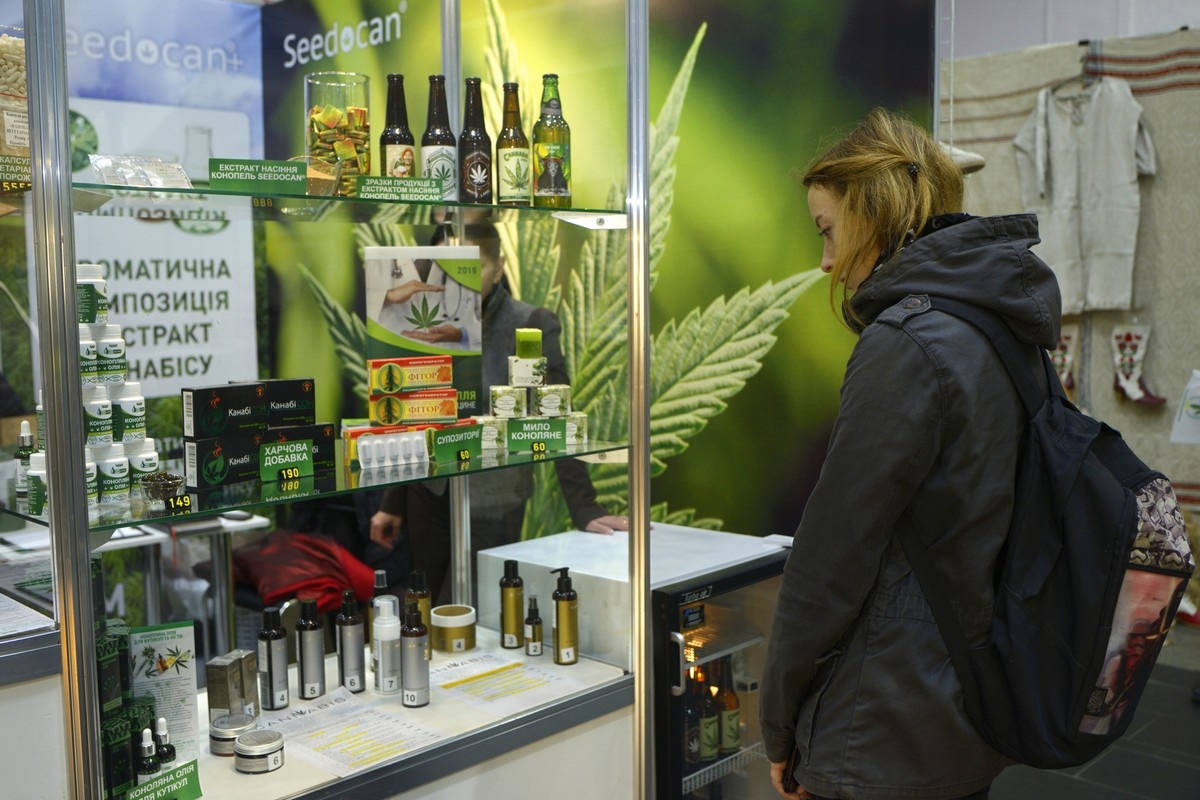
With the April 2025 tax return filing deadline fast approaching, cannabis companies must once again face the burden of Section 280E of the Internal Revenue Code (“Section 280E”). Despite significant developments over the past year — including a major executive order from President Trump and the IRS, for the first time, disclosing legal reasoning funds to keep state cannabis “within the meaning” of Section 280E — taxpayer scrutiny remains the same.
However, whether substantively or psychologically, these recent developments weigh on how taxpayers should deal with Section 280E. Below, we summarize the key developments that cannabis taxpayers should be aware of as they prepare their 2025 returns.
As discussed in previous publications, Section 280E provides: “(e) no deduction or credit shall be allowed for any amount paid or incurred in the course of any trade or business during the taxable year, if such trade or business (or the activities constituting such trade or business) is trafficking in controlled substances (controlled substance classes I and II prohibited by State or Federal law).
Because cannabis is now listed as a Schedule I controlled substance under the Controlled Substances Act (CSA), the IRS has consistently maintained that Section 280E applies to state-licensed cannabis businesses, significantly increasing their effective tax rates.
Read more at JD above
Cannabis News
Louisiana Senators Approve Bill To Allow Medical Marijuana Use In Hospitals For Terminally Ill Patients

A Louisiana Senate panel has advanced a bill to allow patients with terminal and irreversible conditions to use medical marijuana in hospitals.
The Senate Health and Welfare Committee approved the legislation, SB 270 (D) by Sen. Katrina Jackson-Andrews, with amendments, on a voice vote Wednesday.
“This bill was introduced at the request of voters who believe that therapeutic medical marijuana, which is already legal in this state, should be offered in hospitals when the terminally ill or otherwise need the comfort of this medicine,” Jackson-Andrews said before the vote.
Under the proposal, hospitals would have to create written policies to allow covered patients to consume medical cannabis in forms other than smoking or vaporizing it.
Under an amendment approved by the panel, emergency or outpatient departments would be exempt from the policy. The revised legislation also clarifies that patients and primary caregivers are responsible for obtaining and administering medical marijuana, which “must be securely stored at all times in a sealed container provided by the patient.”
Health care professionals and staff would be prohibited from “administering, storing, retrieving, or assisting a patient with medical marijuana.” the text he says
The amendment, which the proponent worked out with the help of the Louisiana Hospital Association, also allows hospitals to opt out of the policy if federal officials take action against any health care facility in the state regarding the use of medical cannabis, instead of allowing those specifically targeted to stop serving.
—
It’s Marijuana Time tracking hundreds of cannabis, psychedelic and drug policy bills in state legislatures and Congress this year. Patreon supporters by pledging at least $25/month, you’ll get access to our interactive maps, charts, and audio calendars so you never miss a development.
Learn more about our marijuana bill tracking and become a Patreon supporter to gain access
—
Meanwhile, in Louisiana, the Senate Health and Welfare Committee passed a bill last week create a pilot psychedelic-assisted therapy program using opioid settlement dollars to fund clinical trials to develop alternative treatments such as psilocybin and ibogaine.
Lawmakers are also considering a bill creating a pilot program to legalize marijuana for adults in the state, in the end, to determine whether the reform should be expanded and permanently codified.
Marijuana Moment is made possible with the help of readers. If you rely on our pro-cannabis journalism to stay informed, consider a monthly Patreon pledge.

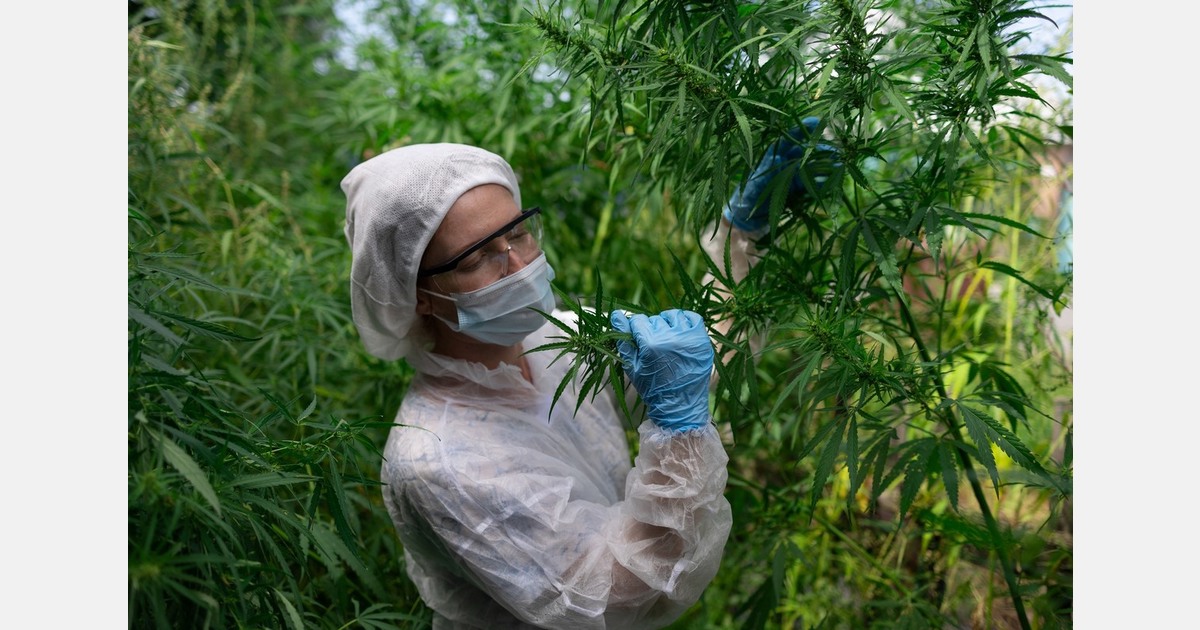
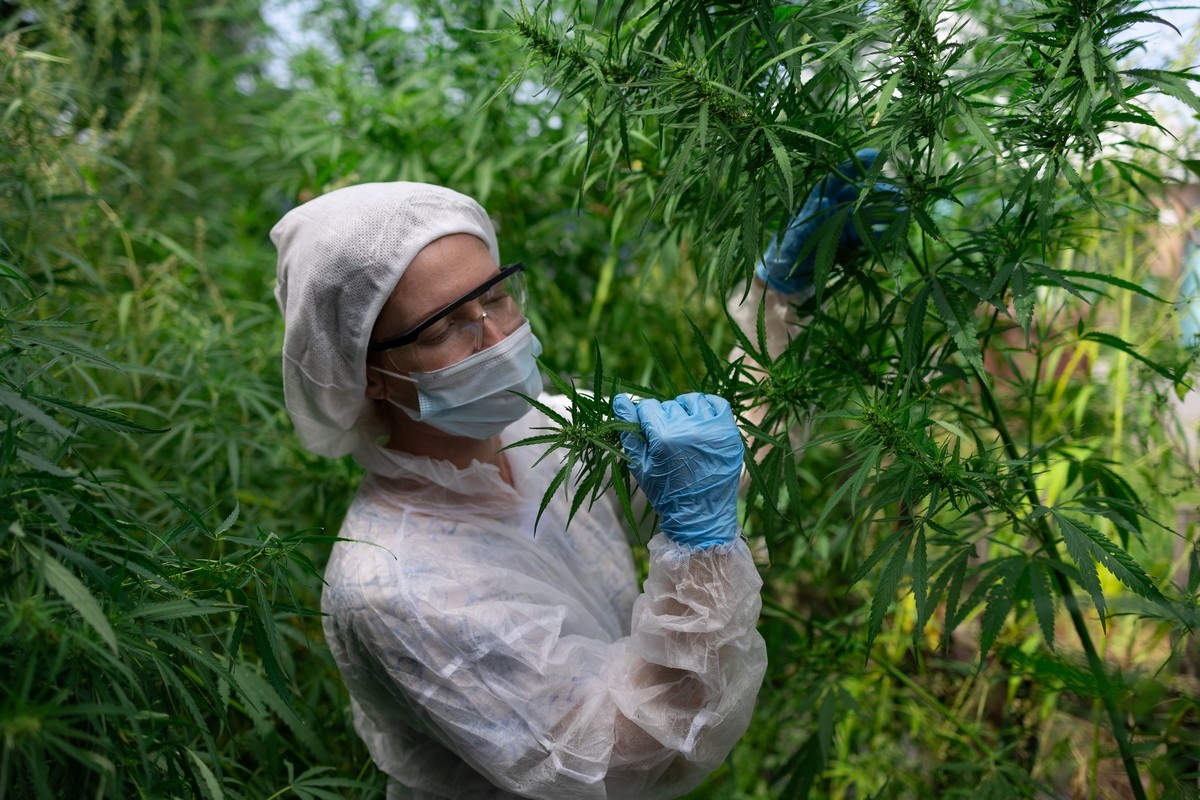
Cresco Labs has obtained a Texas Compassionate Use Program License. It is a vertically integrated license that allows Cresco Labs to cultivate, process and distribute medical cannabis.
“Texas patients deserve access to consistent, quality medicine, and we’re excited. Our track record in medical markets reflects our ability to build strong programs that put patients and communities first,” said Charlie Bachtell, CEO of Cresco Labs. “Winning a license in Texas through a merit-based application demonstrates Cresco Labs’ deep regulatory expertise and thoughtful approach to meaningful local engagement. Organic licenses enable capital-efficient market entry, and our cash flow and balance sheet give us the financial flexibility to invest in and grow our scaled platform for the long term.”
This license advances Cresco Labs’ state-by-state growth strategy and ensures access to one of the largest patient populations in the United States. Texas is the nation’s second most populous state, approaching 30 million people, and continues to see ongoing legislative efforts to improve patient access and expand eligibility.

Use A Lawyer For Drafting Cannabis Deal Term Sheets

Critical updates for cannabis taxpayers as the 2025 filing deadline approaches

Louisiana Senators Approve Bill To Allow Medical Marijuana Use In Hospitals For Terminally Ill Patients

New Jersey Gov. Signs Hemp Bill Aligning State Regulations with Federal Rules

Bloom House Garden Tour

Legalization vs. Decriminalization; Harris v. Trump; Newsom makes good on Hemp ban by opening cafes!

How To Use A Trellis Net To Get Bigger Buds

HOW TO BE AN ENVIRONMENTALLY FRIENDLY CANNNABIS BUSINESS | JESCE HORTON

Missouri Cannabis Regulators Seek Alternatives To Track-And-Trace Leader Metrc

Cresco Labs gets Texas license

“Our system can manage equipment across 10,000+ m² using just a few wires”

Florida Workshop to Discuss What Constitutes a ‘Cartoon’ in Hemp Packaging

Mazar-i-Sharif Hash Wednesday

Re-release of the full show of Cannabis Coast to Coast news. Republican Texas DA Fires Up vs. laws;

From Finance to Wellness: Brad Zerman’s Impactful Pivot

DEA’s Cole Reverses His “priorities” ; Prohibitionists Dig In; Dead & Co Celebrates 60 years in SF

Weak Michigan Cannabis Sales Again in July – New Cannabis Ventures

New Hampshire Governor Says Federal Marijuana Rescheduling Won’t Change Her Opposition To Legalization

Your Cannabis Business: Consistent Filings Are Critical

Texas DA Fires Up for Change! Mass. Sheriff arrested on Extortion charges; GOP vs Industry in state
-
 Cannabis News8 months ago
“Our system can manage equipment across 10,000+ m² using just a few wires”
-
 Florida8 months ago
Florida Workshop to Discuss What Constitutes a ‘Cartoon’ in Hemp Packaging
-
 Video6 months ago
Mazar-i-Sharif Hash Wednesday
-
 Video8 months ago
Re-release of the full show of Cannabis Coast to Coast news. Republican Texas DA Fires Up vs. laws;
-
 Video8 months ago
From Finance to Wellness: Brad Zerman’s Impactful Pivot
-
 aawh8 months ago
Weak Michigan Cannabis Sales Again in July – New Cannabis Ventures
-
 Video7 months ago
DEA’s Cole Reverses His “priorities” ; Prohibitionists Dig In; Dead & Co Celebrates 60 years in SF
-
 Best Practices8 months ago
Your Cannabis Business: Consistent Filings Are Critical