
Cannabis News
DEA begins on-site inspections at Mississippi dispensaries registered under rescheduling process

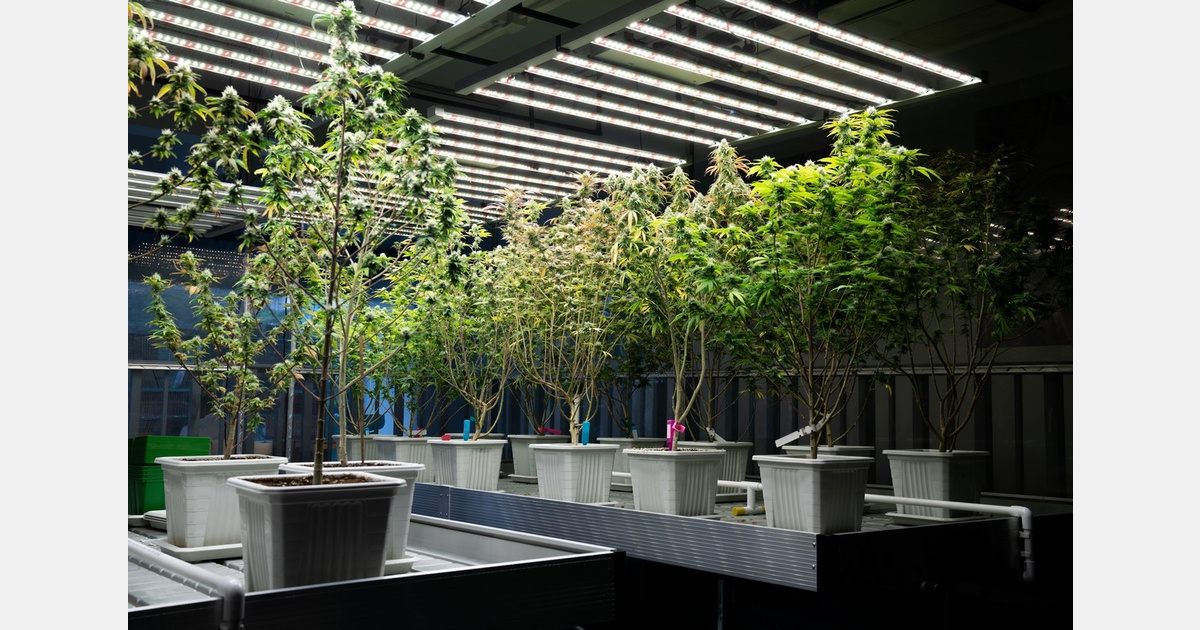
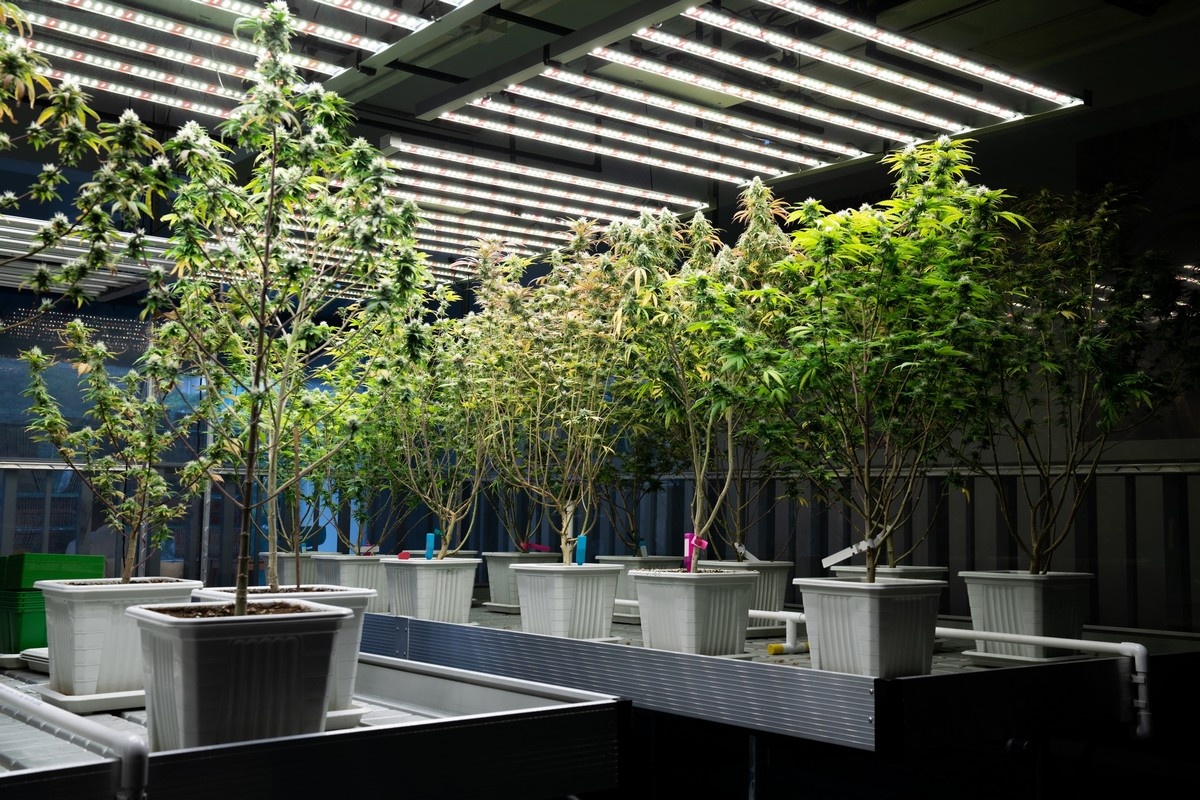
The Drug Enforcement Administration has begun conducting inspections of Mississippi marijuana dispensaries registered for federal protections during the Trump administration’s cannabis rescheduling process, the Mississippi Medical Marihuana Association (3MA) confirmed to Marihuana Moment last week.
Henry Crisler, director of 3MA, says two member dispensaries have received visits from federal officials after filling out the DEA’s registration form for medical marijuana dispensaries. “They were told they were among the first in the country to visit,” says Crisler. “Both dispensaries were visited by 5-6 delegates, and the overall tone was collaborative/inquiry.” He adds, “The DEA seems to be taking a very slow/curious approach to the whole deal. They had a lot of questions about general practices.”
David Fowler, owner of High Street Dispensary in Jackson, Mississippi, said DEA agents spent about six hours at his facility. The officials were “very kind” and “didn’t come across as mean,” he says. “I’m not threatened. It’s just another set of eyes and ears, except at the federal level, it’s really no different at the state level.” Fowler describes the stakeholders as “new to this process as well”, approaching the visit with a “we will work together” attitude. “Overall, I think it will be very beneficial for us as a business to be able to get the tax breaks that we need to be successful, just like any other business,” says III.
Legally Rooted in Meridian also received a visit from the DEA, according to 3MA. Crisler says agents asked both dispensaries for documentation during the visits without providing a full list beforehand. Items requested include license transfer records, ownership information, including Social Security numbers, complete inventory lists, vendor lists, employee records, security plans, and METRC purchase history.
The DEA launched the initial registration form for dispensaries in April after Acting Attorney General Blanche announced that state licensed medical marijuana products under Title III of the Controlled Substances Act. A broader reorganization hearing will begin later this month, and the DEA says it will soon release registration forms for additional types of businesses, including manufacturers, distributors and laboratories.











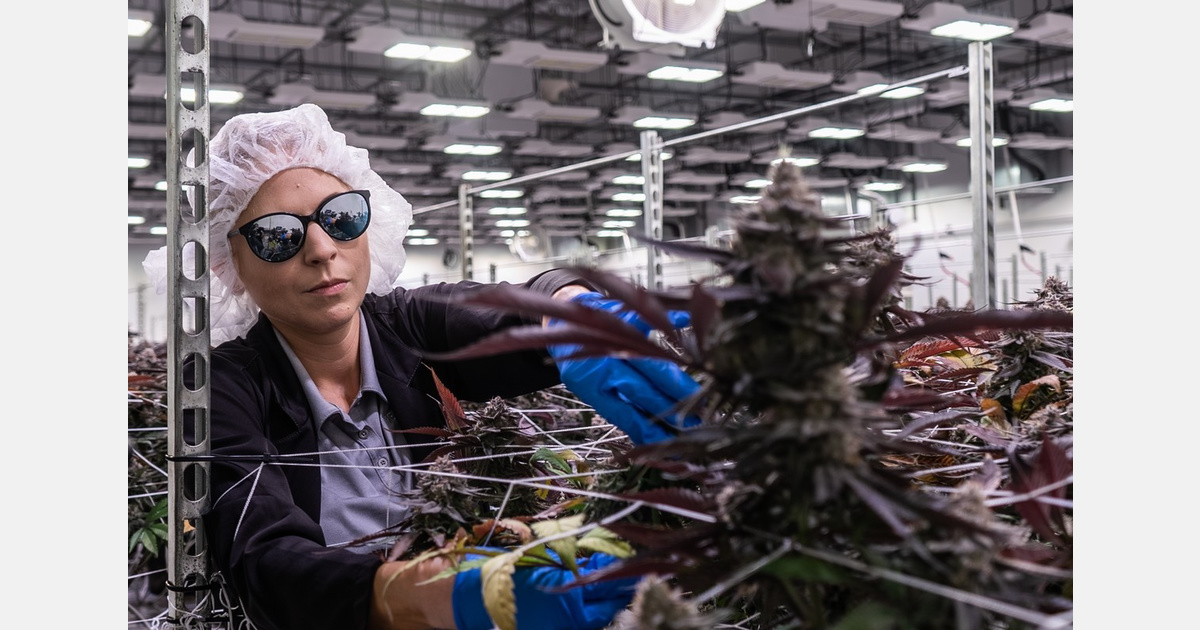
Verano Holdings announced the grand opening of MÜV Bradfordville on Friday, July 17, 2026, increasing the Company’s Florida retail footprint to 86 MÜV locations and 163 dispensaries nationwide. Located at 6808 Thomasville Rd, MÜV Bradfordville will be open Monday through Saturday from 9:00 AM to 8:00 PM and Sundays from 10:00 AM to 5:00 PM local time.
On Friday, July 17, MÜV Bradfordville will hold a ceremonial ribbon cutting to celebrate the dispensary’s grand opening weekend. MÜV Bradfordville is the second MÜV dispensary in Leon County, Florida, adding another convenient location for area residents, complementing MÜV Tallahassee in the state capital.
“We are excited to continue expanding our Florida operations and welcome new patients and team members with the opening of MÜV Bradfordville, our second dispensary location in the Tallahassee region,” said George Archos, Verano’s founder and CEO. “Following the federal government’s historic announcement of medical cannabis rescheduling in April, we look forward to partnering with the local community and expanding patient access in the Capital Region to an extensive portfolio of award-winning, top-quality medical cannabis products.”
MÜV dispensaries offer online menus to browse their extensive and award-winning product selection, including the company’s Verano Reserve, MÜV and Sweet Supply flower; Encore and MÜV edibles; On the Rocks concentrates and extracts; (the) Essence, Savvy and MÜV flower, pre-rolls and extracts; HYPHEN vape pod system and more. In Florida, the Company also offers one-on-one virtual and in-store consultations at no cost to patients, and provides patient care services to resolve patient inquiries via phone, email, web chat and text.
For more information:
Summer Holdings
(email protected)
verano.com
Cannabis News
California’s Top Marijuana Regulator Says Local Bans ‘Benefit’ Illicit Market, With 97% Of Busts In Counties Without Legal Growers
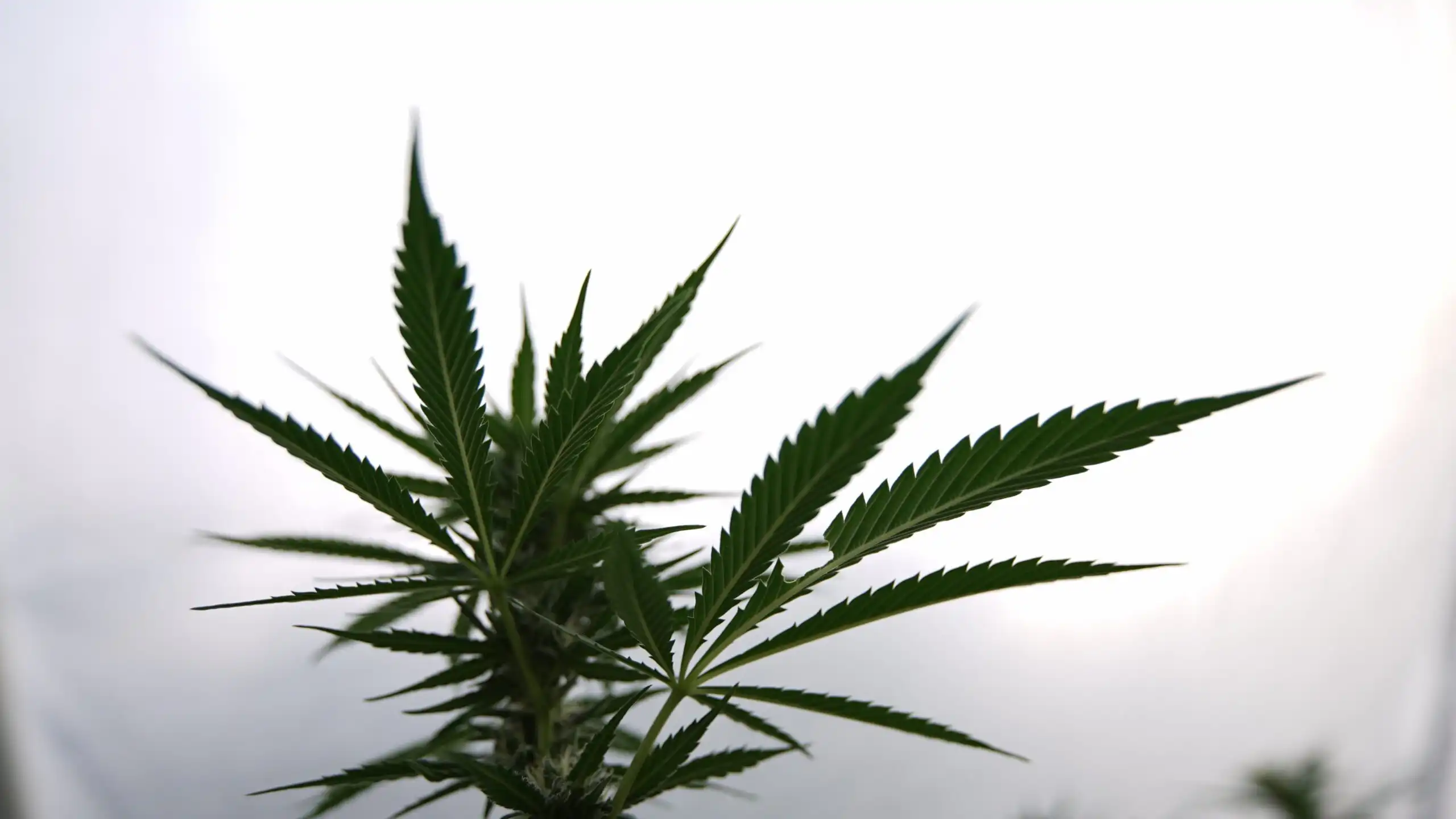
About 97 percent of the marijuana seized by California officials in the state’s no-go areas came from counties that continue to ban licensed growers, new data from the Department of Cannabis Control (DCC) reveals.
This shows how local governments that have refused to comply with California’s legalization law passed by voters 10 years ago are “benefiting” the illegal market, the state’s top cannabis regulator told State Affairs, which has obtained and reported the data for the first time.
The DCC has repeatedly argued that the current patchwork regulatory system — where localities are able to choose or refuse to allow certain types of licensed marijuana businesses to operate in their area — is a key factor in keeping the state’s illegal cannabis trade alive.
It creates barriers to access for mature consumers, while allowing unlicensed operators to operate in a policy vacuum. To address the problem, the state created the Joint Cannabis Enforcement Task Force (UCETF) in 2022 to coordinate multi-agency enforcement actions against illegal growers, manufacturers and sellers.
Through this work, DCC has been able to put the issue of local control into perspective. Based on data from enforcement activity from October 2022 to August 2025, the department found that 96.6 percent of the illegal marijuana seized by the UCETF in unzoned areas of the state was found in eight counties, nearly all of which maintain local bans on licensed marijuana growers.
DCC Director Clint Kellum said, “Cannabis is used in every community, regardless of local regulations,” and while localities can ban licensed shops, “they can’t take away consumer demand.”
“When local governments deny consumers access to licensed retailers, they benefit the illegal market and organized crime, while harming public health and safety,” he said. say State affairs
Kellum added that the department “will continue to put pressure on illegal operators, especially when the activity involves organized crime, illegal transport and distribution, illegal manufacturing, diversion, threats to the licensed market, environmental damage, labor exploitation or conduct that crosses jurisdictional boundaries.”
The DCC released the county-level data as Gov. Gavin Newsom (D) touted the state’s work in seizing 63,000 pounds of illegal cannabis worth more than $104 million and destroying more than 89,000 cannabis plants between April and June.
All told, the multi-agency task force has seized more than 841,000 pounds (or 420 tons, as the governor’s office noted in a press release) since it was formed four years ago.
“Disrupting the illegal cannabis market is about more than seizing unlicensed products: it’s about taking down criminal networks, taking illegal firearms out of the hands of dangerous people and stopping activities that threaten public safety,” the governor said. “Through strong multi-agency collaboration, California is making it clear: If you threaten our communities, we will act.”
Newsom, meanwhile, is term-limited, but California’s gubernatorial candidates from both major parties support legalization. Republican Steve Hilton, who supports President Donald Trump, recently told Marijuana Moment that The taxes and regulations on cannabis are “high”.
Not all California Republicans are on board with reform, however. The vice president of the State Senate Budget Committee has floated the idea putting a new initiative on the state ballot to “return” Proposition 64.for example, arguing that voters were misled and expressing concerns about the health effects of marijuana use.
“We have seen significant negative consequences of this legalization, both here and in other states,” the senator was speaking at a hearing with lawmakers. He passed a bill to legalize drive-thru marijuana dispensaries in Californiahe said
Democratic gubernatorial candidate Xavier Becerra, who previously served in Congress and as California’s attorney general, instead facilitated a scientific review process during his time as secretary of health and human services in the Biden administration that ultimately led to the decriminalization of cannabis under Title III of the Controlled Substances Act (CSA).
—
It’s Marijuana Time tracking hundreds of cannabis, psychedelic and drug policy bills in state legislatures and Congress this year. Patreon supporters by pledging at least $25/month, you’ll get access to our interactive maps, charts, and audio calendars so you never miss a development.
Learn more about our marijuana bill tracking and become a Patreon supporter to gain access
—
Meanwhile, California regulators have just approved emergency rule changes to the state’s marijuana licensing process. to make it easier for companies to receive benefits In line with the Trump administration’s recent decision to move forward with medical cannabis reregulation.
A was also launched New AI tool to help companies identify marijuana product packaging may appeal to kids violating state regulations.
Separately, Newsom recently He took credit for helping lead the state’s push to legalize marijuana and discussed his limited experience with cannabis use.
In October, however, the governor vetoed a bill that would have It allowed micro-marijuana companies to ship medicinal cannabis directly to patients Through common carriers like FedEx and UPS, he said the proposal would be “too burdensome and complex to manage.”
Newsom signed a bill earlier this month streamlining research into marijuana and psychedelics.
In September, the governor also signed a measure pause on the recent tax increase on marijuana products.
Separately, the state attorney general says Indian tribes cannot independently participate in the marijuana trade with licensed cannabis businesses without obtaining their own commercial license from state officials.
California officials have recently been rewarded nearly $30 million in grants for marijuana-focused academic research projects.
Photo by Chris Wallis // Side Pocket Images.
Marijuana Moment is made possible with the help of readers. If you rely on our pro-cannabis journalism to stay informed, consider a monthly Patreon pledge.

Cannabis News
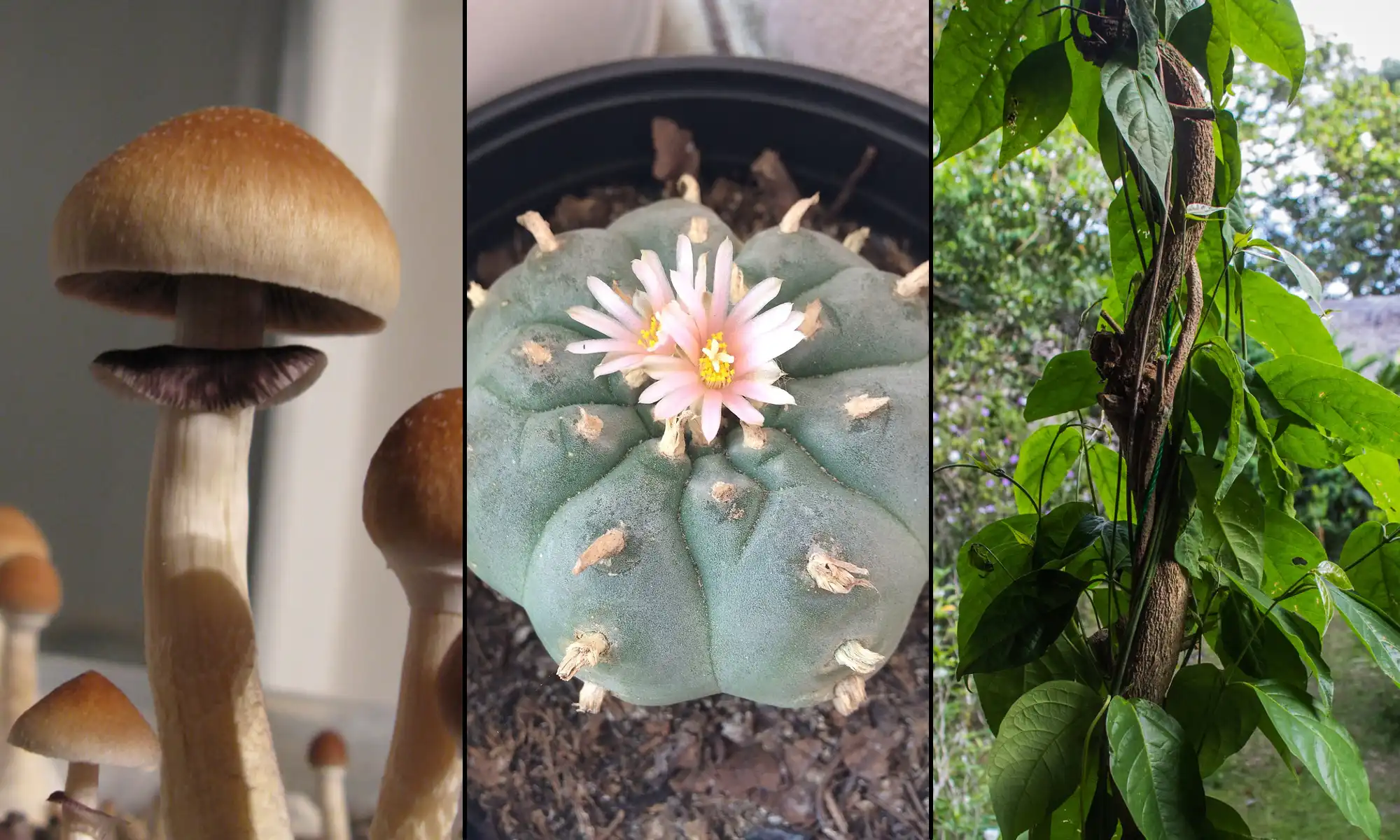
FDA Finalizes Guidance On ‘Unique Challenges’ Of Psychedelic Research And Schedules Hearing On Therapeutic Uses

Marijuana Retail Report

New MÜV dispensary comes to Chicago

Virginia Awakening: The Transition From Medical to Recreational

California’s Top Marijuana Regulator Says Local Bans ‘Benefit’ Illicit Market, With 97% Of Busts In Counties Without Legal Growers

Massachusetts Cannabis Legalization Repeal Effort Qualifies for November Ballot

Legalization Update with NORML’s Morgan Fox. Offering clarity to the historic DEA decision last week

CANNABIS INFLUENCER | JESSICA GOLICH

Marijuana Retail Report

FDA Finalizes Guidance On ‘Unique Challenges’ Of Psychedelic Research And Schedules Hearing On Therapeutic Uses

Wyoming Drugs Commissioner Will Not Reschedule Cannabis Under State Law Despite Federal Reforms

“Our system can manage equipment across 10,000+ m² using just a few wires”

Florida Workshop to Discuss What Constitutes a ‘Cartoon’ in Hemp Packaging

Mazar-i-Sharif Hash Wednesday

Afghan Black Hash Wednesday

From Finance to Wellness: Brad Zerman’s Impactful Pivot

Weak Michigan Cannabis Sales Again in July – New Cannabis Ventures

Re-release of the full show of Cannabis Coast to Coast news. Republican Texas DA Fires Up vs. laws;

DEA’s Cole Reverses His “priorities” ; Prohibitionists Dig In; Dead & Co Celebrates 60 years in SF

Texas DA Fires Up for Change! Mass. Sheriff arrested on Extortion charges; GOP vs Industry in state

Your Cannabis Business: Consistent Filings Are Critical
-
 Cannabis News11 months ago
“Our system can manage equipment across 10,000+ m² using just a few wires”
-
 Florida11 months ago
Florida Workshop to Discuss What Constitutes a ‘Cartoon’ in Hemp Packaging
-
 Video9 months ago
Mazar-i-Sharif Hash Wednesday
-
 Video9 months ago
Afghan Black Hash Wednesday
-
 Video11 months ago
From Finance to Wellness: Brad Zerman’s Impactful Pivot
-
 aawh11 months ago
Weak Michigan Cannabis Sales Again in July – New Cannabis Ventures
-
 Video11 months ago
Re-release of the full show of Cannabis Coast to Coast news. Republican Texas DA Fires Up vs. laws;
-
 Video11 months ago
DEA’s Cole Reverses His “priorities” ; Prohibitionists Dig In; Dead & Co Celebrates 60 years in SF