
Cannabis News
Gavita International launches Agrolux Operating System


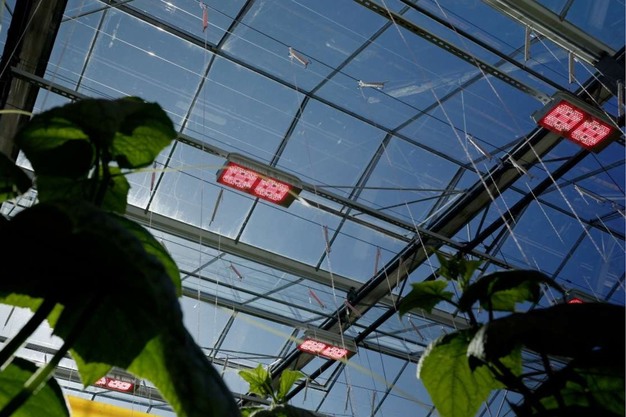
During Fruit Logistica, Gavita International launches the future Agrolux Operating System and the LYRA modular product platform. “The latest developments highlight Gavita International’s evolution into a fully integrated solution that supports growers throughout the crop cycle,” says CEO Marc Salvany.
After the management buyout on October 1, 2025, Gavita International is led by Marc Salvany (CEO) and Ad van der Vorst (CFO). With the launch of the Agrolux Actuator System, Gavita International is presenting not only a future-ready platform, but also its new strategic location: this presentation is the basis for the future developments of the globally operating lighting systems supplier.
The launch of the Agrolux brand underlines the company’s strategic move towards a fully integrated solution for professional growers.
 © Agrolux
Agrolux Operating System
“The Agrolux Operating System is a future-proof and user-friendly platform that enables professional farmers to improve performance, efficiency and return on investment, while actively contributing to a more sustainable, circular and resilient horticultural ecosystem,” explained Marc. “It supports electrical power and wireless communication, the Horticultural Lighting Protocol (HLP), and can work seamlessly with a climate computer or standalone. The system is also fully compatible with all generations of Agrolux (LED) luminaires as well as third-party brands.”
The Agrolux Operating System has capabilities on its development page, such as AI-based lighting strategies and integration with sensors, providing advanced automation, monitoring and control for modern greenhouse operations. The Agrolux Operating System protects existing investments while enabling smarter and more sustainable farming.
LYRA: the modular product platform of the future, fully complementary to the Agrolux portfolio
Together with the Agrolux Operating System, Gavita International is proudly developing LYRA; A new modular and future product platform to support current and next generation greenhouses. “At the heart of the LYRA platform is a modular design that supports multiple applications, including multi-channel configurations to enable lighting strategies, combined with a flexible power range from 340W to 1200W, depending on the producer’s requirements.”
The LYRA is designed around a single driver housing concept that allows LED modules to be added, upgraded and adjusted, ensuring the luminaire adapts to evolving technology, regulations and grower needs. Together with LYRA, the Agrolux OS system will continue to offer renewed features and innovations to the product platform.
LYRA complements the entire Agrolux (LED) luminaire portfolio, and the Agrolux Operating System supports all generations of Agrolux (LED) luminaires. “Together, they are designed to offer the professional greenhouse grower as much as possible
flexibility and long-term certainty in a rapidly evolving technology innovation landscape.”
LYRA will initially be available in a 4-channel version.
The defining moment
“Unveiling the Agrolux Operating System and previewing LYRA at Fruit Logistic is a defining moment for our company. This presentation marks a significant and exciting chapter for Gavita International, thanks to our dedicated team and the continued support of our trusted partners and respected growers. We look forward to meeting visitors in Berlin and showcasing our new developments,” said Marc.
Live demonstration at Fruit Logistica
At Fruit Logistica 2026, Gavita International will demonstrate the Agrolux operation
System live at stand A-46 in the Dutch Pavilion (Hall 3.2), seen first hand.
LIRA
Appointments for a demonstration can be booked online.
For more information:
Gavita International
(email protected)
www.agrolux.com









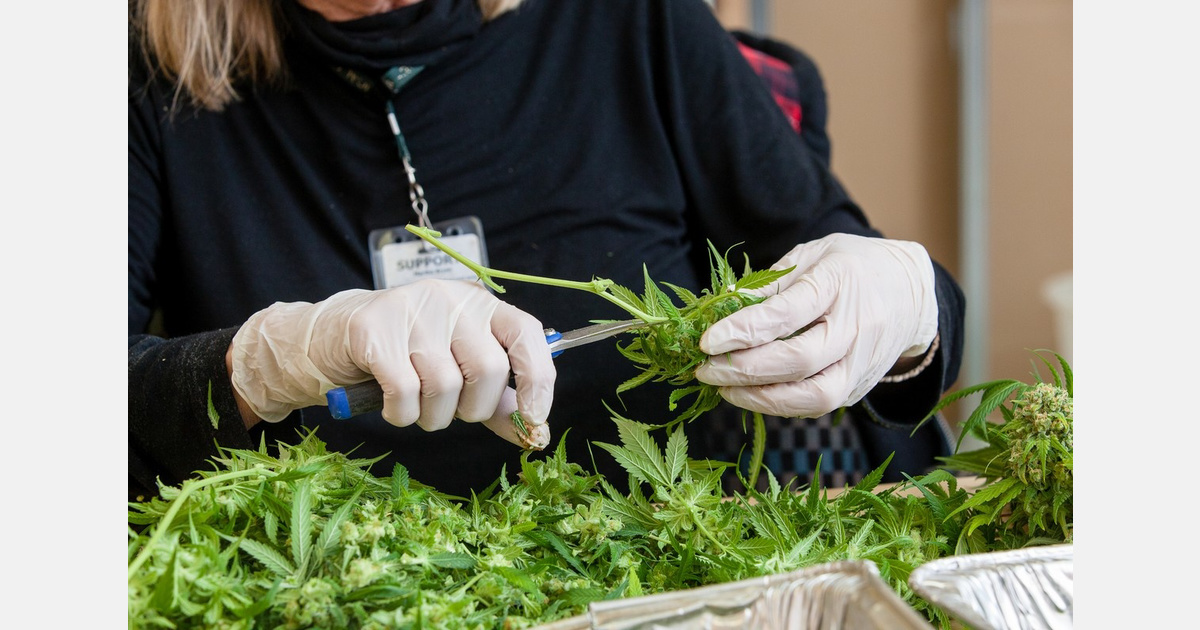
cbdMD welcomes the Administration’s call for Congress to ensure fair treatment of hemp-derived products under federal law and calls for immediate action to revise hemp regulations to ensure fair treatment of hemp products under federal law.
In a letter to congressional leadership this week, the White House Office of Management and Budget identified hemp reform as a priority strongly supported by the Administration. The petition calls on Congress to ensure fair treatment of hemp-derived products by maintaining access to appropriate full-spectrum CBD products, and by maintaining Congress’ intent to reduce products that pose health risks. The administration also urged Congress to pass a responsible federal framework or at least extend the current implementation period to give lawmakers time to get policy right. The request builds on the president’s previous public statements urging lawmakers to protect access to full-spectrum CBD products that millions of Americans rely on.
“We are encouraged to see the administration so clearly championing the responsible, scientific hemp products that consumers depend on every day,” said Ronan Kennedy, CEO of cbdMD. “cbdMD has always believed that the future of this category is built on quality, transparency, and clear rules that separate them from bad actors. A federal framework that protects consumer access, promotes safety, and provides certainty to companies that provide certainty is what this industry and the people it serves deserve. We applaud the policymakers who are working to achieve this outcome.”
“We believe CbdMD is purpose-built for this next phase of the market,” added Kennedy. “Our focus remains on serving our customers with reliable and effective products, supporting responsible regulation and building long-term value for our shareholders as the category continues to evolve. Along the way, we will continue to evaluate the opportunities this evolving environment holds.”
For more information:
cbdMD 
cbdmd.com/
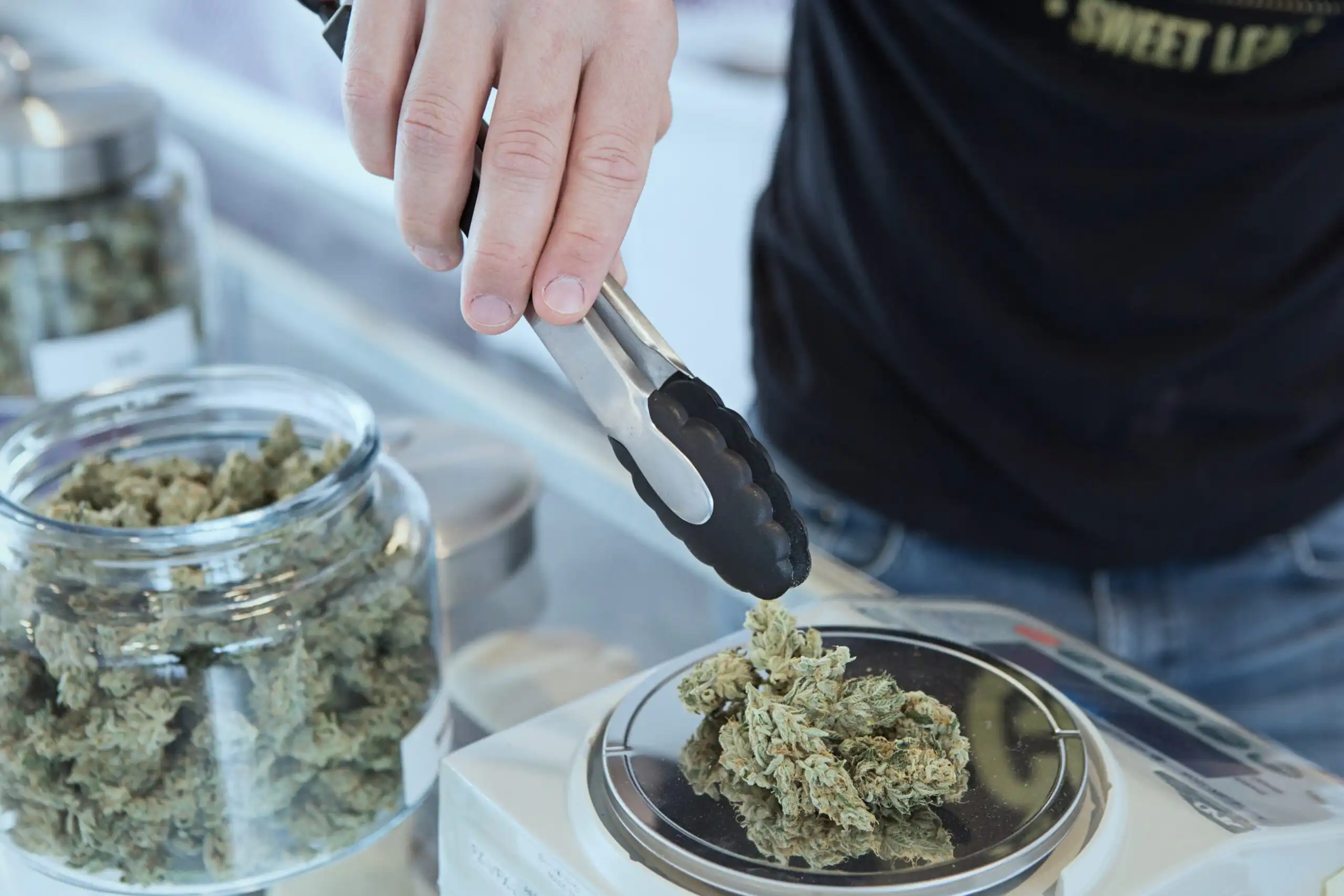
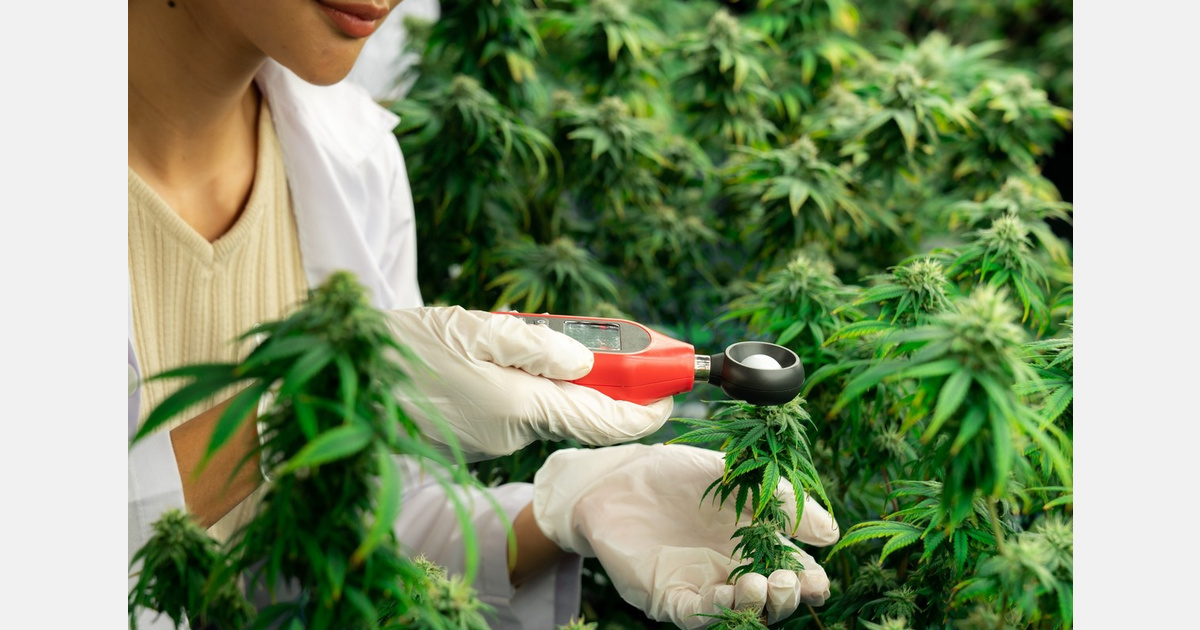
Two new RAND reports commissioned by the Richard M. Fairbanks Foundation outline the policy options and financial commitments facing Indiana as the state debates whether to change its cannabis laws amid restrictions across the country.
Reports show that 44% of Indiana residents live within 50 miles of a licensed dispensary in a neighboring state, and 96% live within 100 miles, as three of Indiana’s four states have legalized adult-use cannabis. At the same time, intoxicating hemp products containing the same psychoactive compound as marijuana are available at gas stations, convenience stores and grocery stores throughout Indiana with limited oversight.
Cannabis use in Indiana has doubled in the past decade, with a significant increase among adults 26 and older. RAND estimates that 1.3 million Hoosiers used cannabis in 2024 and spent $1.8 billion on marijuana products that year. Indiana recorded more than 13,000 cannabis-related arrests in 2024, with more than 90% for possession and more than 75% for non-cannabis related charges. The state spends $10 million to $20 million annually on cannabis law enforcement.
Rather than recommending a specific policy, the RAND reports outline four broad options: maintaining prohibition, reducing criminal penalties for possession, legalizing medical cannabis, or legalizing the adult recreational use market. Legalizing adult-use cannabis would generate about $180 million in annual state revenue, roughly 1 percent of the state’s general fund, well below some previous projections and less than half of the $385 million in combined cigarette and alcohol tax revenue Indiana will collect in 2025, according to the Indiana Department of Revenue.
Legalization would also entail significant upfront costs, and ongoing regulatory costs could reach the low tens of millions of dollars annually, outweighing the savings from reduced criminal justice spending. RAND identifies 14 policy considerations important to establishing legal markets, each with its own public health and state economic implications.

Weed Talk News Special Report & Interview Redefining Hemp Throws Industry into Turmoil

INVESTING IN CANNABIS | EMILY PAXHIA

cbdMD welcomes White House call for fair treatment of hemp-derived products

Industry Sentiment vs Reality – Could The Hemp Ban Be Extended?

Applications For Missouri Marijuana Microbusiness Licenses Will Open Next Month

Half of Gen Z Diagnosed with Depression Report Using Cannabis

Will the Farm Bill of 2024 Close Down Hemp Derived Highs? The Full A and B Blocks of Weed Talk News

Let’s Be Blunt with Montel – Algorithmic Boost Request – 2000000 #YTBoostRequest

RAND estimates Indiana adult-use cannabis could yield $180M in annual revenue

Institutions Evaluate Cannabis While Trulieve CEO Sells Shares

“Our system can manage equipment across 10,000+ m² using just a few wires”

Florida Workshop to Discuss What Constitutes a ‘Cartoon’ in Hemp Packaging

Mazar-i-Sharif Hash Wednesday

Afghan Black Hash Wednesday

Weak Michigan Cannabis Sales Again in July – New Cannabis Ventures

From Finance to Wellness: Brad Zerman’s Impactful Pivot

DEA’s Cole Reverses His “priorities” ; Prohibitionists Dig In; Dead & Co Celebrates 60 years in SF

Re-release of the full show of Cannabis Coast to Coast news. Republican Texas DA Fires Up vs. laws;

Curaleaf Q2 Revenue Falls 8% – New Cannabis Ventures

Your Cannabis Business: Consistent Filings Are Critical
-
 Cannabis News10 months ago
“Our system can manage equipment across 10,000+ m² using just a few wires”
-
 Florida11 months ago
Florida Workshop to Discuss What Constitutes a ‘Cartoon’ in Hemp Packaging
-
 Video9 months ago
Mazar-i-Sharif Hash Wednesday
-
 Video9 months ago
Afghan Black Hash Wednesday
-
 aawh11 months ago
Weak Michigan Cannabis Sales Again in July – New Cannabis Ventures
-
 Video11 months ago
From Finance to Wellness: Brad Zerman’s Impactful Pivot
-
 Video10 months ago
DEA’s Cole Reverses His “priorities” ; Prohibitionists Dig In; Dead & Co Celebrates 60 years in SF
-
 Video11 months ago
Re-release of the full show of Cannabis Coast to Coast news. Republican Texas DA Fires Up vs. laws;