
Cannabis News
The role of enzymes in cannabis cultivation


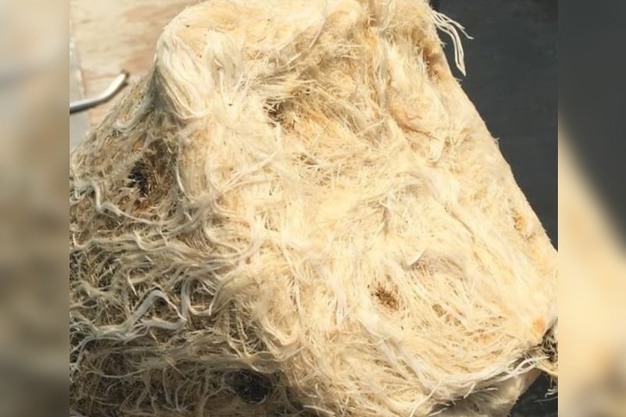
There’s a reason some practices survive in cannabis cultivation after everyone has quietly stopped believing in them. They work well enough, they’re popular, and most importantly, everyone else is doing it too. Acid-based line cleaners fit comfortably into that category. They sanitize, reset the system and provide the psychological relief of not knowing how to survive the process. “Whether it’s what you really want is another question,” says Key to Life’s Ian Smith. “Acids absolutely disinfect, but they also kill everything else. And we’ve found that they don’t kill pathogenic fungi like pythium or fusarium.” In other words, just because everyone uses acid-based cleaning products, it doesn’t mean it’s best practice. For Ian, enzymes are an alternative solution.
 © The key to life
Purity vs. sterility
At the heart of the use of acid-based cleaning products is a contradiction. “How has the industry managed to equate cleanliness with sterility, even as it increasingly relies on biological inputs to drive efficiency, performance and consistency?” Ian asks. “That’s why we developed ENDzyme Pods at Key to Life.”
Key To Life did not enter the market as an enzyme brand. It started with compost tea brews, moved to single-strain bacillus products, and then expanded to broader microbial formulations, all built around the same principle. “Water-soluble inputs are delivered as cleanly and efficiently as physically possible,” he explains. “There are no core nutrients, no lifestyle brands, just supplements designed to make existing systems behave better.”
It is this vision that ultimately led to the development of ENDzyme Pods. “ENDzyme Pods isn’t just a product, it’s a corrective to how enzymes have traditionally been used and priced in cannabis. Many enzyme products on the market are expensive enough for growers to treat as an occasional supplement, although enzymes are most effective when used consistently.” Others, more problematically, are aggressive enough to undermine the biology that biological breeders are trying to preserve. “We saw enzyme products that would completely clean a system,” says Ian, “but they were also completely killing the biology, which basically defeats their purpose.”
Cleaning and improving plant health
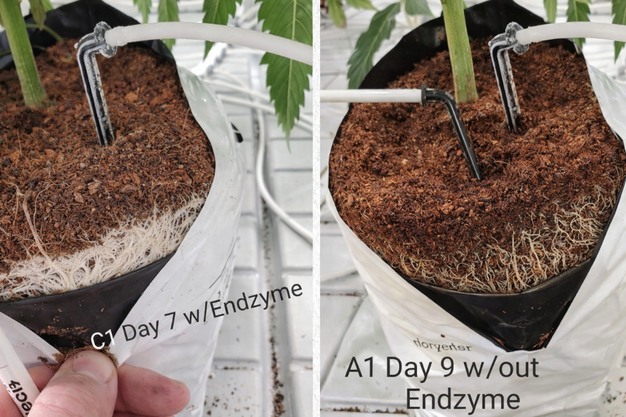
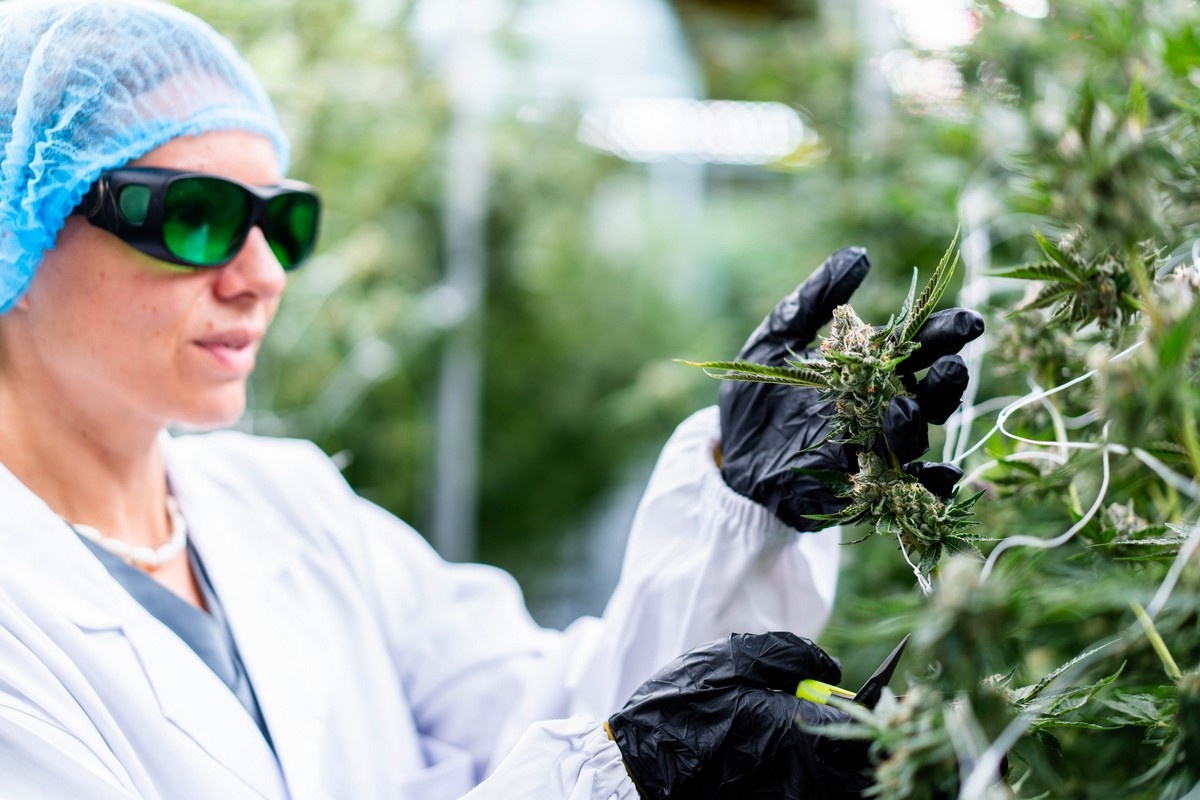
By selecting bacterial strains that naturally produce enzymes and remain active in solution, ENDzyme Pods function as a cleaning agent and biological support tool. “Used continuously at low rates, approximately 1 ounce per 500 gallons, they break up biofilm, retain dissolved oxygen and keep irrigation lines clean without wiping the slate clean,” he explains. The cost implications alone are hard to ignore. “We did a side-by-side comparison with standard acid-based cleaners, considering dilution rates and frequency of use, and the biological approach came out 3 to 4 times more expensive over time. That’s before you factor in what acids don’t do, which is improve nutrient availability.”
 © The key to life
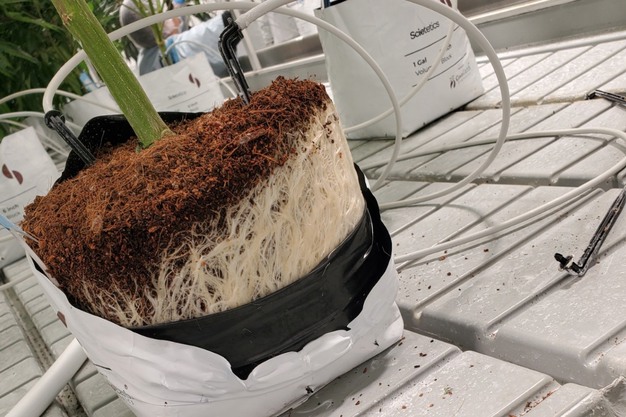
This is where the conversation shifts from maintenance to performance. Acids disinfect, but they also stop the biological processes that help plants obtain nutrients. On the other hand, enzymes literally do the opposite. “They break down organic matter, convert nutrients into more plant-available forms and inoculate the root zone in the process. In a case study involving 4 crops, one facility reduced nutrient inputs by 30% while recording a 17.8% increase in total yield.”
That result makes sense if you accept the premise that many producers still struggle with, which is that more inputs don’t automatically translate into more outputs. “I often see facilities running EC levels of 3.0 or 3.5, then put biologics on top and wonder why the blockage occurs. At that point there is too much nutrition in the solution. The plant can’t absorb it all, biologics or not.” In other words, enzymes allow plants to access what is already there with less energy expenditure, and direct metabolic resources to growth rather than survival.
Competing pathogens
The effect of these enzymes is not limited to the root zone. One of the unexpected applications of ENDzyme Pods has been foliar application at higher concentrations, approximately 1 ounce per 2 gallons, where Ian says they have consistently eliminated powdery mildew and aspergillus, even in late bloom. “Applied weekly, growers have also prevented botrytis without acting as a fungicide in the regulatory sense.”
Instead of poisoning the pathogens, the bacteria outcompete them by sequestering the free iron that the fungi need to reproduce and channeling it to the plants. “The bacteria are then cannibalized after a short period of time, leaving no residue and requiring no post-harvest treatment,” Ian said.
Combined with micronutrients such as Green9, which provides amino acids along with elements such as calcium, boron, sulfur and zinc, the effects are compounded. “These are non-mobile nutrients, slow to reach the tissues where they are needed. Enzymatic activities help to deliver them more efficiently, strengthening the plant’s defenses and, as a result, increasing the production of secondary metabolites.”
 © The key to life
At the same time, Ian is concerned that ENDzyme Pods are not a ‘get out of jail free card’ and therefore sanitation can be bypassed. “In fact, I recommend thorough resets upon rollover, including chlorine dioxide sanitation, filter changes, and proper dehumidifier cleaning, an area that many facilities neglect. Most disease pressure comes from environmental factors. Temperature drops, humidity spikes, dirty equipment. Biology helps, but works best when the system is already disciplined.”
Cannabis is grown in rooms designed to eliminate uncertainty, but the plant itself evolved in environments defined by microbial interactions. Trying to completely remove this reality has always been a temporary solution. “Nature has never been barren,” says Ian. “We can imitate that for a while, but biology always finds its way.”
For more information:
The Key of Life
(email protected)
keytolifesupply.com





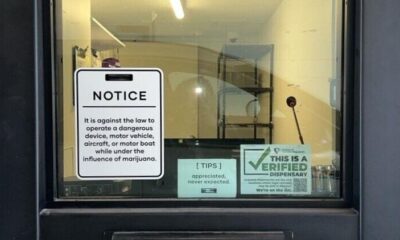


Malta’s cannabis associations will be able to hold larger stocks of cannabis under new rules introduced last week. While associations were previously only allowed to keep 500g of cannabis, a new legal notice sets different limits depending on the number of members registered with each.
Malta’s largest cannabis associations, with over 350 members, will now be able to sell 3.5kg of cannabis. Between 250 and 350 members will be allowed to possess 2.45 kg of cannabis, and associations registering between 110 and 250 members will be allowed to possess up to 1.75 kg.
Smaller ones will have stricter limits. Associations with less than 100 members will only have 700 g, while those with less than 50 members will have 350 g. Meanwhile, associations are allowed to store the equivalent of an eight-month supply in their cultivation area, calculated at 50g per member.
The new rules do not change how much cannabis a person can carry or consume. Under Malta’s cannabis laws, first introduced at the end of 2021, people can carry up to 7g of cannabis without fear of prosecution. Anyone caught with between 7g and 28g of cannabis will appear in court rather than face charges in a criminal court.
Read more at Maltese times
Cannabis News
Trump Administration ‘Very Anxious’ To Allow Psychedelic Therapy ‘As Quickly As Possible,’ RFK Tells Joe Rogan

The Trump administration is “very eager” to create a pathway for access to psychedelic therapy, Robert F. Kennedy Jr. According to the secretary of the US Department of Health and Human Services (HHS), and senior officials of federal agencies want to “communicate to the public as soon as possible.”
In an interview on the Joe Rogan Experience podcast released Friday, Kennedy said he’s confident “we’re going to get it,” with plans to develop and finalize rules that would allow patients with conditions like post-traumatic stress disorder (PTSD) and depression to access psychedelic substances like psilocybin and MDMA in a “very controlled environment.”
The secretary has been noted for his advocacy of psychedelic reform, an idea he floated as a 2024 Democratic presidential candidate before ultimately becoming the nation’s top health official under the Trump administration.
The president himself has been silent on the issue, but as Kennedy points out, support for expanding access to research and new therapeutics extends beyond HHS, with the heads of the US Department of Veterans Affairs (VA), the Food and Drug Administration (FDA) and the National Institutes of Health (NIH) also looking to take advantage of the potential benefits of psychedelic drugs.
“Everybody in my agency, and in (Secretary Doug Collins’) agency at the VA, is very eager to get a rule that will allow these types of studies and allow them to go into therapeutic settings, particularly for military personnel who have suffered these injuries to have access to these products,” Kennedy said. “We are working on that process now. We are all working and trying to make it happen.”
“I think we’ll make it.”
While some of the reform proposals being considered would be designed to “encourage more clinical trials” while having “very strong guidelines,” the health secretary said the agencies are interested in the full range of options that could include psychedelic therapies and other “rapid interventions.” One of Kennedy’s personal goals would be to validate the utility of substances like psilocybin over SSRIs for depression.
“We’re looking at that as a whole category of interventions that people should be able to look at and have appropriate access to, and we should roll it out as quickly as possible,” he said.
“This is what we’re anticipating, so I can’t tell you exactly what we’re going to do, but very, very strong therapeutic guidelines, so how they’re applied, what kind of follow-up. Because a lot of these things rewire the brain. If you don’t follow-up, it doesn’t work, or you have a failure rate. So we’re developing all of those things and I think we’re developing protocols. People in the administration are eager to do that as soon as possible. I know Doug Collins is doing 21 studies at the VA that they are doing, that they are very promising.
“You need those guidelines because you don’t want to do the Wild West. You can have horror stories overnight because some people can have very, very bad experiences,” Kennedy said. “We’re looking at ways to do it so it’s in a very controlled environment.”
Asked to expand on how Rogan sees the future of psychedelic therapies and whether it will include people in the military or other non-frontline roles, the secretary said he would “personally” like to see broad access, but “we have to take baby steps because you don’t want to create a situation where people want to get hurt.”
However, “you shouldn’t have a soldier who has given everything for the country, who has suffered terribly, who has come to Tijuana to receive these treatments, leave our country to receive treatments,” he said. “It doesn’t make sense.”
“I’ve seen so much overwhelming anecdotal evidence,” Kennedy said, emphasizing that one of his relatives has benefited from psychedelic therapy“but also clinical studies that verify the effect.” And officials at agencies like the NIH and FDA are “doing everything they can to make that happen.”
Rogan’s podcast interview comes a month after the release of a book by a reporter who allegedly had a romantic relationship with Kennedy, in which, as a presidential candidate, Kennedy still used psychedelics like DMT for “fun” and hid his drug use from his wife.
Meanwhile, in November, Kennedy, Vice President JD Vance, FDA Commissioner and other Trump administration officials attended the “Make America Healthy Again” summit. it was a session dedicated to studying psychedelic medicine.
In June, Kennedy said that his agency “Fully committed” to expanding research into the benefits of psychedelic therapy. and, along with the head of the FDA, aims to give military veterans legal access to these substances “within 12 months.”
The secretary also said that in April He had a “wonderful experience” with LSD at the age of 15He took it because he thought they would be able to see dinosaurs, as depicted in a comic he was a fan of.
Last October, Kennedy specifically criticized the FDA under the previous administration for the agency’s “eradication of psychedelics” and a laundry list of other issues that he said was a “war on public health” that would end under the Trump administration.
Marijuana Moment is made possible with the help of readers. If you rely on our pro-cannabis journalism to stay informed, consider a monthly Patreon pledge.

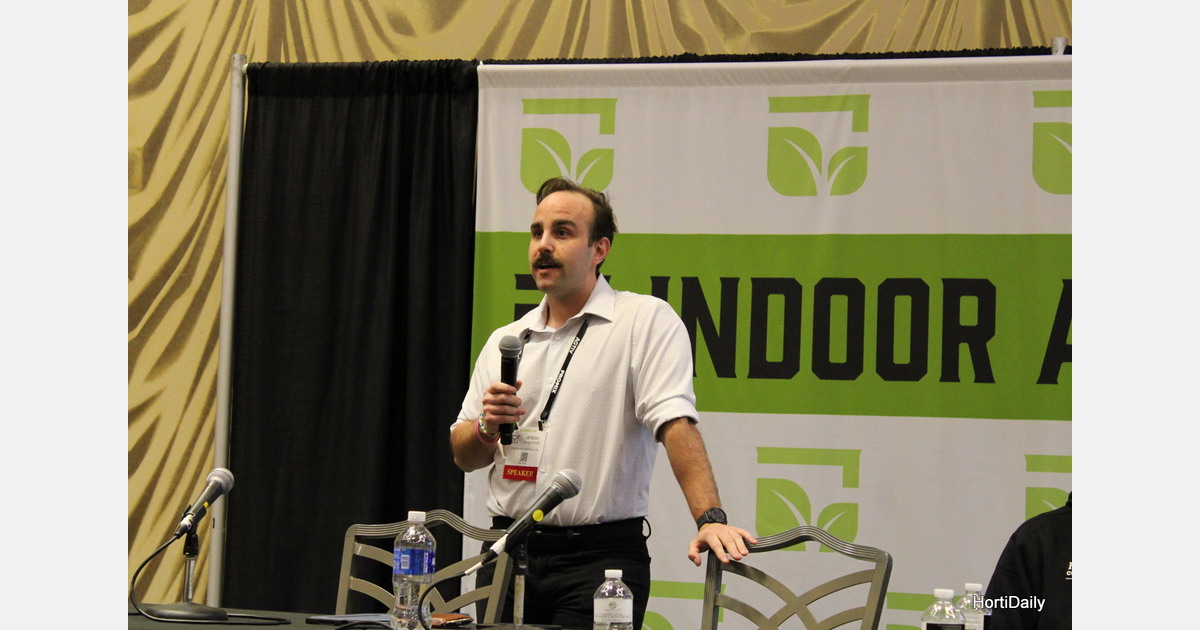
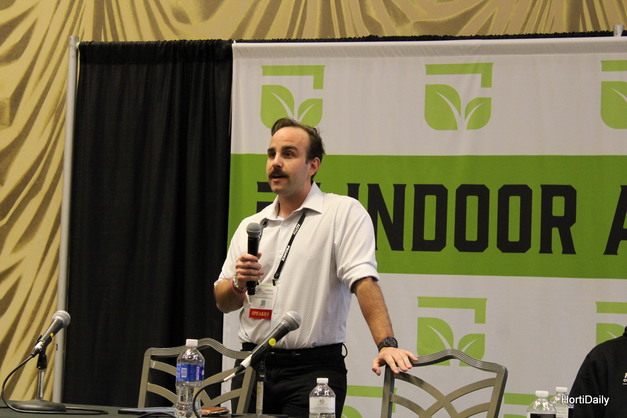
At the latest edition of Indoor Ag-Con, Jeremy Shechter focused his presentation on how data collection should work as an operational tool in commercial cannabis cultivation.
Jeremy, founder of Open Source Horticulture, opened by challenging a common assumption within the cultivation community. “We’re not as good as we think we are,” he said, pointing to the gap between perceived performance and what can actually be demonstrated. Without data, he argued, operators tend to rely on preconceptions rather than evidence.
Genetics, Jeremy explains, cannot be evaluated in isolation. “Genetics don’t just happen in a vacuum,” he said. In other words, data collection becomes the only reliable way to understand how genetics behaves in different rooms, facilities and operating conditions.
Profit figures alone, he adds, rarely tell the whole story. Teams may be able to articulate a number, but struggle to explain how that result was achieved. “Show me the dashboard,” Jeremy said, describing situations where performance claims fall apart because historical data is not available or cannot be accessed. In those cases, memory fills the void, even though, as he said, “our memory is very bad.”
 © Eelkje Pulley | MMJDaily.com
The importance of setting goals
Jeremy envisioned data as a mechanism that allows teams to move toward defined goals. “One of the most important drivers for people is moving toward a goal,” he said, and progress is only seen when it’s measured consistently. Without solid data, goals remain abstract.
A recurring point in the presentation was the need for moderation. To illustrate this, he quoted Leonardo Da Vinci: “Simplicity is the ultimate sophistication,” Jeremy said, describing the tendency to overcomplicate data systems. He argued that not all data is worth collecting, and that excessive measurement often creates noise rather than insight.
Deciding what data matters, Jeremy insists, should not be left to chance. “Data is not created equal,” he said, “teams can easily spend time collecting information that doesn’t impact results. KPI selection should be driven by leadership and tied directly to business performance, then clearly communicated to crop managers.”
Entrepreneurship then becomes the key. “If a data point doesn’t inform a decision, it shouldn’t be treated with the same rigor.” Jeremy used room pressure as an example, explaining that while deviations from a set point can indicate a problem, they don’t necessarily correspond to long-term performance tracking. In other words, trends are more important than isolated readings.
Data collection systems
Jeremy also discussed the structure of effective data collection systems. “It has to be top to bottom,” he said, describing the need to follow every step of the process from cultivation to packaging. “Those systems have to be custom built for each facility.” He again emphasized the importance of keeping it simple and easy. “If you want to keep doing something, keep calm,” Jeremy said. Adding steps to any process increases friction and reduces compliance, whether in cultivation or data entry.
Paper-based workflows were highlighted as a persistent problem. Jeremy described the operations involved in entering data and then transferring it to a computer, a process he noted is inefficient and error-prone. Fully digitized systems, using tablets or mobile devices, were presented as a basic requirement for reliable data access.
Towards the end of the session, Jeremy touched on how data influences decisions beyond crop metrics. He noted that some cultivars can produce high yields but perform poorly after drying, becoming brittle or difficult to handle. Without tracking these results, operators run the risk of optimizing for numbers that don’t translate into finished product performance.
For more information:
Indoor Ag-Con
www.indoor.ag

Segra Tissue Culture Tour

13th Annual MJ Biz Con Preview and Live Special 12-9_ 7-9PMEST

Struggling With Nutrients? Try This

NATIONAL CANNABIS FESTIVAL & SUMMIT | CAROLINE PHILLIPS

Marijuana Retail Report

Cannabis Stocks Held Steady – New Cannabis Ventures

New rules raise cannabis stock limits for Malta’s associations

Trump Administration ‘Very Anxious’ To Allow Psychedelic Therapy ‘As Quickly As Possible,’ RFK Tells Joe Rogan

Tiger Bomb Marijuana Monday

MJBizCon 2024 Las Vegas LIVE Recap | Special Interviews | Technology & Product Reviews and MORE!

“Our system can manage equipment across 10,000+ m² using just a few wires”

Florida Workshop to Discuss What Constitutes a ‘Cartoon’ in Hemp Packaging

Mazar-i-Sharif Hash Wednesday

Your Cannabis Business: Consistent Filings Are Critical

Re-release of the full show of Cannabis Coast to Coast news. Republican Texas DA Fires Up vs. laws;

Weak Michigan Cannabis Sales Again in July – New Cannabis Ventures

DEA’s Cole Reverses His “priorities” ; Prohibitionists Dig In; Dead & Co Celebrates 60 years in SF

From Finance to Wellness: Brad Zerman’s Impactful Pivot

Texas DA Partakes on Tik Tok to prove a point; Boston Sheriff arrested for Extortion of $ w/ Ascend

New Hampshire Governor Says Federal Marijuana Rescheduling Won’t Change Her Opposition To Legalization
-
 Cannabis News6 months ago
“Our system can manage equipment across 10,000+ m² using just a few wires”
-
 Florida6 months ago
Florida Workshop to Discuss What Constitutes a ‘Cartoon’ in Hemp Packaging
-
 Video5 months ago
Mazar-i-Sharif Hash Wednesday
-
 Best Practices6 months ago
Your Cannabis Business: Consistent Filings Are Critical
-
 Video7 months ago
Re-release of the full show of Cannabis Coast to Coast news. Republican Texas DA Fires Up vs. laws;
-
 aawh7 months ago
Weak Michigan Cannabis Sales Again in July – New Cannabis Ventures
-
 Video6 months ago
DEA’s Cole Reverses His “priorities” ; Prohibitionists Dig In; Dead & Co Celebrates 60 years in SF
-
 Video6 months ago
Texas DA Partakes on Tik Tok to prove a point; Boston Sheriff arrested for Extortion of $ w/ Ascend