
Cannabis News
New Hampshire Lawmakers Take Up Bipartisan Bills To Legalize Psilocybin For Medical Use

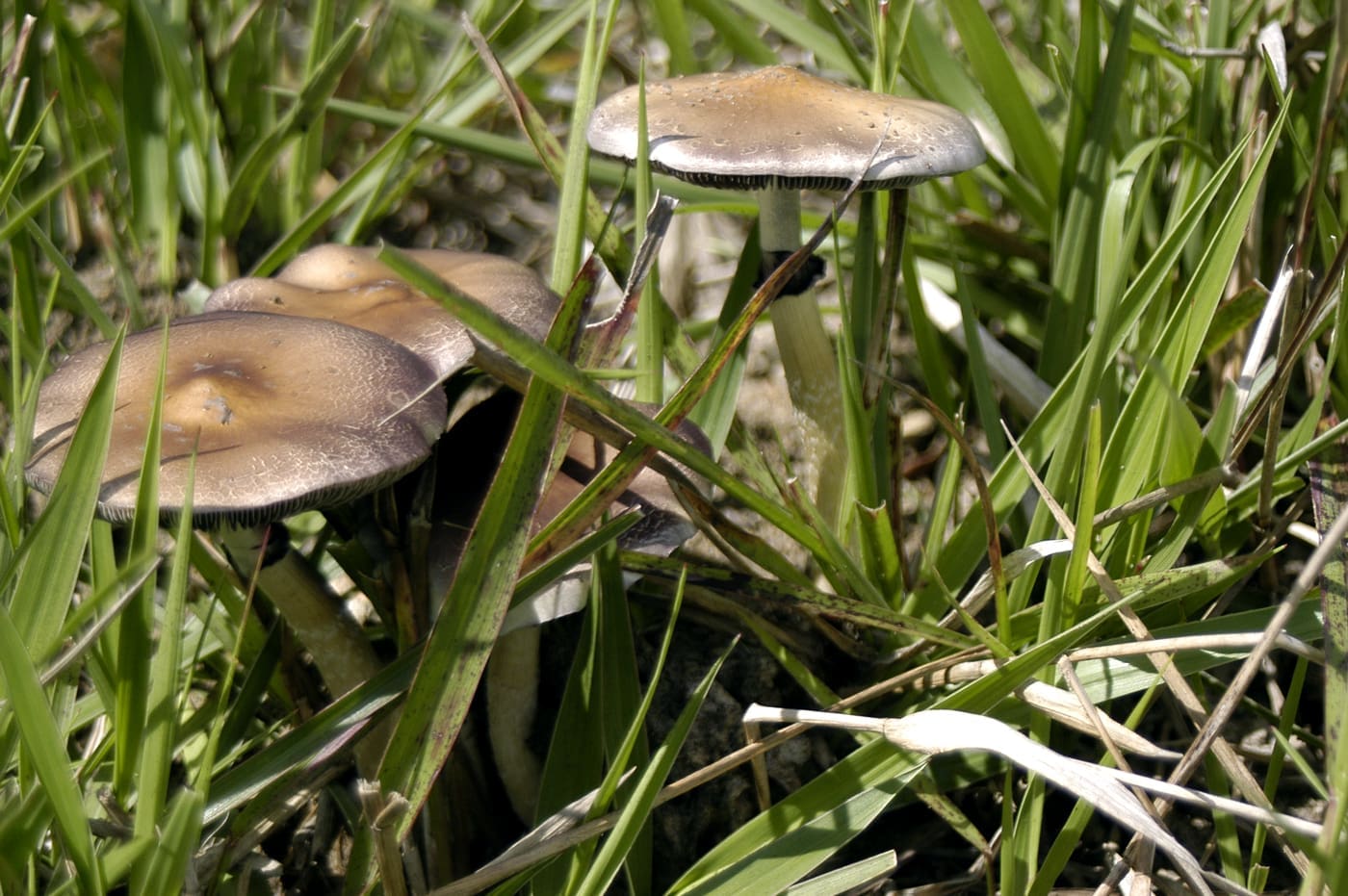
New Hampshire lawmakers on Wednesday took up a pair of bipartisan bills to legalize the regulated use of psilocybin for medical purposes.
At a hearing before the House Health, Human Services and Aging Committee, members heard public testimony on the proposals: HB 1809 by Rep. Buzz Scherr (D) and HB 1796 by Rep. Michael Moffett (R).
Both measures seek to create a regulatory pathway for patients with certain conditions to access psychedelics for therapeutic use through a program overseen by the state Department of Health and Human Services (DHHS). But Moffett’s legislation has more mandates about the regulatory framework.
“I’m hardly a major supporter of a measure like this,” Moffett told lawmakers at the hearing, saying he’s “always been very wary and skeptical” of psychedelics and has “always been averse to marijuana for many reasons, including the fact that I was constantly drug tested over many years in the Marine Corps and developed zero tolerance for illegal drug use.”
He said he changed his mind after seeing a presentation on psychedelic therapies at a national veterans conference last summer, where he learned that “a psilocybin treatment option can work for almost anyone, beyond military or ex-military.”
Scher, for his part, said that “a large amount of research is currently being done on the therapeutic uses of psilocybin.”
“Research to help those with treatment-resistant depression is pretty important right now,” he said. “Research is being developed on its broader use for those suffering from other types of PTSD. Research is also being developed on its use with people with other types of substance abuse.”
Jenny O’Higgins of the state Department of Health and Human Services said officials have some concerns about the lack of matching funds in Moffett’s legislation, saying the department “wouldn’t be able to absorb” the program under its current budget.
A representative of Smart Approaches to Marijuana’s New Hampshire affiliate testified against the proposals, saying psilocybin is an illegal Schedule I drug. He also argued that there is insufficient evidence to support the therapeutic potential of psychedelics.
Here are the main provisions HB 1809:
- DHHS would be responsible for approving licensed medical professionals who are able to act as psilocybin providers for patients.
- To qualify for the program, patients must be diagnosed with treatment-resistant depression, post-traumatic stress disorder (PTSD), substance use disorder, or another condition approved by an advisory board and DHHS.
- The legislation specifically states that only natural psilocybin could be administered, excluding synthetic versions of the psychedelic.
- Suppliers would also have to be approved by the department to grow and harvest their psilocybin products.
- The process of treating qualifying patients with psychedelics should include a preparation session, an administration session, and an integration session.
- A Medical Psilocybin Advisory Committee would be established, consisting of a DHHS representative, a qualified patient, a veterans advocate, and eight medical professionals.
- Those medical experts should include a psychedelic researcher, two regulators overseeing existing medical psilocybin programs, and specialists in addiction treatment, palliative care, veterans affairs, naturopathy, nursing and mental health counseling.
- The commission would look at DHHS’ data on patient outcomes, add requirements for participation in the program and decide whether to expand the law.
- The program would be implemented if the advisory committee, within two years of the bill’s passage, notifies lawmakers, regulators and the governor that it can be effectively administered.
“The medical community has always recognized that patients have serious conditions that are highly resistant to effective treatments,” reads a statement of purpose for the measure. “Recently, studies have begun to show that some of these patients have had positive outcomes with closely supervised use of psilocybin for treatment.”
“Patients with significant post-traumatic stress disorder, treatment-resistant clinical depression, and severe substance use disorder have been shown to benefit from controlled, therapeutic use of psilocybin in a supervised setting,” he says. “The purpose of this action is to create a carefully controlled and closely supervised environment in which an approved medical provider can treat a carefully selected patient with appropriate doses of psilocybin produced by the same provider for a medical intervention.”
Here are the main details HB 1796:
- The bill would allow for the regulated use of psilocybin in a medically supervised setting, and DHHS would be responsible for overseeing the program.
- To be eligible for psilocybin treatment, a patient 21 years of age or older must be diagnosed with treatment-resistant depression, PTSD, substance abuse disorder, a terminal illness requiring end-of-life care, or any other condition authorized by DHHS.
- A Psilocybin Licensing Board under the department will be responsible for licensing independent medical psilocybin suppliers, therapy providers, cultivation and testing laboratories.
- There would be specific guidelines for facilities where psychedelics can be administered, including safety requirements and other safety protocols, such as ensuring that rescue medication is on site in case a patient experiences an adverse event.
- The legislation would also establish a Psilocybin Therapeutic Treatment Fund, which would be funded by revenue from licensing taxes and fees. The funds would go towards studies on the possibility of expanding the program to include additional psychedelics in the program.
- If the law is approved, it would take effect on January 1, 2027.
“The purpose of the Therapeutic Psilocybin Act is to allow the beneficial use of psilocybin for the relief of qualified medical conditions in a regulated system,” the bill’s purpose statement reads.
The chances of the bill moving forward this session are unclear, but lawmakers have become increasingly active in recent years in support of psychedelic reform.
Last June, the New Hampshire Senate voted to repeal the compromise legislation It would lower the state’s criminal penalty for first-time possession of psilocybin also creating mandatory minimum sentences for fentanyl.
As originally introduced, the legislation would completely remove the penalties for obtaining, purchasing, transporting, possessing or using psilocybin, effectively legalizing it on an off-trade basis. However a The House Committee amended the bill before it could advance unanimously last march
Meanwhile in New Hampshire, the House last week passed a bill to legalize marijuana in the state– Although his chances of passing to the Senate remain doubtful, and the governor has expressed a clear position against the reform.
Also last week, the chamber approved a proposal to make medical cannabis dispensaries into non-profit businesses.
The legalization bill sponsored by Rep. Jared Sullivan (D) is one of several cannabis proposals filed for the 2026 session, including legislation by Rep. Jonah Wheeler (D) that seeks to put a constitutional amendment on the state ballot. let voters decide whether they want to legalize marijuana for adults 21 and older“having a modest amount of cannabis for their personal use.”
Gov. Kelly Ayotte (R) has already threatened to veto the legalization bill that reaches his desk, even though the proposal to amend the Constitution would not require gubernatorial action.
The governor said in August his position on the reform it would not change, even if the federal government moved forward with reorganizing the plant. Since then, President Donald Trump has ordered the attorney general to complete the process of moving cannabis from Schedule I to III of the Controlled Substances Act (CSA).
At a committee meeting last year, Sullivan ultimately made a persuasive argument for moving forward with his legalization bill, pointing out. The House has repeatedly passed similar legislation and that the House should stand its ground, forcing the Senate and the governor to once again oppose a policy that is popular with voters.
“We know where it’s going. Let’s send a virtue signal,” Sullivan said. “Let them be the ones to piss off the voters who care about this.”
Meanwhile, the House also passed a bill by Rep. Wendy Thomas (D) last week allow medical marijuana dispensaries (known in the state as “alternative treatment centers” or ATCs) to convert their dispensary licenses into nonprofit entities.. HB 54, which adopted a concurrence schedule with other laws, had previously advanced unanimously out of the House Finance Committee.
Part of the motivation behind the legislation is the fact that medical marijuana dispensaries are not for-profit federal states. But in the state, they are considered non-profit organizations, which has disproportionately increased their operating costs.
Other bills introduced in 2026 include two proposals to protect the gun rights of medical cannabis patients.
There’s also some legislation aimed at regulating the sale of hemp, an issue that’s getting a lot of attention since Congress passed and Trump signed an appropriations bill that would effectively re-criminalize most consumable hemp products.
Meanwhile, after the House added provisions to a bill passed by the Senate last year that would have allowed medical marijuana patients to grow cannabis at home, those measures were removed in the conference.
user photo CostaPPR.
Marijuana Moment is made possible with the help of readers. If you rely on our pro-cannabis journalism to stay informed, consider a monthly Patreon pledge.











Dalgety Ltd has entered into a partnership with Curaleaf Laboratories to supply pharmaceutical grade cannabis medicines to the UK cannabis market. The arrangement combines Dalgety’s cultivation operations, which are certified to EU-GMP standards, with Curaleaf Laboratories’ pharmaceutical manufacturing and distribution capabilities. According to the companies, this creates a UK-based supply route that does not rely on imported cannabis flowers, as Dalgety cultivates its product in-house. Dalgety claims it was the first company in the UK to grow, manufacture and supply EU-GMP medical cannabis from a single site.
 © Curaleaf Laboratories
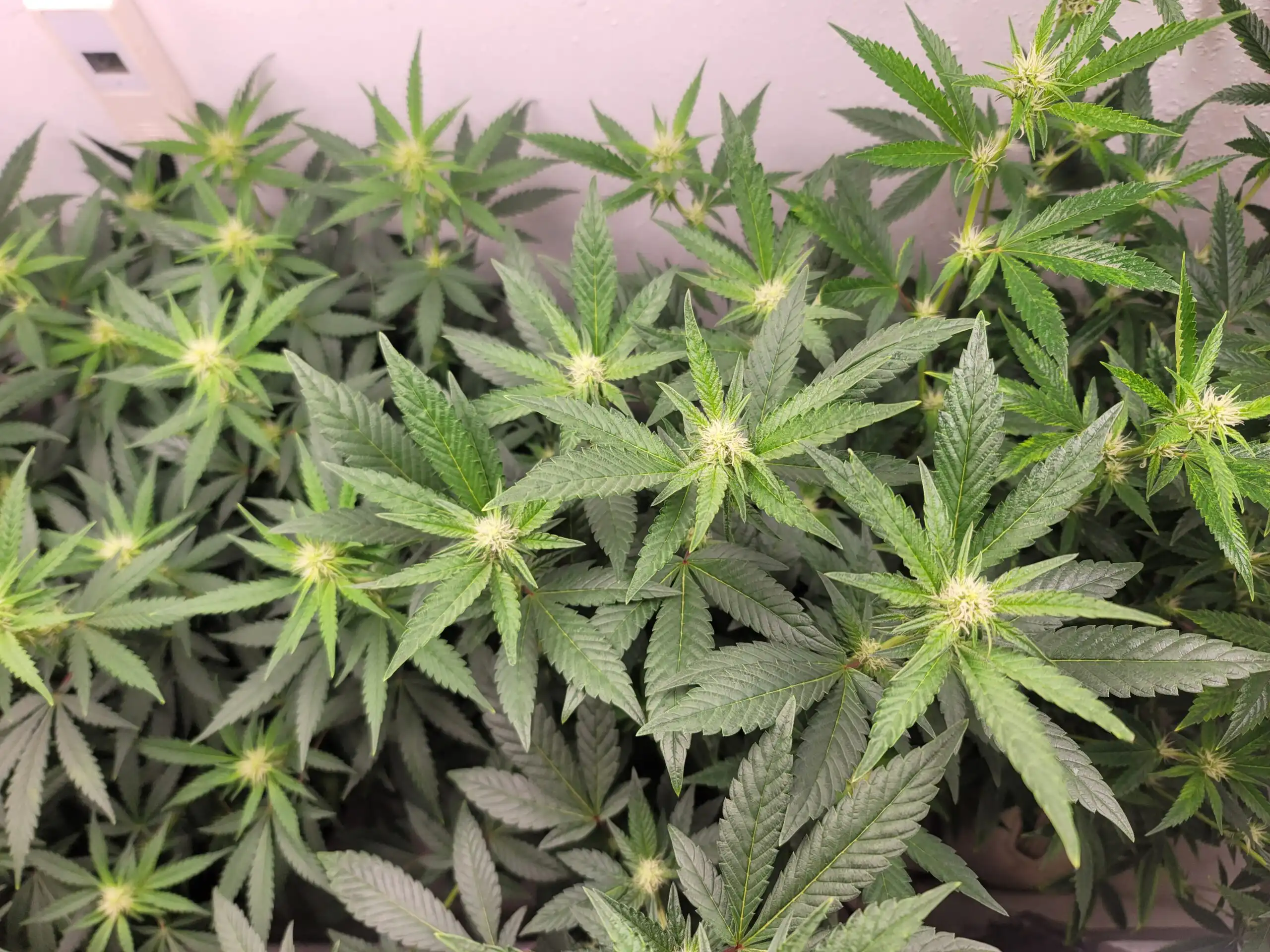
The growing facility, which is more than 30,000 square feet, is located indoors and uses hydroponic growing methods along with automated lighting, irrigation, humidity and temperature control systems. The company reports that it uses AI-assisted environmental monitoring, which extends the traceability of batches to the final product and compares them to operating standards for air filtration systems. Post-harvest processing is said to follow EU-GMP protocols, including microbial and cannabinoid testing.
The stated goal of this approach is to reduce between-harvest variation in terms of THC and CBD content, terpene profiles, and microbial safety. Dalgety says his cultivation is overseen by staff with experience in horticulture and biochemistry, some of whom have worked on cannabis cultivation projects internationally.
Through a partnership with Curaleaf Laboratories, Dalgety’s UK-grown cannabis is processed and distributed through a UK-based supply chain, rather than imported from overseas. Companies suggest that this arrangement can shorten the time it takes to get products to market compared to importing, and reduce the likelihood of supply disruptions. Because Dalgety and Curaleaf Laboratories are involved in cultivation, manufacturing and distribution, the companies say this oversees the product at every stage, making it clearer for prescribers to see where and how the product was made.
 © Curaleaf Laboratories
Dalgety operates to EU-GMP standards and has been subject to regulatory review by the MHRA and the Home Office. Its operations include environmental monitoring, microbial testing, stability testing, controlled drying and curing procedures and quality assurance processes, along with controlled and secure facilities.
The company describes its work as controlled environment farming, hydroponic systems, environmental control technology, and efforts to stabilize cannabis genetics and phenotypes for batch-to-batch consistency.
 © Curaleaf Laboratories
Dalgety has also opened its cultivation facilities for visits to healthcare professionals, clinicians, pharmacists, researchers and other industry stakeholders. The company says this is in response to the fact that much of the cannabis historically supplied to UK patients has been grown overseas, which has limited opportunities for UK clinicians to see first-hand the cultivation and quality control processes. These tours aim to provide visitors with information on cultivation standards, EU-GMP compliance procedures, environmental control systems, testing processes and the regulatory framework governing cannabis manufacturing in the UK.
Dalgety and Curaleaf Laboratories describe their partnership as expanding access to UK-grown medical cannabis, improving supply chain reliability and helping to meet sector regulations, placing it in the wider context of growing demand for cannabis-based treatments from UK patients.
For more information:
Curaleaf Laboratories
Email: (email protected)
https://curaleaflaboratories.co.uk/
Cannabis News
Arkansas GOP Governor And Democratic Challenger Agree On Opposing Marijuana Legalization
Cannabis News
Will the top World Cup expert in the fruit, vegetable, and horticulture sector come from Canada, the U.S. or Belgium?

FreshPublishers 2026 World Cup Group Stage
The World Cup is coming to an end, with the third-place play-off between France and England on Saturday, and the final between Spain and Argentina the following day. It won’t be long until the grand winner of FreshPublishers’ first World Cup pool is revealed.
 © Fresh Publishers
As previously reported, Slim Kooli from Courchesne Laros is the favorite to win the €1,000 prize. He has secured a comfortable lead over Nol Batist of North American Interstate Greenhouse Company, while buyer Bjorn Van Ryckeghem of Deprez Construct is currently in third place.
| 1 | Sim School | Spain | 1–0 | 2–1 | 737 | 9716 | |
| 2 | Nol Batist | France | 2–1 | 1–1 | 674 | 9433 | |
| 3 | Bjorn Van Ryckeghem | France | 2–2 | 3–1 | 674 | 9264 | |
| 4 | Christian Anton Smedshaug | England | 1–2 | 1–2 | 659 | 9134 | |
| 5 | Perry Springintveld | Spain | 1–1 | 2–1 | 647 | 9105 | |
| 6 | Willem Tijssen | Spain | 2–0 | 2–1 | 710 | 9098 | |
| 7 | Hans Borsboom | Spain | 2–1 | 2–1 | 528 | 9058 | |
| 8 | Bart Triemstra | Spain | 2–1 | 2–1 | 737 | 9052 | |
| 9 | Youness Bensaid | Spain | 2–1 | 1–1 | 722 | 8954 | |
| 10 | Vijay Dijkstra | Portugal | 2–0 | 2–1 | 382 | 8953 |
However, there have been some surprises during the tournament, and bonus points must be added, so we will keep the suspense a little longer. On Monday we will find out who is the main World Cup announcer in the international fruit, vegetable and horticulture sector…

BREAKING NEWS DEA RESCHEDULES CANNABIS TO SCHEDULE 3!

ASK ME ANYTHING | MONTEL

Marijuana Retail Report

Redefining the standards of UK cannabis

Arkansas GOP Governor And Democratic Challenger Agree On Opposing Marijuana Legalization

Michigan Cannabis Brand Forced to Close After Investigation Finds Inventory Discrepancies, Out-of-State Transport

The C Block…more 420 recaps on Weed Talk News …recorded 4_29_24

PART 1 TAKING A KNEE | NATE BOYER

Marijuana Retail Report

Will the top World Cup expert in the fruit, vegetable, and horticulture sector come from Canada, the U.S. or Belgium?

“Our system can manage equipment across 10,000+ m² using just a few wires”

Mazar-i-Sharif Hash Wednesday

Florida Workshop to Discuss What Constitutes a ‘Cartoon’ in Hemp Packaging

Afghan Black Hash Wednesday

From Finance to Wellness: Brad Zerman’s Impactful Pivot

Weak Michigan Cannabis Sales Again in July – New Cannabis Ventures

Re-release of the full show of Cannabis Coast to Coast news. Republican Texas DA Fires Up vs. laws;

DEA’s Cole Reverses His “priorities” ; Prohibitionists Dig In; Dead & Co Celebrates 60 years in SF

Texas DA Fires Up for Change! Mass. Sheriff arrested on Extortion charges; GOP vs Industry in state

Your Cannabis Business: Consistent Filings Are Critical
-
 Cannabis News11 months ago
“Our system can manage equipment across 10,000+ m² using just a few wires”
-
 Video10 months ago
Mazar-i-Sharif Hash Wednesday
-
 Florida11 months ago
Florida Workshop to Discuss What Constitutes a ‘Cartoon’ in Hemp Packaging
-
 Video9 months ago
Afghan Black Hash Wednesday
-
 Video11 months ago
From Finance to Wellness: Brad Zerman’s Impactful Pivot
-
 aawh11 months ago
Weak Michigan Cannabis Sales Again in July – New Cannabis Ventures
-
 Video11 months ago
Re-release of the full show of Cannabis Coast to Coast news. Republican Texas DA Fires Up vs. laws;
-
 Video11 months ago
DEA’s Cole Reverses His “priorities” ; Prohibitionists Dig In; Dead & Co Celebrates 60 years in SF