
Cannabis News
Medical Marijuana Helps People Stop Using Opioids, Sleeping Aids And Other Prescription Drugs, Study Shows

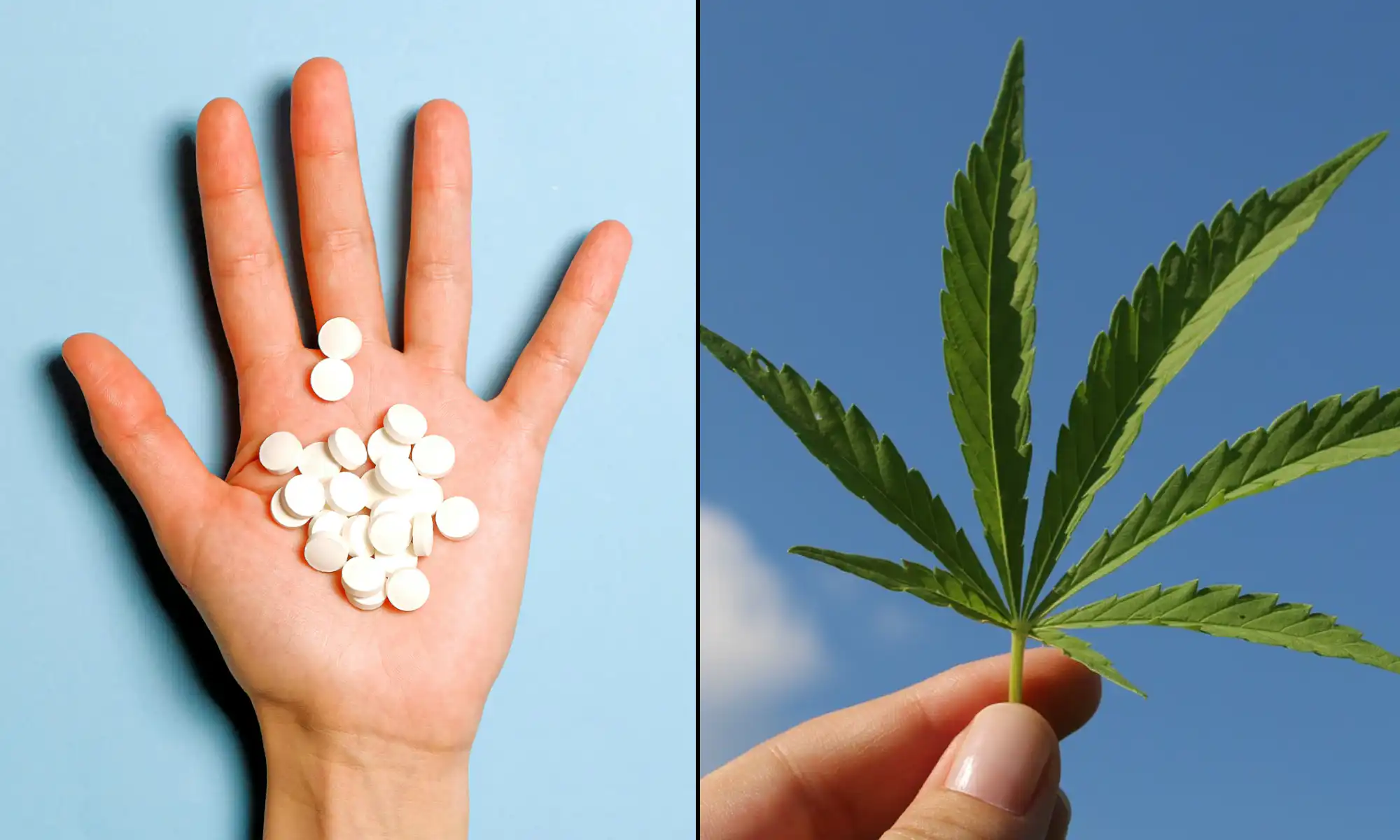
Using medical marijuana appears to help reduce the use of other medications, including opioids, sleep aids and antidepressants, according to a new study of more than 3,500 patients. They experience far fewer negative side effects after switching from prescription drugs to cannabis.
The survey results show that across all medication categories, patients were able to reduce their use of other prescription drugs by an average of 84.5 percent after starting to use medical cannabis.
More than half of the patients (58.9 percent) completely stopped using other prescription drugs.
The study, conducted and published by medical cannabis and telehealth company Bloomwell, conducted an online survey of 3,528 patients in Germany last month.
“Through the use of medical cannabis, patients were able to reduce their use of other prescription medications by an average of 84.5% across all categories.”
93.4 percent of patients taking sleeping pills were able to cut their use in half after starting medical marijuana, and 75.5 percent were able to get off the medication completely.
For methylphenidate, an ADHD drug sold under the name Ritalin, 77.3 percent of medical marijuana patients stopped completely.
61 percent of patients who were previously dependent on opioids were able to stop completely with the help of medical marijuana.
Stopping the use of prescription drugs led to a significant reduction in drug-related side effects, with 60.7 percent reporting no longer experiencing them.
“These patient reports demonstrate that in many cases, in addition to the treatment of the actual symptoms, one of the key reasons for an individual therapeutic trial with medical cannabis is the absence or reduction of medication-related side effects,” the study concluded.
“60.7% of patients reported no longer experiencing medication-related side effects from using medical cannabis.”
There were positive side effects, however, with 67.8 percent saying medical cannabis helped them concentrate better, 61.9 percent said it helped them foster more social relationships, and 53.9 percent experienced fewer sick days from work.
“The primary reason for prescribing medicinal cannabis, in addition to treating symptoms, is to reduce or avoid the side effects of other medications,” Julian Wichmann, Bloomwell’s founder and CEO, said in a press release. “For example, anyone who can completely stop opioids using medical cannabis has a good chance of going about their daily lives and working without side effects.”
“So we shouldn’t demand restrictions on access to medical cannabis, but rather make sure doctors are willing to do an individual therapeutic trial with medical cannabis, or at least recommend it and refer patients to their colleagues,” he said. “At the same time, our survey shows that we should finally discuss the great benefits of medical cannabis more openly, instead of only warning about the empirically unproven risks and discrediting the flower.”
This is not the first study to position medical cannabis as a safer alternative to opioids and other prescription drugs.
About One in three Americans who use CBD say they take it as an alternative or supplement to at least one medication—especially painful ones—according to a federally funded study published in February.
Also, a recent federally funded study, published by the American Medical Association (AMA), added further evidence Marijuana can be an effective substitute for opioids in the treatment of chronic pain.
Other studies published by the AMA have found legalizing marijuana for medical or recreational purposes “Significantly associated with reduced opioid use among patients diagnosed with cancer.”
A separate paper published in October also found that Legalizing medical marijuana “is associated with a significant reduction in opioid prescriptions.”
In August, however, Australian researchers published a study that shows this Marijuana can be an effective substitute for opioids in pain management treatment.
Another study published last year in the journal Drug and Alcohol Review found that daily drug users with chronic pain cannabis use was associated with greater likelihood of opioid cessation-Especially among men.
Other studies also found this legalizing medical cannabis appears to have significantly reduced payments to doctors from opioid manufacturers who specialize in pain, the authors found that “this reduction is a consequence of the availability of medical marijuana as a substitute” for prescription analgesics.
Other recent studies also showed a decline in fatal opioid overdoses in jurisdictions where marijuana was legalized for adults. That research found a ‘consistent negative relationship’ between legalization and fatal overdoses, effects more pronounced in states that legalized cannabis earlier in the opioid crisis. The authors estimated that legalizing recreational marijuana “is associated with a decrease of 3.5 deaths per 100,000 people.”
“Our findings suggest that expanding access to recreational marijuana could help combat the opioid epidemic,” the report said. “Prior studies overwhelmingly indicate that marijuana (especially for medical use) can reduce opioid prescriptions, and we see it successfully reducing overdose deaths as well.”
Another recently published report on prescription opioid use in Utah follows the state legalizing medical marijuana found that the availability of legal cannabis reduced opioid use among chronic pain patients and helped reduce prescription drug overdose deaths across the state. Overall, the study’s results indicated that “cannabis plays a significant role in pain management and reducing opioid use,” he said.
President Donald Trump said in December that marijuana can “make people feel a lot better.” and serves as a “substitute for addictive and potentially deadly opioid painkillers.” issued an executive order to federally regulate cannabis and promote access to CBD for therapeutic purposes. He clarified, however, that he personally has no interest in using marijuana himself.
Marijuana Moment is made possible with the help of readers. If you rely on our pro-cannabis journalism to stay informed, consider a monthly Patreon pledge.







Well, it’s not 2026 photos, but with around 600 photos, we definitely did our best. For the past two days, the Netherlands has been the place to be for the global greenhouse industry. From Flower Trials for the horticulture sector, company visits to growers and technical suppliers, as well as dinners, get-togethers, drinks, knowledge sessions and much more. And of course with GreenTech Amsterdam.
The event brought together professionals from around the world to connect, network, share knowledge and do business.
Next week, we’ll be sharing more information on market developments, trends, what’s on display, news, business news, innovations and whatever else you can think of, but for now we’ll stick to photo reporting.
Click here for the photo report.
 © Arlette Sijmonsma | MMJDaily.com
Cannabis News
Illinois Governor Signs Bill To Double Marijuana Possession Limit, Restrict Hemp THC Products And Reform Rules For Businesses
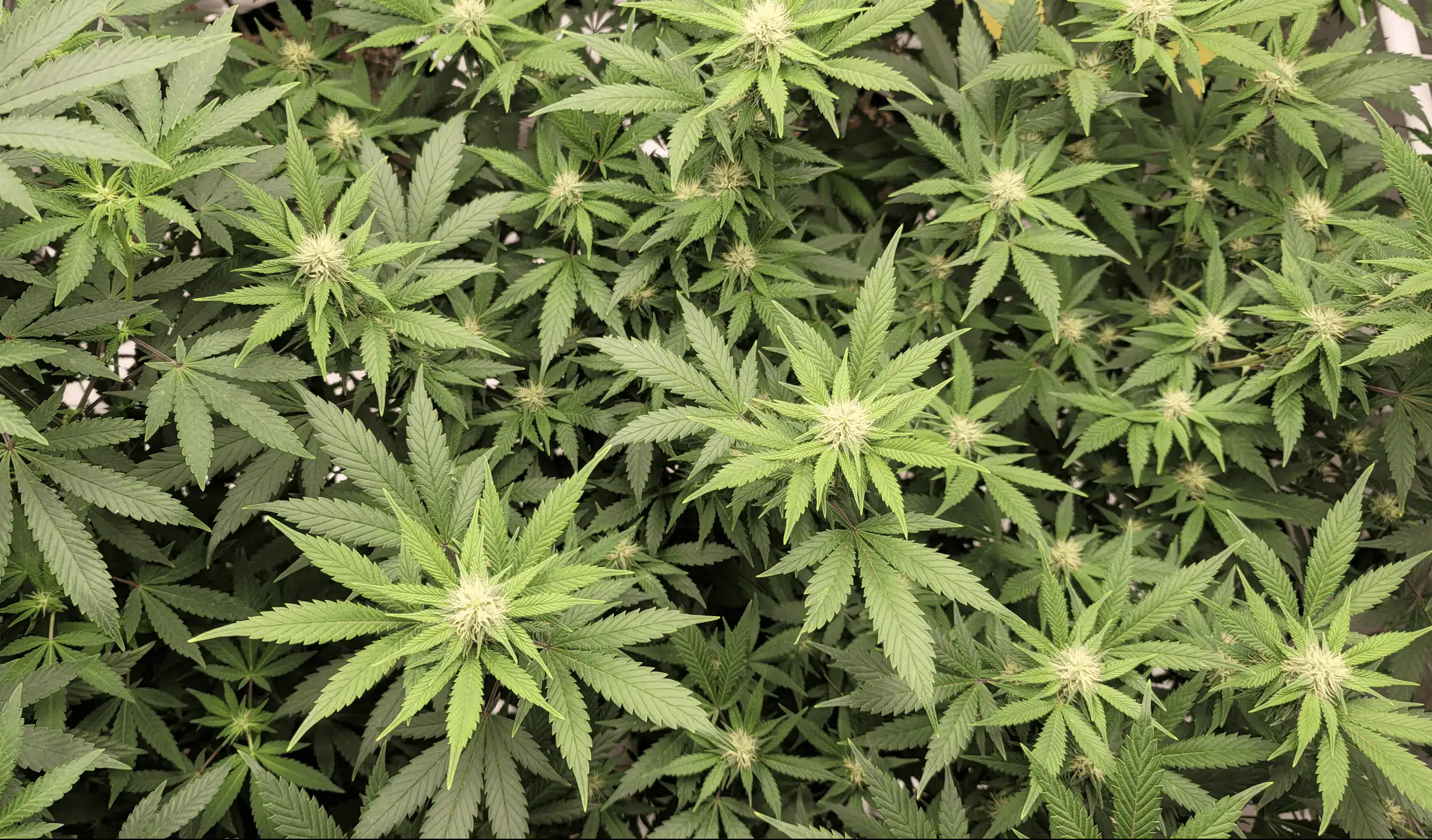

On May 29, 2026, global cannabis technology company CannBro was invited to the Cannabis Expo in Johannesburg to share insights on emerging cannabis-related medical applications and supply chain strategies in the cannabis markets.
At the event, CannBro highlighted its partnership with the CHEEBA Cannabis Academy to promote industry education, compliance awareness and the development of regulatory standards in emerging cannabis markets. The company highlighted the importance of establishing strong regulatory and compliance frameworks for the sustainable growth of the industry.
 © CannBro
As a company certified with ISO 13485 and GMP, CannBro actively explores medical cannabis applications and collaborates with health organizations to discuss potential clinical research and CBD product applications.
 © CannBro
CannBro also introduced the “Factory Pricing + Local Stock” strategy, combining manufacturing capabilities in China with warehouses located overseas, enabling efficient delivery of local inventory. The company currently operates warehouses in the United States, Canada, Germany and South Africa and has helped more than 150 customers with local stock delivery solutions that reduce costs and improve inventory turnover.
In addition, CannBro visited local cannabis cultivation facilities to learn about the evolution of the South African market and explore potential partnerships for cultivation, medical applications and product development.
 © CannBro
Andy Zhao, CEO of CannBro, said: “As the global cannabis market matures, fulfillment and medical applications will become key drivers of sustainable growth. CannBro remains committed to advancing the industry through education, medical research and supply chain innovation.”
For more information:
CannBro Technology
Email: (email protected)
www.cannbro.com

Legalization in NH is on hold again…Weed Talk News with Alaina Pinto, full ABC Blocks

CAN DOGS ENJOY THE BENEFITS OF CANNABIS? | TIM SHU D.V.M.

Marijuana Retail Report

GreenTech Amsterdam 2026 in 2026 photos

Why Pharma Is Taking Cannabis Seriously

Illinois Governor Signs Bill To Double Marijuana Possession Limit, Restrict Hemp THC Products And Reform Rules For Businesses

Pennsylvania Senate Rejects Bill to Create Cannabis Control Board

ANOTHER STEP TO LEGALIZATION? NORMALIZATION? MD GOVERNOR MOORE HISTORIC PARDONS OF THOUSANDS;

REDMAN GETS BLUNT WITH MONTEL

Anti-Rescheduling Parties Ask Court To Stay Schedule III Cannabis Order

“Our system can manage equipment across 10,000+ m² using just a few wires”

Florida Workshop to Discuss What Constitutes a ‘Cartoon’ in Hemp Packaging

Mazar-i-Sharif Hash Wednesday

Afghan Black Hash Wednesday

Weak Michigan Cannabis Sales Again in July – New Cannabis Ventures

From Finance to Wellness: Brad Zerman’s Impactful Pivot

DEA’s Cole Reverses His “priorities” ; Prohibitionists Dig In; Dead & Co Celebrates 60 years in SF

Re-release of the full show of Cannabis Coast to Coast news. Republican Texas DA Fires Up vs. laws;

Your Cannabis Business: Consistent Filings Are Critical

Curaleaf Q2 Revenue Falls 8% – New Cannabis Ventures
-
 Cannabis News10 months ago
“Our system can manage equipment across 10,000+ m² using just a few wires”
-
 Florida10 months ago
Florida Workshop to Discuss What Constitutes a ‘Cartoon’ in Hemp Packaging
-
 Video8 months ago
Mazar-i-Sharif Hash Wednesday
-
 Video8 months ago
Afghan Black Hash Wednesday
-
 aawh10 months ago
Weak Michigan Cannabis Sales Again in July – New Cannabis Ventures
-
 Video10 months ago
From Finance to Wellness: Brad Zerman’s Impactful Pivot
-
 Video10 months ago
DEA’s Cole Reverses His “priorities” ; Prohibitionists Dig In; Dead & Co Celebrates 60 years in SF
-
 Video10 months ago
Re-release of the full show of Cannabis Coast to Coast news. Republican Texas DA Fires Up vs. laws;