
Cannabis News
Custom LED gains ground as Italian nurseries push for efficiency

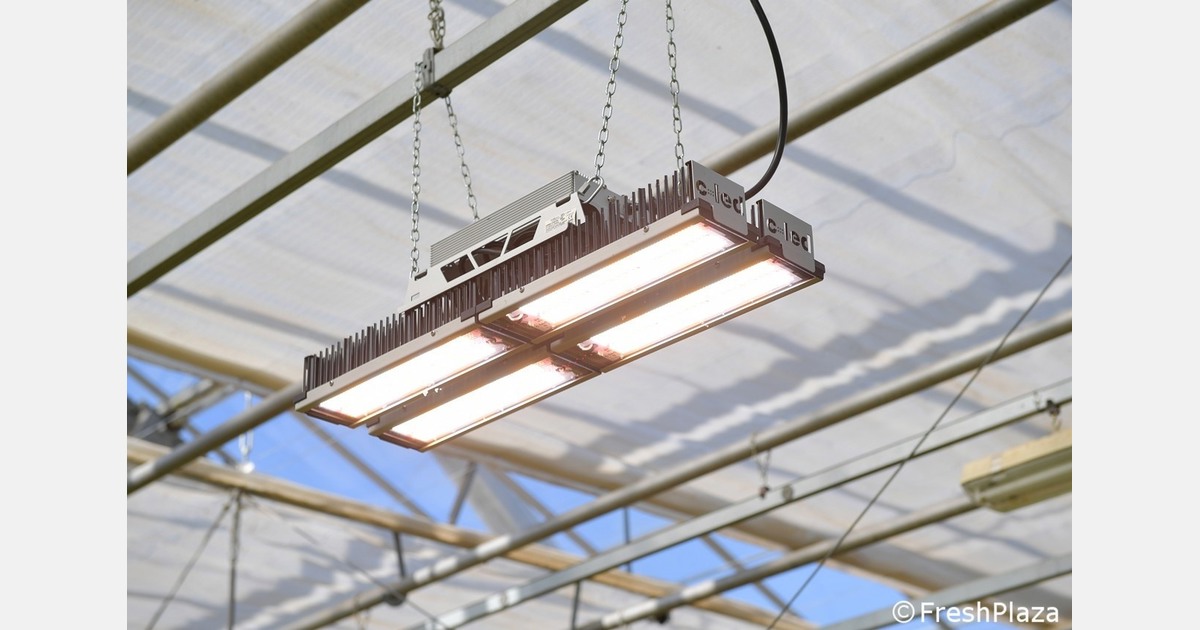
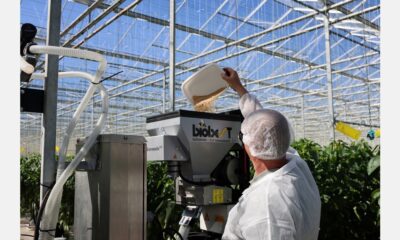
Protected and soilless farming systems continue to gain momentum, and Italian nurseries are widely recognized as among the best in the world. These operations require different lighting solutions depending on the growth phase of the plants. C-Led, a company based in Imolan (Bologna) and part of the Cefla Group, has been placed in this context. The company is constantly expanding and has grown to more than 35 employees in the last year.
“We have hired new technicians”, explains Raffaello Montanari, commercial director of C-Led, “also because we design and manufacture our lighting systems in-house. We do not just rebrand imported products, we develop tailor-made solutions. Thanks to this approach, we have been able to successfully expand our presence abroad as well, from the Balkan countries to the Iberian Peninsula and South Africa and as far south as Greece”.
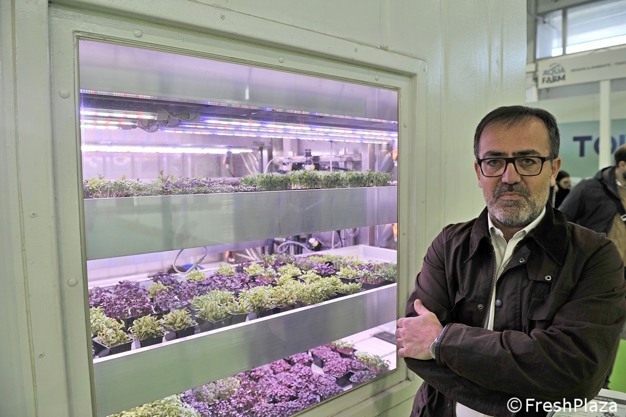 © Cristiano Riciputi | MMJDaily.comTo Raffaello Montana
“Our way of working”, continues Montanari, “begins with assessing the specific needs of each client, in order to propose the most suitable lighting solution. It is a completely customized design process, which varies from one client to another, according to the type of their activity. This is why we work not only with nurseries and protected or landless crop producers, but also with public and private university laboratories and research institutions”.
In addition to new installations, a large part of the company’s activity also involves the renewal of systems that have become obsolete.
 © Cristiano Riciputi | MMJDaily.com
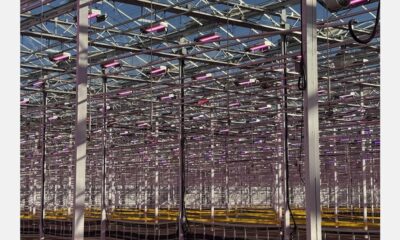
“Often,” says Cristian D’Elia, technical specialist at C-Led, “we participate in renovation projects for greenhouses or research laboratories. The lamps are specified following the lighting design adapted to the customer, with the aim of maximizing the growth and vigor of the plants, to support scientific research. In the experimental centers, our work allows the researchers, through analysis and measurements, to define the best characteristics and lines of strength for the plants. Then commercialized varieties, in many cases, that is, to supplement natural light with specific wavelengths for photosynthesis and to install LED lamps to optimize the photoperiod in the autumn-winter season.
 © Cristiano Riciputi | MMJDaily.com
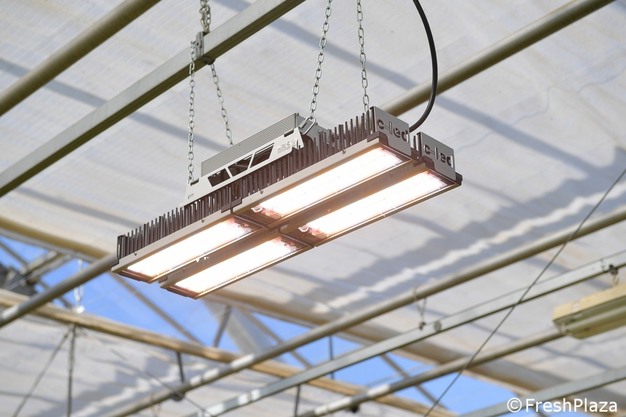
As a result, compared to traditional HPS lighting, performance is significantly improved while reducing energy consumption, a key factor in controlling costs and improving the overall environmental footprint.
“Finally, in recent years, we’ve seen an increasing demand for applications with UV (ultraviolet) lamps,” added Montanari. “This is not limited to industrial uses, such as sanitization, resin curing or pest control, it also extends to grow lights. That is why we have designed and marketed new products with these specific wavelengths to meet market demand. The use of LED lamps, integrated in a custom-designed project for each customer, allows energy savings of up to 45%.”
For more information:
C-LED
Gambella road, 34
40026 Imola (BO) – Italy
+39 0542 654980
(email protected)
www.c-led.it







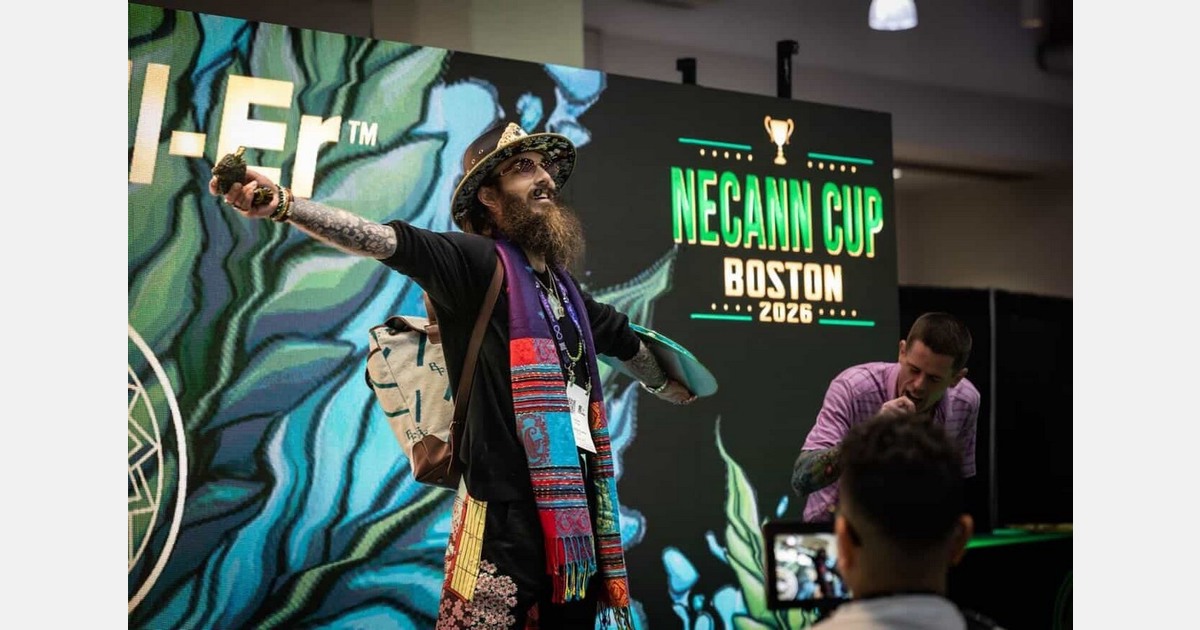
Bountiful Farms placed first and second in the licensed solvent-free concentrate division at this year’s NECANN Cup, then also won the mixed licensed and unlicensed division to win best overall, putting the Massachusetts operator in the running for best in show with the highest-scoring product in New England.
 © Bountiful Farms
NECANN is the largest B2B cannabis event in New England and the second largest in the country, attracting over 9,000 attendees. Everything is unbranded. Licensed and unlicensed operators in the six New England states compete only in product. Zachary Taylor, Director of Agriculture at Bountiful Farms, says the win for Maine’s craft growers means a lot to him and his team. “Whenever you compete against Maine, with its regulations and the craft culture of the caretakers, to be considered a craft on our scale is the greatest honor. When you look at cups across the nation, you see cups of culture, and Maine is always well represented. To be recognized on the same playing field and to excel at this scale is very difficult, and I don’t think that’s what people mean.”
Of course, rosin isn’t given more forcefully to Bountiful Farms. But Zach in a clean way © Bountiful Farms he says, “A good raisin doesn’t appear out of nowhere. It comes from the flower.” The award-winning genetics were bred by Crystal Rose, and built around a high-resin, terpene-rich expression.
“The buds come in within 15 minutes of harvest, it’s like a timer,” Zach says. “Then we move them to a chest freezer, before moving them to an aisle freezer, where they’ll sit until they’re cleaned. All the rosin is pressed by hand in a hydraulic press.” At its scale, Bountiful Farms must use automation to achieve consistently high quality. “But we have very practical components,” he said. “The backlash of the press tells you how hard it is to go. Same approach with agitation, for example. The flower heads themselves, how we maintain the integrity of the trichome, the rise time of the wash, the temperatures: everything is handled like a small-scale race.”
That level of attention comes from the team. Matt Bearup, now a solventless QC manager, started growing and built the hash lab from the ground up all by himself. There are currently eight hash makers, all passionate about complex genetics and terpenes. Strains include not only the main terpenes, but also tasting notes and effects. Using the SC Lab framework, limonene as the current focus. “There’s not a lot of that in the hashish sector in particular. Several growers are moving in that direction.”
 © Bountiful Farms
“There’s not a lot like it. Several breeders are moving in that direction.”
Bountiful Farms has been producing rosin since 2021, when the category had little traction © Bountiful Farms in Massachusetts. Since then, the company has expanded into a high-end cultivation center to produce even more rosin. They operate two production rooms and processes not only for themselves, but also for other clients including Native Sun, Breathe Free and u4ea. They have recently opened two new dispensaries, allowing them to expand into recreational retail from 2021. Another limited release of the full melt is planned, along with a dual-cartridge solvent-free pen developed with O2 Vapes, two flavors in one device.
“When you bring award-winning companies together, you get products that represent the industry at its best. Massachusetts deserves its place among the leaders in this industry. When we win, the industry wins.”
For more information:
Prosperous Farms
prosperous farm. take care of
Cannabis News
Federal Drug Testing Rule Will Require ‘Directly Observed’ Urine Collection From Truck Drivers
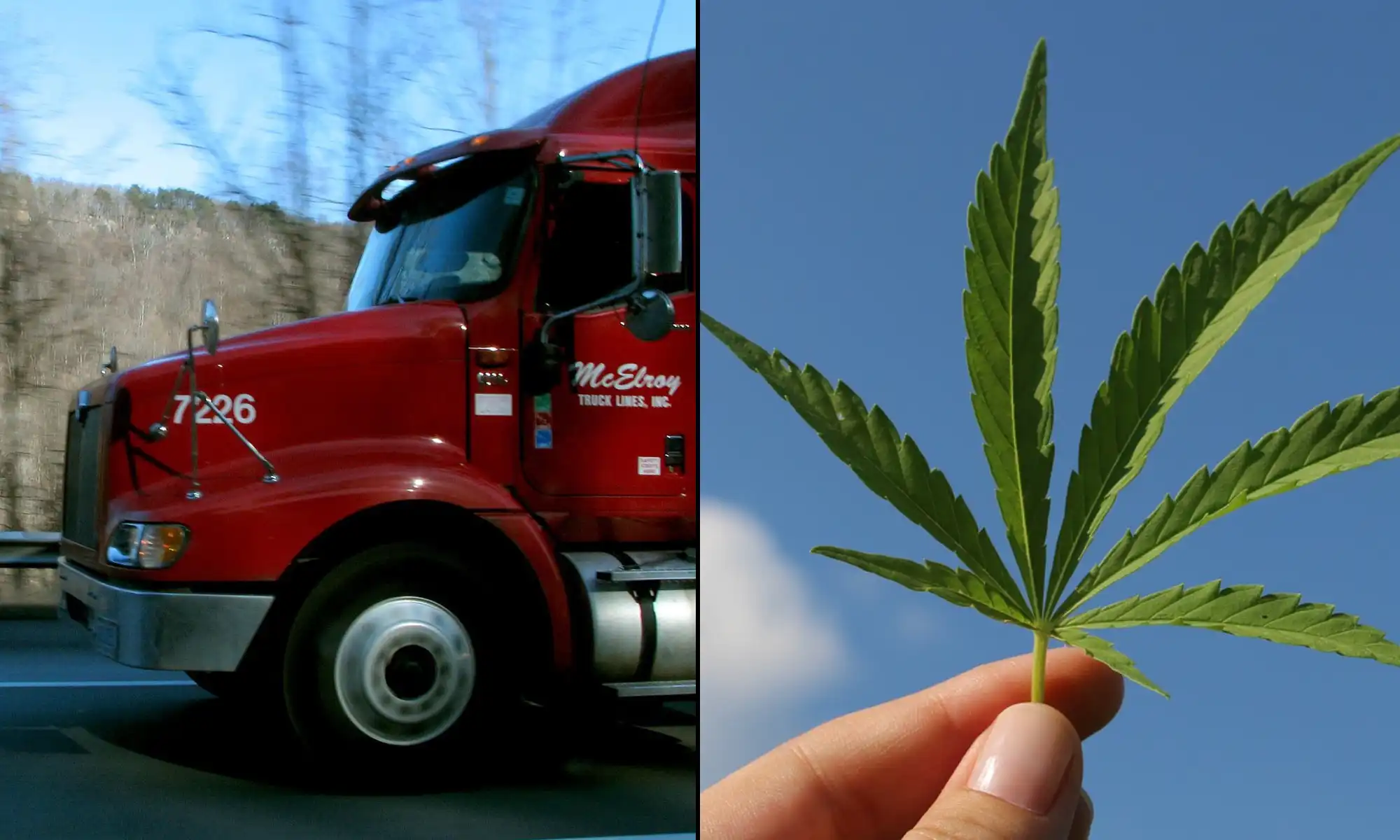


Over the past week, many news organizations have been running exaggerated headlines about a supposed change by the federal government to allow marijuana to be brought into airports and airplanes. But it’s not true, the Transportation Security Administration (TSA) tells Marijuana Moment.
“TSA’s policy on medical marijuana has not changed,” a TSA spokeswoman said in an email Wednesday.
“According to the TSA website: If any illegal substance or evidence of criminal activity is found during the security screening, TSA will refer the matter to law enforcement,” they said. While it’s true that the agency’s list of medical marijuana “What can I bring?” section of its website was updated on April 27, there were no major changes in policy.
Currently, the website says “Yes,” passengers can carry medical marijuana in carry-on and checked bags with special instructions. But the TSA cannabis policy has said “Yes” to medical marijuana, with the same caveats, since 2019.
Read more at Marijuana Moment

Adult use Sales begin in Ohio ! NORML’s Political Director Morgan Fox on Legalization Timing

IMPORTANT CONVERSATION ABOUT BLACK OWNED CANNABIS | MARIE MONTMARQUET AND ALLEN HACKETT

Zen Leaf Dispensaries Mark 10-Year Las Vegas Anniversary with “All-in-at-10” Celebrations

Bountiful Farms goes best in New England at NECANN Cup

Turning Point Brands Goes Big With UFC

Federal Drug Testing Rule Will Require ‘Directly Observed’ Urine Collection From Truck Drivers

Vermont House Committee Removes Language to Cut THC Caps from Senate-Approved Cannabis Regulations Bill

Weed Talk News Special Report:1v1 Legalization Update with Morgan Fox Political Director NORML

DISCOVERING CANNABIS AND COMEDY | MIKE GLAZER

Marijuana Retail Report

“Our system can manage equipment across 10,000+ m² using just a few wires”

Florida Workshop to Discuss What Constitutes a ‘Cartoon’ in Hemp Packaging

Mazar-i-Sharif Hash Wednesday

Afghan Black Hash Wednesday

Re-release of the full show of Cannabis Coast to Coast news. Republican Texas DA Fires Up vs. laws;

Weak Michigan Cannabis Sales Again in July – New Cannabis Ventures

From Finance to Wellness: Brad Zerman’s Impactful Pivot

DEA’s Cole Reverses His “priorities” ; Prohibitionists Dig In; Dead & Co Celebrates 60 years in SF

Texas DA Fires Up for Change! Mass. Sheriff arrested on Extortion charges; GOP vs Industry in state

Your Cannabis Business: Consistent Filings Are Critical
-
 Cannabis News9 months ago
“Our system can manage equipment across 10,000+ m² using just a few wires”
-
 Florida9 months ago
Florida Workshop to Discuss What Constitutes a ‘Cartoon’ in Hemp Packaging
-
 Video8 months ago
Mazar-i-Sharif Hash Wednesday
-
 Video8 months ago
Afghan Black Hash Wednesday
-
 Video9 months ago
Re-release of the full show of Cannabis Coast to Coast news. Republican Texas DA Fires Up vs. laws;
-
 Video9 months ago
From Finance to Wellness: Brad Zerman’s Impactful Pivot
-
 aawh9 months ago
Weak Michigan Cannabis Sales Again in July – New Cannabis Ventures
-
 Video9 months ago
DEA’s Cole Reverses His “priorities” ; Prohibitionists Dig In; Dead & Co Celebrates 60 years in SF