Connect with us

Cannabis News

Federal Health Agency Moves To Allow CBD Coverage Under Medicare, As Promoted In Video Trump Posted

Published

on

A federal health agency wants to soon allow health insurance coverage for CBD under some Medicare programs.

The policy change has been unfolding for about a month from US Health and Human Services (HHS) Secretary Robert F. Kennedy Jr. President Donald Trump shared a video over the summer after meeting with the head of an organization behind it. claimed the therapeutic potential of the cannabinoid. That video specifically called for Medicare coverage for seniors who want to use CBD as an alternative treatment.

The Centers for Medicare and Medicaid Services (CMS), under HHS, will publish a notice in the Federal Register on Friday about “marketing and communications, drug coverage, enrollment processes, special needs plans and other programming areas” for insurance programs it oversees. One of these changes concerns the cannabidiol coating.

CMS earlier implemented the 2026 final rule in April specifically stipulating that marijuana, as well as CBD derived from federal law hemp, are ineligible For coverage of the Medicare Advantage program and other services, the agency is revising that policy.

The proposed 2027 rule would change the regulation, which currently states that “cannabis products” cannot be covered. The new policy would “prevent coverage of cannabis products that are illegal under applicable state or federal law, including the Food, Drug, and Cosmetic Act.”

Because hemp and its derivatives like CBD are federally legal, the change suggests that patients in states where these products are legal can make valid insurance claims to pay for alternative treatment options, as long as the product is federally legal.

That said, recent changes to federal hemp law that will take effect next year—and a growing push by states to limit the sale of consumable cannabinoids—could significantly limit the types of products that patients can access. The way the law is written will allow limited concentrations of THC, where most growers and manufacturers say the idea of ​​a split for CBD is unfeasible. And for companies that market non-intoxicating products, this could spell doom, or at the very least force them to take on the significant additional cost of extracting CBD isolates in order to avoid running afoul of the law.

CMS he said In the filing to be published this week, “Hemp and hemp-derived cannabis products that meet the current 2018 definition are not federally controlled substances until November 11, 2026, and those that meet the amended definition after November 12, 2026, are not federally controlled substances after that date.”

“If such products comply with all other applicable federal laws, including the definition of hemp and the applicable provisions of the Food, Drug, and Cosmetic Act (FFDCA), they are not illegal under federal law,” he said.

The revised language examines eligibility for coverage of legal cannabis products at the state and federal level, but the agency specifically stated that the rule would allow Medicare Advantage to offer “hemp seed, hemp seed protein powder, and hemp seed oil,” given that the Food and Drug Administration (FDA) has already deemed the materials safe by the RAS (Generally, the RAS has approved a review).

The CMS policy change regarding cannabidiol was detailed in a Bloomberg brief reviewthe news organization reported, the document suggested an early version of the plan could focus on oncology and palliative care for the elderly, though it’s unclear to what extent the report is based on the latest Federal Register release, which it did not cite.

But the proposed rule is also taking about a month for Kennedy — the HHS secretary who previously approved granting access to cannabis and psychedelics for therapeutic purposes — to discuss the issue with Commonwealth Project CEO Howard Kessler, according to Bloomberg.

Kessler’s organization produced a Trump-promoted Truth Social video in late September promoting the health benefits of cannabis, suggesting that CBD coverage under Medicare would be “the most important senior health initiative of the century.”

“It’s time to educate physicians on the endocannabinoid system, provide Medicare coverage for CBD, and provide millions of seniors with the care they deserve,” he said.

The video Trump posted also featured a Fox News clip describing the economic benefits of legalizing medical marijuana, saying that “$64 billion would be saved annually if cannabis were fully integrated into the health care system.”

The Commonwealth Project also participated in the stalled hearings on the marijuana deregulation process initiated by the Biden administration. He filed a comment in the federal filing arguing the “historic” proposal “provides greater, but not complete, certainty for seniors, researchers and physicians to participate in research or health care pilot projects exploring the benefits and distribution of medical cannabis.”

Marijuana Moment is made possible with the help of readers. If you rely on our pro-cannabis journalism to stay informed, consider a monthly Patreon pledge.

Cannabis News

Building Nevada’s most vertically integrated cannabis operation

Published

on

By

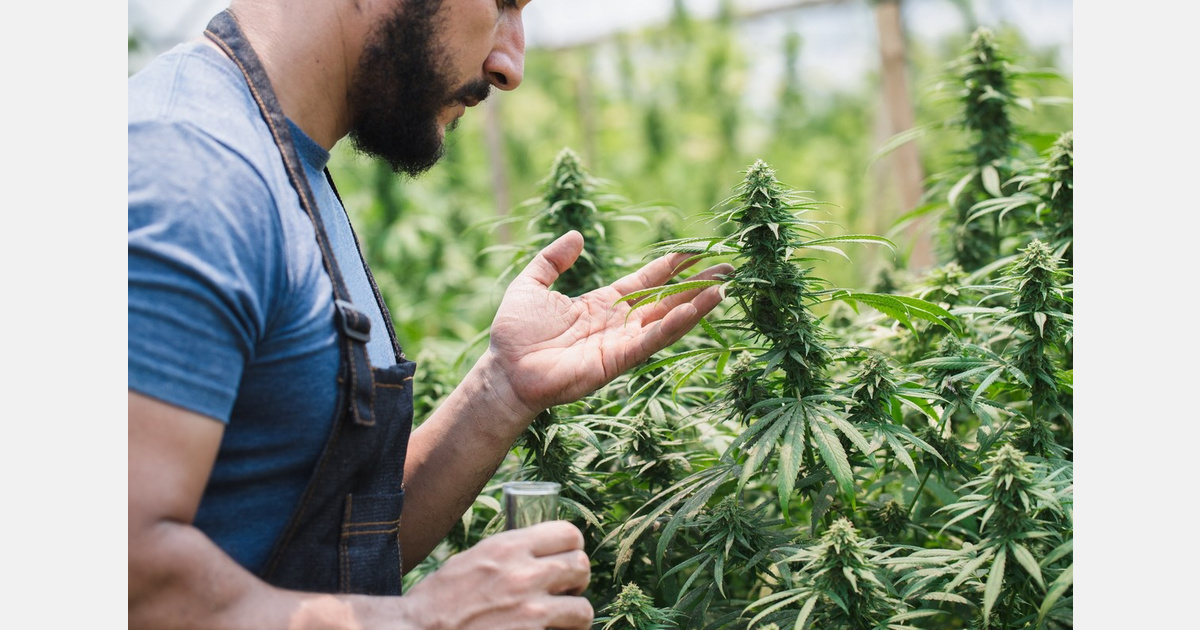
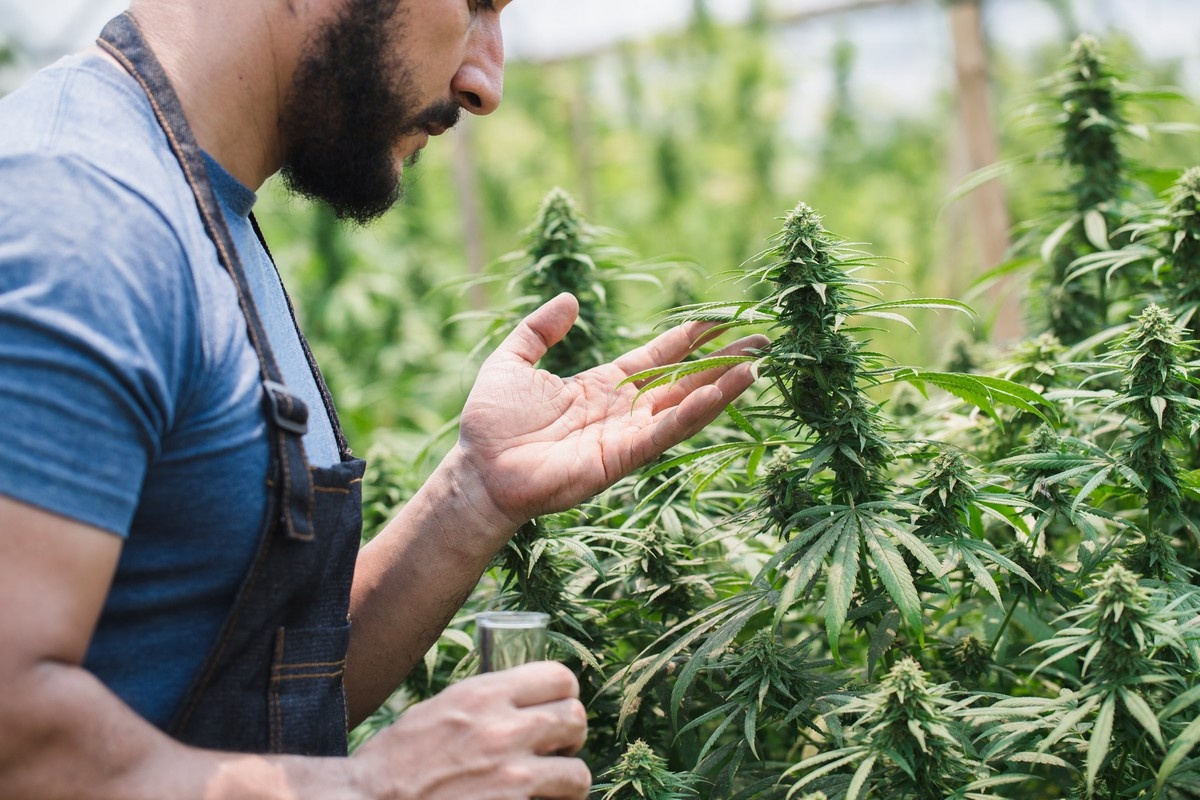
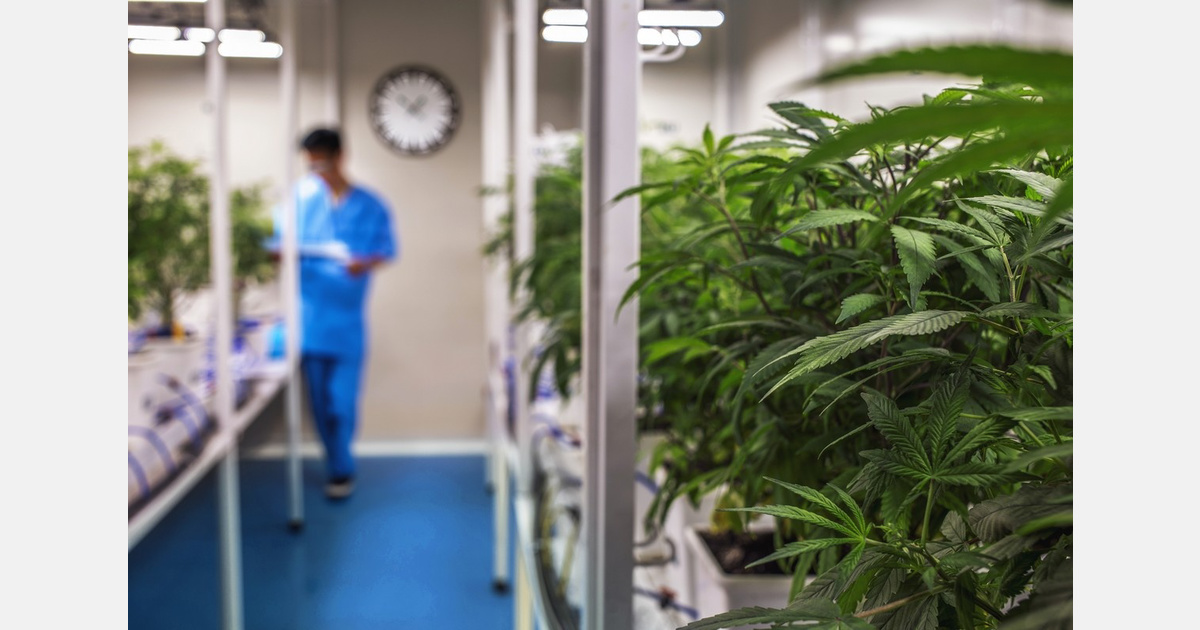
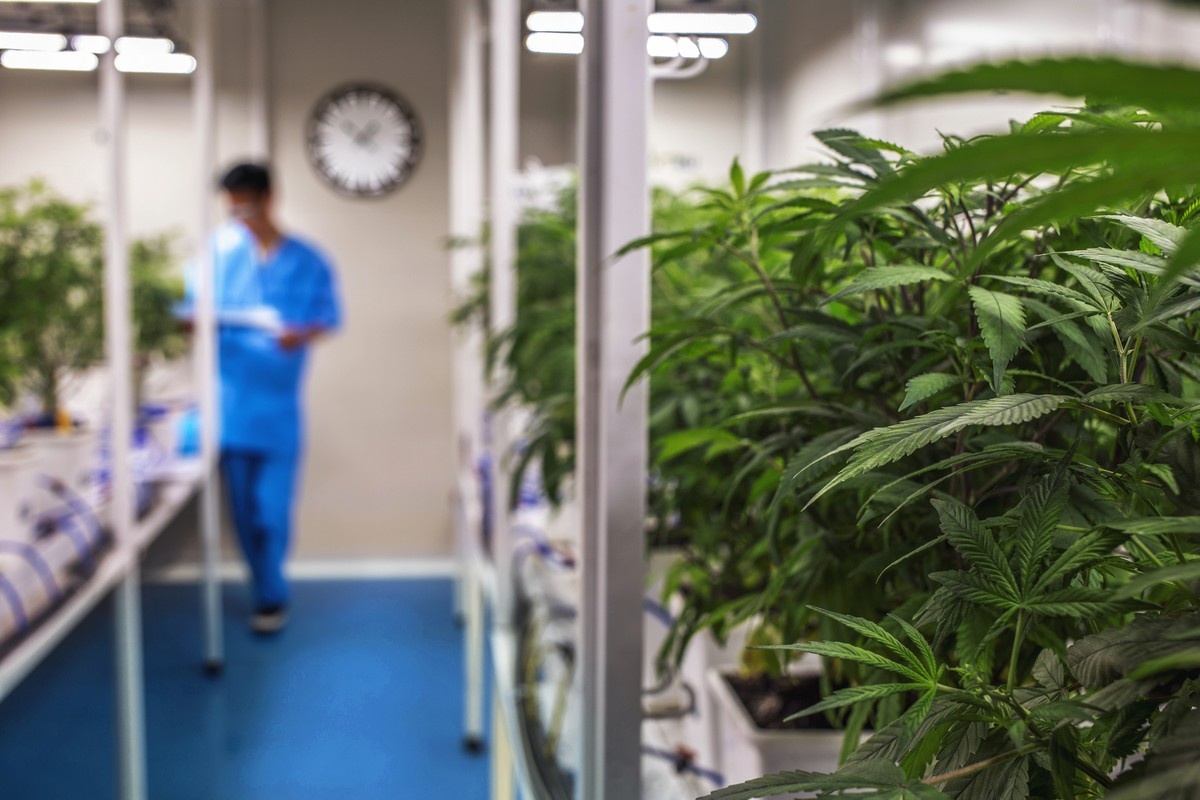
Nevada is one of the most competitive retail cannabis markets in the United States, and Deep Roots Harvest has been betting for years that the way to win is to control everything. 11 cultivation, processing, manufacturing, extraction and retail locations all under one roof, or pretty close to it. Chris O’Ferrell, Deep Roots Harvest’s Chief Cultivator, runs the growing side of that operation in two facilities totaling 30,000 square feet, pushing 500 pounds of harvested cannabis per week and 2,000 pounds of biomass per month.

“The Source and Deep Roots harvest retail team sells 75 kilos of cannabis daily, 500 kilos weekly, over a third of which is in-house to support the High Heads, Neon Moon and CAMP brands. We cultivate, extract, process, manufacture and work the retail locations,” says Chris. “We have one of the largest market shares in Nevada in terms of retail volume and gross sales.”

That volume is produced by 60 full-time employees at the two sites, and the crop program behind it is, by any reasonable measure, built for efficiency and quality. “Many of the genetics in our library consistently exceed 100 grams per square foot, which directly helps reduce our overall cost per gram,” explains Chris. “We operate with a consumer-first approach, focusing on cost consciousness while providing tasty and competitive offerings. We operate below 70 cents per gram, a benchmark that reflects careful cost management. Getting there and staying there has required compressing costs at all input levels while continuing to invest in technology that moves the needle on quality, cost efficiency and performance.”

© Deep Roots Harvest Chris O’Ferrell, Chief Cultivator at Deep Roots Harvest

Genetics as intended by the producer
The transition of light is a clear example of this, as is the case with cannabis. In the beginning, the company used your classic HPS lights. As LED technology advanced, Deep Roots made the switch. However, it wasn’t just about improving energy efficiency. Chris and the team understood that the more precisely the crop was targeted, the better the final product would be. Energy savings don’t necessarily show up on retail shelves, but crop control does, in the form of flowers that express their genetics the way the grower intended.

To achieve this level of control, the spectrum became a critical tool. “We start with the spring setting, using the blue light to regulate the spacing of the interiors and control the spacing,” he explains. “As the plants progress, we move to the summer spectrum until the end of week eight, switching to a broader spectrum light with balanced wavelengths. This increases the red light, along with other parts of the spectrum to more closely replicate sunlight. We also increase the light intensity during the flowering phase to improve the plant’s photosynthetic performance, accumulation and photosynthetic activity. The parameters support the initiation of flowering, accelerate maturation and allow the plant to reach its potential they allow him to fully express his genetics.”

Nothing is left to chance
At canopy level, plants from the two largest facilities are housed in two-gallon coco pots, chosen to accommodate longer growing periods and larger plant structures. The second facility operates stone wool. Both use substrate sensors in connection with fertigation control, and track performance at different growth stages. Dissolved oxygen is injected into the root zone to increase availability, and a chlorine injection system keeps the lines clear of pathogens with a relatively inexpensive cleanup compared to conventional cleaning programs. “A chlorine injection system is relatively inexpensive to implement, replacing approximately $40,000 in other cleaning and disinfection products annually,” says Chris. “It’s all about being ahead of the curve.”

Pest management is entirely biological, implemented in conjunction with mechanical and cultural controls. “We haven’t had any pest problems,” says Chris. “This was also a decision based on reducing inputs while maintaining, if not improving, the quality of the product.”

Genetics is the backbone of cannabis operations and the gas that drives the company’s engine. They receive the same systematic treatment as all other parts of the operation. A steering committee reviews the portfolio quarterly, withdrawing underperforming cultivars and acquiring replacements based on market data from multiple markets, cross-referenced with gaps in the current menu. The criteria are repeatable agronomic performance, yield, potency, distinctive flavor profile and the ability to wash well for extraction, ensuring strong yields for both rosin and resin production. “All genetics need to adapt to the program,” says Chris. “Unique production, potency and flavor expression that fills the void of what we don’t have on the menu. It’s about finding a commercial cultivar that works well and fits the existing infrastructure. All the cultivars we grow now have a similar and predictable growth structure. The difference is the color, the smell, the experience. They are very close agronomically.”

For more information:
Harvest deep roots
deeprootsharvest.com

Continue Reading

Cannabis News

Marijuana Reform Group Polls Consumers About Freedoms Where They Live Ahead Of 4/20

Published

on

By

Ahead of the unofficial cannabis holiday on 4/20, a leading marijuana reform group is asking consumers to take a poll about the freedoms they experience (or lack thereof) where they live.

The new 2026 Cannabis Freedom Survey from the National Organization for Reform of Marijuana Laws (NORML) includes the questions: “Where you live, how free are adults to legally possess and access cannabis?” and “Where you live, how concerned are you about the legal consequences for cannabis users?”

The survey “is designed to capture the real-time sentiment of cannabis consumers in the United States and abroad to see how individuals experience the politics of cannabis in their daily lives,” NORML said.

The the questioning It also includes a question asking people to choose “the most important step that would increase the freedom of cannabis where you live.”

Options include ending marijuana arrests, legalizing adult marijuana, allowing adults to grow their own cannabis, allowing the sale of legal cannabis, making legal cannabis cheaper, clearing records and resolving past convictions, changing federal cannabis laws and protecting consumer rights (parental, workplace, housing, health).

In addition, it asks whether respondents at the national level fully respect marijuana policy for consumer freedom, whether it is moving in the right direction, stagnant without significant progress, or regressing.

“In some jurisdictions, cannabis comes with real freedom. In others, it still comes with real consequences,” NORML Director of Development JM Pedini said in a press release. “This survey is about capturing that gap, not just what the laws say, but how people actually experience them.”

Pedini told Marijuana Moment that the organization will likely compile the results and release them a few days before 4/20.

Marijuana Moment is made possible with the help of readers. If you rely on our pro-cannabis journalism to stay informed, consider a monthly Patreon pledge.

Continue Reading

Cannabis News

Governor vetoes medical cannabis bill

Published

on

By


The veto pen is one of the most powerful tools in the Mississippi Legislature, and Governor Tate Reeves has used it throughout his tenure. This year, his vetoes have mostly targeted public health bills so far, with more to come.

There are three ways Reeves could handle the bills that passed both chambers. He can sign bills he supports and allow them to become law without his signature. He can also block legislation he disagrees with by vetoing a bill or part of it and deferring it to a future legislative session.

As of Wednesday, April 8, he has vetoed four bills, half as many as in the previous two sessions, but Reeves will continue to review the legislation and reject more proposals in the coming days.

Reeves vetoed two medical marijuana bills that passed the Legislature this session, dealing a fatal blow to bills that have already faced friendly chambers. One of the bills, the “Right to Try Medical Cannabis,” contained only one specific provision that Reeves disputed. The original intent of the bill, which Reeves praised, was to expand the opportunity to try medical marijuana to those with debilitating conditions that fall outside the scope of current law.

Read more at Clarion Ledger


Continue Reading
Advertisement

Trending

Copyright © 2021 The Art of MaryJane Media